What Size Crate for Dog: Ultimate Guide to Perfect Fit
Choosing the right size crate for your dog is more than just a matter of comfort; it’s about creating a safe and secure environment for your furry friend. Imagine the peace of mind knowing that your dog feels cozy and protected while you’re away or sleeping.
But how do you determine the perfect fit? It’s easy to get overwhelmed with options and sizes, especially when you want what’s best for your dog. You’re here because you care deeply about your dog’s well-being, and you’re ready to make an informed decision that will benefit both you and your pet.
By understanding what size crate your dog needs, you can avoid common pitfalls like discomfort and anxiety, ensuring your dog feels at home even when confined. Ready to find the ideal crate size that will make your dog wag its tail with joy? Let’s dive in and discover how to make the best choice for your beloved pet.
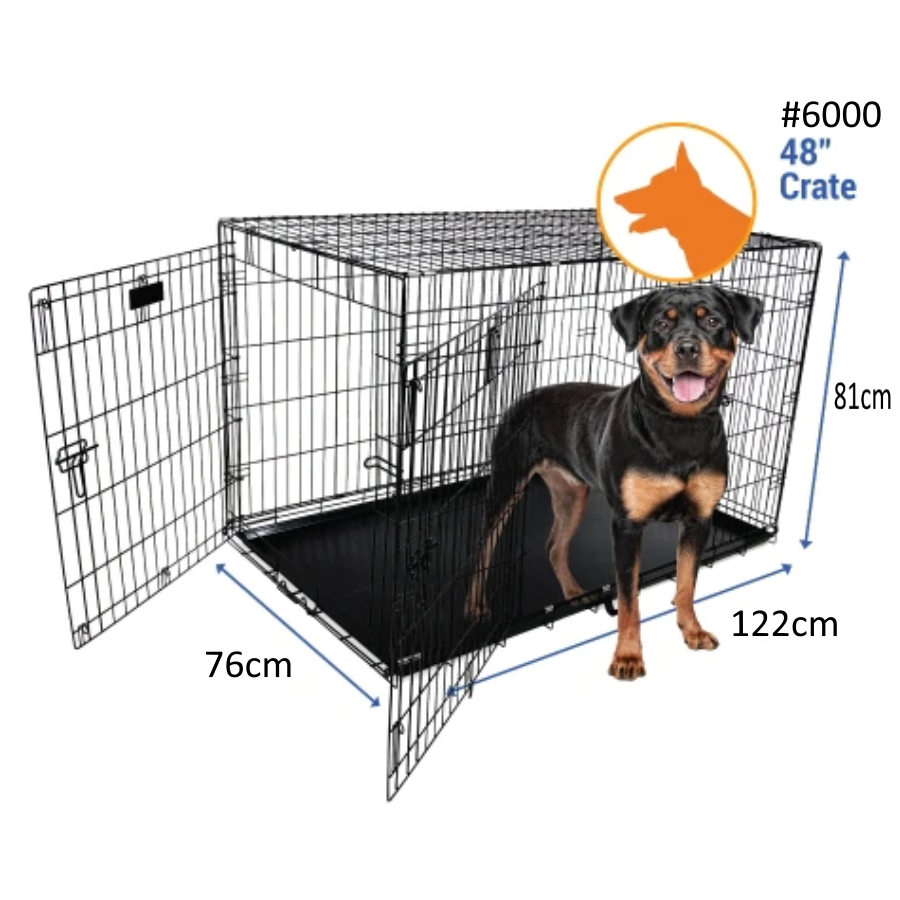
Credit: petworkz.co.nz
Choosing The Right Crate
Determining the correct crate size for your dog is essential for comfort and security. Measure your dog’s length, height, and weight to choose a crate that allows enough space to stand, turn, and lie down comfortably. Selecting the right size ensures your dog feels secure and at ease.
Choosing the right crate is essential for your dog’s comfort and safety. A well-fitted crate can be a cozy den for your dog. It provides a secure space where they can relax. Selecting the correct size ensures your dog feels safe and not cramped. Let’s explore the factors that contribute to choosing the right crate.Importance Of Proper Fit
A properly fitted crate helps in your dog’s training. It creates a sense of security and reduces anxiety. The right size allows your dog to stand, turn, and lie down comfortably. An oversized crate might lead to accidents inside. A too-small crate can cause discomfort and stress. Measure your dog from nose to tail and from the floor to the head. Choose a crate slightly larger than these dimensions.Common Mistakes To Avoid
Many pet owners often choose the wrong crate size. Some select a crate based on breed size without measuring. Others might choose a crate that’s too large, thinking it’s better. This can lead to behavioral issues. Avoid using the crate as a punishment area. This can create fear and resistance in your dog. Always introduce the crate in a positive manner.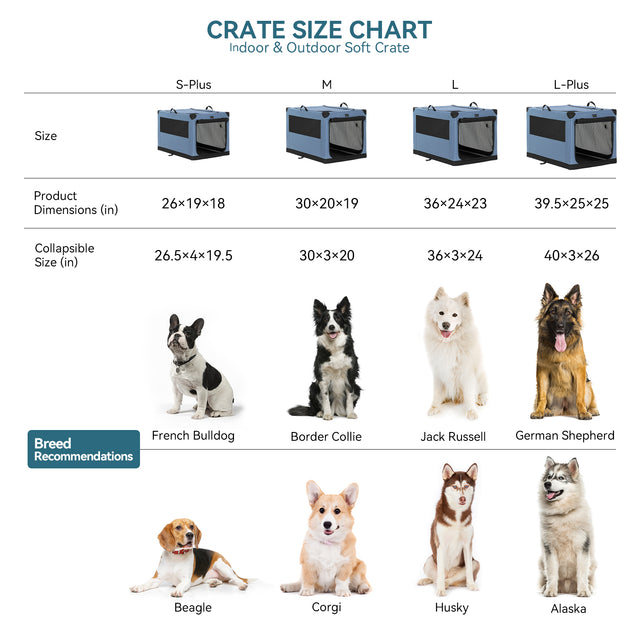
Credit: petsfit.com
Measuring Your Dog
Choosing the right crate size involves measuring your dog from nose to tail and floor to head. This ensures comfort and safety, providing enough space for stretching, standing, and turning around easily. Accurate measurements help in selecting a crate that supports your dog’s well-being and happiness.
Choosing the right size crate for your dog is crucial to ensuring their comfort and safety. Before you purchase a crate, it’s essential to measure your dog accurately. Proper measurements will help you select a crate that allows your furry friend to stand, turn, and lie down comfortably. Let’s dive into the specifics of measuring your dog to find the perfect crate size.Length And Height Measurements
To determine the length of the crate, measure your dog from the tip of their nose to the base of their tail. This measurement should give you an idea of the minimum length the crate should have. For height, measure from the top of your dog’s head or ears to the ground. If your dog has floppy ears or a fluffy tail, consider the tallest point to ensure they have enough headroom. A crate that meets these dimensions will let your dog sit and stand without crouching.Weight Considerations
Weight plays a vital role in choosing the right crate. Crates are often categorized by weight limits, so knowing your dog’s weight will guide you to the appropriate option. Consider if your dog is still growing. Puppies can quickly outgrow their crates, so opting for a crate with adjustable dividers can be practical. Ask yourself: Is the crate sturdy enough to hold your dog’s weight comfortably? A robust crate ensures long-lasting safety. Once you have these measurements, you’re one step closer to finding the perfect home for your dog. It’s worth taking the time to get it right, as a well-fitted crate can make all the difference in your dog’s comfort and wellbeing.Types Of Dog Crates
Choosing the right dog crate for your furry friend can make all the difference in their comfort and security. There are various types of dog crates available, each designed to suit different needs and preferences. Understanding the characteristics of each type can help you make an informed decision that aligns with your dog’s lifestyle and your own. Let’s explore some popular options.
Wire Crates
Wire crates are popular for their durability and ventilation. These crates provide excellent visibility, which can help your dog feel more connected to their surroundings. They are typically foldable, making them easy to store or transport. If you enjoy taking your dog on trips, a wire crate might be a practical choice. Many of them come with dividers, allowing you to adjust the space as your puppy grows. However, if your dog is a chewer, they might find the bars tempting to gnaw on.
Plastic Crates
Plastic crates offer a cozy and enclosed space, ideal for dogs who prefer more privacy. They are often used for air travel due to their sturdy construction and secure locking mechanisms. These crates can also provide insulation in colder climates, making them a good option if you live in a chilly area. One downside is their bulkiness, which can make storage a challenge. Have you ever noticed your dog retreating under furniture? They might appreciate the den-like feel of a plastic crate.
Soft-sided Crates
Soft-sided crates are lightweight and portable, perfect for short trips or visits to the vet. They offer a comfortable space for your dog while being easy to carry. If you frequently travel or enjoy outdoor adventures, this type of crate can be a convenient choice. However, they’re not as durable as wire or plastic crates and might not withstand a determined dog. Consider your dog’s temperament—are they calm and well-behaved? If so, a soft-sided crate might suit them well.
Crate Size Guidelines
Choosing the right crate size for your dog is essential for comfort. A crate that’s too small can make your dog uncomfortable. A crate that’s too large may not provide the sense of security your pet needs. Let’s explore the ideal crate sizes for different breeds.
Small Breeds
Small breeds like Chihuahuas or Yorkies require smaller crates. Generally, a crate size of 18 to 24 inches works well. Ensure your dog can stand, turn, and lie comfortably. Measure your dog before purchasing a crate. This ensures the best fit.
Medium Breeds
Medium breeds include Bulldogs and Cocker Spaniels. For these breeds, a crate size of 30 to 36 inches is suitable. Again, measure your dog to confirm the crate dimensions. This prevents unnecessary returns or exchanges.
Large Breeds
Large breeds such as Labrador Retrievers need ample space. A crate size of 42 to 48 inches is often ideal. Always check your dog’s measurements before buying. This helps provide your dog with a comfortable resting space.
Adjustable Crates
Choosing the right crate size is vital for your dog’s comfort. Adjustable crates offer flexibility as your pet grows. Ensure the crate is roomy enough for your dog to stand, turn, and lie down comfortably.
Adjustable crates are a fantastic solution for dog owners who are unsure about the exact size of crate their dog will need as they grow. They offer the flexibility to modify the space inside the crate, making them a versatile option for puppies who will eventually grow into larger dogs. With adjustable crates, you have the convenience of accommodating your pet’s needs as they change, without needing to invest in multiple crates over time.Benefits Of Adjustable Crates
Adjustable crates allow you to provide a comfortable and secure space for your dog at every stage of their growth. They eliminate the need to buy multiple crates, saving you money in the long run. This adaptability also ensures that your dog always has a space that feels just right, avoiding the discomfort of a too-small or overly spacious crate. Imagine starting with a tiny space that feels cozy and secure for a puppy. As your dog grows, you can expand the space, giving them more room to stretch without compromising their sense of safety. An adjustable crate grows with your pet, minimizing stress and promoting a sense of continuity.Using Dividers For Puppies
Dividers are a key feature of adjustable crates, especially useful when you have a puppy. They allow you to tailor the crate’s size to fit your puppy as they grow, which is crucial for both training and comfort. A crate that is too large can lead to accidents, as puppies may use one area as a bathroom if there’s too much space. By using dividers, you can gradually increase the space as your puppy grows, maintaining an appropriate size for their needs. This not only aids in house training but also helps your puppy feel secure and comfortable. Have you ever considered how much more confident your puppy might feel with just the right amount of space? Ultimately, adjustable crates with dividers offer a practical and flexible solution for both puppies and their owners. They accommodate growth without sacrificing comfort or security, making them an excellent investment for any dog owner.Travel Considerations
Choosing the right crate size ensures your dog’s comfort and safety during travel. The crate should allow your dog to stand, turn, and lie down comfortably. Measure your dog and compare with crate dimensions for a perfect fit.
Traveling with your dog requires careful planning. Choosing the right crate size ensures comfort and safety. A suitable crate provides a familiar space for your dog during travel. It can ease anxiety and prevent injuries. Whether you’re flying or driving, the right crate is essential. Let’s explore what you should consider.Airline Requirements
Different airlines have specific crate guidelines. Check the airline’s pet policy before booking. Airlines usually require crates to be well-ventilated. The crate must be large enough for your dog to stand and turn. Secure latches are often necessary to prevent escape. Some airlines may have size and weight restrictions. Knowing these rules helps avoid travel disruptions.Car Travel Tips
For car travel, a well-sized crate is crucial. It keeps your dog safe and secure. Place the crate in a stable position inside the car. Ensure it doesn’t slide or tip during the journey. A comfortable crate with a soft mat can help calm your dog. Frequent breaks allow your dog to stretch and relieve itself. Safety and comfort make car trips more enjoyable for both of you.Training And Comfort
Choosing the right crate size ensures your dog’s comfort and safety. Measure your dog from nose to tail, allowing space for movement. A snug fit provides security while preventing accidents.
Training and comfort are pivotal when choosing the right size crate for your dog. A crate should not only be a training tool but also a sanctuary where your furry friend feels secure and at ease. Imagine the crate as a cozy den, a place they can retreat to when they need rest or a break from the chaos of daily life. But how do you achieve the perfect balance of training and comfort? Let’s dig into it.Introducing The Crate
Start with positive associations. Place the crate in a busy area of your home where your dog can see and hear you but still have their own space. Toss in a favorite toy or a treat to encourage exploration. Gradually build up the time they spend inside with the door open. Your dog should feel that the crate is a safe spot, not a place of confinement. My dog Max took to his crate once he realized it was filled with his favorite blanket and a couple of chew toys.Ensuring Comfort And Safety
Make sure the crate is the right size. Your dog should be able to stand up, turn around, and lie down comfortably. Too much space can lead to anxiety, while too little can be physically uncomfortable. Add a soft crate pad or a blanket for added coziness. Ensure that the crate is placed away from direct sunlight or cold drafts. Do you remember how you felt when you found that perfect pillow? Your dog deserves that comfort too. Keep it clean and free of sharp objects. Regularly check for wear and tear. Safety is just as important as comfort; you wouldn’t want any surprises waiting for your pup.
Credit: www.amazon.com
Frequently Asked Questions
How To Measure A Dog For Crate Size?
To measure a dog for crate size, measure their height from floor to top of head. Then, measure their length from nose to tail base. Add a few inches to these measurements for comfort. This ensures your dog can stand, turn, and lie down easily in the crate.
What Is The Ideal Crate Size For Puppies?
The ideal crate size for puppies depends on their breed and growth expectations. Choose a crate with adjustable dividers for flexibility. Ensure it allows enough room for the puppy to grow comfortably. An adequately sized crate helps with training and provides security as they grow.
Why Is Crate Size Important For Dogs?
Crate size is important to ensure your dog’s comfort and safety. A proper-sized crate prevents anxiety and promotes a sense of security. If too small, it may cause discomfort; too large, it can hinder training. Adequate space allows your dog to move freely and rest comfortably.
Can A Crate Be Too Big For A Dog?
Yes, a crate can be too big for a dog. An overly large crate may hinder effective training and security. Dogs might feel less safe and find it harder to settle. It’s important to choose a crate size that provides a cozy, secure environment without excessive space.
Conclusion
Choosing the right crate size keeps your dog comfortable and safe. Measure your dog carefully before buying. Consider their growth if they’re a puppy. A snug fit helps them feel secure. Too much space can lead to accidents. Think about your dog’s habits.
Do they stretch out or curl up? A crate should be cozy, not cramped. Always prioritize your dog’s comfort. A happy dog makes a happy home. Remember, the right crate size is essential for their well-being. Keep these tips in mind for a perfect fit!