
How Do You Crate Train Your Dog: Expert Tips Unveiled
Are you looking for a way to make your dog’s transition into your home smooth and stress-free? Crate training might be the answer you’ve been searching for.
Imagine a method that not only helps with housebreaking but also provides your furry friend with a safe haven where they can relax and feel secure. This article will guide you through the steps of crate training, helping you understand why this technique is beneficial for both you and your dog.
With the right approach, you’ll discover how crate training can simplify your life and enhance your bond with your pet. Keep reading to uncover the secrets of successful crate training and how it can transform your dog’s behavior.
Choosing The Right Crate
Choosing the right crate is essential for successful crate training. The perfect crate can make your dog feel safe and secure, and it can be a comfortable place for them to retreat. But how do you ensure you’re picking the best option for your furry friend? Consider factors like size, material, comfort, and safety features to guide your decision.
Size And Material
When selecting a crate, size is crucial. Your dog should be able to stand, turn, and lie down comfortably. A crate that’s too small can cause discomfort, while one that’s too large might not provide the cozy environment your dog needs.
Material is another key consideration. Wire crates offer visibility and airflow, while plastic ones provide more privacy. If your dog tends to chew, you might want to opt for a sturdier metal crate.
Comfort And Safety Features
Comfort features can make a crate feel like home. Soft bedding can transform a crate into a cozy den, encouraging your dog to spend time there.
Safety is paramount. Ensure the crate has smooth edges and secure locks to prevent injuries. If you’re using a wire crate, check for sharp points that could harm your dog.
Remember, the right crate should be a welcoming space for your dog. How can you make your crate choice a comforting haven for your pet? Consider these factors carefully to create a positive experience for both of you.

Credit: k9connoisseur.com
Introducing The Crate
Introducing crate training involves teaching your dog that the crate is a safe space. Begin with short periods of time and gradually increase the duration. Always associate the crate with positive experiences, like treats and praise, to encourage comfort and trust.
Introducing the Crate Welcoming a crate into your home is a pivotal step in crate training your dog. It’s not just about placing a box in your living room; it’s about creating a safe haven for your furry friend. The crate should become a place they associate with comfort and security, not fear or confinement.Creating Positive Associations
Begin by making the crate an inviting space. Place your dog’s favorite blanket or a comfy bed inside. Add a couple of toys or a chew bone to make it more appealing. Every time your dog enters the crate, offer them a treat. This simple gesture can create a positive association. Who wouldn’t want to enter a place where they get a tasty snack? Think about the first time you sat in your favorite chair. It probably wasn’t comfortable until you added a cushion or snuggled up with a blanket. Your dog’s crate needs that same personal touch.Gradual Acclimation
Patience is key when introducing the crate. Start by leaving the door open and letting your dog explore at their own pace. Sit nearby to reassure them it’s a safe space. Limit their time inside at first. A few minutes here and there can help them adjust without feeling trapped. Gradually increase the duration as they get more comfortable. Imagine being placed in a new environment without any explanation. You’d likely feel anxious, right? Helping your dog acclimate gradually reduces anxiety and builds trust in the process. Remember, each dog is unique. Some may take to the crate immediately, while others need more time. What has been your experience with crate training? Share your thoughts in the comments below!Establishing A Routine
Establishing a routine is essential for crate training your dog. Begin by introducing the crate as a safe space. Gradually increase crate time, always rewarding calm behavior.
Establishing a routine is vital for successful crate training. Dogs thrive on consistency and predictability. A structured schedule helps your dog feel secure and reduces anxiety. It also aids in faster learning and adaptation.Consistent Schedule
Create a daily schedule for your dog. Include specific times for meals, potty breaks, and play. Stick to these times as much as possible. Consistency helps your dog understand expectations. This reduces confusion and builds trust.Meal And Sleep Times
Feed your dog at the same times each day. This helps regulate their digestion. It also makes potty training easier. Provide a comfortable crate for sleep. Ensure your dog gets enough rest. Sleep is crucial for their development. Keep bedtime consistent to establish a healthy sleep pattern.Training Techniques
Crate training your dog can be a rewarding experience. It helps create a safe and comfortable space for your furry friend. Using effective training techniques ensures success and strengthens your bond with your dog. Let’s explore some key methods to make crate training smooth and enjoyable for both of you.
Rewards And Reinforcement
Positive reinforcement is crucial in crate training. It encourages your dog to associate the crate with good experiences. Use treats, praise, and affection as rewards. Place a treat inside the crate and let your dog explore. Once your dog enters, offer verbal praise and a treat. This builds a positive connection with the crate.
Gradually increase the time your dog spends inside. Start with short intervals and extend them slowly. Each time your dog stays calm, provide a reward. This reinforces the desired behavior. Consistency is key. Ensure you reward your dog every time they use the crate calmly.
Handling Resistance
Some dogs may show resistance to crate training. Stay patient and calm. Never force your dog into the crate. This can create fear and anxiety. If your dog resists, try making the crate more inviting. Add a soft blanket or a favorite toy inside.
Leave the crate door open during the day. Let your dog explore at their own pace. Encourage them with gentle words and a treat nearby. Patience and understanding help ease your dog’s resistance. Building trust takes time, but it leads to successful crate training.
Common Challenges
Training a dog using a crate often poses challenges like separation anxiety and resistance to confinement. Consistency and patience are key to overcoming these hurdles. Gradual introduction to the crate helps build trust and comfort for your pet.
Crate training your dog can face several common challenges. These challenges often frustrate new dog owners. Understanding these issues helps in overcoming them effectively.Separation Anxiety
Dogs with separation anxiety struggle with crate training. They may whine or bark when left alone. This behavior can result from a lack of confidence. To ease this, start with short crate sessions. Gradually increase the time as your dog adapts. Make the crate a positive space. Add toys and treats to comfort your dog. Consistency is key in reducing anxiety.Barking And Whining
Barking and whining are typical crate training problems. Dogs may bark to express discomfort or boredom. To tackle this, ensure your dog has enough exercise. A tired dog is less likely to bark. Use commands like “quiet” to train them. Reward silence with treats or praise. Patience and persistence are crucial.Maintaining Progress
Maintaining progress in crate training involves consistency and patience. Gradually increase crate time, ensuring comfort and safety. Praise and reward your dog for staying calm and relaxed.
Maintaining progress in crate training is essential for long-term success. A consistent approach helps your dog feel secure and comfortable. This part of training focuses on gradually increasing crate time and monitoring your dog’s behavior. Each step must be taken with care and patience.Gradual Increase In Duration
Start with short sessions. Increase the time slowly each day. Watch for signs of distress. If your dog seems uneasy, shorten the duration. Let them adapt at their own pace. Use positive reinforcement to encourage longer stays. Treats and praise work well. This builds trust and comfort in the crate.Monitoring Behavior
Observe your dog’s actions closely. Look for signs of anxiety. Whining or scratching can indicate discomfort. Address issues promptly. Ensure the crate is a pleasant space. Make adjustments as needed. A calm dog is a happy dog. Keep the environment stress-free. Regularly check for changes in behavior.Expert Tips For Success
Crate training a dog involves patience, consistency, and positive reinforcement. Gradually introduce your dog to the crate, ensuring it feels safe and comfortable. Use treats and praise to encourage your dog to enter and stay in the crate willingly.
Crate training your dog can be a rewarding experience for both you and your furry friend. It requires a thoughtful approach and a commitment to success. With expert tips, you can make this process smoother and more enjoyable. Whether you’re a first-time dog owner or a seasoned pro, these insights can help you achieve effective crate training.Patience And Consistency
Crate training is not an overnight task. It demands patience and steady reinforcement. Dogs thrive on routine, so establish a consistent schedule for crating. Begin with short periods and gradually increase the time your dog spends in the crate. Reward them with treats and praise when they stay calm. This positive association helps build trust and comfort. Remember, setbacks are part of the journey. Stay calm and consistent, and your dog will learn over time. Have you ever tried celebrating small victories during training? It boosts morale for both you and your pet.Seeking Professional Help
Sometimes, your best efforts might need a little extra support. Seeking advice from a professional dog trainer can provide valuable insights tailored to your dog’s unique behavior. Professional trainers can identify subtle cues and offer techniques you might not have considered. They can also teach you how to communicate effectively with your dog, making training more efficient. Don’t hesitate to reach out if you’re feeling overwhelmed. It’s a proactive step that can save you time and frustration. Have you considered how a fresh perspective could transform your crate training experience?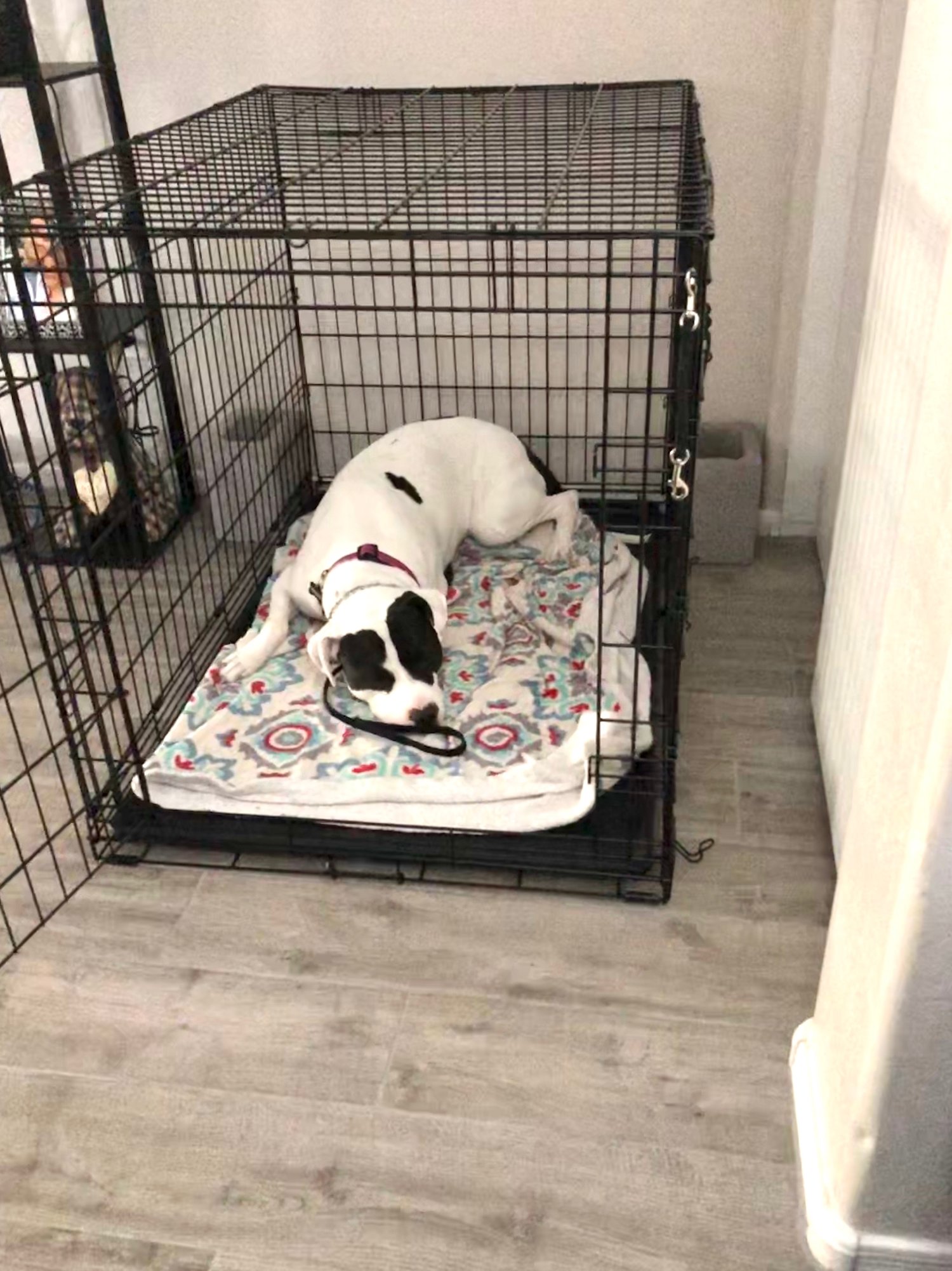
Credit: www.sadiesrulesk9training.com

Credit: www.skipperspetproducts.com
Frequently Asked Questions
What Is Crate Training For Dogs?
Crate training involves using a crate to create a safe space for your dog. It helps with house training and preventing destructive behaviors. The crate becomes a familiar place where your dog feels secure and relaxed. This method is effective for teaching boundaries and routines.
How Long Does Crate Training Take?
Crate training duration varies depending on the dog’s age and temperament. Most dogs learn in a few weeks with consistent practice. Puppies might take longer due to their shorter attention spans. Patience and consistency are key to successful crate training.
Can Crate Training Help With Housebreaking?
Yes, crate training is an effective tool for housebreaking. Dogs avoid soiling their sleeping area, promoting bladder control. Use the crate for short periods, gradually increasing time. Always take your dog outside immediately after crate time to reinforce proper bathroom habits.
What Size Crate Should I Get?
Choose a crate that’s large enough for your dog to stand, turn, and lie down comfortably. A too-large crate can lead to accidents, while a too-small crate can cause discomfort. Adjustable crates are ideal for growing puppies, allowing you to change the space as they grow.
Conclusion
Crate training your dog builds trust and security. It creates a safe space. Dogs learn routines through crate training. They understand boundaries and feel protected. Consistency is key for success. Patience helps your dog adjust comfortably. Use positive reinforcement for effective learning.
Celebrate small achievements and progress. Crate training doesn’t happen overnight. It requires time and dedication. Your dog will appreciate the effort. A well-trained dog is happier and healthier. Enjoy the journey of crate training. Strengthen the bond with your furry friend.
A happy pet makes a happy home.


