How to Size a Harness for a Dog: Expert Tips
Senior Canine Nutritionist & Dog Behavior Specialist at Cozy Dog Go Wellness Lab
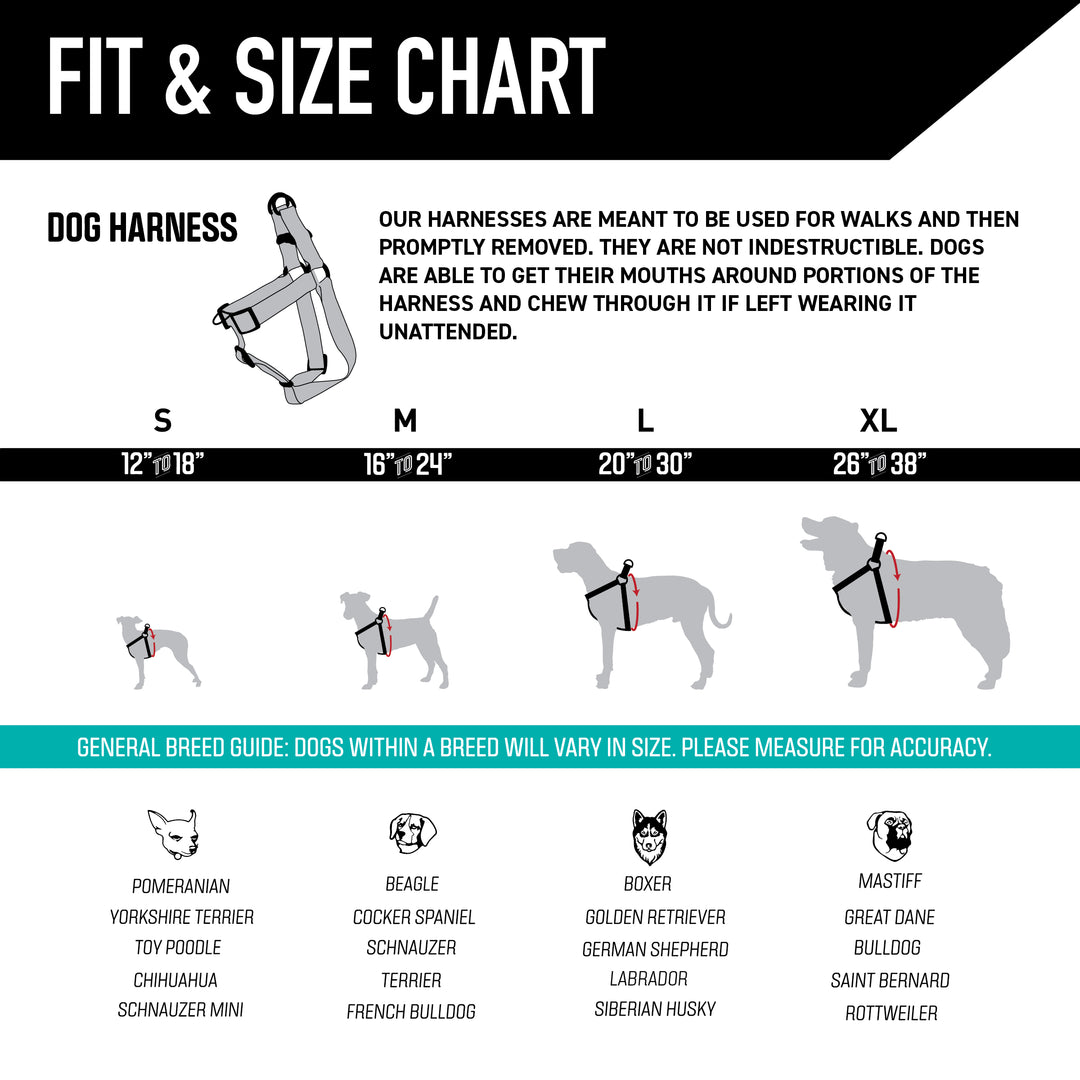
Are you struggling to find the perfect harness for your dog? Getting the right fit isn’t just about comfort; it’s essential for your dog’s safety and well-being.
An ill-fitting harness can cause discomfort, restrict movement, or even lead to injuries. But don’t worry, you’re not alone, and we’re here to help. We’ll guide you step-by-step through the process of sizing a harness for your furry friend, ensuring a snug fit that keeps them safe and happy.
You’ll discover tips and tricks that make measuring a breeze and learn how to avoid common pitfalls. So, if you want to keep your dog both secure and stylish, keep reading to unlock the secrets of harness sizing!
Choosing The Right Harness Type
Choosing the right harness type ensures comfort and safety for your dog. Measure your dog’s chest and neck accurately. Select a design that fits well without restricting movement.
Choosing the right harness type for your dog is crucial. Each type serves different purposes and fits various needs. Understanding these variations ensures comfort and safety for your furry friend. Let’s explore the options available.Step-in Vs. Overhead
Step-in harnesses are easy to use. Your dog steps into the loops, and you secure it. This type suits dogs who dislike objects going over their heads. It offers a snug fit and is perfect for calm dogs. Overhead harnesses go over the dog’s head and then clip around the body. They provide a secure fit and are great for energetic dogs. This style is ideal for those who need more control.Front-clip Vs. Back-clip
Front-clip harnesses have a leash attachment at the front. They help reduce pulling by steering the dog sideways. This makes them excellent for training and improving walking behavior. Back-clip harnesses have the leash attachment on the back. They offer more freedom and comfort for the dog. Suitable for well-trained dogs that walk calmly.Specialty Harnesses
Specialty harnesses cater to specific needs. Reflective harnesses enhance visibility at night. Great for evening strolls. Car safety harnesses keep dogs secure during travel. They’re designed to attach to seatbelts. Perfect for road trips. Medical harnesses provide support for injured or elderly dogs. They assist with mobility, ensuring comfort.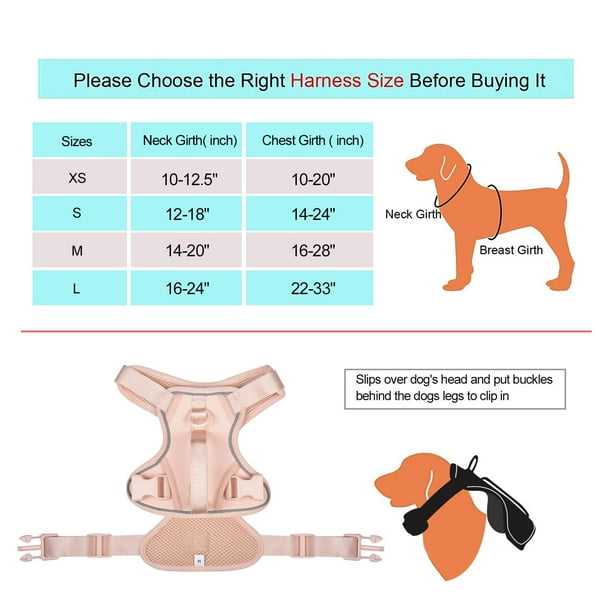
Credit: www.walmart.ca
Measuring Your Dog
Start by measuring your dog’s chest girth and neck. Use a soft tape measure for accuracy. This ensures the harness fits comfortably and securely.
Measuring Your Dog Sizing a harness for your dog isn’t just about comfort; it’s about safety and control. A well-fitted harness can make all the difference during walks, ensuring your dog is secure yet free to move. But how do you achieve the perfect fit? It starts with accurate measurements. Here’s how to measure your dog for a harness like a pro.Necessary Tools
To begin, gather a flexible measuring tape. This is crucial for getting precise measurements of your dog’s body. If you don’t have one, you can use a piece of string and measure it against a ruler. You might also want to have a notepad handy. Jotting down measurements ensures you don’t have to rely on memory, especially if you’re comparing different harness brands later.Key Measurement Areas
There are three main areas to focus on: the neck, chest, and length. The neck measurement is taken at the widest part, where a collar would naturally sit. Ensure the tape is snug but not tight. The chest is the most critical area for harness sizing. Measure just behind the front legs, wrapping the tape around the widest part. It’s often helpful to let your dog stand naturally to get an accurate chest measurement. Finally, consider the length. Measure from the base of the neck to the base of the tail. While not all harnesses require length, knowing it helps if you’re choosing between different types.Common Mistakes
One common mistake is measuring too tightly. Leave room for two fingers under the tape to ensure comfort. A too-tight harness can cause discomfort and restrict movement. Another pitfall is skipping the chest measurement. Many assume the neck size is enough, but the chest dictates the overall fit. Ignoring this can lead to buying a harness that’s either too loose or too restrictive. Lastly, don’t forget your dog’s weight. While measurements are crucial, many brands use weight as an additional sizing factor. Misjudging this can lead to an ill-fitting harness that doesn’t support your dog properly. Have you ever thought about how your dog’s breed might affect harness fitting? Breed-specific body shapes can impact the measurement, so keep this in mind when choosing a harness.Adjusting The Harness
Adjusting the harness correctly ensures a comfortable fit for your dog. Measure around their chest and neck. Ensure two fingers can slide under the harness for optimal comfort and security.
Adjusting a dog harness is crucial for comfort and safety. A well-fitted harness ensures your dog can move freely. It also prevents escape during walks. Here’s how to adjust your dog’s harness correctly.Strap Tightness
Strap tightness is vital for a secure fit. You should fit two fingers between the strap and the dog’s body. This ensures comfort without being too loose. Check the tightness regularly, especially after your dog moves. Loose straps can lead to accidents.Correct Fit
A correct fit is essential for any harness. The harness should sit snugly on the dog’s chest. It should not rub against the skin. Observe your dog’s movements. The harness should not restrict walking or running. Adjust straps for the best fit.Safety Checks
Conduct safety checks to ensure everything is in place. Look for signs of wear on the harness. Ensure all buckles and clips are fastened securely. Check your dog’s skin for any irritation. Make adjustments if necessary. Safety checks guarantee a happy, safe walk.
Credit: safely-secured.com
Signs Of An Improper Fit
Ensuring a proper harness fit is essential for your dog’s comfort and safety. An ill-fitting harness can cause various issues for your pet. Recognizing these signs early helps prevent discomfort or injury. Let’s explore the signs that indicate an improper harness fit.
Behavioral Indicators
Dogs may show behavioral changes with an improper fit. They might resist wearing the harness or refuse to walk. Your dog might frequently stop or try to remove the harness. Increased anxiety or restlessness can also be a clue. Pay attention to these signs during walks.
Physical Signs
Look for physical signs on your dog’s body. Redness or chafing around the harness area is a concern. Check for fur loss where the harness sits. Swelling or indentations on the skin indicate too tight a fit. Ensure the harness doesn’t restrict movement.
Long-term Effects
Prolonged use of an improper harness can cause long-term issues. Joint pain or misalignment may develop. Skin infections can occur from constant irritation. Your dog might develop a negative association with walking. Avoid these by ensuring a proper fit.
Tips For Different Breeds
Selecting the right harness size for your dog’s breed ensures comfort and safety. Measure your dog’s chest and neck accurately. Consider breed-specific needs, like extra padding for larger dogs or adjustable straps for growing puppies.
Sizing a harness for your dog can be a perplexing task, especially when considering the unique needs of different breeds. Whether your furry friend is a small Chihuahua or a large Great Dane, understanding how to measure them accurately for a harness is crucial for their comfort and safety. Each breed carries unique body characteristics that demand attention when choosing the right fit. Are you sure you’ve considered the unique needs of your breed?Small Breeds
Small breeds like Dachshunds and Chihuahuas require harnesses that support their delicate frames without being overwhelming. Look for lightweight materials that won’t weigh them down, and ensure the harness fits snugly without being too tight. A friend of mine once chose a harness that was a bit too large for her Chihuahua, leading to uncomfortable chafing. Measure around the widest part of their chest and neck, and choose adjustable harnesses to accommodate any slight changes in size. You might want to invest in a harness with a soft lining to prevent skin irritation.Large Breeds
Large breeds such as German Shepherds and Labradors need sturdy harnesses that can handle their strength and size. Opt for harnesses with reinforced stitching and durable buckles. Remember, a harness too tight can restrict movement, while one too loose might lead to escapes. Measure the circumference of the chest and neck, and ensure the harness allows for a few fingers’ width for comfort. Have you ever noticed how your dog reacts to a new harness? Keeping an eye on their behavior can reveal whether the harness is a good fit.Unique Body Shapes
Breeds with unique body shapes, like Bulldogs or Greyhounds, may present specific challenges. Bulldogs often require harnesses that accommodate their wide chests, while Greyhounds need designs that cater to their long, slender bodies. Consider harnesses specifically designed for these breeds, ensuring they don’t restrict breathing or movement. A friend once struggled with finding a harness for her Greyhound until she found a model tailored to long-bodied dogs. Have you thought about how a breed-specific harness could make a difference for your unique dog? Keeping these tips in mind can transform your dog’s walking experience from a struggle to a stroll in the park.Harness Maintenance
Maintaining your dog’s harness is essential for safety and comfort. A well-maintained harness ensures a secure fit and long-lasting use. Regular cleaning and inspection can prevent wear and tear, keeping your dog safe during walks. Let’s explore the best practices for harness maintenance.
Cleaning Guidelines
Regular cleaning extends the harness’s lifespan and hygiene. Use mild soap and warm water for washing. Avoid harsh chemicals, which can damage the material. Rinse thoroughly to remove all soap. Let the harness air dry completely before using it again. This prevents mold and maintains the harness’s strength.
Wear And Tear
Inspect the harness for signs of wear and tear. Check for frayed edges, weakened stitching, or broken buckles. These issues compromise safety and should be addressed immediately. Regular inspections help catch problems early. Keeping the harness in good condition ensures your dog’s safety.
Replacement Indicators
Know when it’s time to replace the harness. If the material feels stiff or brittle, it’s time for a new one. A loose fit, despite adjustments, signals wear. Damaged or missing components mean it’s no longer safe. Regularly updating the harness ensures your dog’s security and comfort. Keep an eye on these indicators for your pet’s well-being.
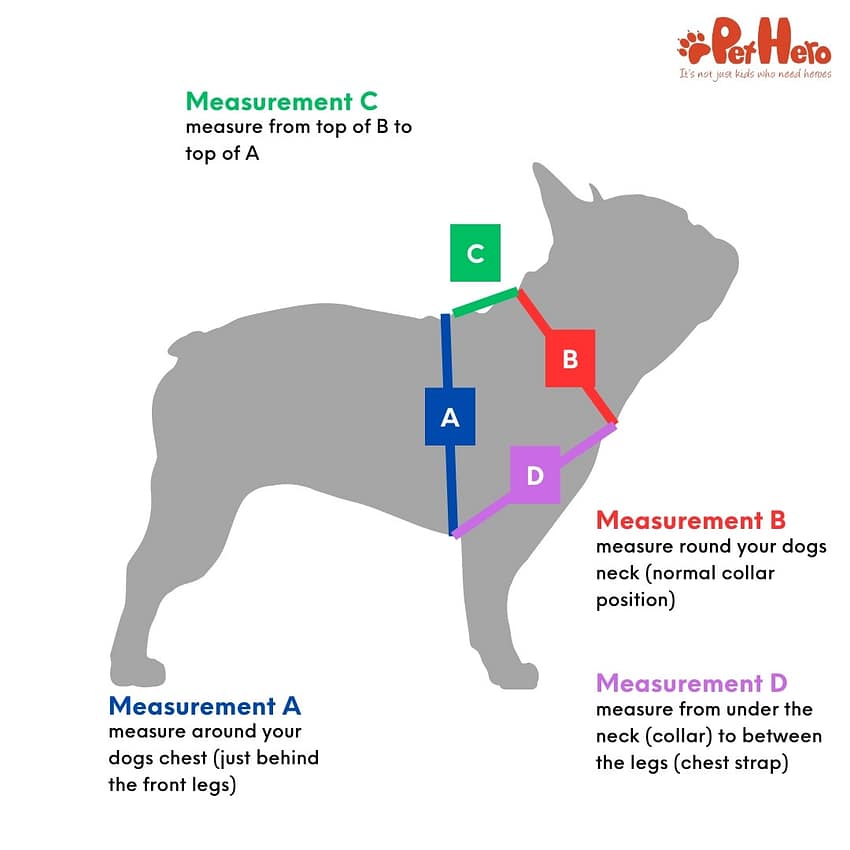
Credit: pethero.co.za
Frequently Asked Questions
How Do I Measure My Dog For A Harness?
To measure your dog, use a flexible tape measure. Measure around the widest part of their chest. Also, measure the circumference of their neck. These measurements will help you choose the right harness size. Always refer to the manufacturer’s sizing chart for accuracy.
What If My Dog’s Harness Is Too Tight?
If the harness is too tight, it can cause discomfort and restrict movement. Check for two-finger spacing between the harness and your dog’s body. If you can’t fit two fingers, consider adjusting or buying a larger size. A proper fit ensures your dog’s safety and comfort.
Can I Use A Harness For All Dog Breeds?
Yes, harnesses are suitable for all breeds, but sizes vary. Choose a harness style that fits your dog’s size and activity level. Some breeds may require specific designs due to body shape. Always ensure a secure and comfortable fit to prevent escape and injury.
How Often Should I Check The Harness Fit?
Regularly check the harness fit, especially if your dog is growing. Puppies may need adjustments every few weeks. For adult dogs, check monthly or after grooming. A proper fit ensures comfort and security. Adjust the harness as needed to accommodate any changes in your dog’s size or weight.
Conclusion
Getting the right harness size ensures your dog’s comfort and safety. Measure your dog carefully. Check the fit regularly as your dog grows. Consider the harness style that suits your dog’s needs. Always prioritize quality and adjust the harness for a snug fit.
A well-fitted harness prevents injuries and enhances walking experiences. Your dog deserves a secure, comfortable harness. Choose wisely and enjoy happy, safe walks together. Make sure your dog can move freely. Remember, a good fit leads to a happy dog.

Similar Posts