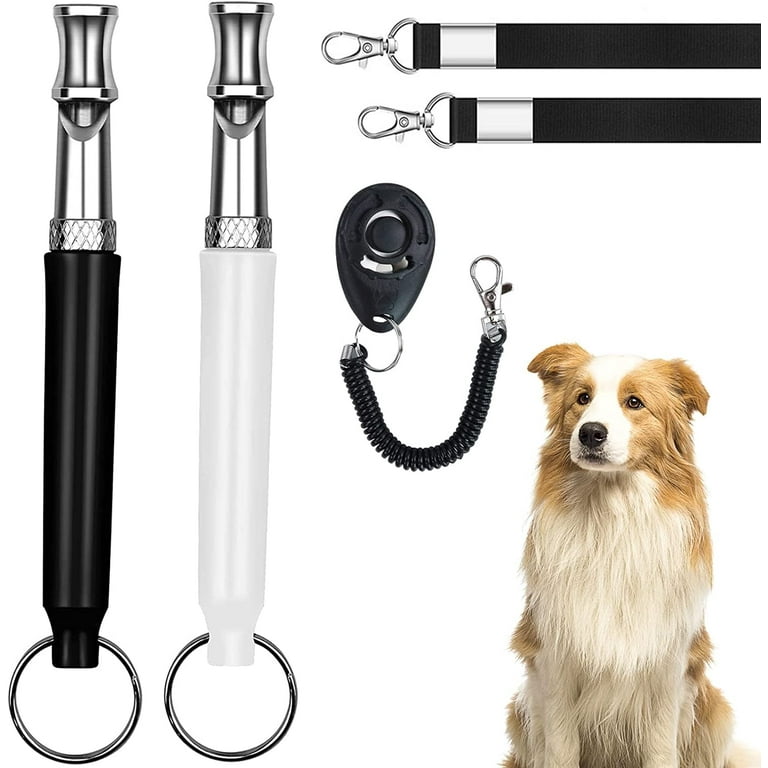
Will Dog Whistles Stop Dogs from Barking: Myth or Reality?
Senior Canine Nutritionist & Dog Behavior Specialist at Cozy Dog Go Wellness Lab
Are you tired of the endless barking that seems to echo through your home? You’re not alone.
Many dog owners face this noisy challenge daily and are left searching for a peaceful solution. One tool that frequently comes up in discussions is the dog whistle. But do these seemingly magical devices actually work to stop your dog’s barking?
Before you invest in this high-pitched gadget, let’s explore the science and effectiveness behind dog whistles. Discover whether they can truly offer the tranquility you and your furry friend deserve. Dive deeper into this article to find out how you can finally enjoy some much-needed quiet time.
Dog Whistles Explained
Dog whistles have long been used as a training tool to communicate with dogs. Their high-pitched sound is often inaudible to humans but can catch a dog’s attention effectively. But how exactly do these whistles work, and can they truly stop a dog from barking?
How Dog Whistles Function
Dog whistles emit a sound at a frequency that dogs can hear, typically ranging between 16,000 to 22,000 Hz. This sound can be used to grab your dog’s attention without disturbing others. Unlike regular commands or noises, this frequency is specially tuned to the canine hearing range, making it a unique communication tool.
Why Dogs Respond To Dog Whistles
Dogs have acute hearing capabilities, far beyond human limits. This heightened sensitivity allows them to detect the sharp sound of a whistle even amidst various distractions. The novelty of the sound can interrupt unwanted behaviors like barking, redirecting their focus to you instead.
Training With Dog Whistles
Consistency is key when using dog whistles for training. You need to pair the whistle sound with commands or actions regularly. For instance, blowing the whistle before giving a treat can condition your dog to associate the sound with positive reinforcement.
Potential Challenges
Not every dog will respond the same way to a whistle. Some may be indifferent, while others might react strongly. You should observe your dog’s response and adjust your training strategy accordingly. It’s crucial to be patient and persistent.
Personal Experience With Dog Whistles
In my experience, using a dog whistle to halt excessive barking worked wonders with my Labrador. Initially skeptical, I found that consistent use during training sessions helped reinforce commands. This tool became an integral part of our daily routine, enhancing communication and reducing noise.
Is A Dog Whistle Right For Your Dog?
Consider your dog’s personality and needs. If you’re struggling with excessive barking, a dog whistle might be worth trying. But remember, it’s not a magic solution. Combining it with other training methods can yield the best results. Have you tried using a dog whistle before? How did your dog respond?
How Dog Whistles Work
Understanding how dog whistles work can be the key to unlocking a quieter environment for both you and your furry friend. These small devices emit sounds that are often inaudible to the human ear but can grab a dog’s attention. If you’ve ever felt perplexed by your dog’s barking, you might wonder how a simple whistle could influence their behavior. Let’s dive into the science behind it.
Frequency Range
Dog whistles operate at a frequency range typically between 16,000 to 22,000 Hertz. This is a pitch much higher than the average human ear can detect. You might be wondering why these frequencies are chosen. It’s because dogs have evolved to hear higher-pitched sounds, which is why these whistles can be effective in training and curbing unwanted barking.
Imagine a dog whistle as a secret signal between you and your dog. The high-frequency sound is like a gentle tap on the shoulder, catching their attention without alarming them. It’s subtle yet effective, allowing you to communicate commands or distract them from incessant barking.
Human Vs. Dog Hearing
The human hearing range typically spans from 20 to 20,000 Hertz. Most adults can’t hear frequencies above 17,000 Hertz. So, when you blow a dog whistle, you might not hear a thing. But your dog, with a hearing range extending up to 45,000 Hertz, will definitely notice.
Think about this: your dog’s hearing is like having a built-in satellite dish. They can pick up sounds that are miles away or frequencies that are imperceptible to humans. This ability is why a dog whistle can be an effective tool; it cuts through distractions and directly communicates with your dog.
Have you ever tried to get your dog’s attention in a noisy park? A dog whistle might be your ally, cutting through the chaos and directly engaging your dog. But keep in mind, every dog is different. Some might respond immediately, while others might need consistent training to associate the whistle with specific commands.
Barking Behavior In Dogs
Understanding barking behavior in dogs is crucial for any dog owner. Barking is a natural form of communication, yet it can sometimes become excessive or disruptive. Knowing why dogs bark and the different types of barking can help you address the issue effectively.
Reasons Dogs Bark
Dogs bark for a variety of reasons, and each bark carries its own meaning. Common reasons include:
- Alertness:When your dog hears unfamiliar sounds, it might bark to alert you. It’s their way of being protective.
- Boredom:A dog left alone for long periods might bark out of sheer boredom. This is their call for interaction and stimulation.
- Anxiety:Separation anxiety can lead to incessant barking. Dogs express distress when they feel insecure or lonely.
Have you noticed any specific triggers for your dog’s barking? Understanding these reasons can help tailor your approach to curb excessive barking.
Types Of Barking
Different types of barking can indicate various needs or emotions. Recognizing these can be the first step towards managing them:
- Territorial Barking:This occurs when dogs feel their space is threatened. You’ll often hear this when someone approaches your home.
- Attention-Seeking Barking:If your dog barks when you’re busy or distracted, it might be seeking your attention.
- Playful Barking:During playtime, dogs often bark out of excitement. This is typically high-pitched and joyful.
Each type of bark tells a story. Have you ever wondered what your dog might be trying to communicate? Identifying these types can help in choosing an effective strategy to address excessive barking.

Credit: www.amazon.co.uk
Dog Whistles And Barking
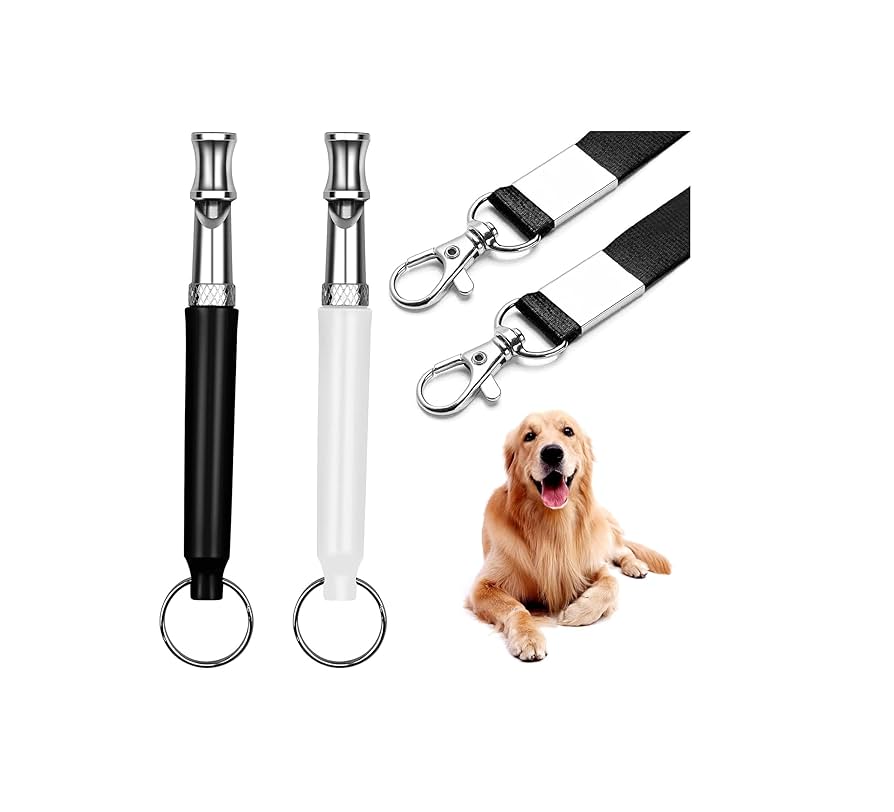
Dog whistles can sometimes stop barking by grabbing a dog’s attention. They emit high-frequency sounds that are often inaudible to humans. Results vary, as some dogs may ignore the sound or bark more out of curiosity.
Dog Whistles and Barking Using dog whistles as a tool to curb excessive barking can be intriguing for many dog owners. These high-pitched tools, unheard by humans, are designed to capture a dog’s attention without causing harm. But do they really work to stop barking?Training Techniques
Training your dog with a whistle involves consistency and patience. Start by associating the whistle sound with a command, like “quiet.” Every time your dog barks unnecessarily, blow the whistle and reward them when they stop. Using positive reinforcement is key. Praising your dog or giving them a treat when they respond correctly encourages them to repeat the behavior. Have you ever tried combining whistles with other commands to amplify training? It might just be the trick you need.Effectiveness
The effectiveness of dog whistles varies. Some dogs respond immediately, while others may be indifferent. It’s essential to understand your dog’s personality and adapt the training accordingly. Consider this: if your dog is barking due to anxiety or fear, a whistle might not solve the problem. Addressing the root cause of the barking could be more beneficial. Have you noticed any patterns in your dog’s barking behavior that a whistle could help with? Dog whistles can be a valuable tool in your training arsenal, but they’re not a one-size-fits-all solution. Engaging with your dog and understanding their needs will lead to better results. What other methods have you found effective in controlling barking?Scientific Studies
Understanding the science behind dog whistles is essential if you’re considering them as a solution to stop your dog’s barking. While the concept might seem straightforward, the reality is more complex. Studies have been conducted to assess the effectiveness of these tools, offering insights that can help you make informed decisions.
Research Findings
Scientific studies on dog whistles have produced mixed results. Some research indicates that dog whistles can be effective in certain situations, particularly when used consistently as a part of training. For instance, a study published in the Journal of Applied Animal Behaviourfound that dogs responded to dog whistles when paired with rewards and consistent commands.
However, the effectiveness often depends on factors like the dog’s breed, temperament, and previous training. Not all dogs respond to the high-frequency sound of a whistle, especially if they are not accustomed to such stimuli.
Expert Opinions
Experts in canine behavior have varying opinions about the use of dog whistles. Some trainers advocate for their use, suggesting that they can be a valuable tool in a trainer’s toolkit. They recommend using whistles in combination with positive reinforcement to achieve the best results.
On the other hand, some experts caution against relying solely on dog whistles. They argue that understanding the root cause of your dog’s barking is crucial. Addressing environmental factors or anxiety might be more effective than using sound-based tools.
Ultimately, could a dog whistle be the answer for you? It might be worth experimenting, but it’s equally important to understand your dog’s unique needs and consult with professionals if necessary.
Alternative Methods To Control Barking
While dog whistles are popular, they don’t always stop barking. Many owners seek alternative methods to manage their dog’s barking habits. These methods can be effective and humane, ensuring a peaceful environment for both the dog and its owner.
Behavioral Training
Behavioral training focuses on understanding the root cause of barking. Dogs bark for many reasons, such as boredom, anxiety, or alertness. Identifying the reason helps in addressing the behavior effectively.
Positive reinforcement is key. Reward your dog for quiet behavior with treats or praise. This encourages them to remain calm. Consistency is important in training. Regular sessions help dogs learn faster and more effectively.
Environmental Adjustments
Changing the environment can significantly reduce barking. Ensure your dog has enough physical and mental stimulation. Provide toys that keep them engaged during the day.
Consider blocking external stimuli. Curtains or fences can reduce visibility of distractions. A quiet and comfortable space for your dog can also help. This allows them to feel secure and less prone to barking.
Pros And Cons Of Using Dog Whistles
Dog whistles can help train dogs by capturing their attention. Some dogs may stop barking, responding to the high-pitched sound. However, not all dogs react the same way, and some may ignore the whistle entirely.
Dog whistles are often advertised as a magic tool for curbing unwanted barking. But are they truly effective? Like any training tool, dog whistles come with their own set of advantages and disadvantages. Understanding these can help you decide if it’s the right choice for your furry friend.Advantages
Using a dog whistle is a humane way to address excessive barking. Unlike shock collars, whistles don’t harm your pet. They merely interrupt unwanted behavior with a sound only dogs can hear. Training with a whistle can be precise. You can teach your dog to associate specific commands with the whistle’s sound. This can be particularly useful in outdoor settings where voice commands might get lost in the noise. Dog whistles are versatile. They can be used for various training purposes, not just for stopping barking. Whether you’re teaching recall or other commands, a whistle can be a handy tool in your training kit.Disadvantages
Not all dogs respond to whistles the same way. Some may not be affected at all by the sound. This can lead to frustration if you don’t see immediate results. Overuse of the whistle can lead to desensitization. If your dog hears the whistle too often without a clear command, they might start ignoring it altogether. Training with a whistle requires consistency and patience. It’s not a quick fix. You need to be committed to the training process to see real improvements in your dog’s behavior. Before you decide to use a dog whistle, consider your dog’s unique personality and needs. Would they benefit more from a different training method?
Credit: eurotradefish.com

Credit: stoller.com.tr
Frequently Asked Questions
Do Dog Whistles Make Dogs Stop Barking?
Dog whistles can sometimes help reduce barking by catching a dog’s attention. They emit a high-frequency sound that humans can’t hear but dogs can. However, their effectiveness depends on the individual dog and situation. Consistent training alongside using a whistle can yield better results.
Are Dog Whistles Safe For Dogs?
Yes, dog whistles are generally safe for dogs when used correctly. They produce high-frequency sounds that aren’t harmful. However, excessive use or very high frequencies can be uncomfortable. It’s important to use them responsibly and observe your dog’s reaction to ensure their comfort and safety.
How Do Dog Whistles Affect Dogs?
Dog whistles work by emitting a sound that captures a dog’s attention. This sound can interrupt unwanted behaviors like barking. The high-frequency sound is usually not irritating but is noticeable to dogs. Proper training with whistles can help reinforce commands and reduce unwanted behaviors over time.
Can All Dogs Hear Dog Whistles?
Most dogs can hear dog whistles as they detect sounds in higher frequencies than humans. However, factors like age and hearing ability can affect a dog’s response. Older dogs or those with hearing issues might not react. Testing with your dog can help determine their sensitivity to whistle sounds.
Conclusion
Dog whistles can help reduce barking in some cases. They work by distracting the dog with a sound. Not all dogs react the same way to whistles, though. It’s important to test and see if it works for your dog.
Training and patience are key. Consistent use may help control barking over time. Always consider the dog’s comfort and well-being. Consult a trainer for personalized advice. Dog whistles are one of many tools available. Understanding your dog’s needs is crucial for success.
Keep experimenting to find the best solution.

Similar Posts