Imagine a world where your dog listens to your commands instantly, and you both share a stronger bond. It’s possible, and the secret lies in a small device called a clicker.
If you’ve ever felt frustrated by traditional training methods, you’re not alone. Many dog owners are turning to clicker training because it’s simple, effective, and rewarding for both you and your furry friend. Are you ready to discover how this little tool can transform your dog’s behavior and enhance your training sessions?
Keep reading, because you’re about to uncover the power of clicker training and learn how to harness it to bring out the best in your dog. Whether you’re a new dog parent or looking to refine your training techniques, this guide is tailored just for you.

Credit: k9connoisseur.com
Benefits Of Clicker Training
How to Train a Dog With a Clicker Clicker training offers a clear way to communicate with your dog. It reinforces good behavior with immediate rewards. This method helps in building a strong bond and enhances learning speed.
Training a dog with a clicker can be a game-changer for both you and your furry friend. This method enhances communication between you and your dog, creating a bond built on understanding and trust. Clicker training offers numerous benefits that make it an appealing choice for dog owners, from improving focus to making learning fun.Precision And Clarity
Clicker training provides precise feedback. The sound of the clicker marks the exact moment your dog performs the desired action. This clarity helps your dog understand exactly what behavior you’re rewarding. Imagine teaching your dog to sit. With a clicker, you can capture the moment their rear hits the ground, making it clear that sitting is the behavior you want.Faster Learning
Dogs tend to learn faster with clicker training. The immediate feedback from the clicker helps them associate their actions with rewards more quickly. Think about how quickly you remember things when you get instant feedback. It’s the same for your dog. The quicker they understand, the quicker they learn.Positive Reinforcement
Clicker training is based on positive reinforcement, which encourages good behavior rather than punishing bad behavior. This approach not only teaches your dog what to do but also builds a positive relationship. Would you rather be praised for doing something right or scolded for making a mistake? Dogs feel the same way. They thrive on positive interactions.Versatility
One of the greatest advantages of clicker training is its versatility. It can be used to teach basic commands, complex tricks, and even modify problem behaviors. Whether you’re teaching your dog to roll over or to stay calm when the doorbell rings, the clicker can help achieve these goals.Builds Confidence
Dogs trained with a clicker often show more confidence. The consistent rewards boost their confidence as they learn new skills. Confidence is key for dogs, especially in new or stressful situations. A confident dog is less likely to react out of fear and more likely to engage in positive behavior.Strengthens Bond
Clicker training strengthens the bond between you and your dog. The interactive nature of this training method fosters better communication and understanding. As you spend time training, you’re not just teaching commands—you’re building a relationship. This bond extends beyond training sessions, enriching your life together.Engaging And Fun
Clicker training makes learning enjoyable for both you and your dog. The process of learning through play keeps your dog engaged and eager to learn. Training sessions become something your dog looks forward to, rather than a chore. Who knew learning could be this much fun? Can you imagine the possibilities when your dog is eager to learn and you’re on the same page? With clicker training, those possibilities are endless.Choosing The Right Clicker
Choosing the right clicker is crucial for effective dog training. A clicker is a small device that makes a distinct sound. This sound marks correct behavior, helping your dog understand commands. Many clickers are available, each offering unique features. Selecting the right one ensures clear communication with your pet.
Quality And Durability
Choose a clicker that is built to last. Look for sturdy materials. A durable clicker withstands frequent use without breaking. Ensure the sound mechanism is reliable. Consistent sounds lead to better training results.
Sound Intensity
Consider the sound level of the clicker. Some clickers produce a louder click. Others may be softer. Loud clicks are suitable for outdoor training. Softer clicks work well indoors or for sensitive dogs. Adjust the sound to fit your dog’s needs.
Ease Of Use
Pick a clicker that is easy to operate. It should fit comfortably in your hand. Look for a design that allows quick, effortless clicking. This helps maintain your focus during training sessions. Avoid clickers with complicated mechanisms.
Additional Features
Some clickers come with extra features. Wrist straps keep the clicker handy. Some have volume adjustments. Others might include a training guide. These features can enhance your training experience. Choose features that benefit your specific needs.
Price Considerations
Clickers come in various price ranges. Set a budget before shopping. Remember, more expensive doesn’t mean better. Assess the features and quality before deciding. A well-chosen clicker can be affordable and effective.
Preparing For Training
Gather the essentials like a clicker and treats. Find a quiet space to focus your dog’s attention. Start with simple commands, rewarding immediately after each click.
Preparing for training your dog with a clicker is a crucial step that sets the foundation for a successful learning journey. It’s all about getting things right from the start to ensure a smooth and enjoyable process for both you and your furry friend. Being prepared not only saves time but also enhances the effectiveness of the training sessions.Gathering Supplies
First, let’s talk about supplies. Having the right tools on hand makes training much easier and more efficient. You will need a clicker, which is a small handheld device that makes a distinct clicking sound. It’s also essential to have a good stock of your dog’s favorite treats. These should be small, tasty morsels that your dog loves. Think of them as your dog’s reward for a job well done. Some trainers prefer to use a treat pouch, which keeps treats accessible and your pockets clean.Setting Up The Environment
Creating the right environment is key to a distraction-free training session. Choose a quiet space in your home or yard where your dog feels comfortable and safe. Make sure it’s free from distractions like toys, other pets, or loud noises. The goal is to have your dog’s full attention on you and the clicker. Consider the time of day as well. Is your dog more alert in the morning or after an afternoon nap? Timing can play a huge role in how effective your training session will be. Think about it this way: would you want to learn something new in a noisy, chaotic room? Neither does your dog. By ensuring a calm setting, you’re already halfway to success.
Credit: m.youtube.com
Introducing The Clicker
Training a dog with a clicker enhances communication and builds understanding. Clicker signals good behavior, making learning enjoyable. This effective method simplifies teaching commands, rewarding your dog promptly.
Introducing the Clicker Training your dog with a clicker can be a game-changer in building a strong, communicative bond with your furry friend. It’s all about timing and consistency, and the clicker serves as an effective tool to mark desired behaviors. But how do you introduce this small yet mighty device to your dog?Getting Familiar With The Sound
Start by simply clicking the clicker in your dog’s presence. Let them get accustomed to its unique sound. Observe their reaction closely. Some dogs might be startled initially, while others may not pay much attention. Repeat the sound at different times during the day. This helps your dog become familiar with it, ensuring it doesn’t come as a shock when used during training.Building Positive Associations
Pair the clicker sound with a treat immediately. Click and treat, click and treat. This creates a positive association for your dog. They learn that the sound of the click means something good is coming their way. You can also incorporate play or affection after the click. This reinforces the idea that the clicker is a positive part of their training routine. Ever wondered why some dogs learn tricks faster than others? It’s often the result of effective communication tools like the clicker. Remember, training with a clicker is not just about commands but also about building trust. How will you use it to strengthen your bond with your dog?Basic Commands With Clicker
Training a dog with a clicker is both fun and effective. Clicker training uses sound to signal correct behavior. It helps your dog learn faster and with less confusion. Basic commands are essential for every dog. They create a foundation for more advanced skills. Here are three key commands to teach with a clicker.
Teaching Sit
Begin with your dog standing. Hold a treat above its head. Move the treat slowly towards the back. As the dog follows the treat, its bottom will lower. Click the moment it sits and give the treat. Repeat until your dog sits on cue.
Teaching Stay
Start with your dog in a sitting position. Open your palm towards your dog and say, “Stay.” Step back one step. If your dog stays, click and treat. Gradually increase the distance and time. Practice until your dog stays reliably.
Teaching Come
Use a long leash for safety. Say, “Come,” and gently pull the leash. Click and treat when your dog reaches you. Repeat this exercise often. Eventually, practice without the leash. Reward every successful attempt.
Advanced Clicker Techniques
Advanced clicker techniques enhance dog training by using a click sound to mark desired behaviors. This method makes learning fun and effective for dogs, reinforcing positive actions quickly.
Training a dog with a clicker is an effective and fun way to communicate with your furry friend. Once you’ve mastered the basics, it’s time to explore advanced clicker techniques that can elevate your dog’s skills to new heights. These methods not only strengthen your bond but also challenge your dog’s mind, turning training sessions into an exciting game.Shaping Behaviors
Shaping behaviors involves breaking down complex actions into smaller, manageable steps. Imagine teaching your dog to roll over. Instead of expecting your dog to perform it right away, reward them with a click for each small movement towards the final behavior. Think of it like assembling a puzzle. You don’t need to see the whole picture right away. Start by clicking and treating when your dog lies down. Then, when they shift their weight to one side, click and reward again. Gradually, you build up to the complete roll over. Shaping requires patience and keen observation. Are you noticing how your dog responds to each step? Celebrate small wins. Your dog will love the challenge, and you’ll enjoy watching them learn and grow.Target Training
Target training is about teaching your dog to touch a specific object with their nose or paw. It’s a versatile skill with numerous practical applications. For example, you can teach your dog to press a button to open a door or to ring a bell when they need to go outside. Start with a simple target, like the end of a stick or your hand. Hold it close to your dog’s nose, and when they investigate, click and reward. Gradually increase the distance, encouraging your dog to move towards the target. This technique harnesses your dog’s natural curiosity. It enhances their ability to focus and follow directions. Plus, it’s a fantastic way to mentally stimulate your dog while reinforcing the clicker training foundation you’ve built. Advanced clicker techniques can transform your training sessions into a thrilling adventure. What new behaviors will you and your dog master next?Troubleshooting Common Issues
Training a dog with a clicker can sometimes present challenges. Common issues include timing errors and inconsistent commands. Patience and practice help in overcoming these obstacles, ensuring effective communication and better results.
Training a dog with a clicker can be rewarding. It offers clear communication between you and your dog. Yet, issues can arise during training. Troubleshooting these problems is key to successful clicker training. Below are some common issues and solutions.Overcoming Fear Of Clicker
Some dogs might fear the clicker sound. This fear can hinder training progress. To solve this, try using a quieter clicker. Some clickers have adjustable volume settings. Begin with the lowest setting. Alternatively, use a ballpoint pen to mimic the clicker sound. Gradually increase the volume over time. Pair the sound with positive reinforcement. Treats or praise work well. This helps your dog associate the sound with good experiences.Ensuring Consistency
Consistency is crucial in clicker training. Inconsistent clicks confuse dogs. Always click at the right moment. Timing matters. Click immediately when your dog performs the desired behavior. Practice timing with simple commands. Use consistent cues for each command. This makes understanding easier for your dog. Regular practice sessions boost consistency. Short, frequent sessions work best. They prevent boredom and keep your dog engaged.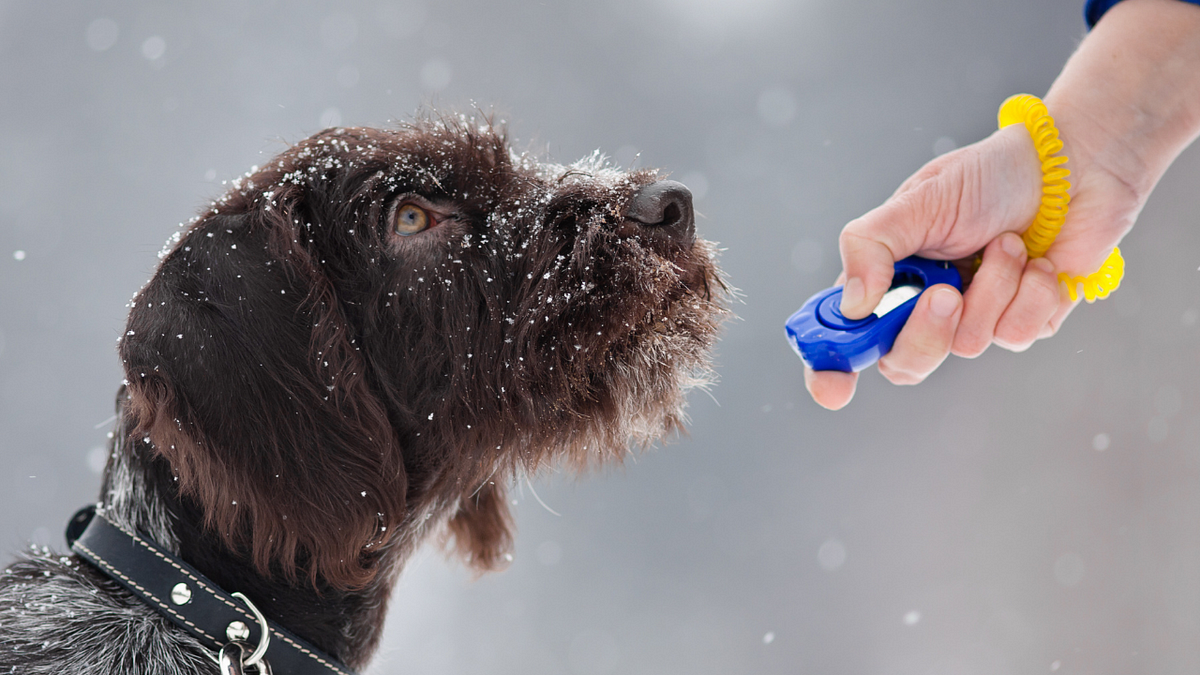
Credit: ullery-lisa.medium.com
Maintaining Training Progress
Maintaining training progress with a clicker involves consistent practice and rewards. Reinforce positive behavior with treats and praise. Keep sessions short and fun to hold your dog’s attention.
Maintaining training progress with your dog requires consistency and creativity. After mastering basic commands with a clicker, your dog is ready for more challenges. How can you ensure your furry friend continues to learn and stay engaged? Let’s delve into strategies to reinforce learned commands and introduce new challenges that keep your dog’s training fresh and exciting.Reinforcing Learned Commands
Repetition is key to solidifying your dog’s understanding of commands. Regular practice sessions, even short ones, can help reinforce what your dog has learned. Think about rewarding your dog randomly for commands they already know. This keeps them on their toes and eager to comply. Consider incorporating these commands into everyday activities. For instance, ask your dog to sit before meals or lie down before a walk. This not only reinforces the command but also integrates it into their routine.Adding New Challenges
Once your dog has mastered the basics, gradually introduce more complex tasks. Start with simple variations of known commands. If your dog can sit, try teaching them to sit and stay until released. Introducing new environments can also be a beneficial challenge. Training in different settings, like a park or a friend’s house, can test your dog’s ability to follow commands amidst distractions. Why not add fun tricks? Teaching your dog to roll over or shake a paw can be a great way to add variety and excitement to training sessions. Keep sessions short and positive to maintain their enthusiasm.Frequently Asked Questions
What Is Clicker Training For Dogs?
Clicker training is a positive reinforcement method using a small device that makes a clicking sound. The click marks the desired behavior in dogs, followed by a reward. This technique helps in clear communication between you and your dog, making training more effective and enjoyable.
How Do You Start Clicker Training?
Begin by associating the click sound with a treat for your dog. Click and immediately give a treat, repeating several times. Once your dog understands the association, use the clicker to mark desired behaviors. This approach will help your dog learn commands more quickly.
Why Use A Clicker For Dog Training?
Clickers provide a consistent and precise way to mark good behavior in dogs. Unlike voice commands, clicks sound the same every time, avoiding confusion. This consistency helps dogs understand what is expected, leading to faster learning and a stronger bond with their owner.
How Effective Is Clicker Training?
Clicker training is highly effective due to its positive reinforcement approach. Dogs learn faster because they clearly understand which behaviors earn rewards. This method also strengthens the bond between the dog and owner. Many trainers prefer clicker training for its efficiency and humane approach.
Conclusion
Training a dog with a clicker can be simple and fun. Consistency is key. Practice regularly for best results. Your dog will learn quickly. Remember, patience is important. Celebrate small successes. Reward your dog with treats and praise. This strengthens your bond.
Clicker training offers clear communication. Dogs understand your commands better. It’s a positive method. Suitable for all dogs. Build trust through training. Watch your dog’s progress over time. Enjoy the process together. Soon, you’ll have a well-trained pet. Happy training!