Are you tired of struggling with a leash every time you take your furry friend for a walk? Do you worry about the strain a collar puts on your dog’s neck?
You’re not alone. Many dog owners face these challenges daily, and there’s a simple solution: a dog harness. This tool not only ensures your pet’s safety but also transforms your walking experience into a joyful routine. Imagine feeling confident and relaxed during your strolls, knowing your dog is secure and comfortable.
You’ll discover how to use a dog harness effectively. Dive in and learn how to choose the right harness, fit it properly, and enjoy happier walks with your beloved companion. Your dog’s comfort and safety are just a few steps away.

Credit: www.amazon.com
Choosing The Right Harness
Choosing the right harness for your dog is more than just picking a piece of equipment. It’s about ensuring your dog’s safety and comfort while making walks more enjoyable. The right harness can enhance your dog’s walking experience and reduce stress for both of you. So, how do you choose the perfect one?
Types Of Dog Harnesses
Dog harnesses come in various styles, each designed for specific needs. The back-clip harnessis popular for everyday walks, offering simple attachment and control. Front-clip harnessesare ideal for dogs that pull, promoting better steering. For adventurous pups, the dual-clip harnessno-escape harness, designed to prevent slipping out.
Factors To Consider
- Size and Fit:Measure your dog’s chest and neck accurately. A well-fitted harness should be snug but not too tight, allowing room for two fingers between the strap and your dog’s body.
- Material:Opt for durable materials like nylon or neoprene. They’re not only tough but also comfortable. Make sure the harness is easy to clean, especially if your dog enjoys muddy adventures.
- Ease of Use:Look for harnesses that are easy to put on and take off. Quick-release buckles and adjustable straps can save you time and frustration.
- Special Features:Some harnesses come with reflective strips for night walks, while others have padded sections for extra comfort. Consider what features will enhance your dog’s walking experience.
As you explore different harness types and features, think about your dog’s specific needs. Is your dog a puller, a wanderer, or a calm walker? The answers will guide you in making the right choice. Remember, a happy dog on a walk means a happy you. What does your dog need to make walks more enjoyable? Choose wisely, and both you and your pup will benefit.
Sizing Your Dog For A Harness
Choosing the right harness for your dog is crucial. A proper fit ensures safety and comfort during walks. Sizing your dog correctly will prevent discomfort and potential escape. Follow these steps to measure and adjust the fit of your dog’s harness.
Measuring Your Dog
Use a flexible tape measure for accuracy. First, measure your dog’s chest. Wrap the tape around the widest part, usually behind the front legs. Note this measurement. Next, measure the neck. Place the tape around the base, where the neck meets the shoulders. Record this measurement too. These numbers will help you find the right size.
Adjusting The Fit
Once you have the harness, try it on your dog. Check the chest and neck straps. Ensure they sit snug but not tight. You should be able to fit two fingers under each strap. Adjust the straps for comfort. Make sure the harness doesn’t rub or pinch. Check your dog’s movement. It should be natural and unrestricted. Adjust the fit as your dog grows or changes weight. Regular checks keep your dog safe and comfortable.
Putting On The Harness
Secure the dog harness by slipping it over the dog’s head and fastening the straps snugly. Ensure the harness fits well, allowing space for two fingers between the strap and the dog’s body. Finally, adjust for comfort and attach the leash securely to the harness ring.
Putting on a dog harness can be simple with the right steps. A harness provides better control and comfort for your dog. Before you start, make sure to stay calm. Your dog senses your emotions, so be patient and gentle.Getting Your Dog Ready
Create a relaxed environment for your dog. Speak in a soothing voice. Offer treats to encourage cooperation. Let your dog sniff the harness. This helps them feel comfortable with it. Ensure the harness fits well. It should not be too tight or too loose.Step-by-step Instructions
- Position the harness on the ground.
- Guide your dog’s head through the neck opening.
- Gently lift each leg into the harness loops.
- Adjust the straps for a snug fit.
- Secure the buckles, ensuring they click into place.
- Check the fit by sliding two fingers under the straps.
- Reward your dog with treats and praise.
Training Your Dog To Use A Harness
Teaching your dog to use a harness can make walks more enjoyable. Begin by letting your dog sniff the harness, then slowly secure it. Ensure a snug fit without being too tight, allowing two fingers to slip underneath for comfort.
Training your dog to use a harness can be a rewarding experience for both you and your furry friend. A harness offers better control and comfort compared to a traditional collar, but getting your dog accustomed to it requires patience and consistency. Whether you’re a seasoned pet owner or a first-time dog parent, understanding the best training methods can make the process smoother.Positive Reinforcement Techniques
Positive reinforcement can work wonders in training your dog to use a harness. Offer treats and praise as you introduce the harness, associating it with good things. You could start by letting your dog sniff and explore the harness, rewarding them for showing interest. Once they’re comfortable, gently place the harness on them without fastening it. Give them a treat for staying calm. This can help them associate the harness with positive experiences, making them more likely to accept wearing it in the future.Dealing With Resistance
Resistance is natural when introducing something new to your dog. If your dog seems hesitant or backs away, don’t force the harness on them. Instead, take a step back and give them time to adjust. Be patient and try to understand why they might be resisting. Maybe it’s the feel of the harness or the process of putting it on. You can adjust your approach by making the process more gradual, rewarding them for small steps towards wearing the harness. Have you ever wondered how your own patience can influence your dog’s behavior? Consistency and calmness in your approach can reassure your dog and build their trust over time. Remember, every dog is different, and finding what works best for your pup can be a journey worth taking.Safety Tips For Harness Use
Ensuring your dog’s safety while using a harness is crucial. Proper harness use prevents injury and discomfort for your furry friend. Follow these tips to keep your dog safe and comfortable.
Avoiding Common Mistakes
Many pet owners make simple mistakes with dog harnesses. Always check the harness size before use. A too-tight harness can cause pain, while a loose one may slip off. Pay attention to how you fasten the harness. Incorrect fastening can lead to accidents.
- Check straps for wear and tear.
- Ensure all buckles are securely fastened.
- Avoid connecting the leash to weak points.
Monitoring Comfort And Fit
Your dog’s comfort is a top priority. Regularly check the fit of the harness. A properly fitted harness allows two fingers to slide under the straps. Watch your dog’s behavior for signs of discomfort. If your dog scratches or bites at the harness, it might be too tight.
- Adjust the harness as your dog grows.
- Choose materials that are gentle on the skin.
- Ensure the harness does not rub against sensitive areas.
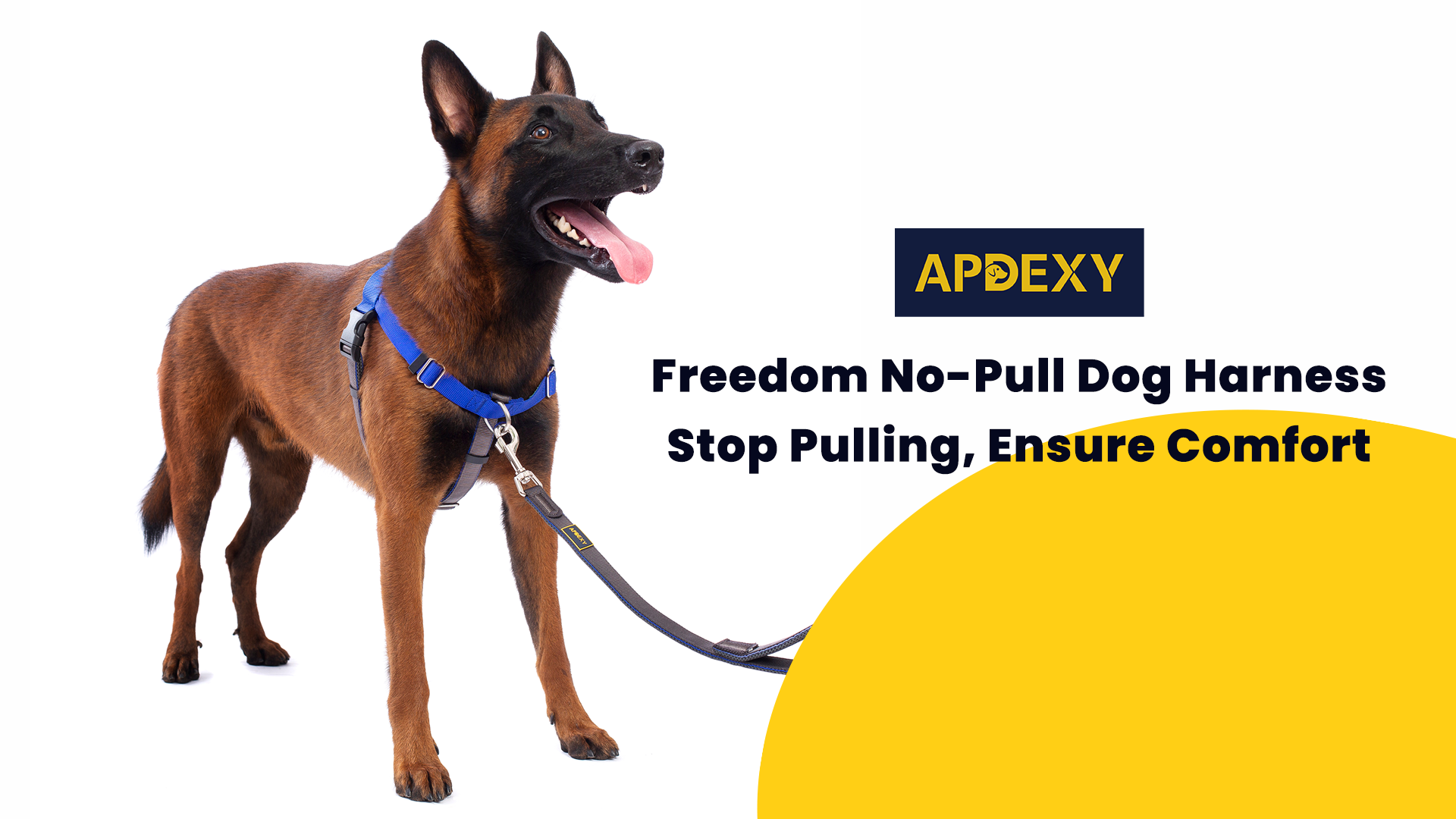
Credit: www.amazon.com
Maintaining And Cleaning The Harness
Regular cleaning ensures your dog’s harness remains in top condition. Hand wash with mild detergent and let it air dry. Inspect for wear and tear to keep it safe and comfortable for your furry friend.
Maintaining and cleaning your dog’s harness is essential to ensure its longevity and to provide comfort for your furry friend. A well-kept harness not only looks good but also guarantees safety during your daily adventures. Imagine your dog pulling you excitedly towards the park with a clean, fresh-smelling harness. It’s a small thing that makes a big difference in your outings. Let’s dive into how you can keep your dog’s harness in top shape.Regular Inspections
Inspect the harness often. Look for signs of wear and tear. Check buckles, clips, and straps for any damage. If you notice fraying or weakening material, consider replacing the harness to avoid any mishaps. A quick check before each use can prevent unexpected failures.Cleaning Methods
Cleaning the harness is straightforward. Use mild soap and warm water. Scrub gently with a soft brush to remove dirt and grime. Rinse thoroughly to ensure no soap residue irritates your dog’s skin. Air drying is best, as it preserves the material’s integrity. A clean harness not only benefits your dog but also reflects your care as an owner. Is there a particular method you find effective in keeping your dog’s harness clean? Share your thoughts and experiences below!
Credit: www.amazon.com
Frequently Asked Questions
How Do I Fit A Dog Harness?
To fit a dog harness, first loosen all straps. Place the harness over your dog’s head or step-in. Adjust straps for a snug fit, ensuring comfort and mobility. Check for two-finger space between the harness and dog. Regularly check fit as your dog may grow or lose weight.
Can A Harness Hurt My Dog?
A poorly fitted harness can cause discomfort or injury. Ensure it’s not too tight or loose. Check for chafing spots and adjust accordingly. Choose a harness with padding for sensitive areas. Regularly inspect for wear and tear. Consult a vet if you notice skin irritation or unusual behavior.
How Often Should I Clean A Dog Harness?
Clean a dog harness regularly to maintain hygiene. Depending on usage, wash it weekly or after muddy walks. Use mild soap and water, and let it air dry completely. Check for any damage during cleaning. Regular maintenance ensures comfort and longevity of the harness.
Why Choose A Harness Over A Collar?
Harnesses distribute pressure more evenly than collars, reducing strain on the neck. They offer better control, especially for dogs that pull. Harnesses are safer for dogs with respiratory issues. They’re ideal for training and outdoor activities. Consult with a vet to choose the best option for your dog.
Conclusion
Using a dog harness is simple and safe. It helps control your dog better. Choose a harness that fits well. Ensure it’s snug but not tight. Start with short walks to help your dog adjust. Praise your dog when they walk calmly.
This builds trust and confidence. Remember, patience is key. Keep the experience positive and rewarding. A harness can make walks enjoyable for both of you. Safety and comfort should always come first. Now, enjoy those walks with your furry friend!