Imagine walking your dog down a bustling street, their tail wagging with excitement. You want them to be safe, comfortable, and happy.
But when it comes to choosing between a harness and a collar, what’s really best for your furry friend? You might have heard opinions from pet owners, veterinarians, and trainers, each swearing by their choice. Yet, how do you know which option truly benefits your dog?
If you’re feeling unsure or torn between these two options, you’re not alone. The decision can affect your dog’s health, behavior, and overall happiness. That’s why understanding the real differences between a harness and a collar is crucial. We’ll dive into the benefits and drawbacks of each, helping you make an informed decision that suits both you and your pet. Get ready to discover the secrets to a safer and more enjoyable walk with your dog.

Credit: k9connoisseur.com
Dog Harness Benefits
Choosing a dog harness can improve your pet’s safety and comfort. It reduces the strain on their neck, preventing injuries. Harnesses also offer better control, especially for energetic or large dogs, making walks more enjoyable for both of you.
Dog harnesses are becoming increasingly popular among dog owners, and for good reasons. They offer a host of benefits that traditional collars simply cannot match. Whether you’re focusing on safety, training, or your dog’s health, a harness might just be the better choice for your furry friend.Comfort And Safety
A well-fitted harness provides superior comfort to your dog. Unlike collars that can choke or strain a dog’s neck, harnesses distribute pressure evenly across the chest and shoulders. This can prevent injury and make walks more enjoyable for both you and your dog. Have you ever noticed your dog pulling on the leash, gasping for breath? A harness can alleviate this, offering a safer, more comfortable experience. The design ensures that even if your dog pulls, the pressure is not concentrated on the neck.Control And Training
Harnesses can provide better control during walks. This is especially useful for larger dogs or those that are still being trained. With multiple attachment points, you can guide your dog more effectively, improving their walking behavior over time. Imagine training a puppy that is full of energy. A harness allows you to manage their movements, making training sessions more productive. This control can also enhance your confidence, knowing you have a reliable way to manage your dog.Health Considerations
For dogs with respiratory issues, a collar can exacerbate the problem. Harnesses alleviate this by avoiding pressure on the trachea, making breathing easier. This is crucial for breeds prone to breathing problems, such as Pugs or Bulldogs. Additionally, older dogs or those with neck injuries benefit greatly from the support a harness provides. It reduces the risk of further injury, allowing them to enjoy their walks without discomfort. Choosing between a collar and a harness can be a significant decision. Consider the specific needs of your dog and how a harness might offer advantages that a collar cannot. What changes could a harness bring to your daily walks?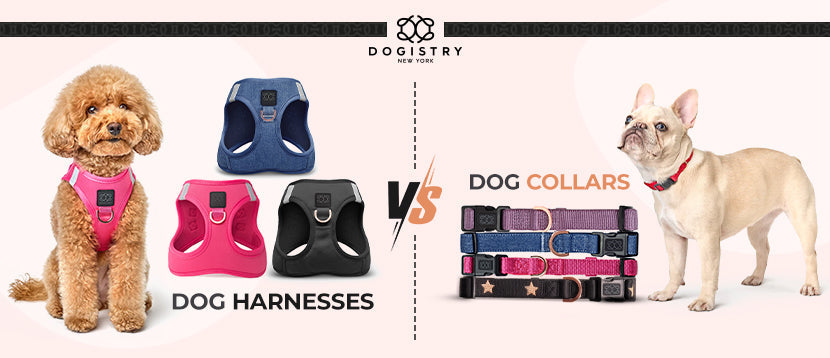
Credit: dogistry.com
Dog Collar Advantages
Dog collars offer simplicity and control for everyday walks. They are easy to put on and adjust. Some dogs may find collars more comfortable than harnesses, depending on their size and behavior.
Dog collars have been a staple in pet ownership for many years, offering several advantages that make them a popular choice among dog owners. Whether you’re walking your dog around the block or heading to a local dog park, a collar is often the first choice for many. But what exactly makes dog collars so appealing?Ease Of Use
One of the biggest benefits of using a dog collar is its simplicity and convenience. You can easily slip a collar on and off your dog without much fuss. This can be particularly useful in busy households where speed and efficiency are essential. Imagine you’re heading out the door for a quick walk before the rain starts. A collar allows you to get your dog ready in seconds, ensuring you beat the weather. Also, collars are typically lightweight, which means your dog may hardly notice it’s there, maintaining their comfort.Identification And Tags
Collars provide a convenient way to display identification tags, which are crucial for your dog’s safety. If your dog ever gets lost, having ID tags on their collar can be a lifesaver. Tags can include your contact information, ensuring anyone who finds your pet can quickly reach you. This simple addition to a collar can make a world of difference in reuniting you with your furry friend.Traditional Training Methods
For many dog owners, collars are an integral part of traditional training methods. They can be effective tools for teaching dogs basic commands and obedience. Using a collar during training sessions can help establish a communication channel between you and your dog. It’s a familiar tool that many trainers recommend for its effectiveness in reinforcing positive behavior. Do you find that collars make training your dog easier? Or do you believe there are more effective methods?Situational Preferences
Choosing between a dog harness and a collar often boils down to situational preferences. It’s not just about aesthetics or trend; it’s about the comfort and safety of your furry friend. Different situations call for different tools, and understanding these can make your decision more informed and personalized.
Activity Level
Your dog’s activity level can significantly influence whether a harness or collar is more suitable. If your dog is a high-energy pup who loves to pull during walks, a harness might offer better control and reduce strain on their neck. A collar might suffice for a more laid-back dog who prefers leisurely strolls.
Consider your daily routine. Are you an avid hiker with your dog? A harness can distribute pressure more evenly and provide better support during active adventures. On the other hand, if your dog mostly lounges around at home, a collar might be a simpler choice.
Breed-specific Needs
Different dog breeds have unique physical characteristics that can dictate the preference for a harness or collar. Breeds with delicate necks, like Greyhounds, benefit more from harnesses to prevent injuries. In contrast, smaller breeds might find collars more comfortable for casual outings.
Research your dog’s breed characteristics. Some breeds, like Pugs, have respiratory concerns that are exacerbated by pressure on the neck, making harnesses a safer option. Understanding these specifics helps tailor your choice to your dog’s needs.
Behavioral Factors
Behavioral traits can play a role in deciding between a harness or a collar. Dogs prone to anxiety or aggression may feel more secure with the snug fit of a harness. On the flip side, dogs who respond well to correction might benefit from the direct feedback a collar provides.
Reflect on your dog’s behavior during walks. Are they easily distracted or tend to bolt? A harness can offer better control and stability. Consider how your dog reacts to different stimuli and choose an option that aligns with their temperament.
Ultimately, what works for one dog might not work for another. Pay attention to your dog’s cues and comfort levels. Would you choose a harness or a collar based on your dog’s unique situation?
Potential Drawbacks
Choosing between a dog harness and a collar can be challenging. Both have potential drawbacks that pet owners should consider before making a decision. Understanding these limitations can help ensure your dog’s comfort and safety. Let’s explore the drawbacks associated with each.
Harness Limitations
Harnesses can restrict movement if not correctly fitted. They might cause discomfort or chafing. Some dogs may find harnesses cumbersome, resisting wearing them. Certain harness designs can be complex to put on, leading to frustration. Not all harnesses are suitable for every breed, size, or age.
Collar Concerns
Collars can exert pressure on a dog’s neck. This can lead to potential health issues, especially for smaller breeds. Pulling on a collar might increase the risk of injury. Collars might slip off if not properly adjusted. They don’t provide the same control as harnesses, especially for energetic dogs. Collars can damage fur or skin with prolonged use.
Choosing The Right Option
Choosing the right option for your dog’s walking gear can be a daunting task. With a myriad of choices available, how do you decide between a harness and a collar? Each has its own set of benefits and drawbacks, and the right choice depends on various factors unique to your furry friend. Let’s dive into what you should consider to make the best decision for your dog.
Assessing Your Dog’s Needs
Understanding your dog’s specific needs is crucial. Consider their size, breed, and temperament. A large, energetic dog might benefit from a harness that offers more control and reduces strain on their neck.
Meanwhile, a smaller, calmer dog might be perfectly comfortable with a collar. Reflect on how your dog behaves on walks. Do they pull or are they more laid-back?
Observe their reaction to different gear during walks. This will give you clues about what they find comfortable and effective.
Consulting With Professionals
Sometimes, seeking advice from professionals can illuminate your path. Veterinarians or dog trainers can provide valuable insights based on their experience with various dogs.
They can recommend specific brands or styles that have worked well for dogs with similar characteristics to yours. Don’t hesitate to ask questions about potential health impacts or behavioral changes.
Consider a fitting session with a trainer to ensure the gear is properly adjusted for your dog. A well-fitted harness or collar can make all the difference in comfort and control.
Popular Brands And Models
Choosing between a dog harness and a collar depends on your dog’s needs. Harnesses offer better control and reduce strain on the neck, making them popular for active or larger breeds. Brands like Ruffwear and PetSafe provide reliable options for every dog size.
Choosing between a dog harness and a collar can be a challenging decision. With an array of brands and models available, understanding the most popular options can help guide your choice. Whether you’re considering comfort, style, or control, knowing the best products in the market is essential.Harness Options
Harnesses are a great choice for many dog owners. They distribute pressure more evenly across your dog’s body, reducing strain on the neck. Popular brands like Ruffwear and Kurgo have set the bar high with their innovative designs and durability. – Ruffwear Front Range Harness: Known for its comfort and versatility, it features padded chest and belly panels. It’s ideal for daily walks and light adventures. – Kurgo Tru-Fit Smart Harness: This model offers safety and comfort with its crash-tested design, making it a great option for car travels. – PetSafe Easy Walk Harness: Designed to gently discourage pulling, it’s perfect for training and everyday walking. When choosing a harness, consider your dog’s size and activity level. Does your dog pull during walks? A no-pull harness could be the solution.Collar Choices
Collars remain a popular choice for many pet owners due to their simplicity and ease of use. They are perfect for displaying ID tags and controlling well-trained dogs. Renowned brands like Lupine and Blueberry Pet offer a wide range of stylish and functional options. – Lupine Pet Eco Dog Collar: Made from recycled materials, it’s both eco-friendly and durable. Plus, it comes with a lifetime guarantee. – Blueberry Pet Classic Solid Color Dog Collar: Available in a variety of colors, it combines style with durability and is perfect for everyday wear. – GoTags Personalized Dog Collar: For an added personal touch, this collar can be customized with your dog’s name and your contact information. When selecting a collar, think about your dog’s behavior and size. Is your dog calm and well-trained? A simple collar might suit your needs. Ultimately, the choice between a harness and a collar depends on your dog’s specific needs and your personal preferences. Which option aligns better with your lifestyle and your pet’s comfort?
Credit: www.instagram.com
Frequently Asked Questions
What Are The Benefits Of Using A Dog Harness?
A dog harness offers better control and reduces strain on the neck. It distributes pressure evenly across the body. Harnesses are ideal for dogs that pull or have respiratory issues. They provide safety and comfort, especially for small or delicate breeds.
Is A Collar Safe For All Dogs?
Collars can be safe for many dogs but may pose risks. They can strain the neck or cause injury during pulling. Dogs with respiratory or neck issues should use harnesses. For general safety and comfort, harnesses are often recommended over collars.
Can A Harness Prevent Pulling?
Yes, a harness can help prevent pulling. It gives better control and encourages proper walking behavior. Front-clip harnesses are particularly effective in reducing pulling. They redirect the dog’s attention and make walks more enjoyable for both owner and pet.
How Do You Choose The Right Harness?
Choose the right harness by considering your dog’s size and behavior. Measure your dog’s girth to ensure a proper fit. Look for adjustable straps and comfortable materials. Consider the type, such as front-clip or back-clip, based on your dog’s needs.
Conclusion
Choosing between a dog harness and a collar depends on your pet’s needs. Harnesses offer more control and comfort, especially for active dogs. Collars are simpler but can strain the neck. Consider your dog’s behavior and health when deciding. Both options have their pros and cons.
Make sure your choice keeps your dog safe and happy. Consult with a vet for personalized advice. Remember, each dog is unique. The right choice enhances your dog’s quality of life. Prioritize their well-being in every decision.