Is Coconut Oil Safe for Dogs Skin: Essential Insights
Imagine a world where your beloved furry friend enjoys a shiny, healthy coat without the irritation of itchy skin. Sounds perfect, right?
As a loving dog owner, you always seek the best ways to care for your pup, and coconut oil has likely caught your attention. But before you rush to the pantry, you may wonder: Is coconut oil safe for your dog’s skin?
This question is more common than you might think, and the answer could unlock a new level of care for your canine companion. We’ll delve into the benefits and risks of using coconut oil on your dog’s skin, helping you make informed decisions that ensure your pet’s comfort and happiness. You’ll discover insights that empower you to provide top-notch care for your dog, helping them live their best life by your side. Ready to uncover the truth? Let’s explore how coconut oil could be the game-changer for your dog’s skin health.
Credit: m.facebook.com
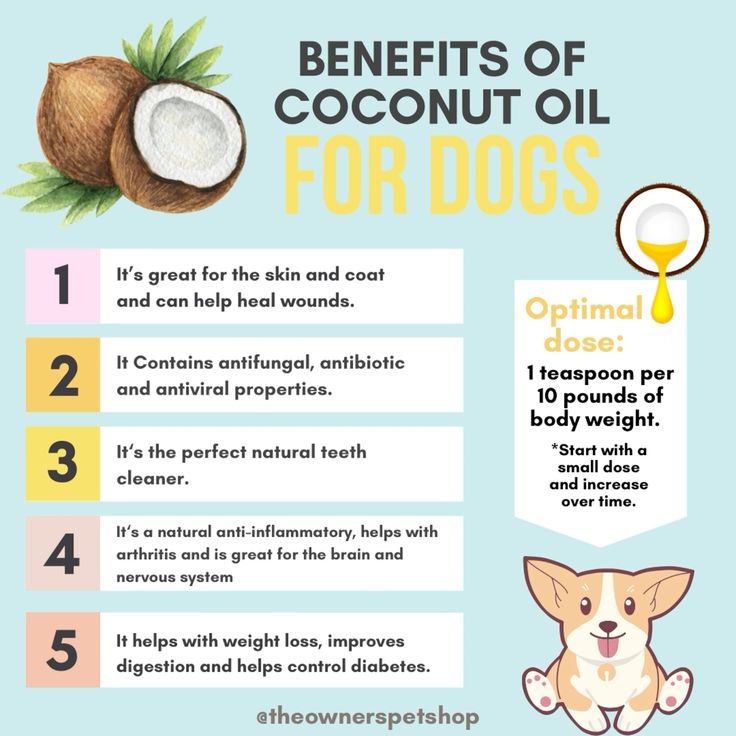
Benefits Of Coconut Oil For Dogs
Coconut oil has gained popularity not just in human diets but also in pet care. Many dog owners are now exploring its potential benefits for their furry friends. But what exactly makes coconut oil a good choice for your dog’s skin? Let’s dive into the benefits that could make this tropical treat a staple in your dog’s grooming routine.
Skin Health Improvements
Coconut oil is rich in lauric acid, which can enhance your dog’s skin health. It can soothe itchy skin, reducing discomfort for your pet. Have you ever noticed your dog scratching more than usual? A touch of coconut oil could make a difference.
Antimicrobial Properties
Coconut oil possesses natural antimicrobial properties that can help protect your dog’s skin from infections. This means fewer visits to the vet for skin-related issues. Imagine the peace of mind knowing your dog’s skin is shielded against harmful bacteria and fungi.
Moisturizing Effects
Dry skin can lead to excessive scratching and discomfort for your dog. Coconut oil acts as a natural moisturizer, locking in hydration. Applying a small amount can keep your dog’s skin soft and supple, making cuddle times even more enjoyable.
Before adding coconut oil to your dog’s regimen, consider their unique needs. Each dog is different, and it’s always best to start small and observe any changes. Would you give coconut oil a try for your dog? The benefits could be a game-changer for their skin health.

Credit: www.amazon.com
Potential Risks And Concerns
Coconut oil is popular for its many uses. But is it safe for dogs’ skin? It offers benefits, but there are risks and concerns to consider. Knowing these helps you make the best choice for your furry friend.
Allergic Reactions
Some dogs may be allergic to coconut oil. Symptoms include itching or redness. Watch for skin irritation or rash after use. If these occur, stop using it. Consult your vet for advice.
Digestive Issues
Ingesting coconut oil can upset a dog’s stomach. Diarrhea or vomiting might happen. Use small amounts to avoid digestive problems. Start with a tiny dose and observe your dog closely.
Overuse Complications
Excessive use of coconut oil may lead to health issues. Skin might become greasy or clogged. Weight gain is possible if too much is consumed. Balance is key to safe use. Follow recommended guidelines and monitor your dog’s health.
Application Methods
Coconut oil has gained popularity as a natural remedy for various skin issues in dogs. But how do you apply it effectively? Understanding the right application methods is crucial to ensure your furry friend reaps the benefits without any adverse effects. Let’s delve into topical use techniques, dosage recommendations, and safety precautions to make sure you’re using coconut oil correctly.
Topical Use Techniques
Applying coconut oil directly on your dog’s skin can be straightforward yet effective. Start by warming a small amount of coconut oil in your hands until it melts. Gently massage it into the affected area, ensuring it reaches the skin beneath the fur. This can help soothe dryness and promote healing.
Consider a patch test before widespread application to ensure your dog doesn’t react negatively. Use this method sparingly—excessive application can make your dog’s coat greasy and attract dirt.
Have you tried adding coconut oil to your dog’s bath? A tablespoon mixed in warm water can provide a moisturizing effect, but be cautious of potential slip hazards in the tub!
Dosage Recommendations
How much coconut oil is too much? Generally, moderation is key. For topical use, a thin layer is often sufficient. If you’re considering oral supplementation, consult with your vet for a tailored dosage.
Some suggest starting with a quarter teaspoon per ten pounds of body weight. Gradually increase the amount if your dog tolerates it well. Observe your dog’s skin and overall health for any changes or improvements.
Remember, what works for one dog might not work for another. Keep an eye on any unusual behavior or digestive issues.
Safety Precautions
Is coconut oil universally safe for all dogs? Not quite. Always monitor your dog for signs of allergies or sensitivities. Redness, itching, or discomfort after application warrants a visit to the vet.
Be mindful of your dog’s weight and dietary needs. While coconut oil is generally safe, it can add calories and affect weight management. Balance is essential.
Ever thought about the environmental impact? Use organic and sustainably sourced coconut oil to ensure you’re protecting the planet while caring for your pet.
Alternative Solutions
Coconut oil can be a gentle option for dogs with dry skin. It helps soothe irritation and moisturizes effectively. Always consult a vet before use to ensure safety.
Exploring alternative solutions for treating your dog’s skin is vital. While coconut oil is popular, other options may suit your pet better. Let’s explore some alternatives that can offer relief and nourishment for your dog’s skin.Comparing Other Oils
Different oils have unique benefits for dog skin care. Olive oil can moisturize and soothe irritated skin. It contains antioxidants that support skin health. Fish oil is another option, rich in omega-3 fatty acids. It can reduce inflammation and improve coat condition. Jojoba oil is non-greasy and absorbs quickly. It helps to maintain skin balance and provides hydration. Each oil offers distinct benefits, so consider your dog’s needs.Commercial Products
Commercial products can be effective for dog skin care. Many are formulated with natural ingredients. Look for products containing aloe vera or chamomile. These ingredients calm and soothe the skin. Shampoos with oatmeal can relieve itching and dryness. Always check product labels for harmful additives. Choose products specifically designed for dogs to ensure safety.Natural Remedies
Natural remedies can provide gentle care for your dog’s skin. A soothing oatmeal bath can ease itching and irritation. Calendula can promote healing and reduce inflammation. Honey is known for its antibacterial properties. It can help with minor cuts and sores. Always test a small area first to avoid allergic reactions. Natural remedies offer a safe way to support your dog’s skin health.Expert Opinions
When it comes to caring for your dog’s skin, coconut oil is often suggested as a natural remedy. But what do the experts say? Let’s dive into their opinions and see if coconut oil is truly safe for your furry friend’s skin.
Veterinarian Advice
Many veterinarians agree that coconut oil can be beneficial for dogs’ skin when used correctly. Its natural antibacterial and antifungal properties can help soothe irritation and promote healing. However, they emphasize the importance of moderation. Applying too much oil might lead to greasy fur or clogged pores, especially in dogs with sensitive skin. Always consult your vet before introducing coconut oil into your pet’s skincare routine.
Pet Care Specialists
Pet care specialists offer insights into practical usage of coconut oil. They suggest starting with small amounts to test your dog’s reaction. Some specialists recommend mixing coconut oil into your dog’s food to improve skin health from the inside out. They highlight the importance of using high-quality, virgin coconut oil for best results. Have you tried incorporating coconut oil into your dog’s diet?
Research Findings
Scientific studies on coconut oil for dogs are limited, but existing research points to its potential benefits. Studies suggest that coconut oil can help reduce inflammation and improve skin barrier function. Yet, experts caution that more research is needed to fully understand its effects and optimal usage. Do these findings encourage you to experiment with coconut oil for your dog’s skin care?
Real-life Experiences
Many dog owners are curious about using coconut oil on their furry friends’ skin, and real-life experiences can offer valuable insights. These stories of success, challenges, and testimonials from fellow pet parents can help you decide if coconut oil is the right choice for your dog’s skin care routine.
Success Stories
Several dog owners have found coconut oil to be a game-changer for their pets. One owner shared how her dog’s persistent dry skin improved dramatically after applying coconut oil regularly. She noticed a healthier coat and fewer instances of itching.
Another success story involved a dog with hot spots. After using coconut oil, the hot spots healed faster than expected, and the dog’s mood improved due to less irritation. These stories highlight the potential benefits of coconut oil.
Common Challenges
While success stories are encouraging, some dog owners face challenges. A common issue is overapplication, leading to greasy fur and potential digestion problems if ingested excessively.
Another challenge includes allergies. Some dogs may have allergic reactions to coconut oil, resulting in more irritation rather than relief. It’s crucial to monitor your dog’s response closely.
User Testimonials
Pet owners often share mixed experiences with coconut oil. One user mentioned her dog loved the taste but experienced diarrhea after licking too much off his skin. However, moderation led to better results.
Another testimonial highlighted the importance of patience. The owner noted improvements in skin condition after consistent use over several weeks, emphasizing the need for persistence.
Have you tried coconut oil on your dog’s skin? Share your experiences and join the conversation about this natural remedy.

Credit: www.amazon.com
Frequently Asked Questions
Is Coconut Oil Good For Dogs’ Skin?
Coconut oil is generally safe and beneficial for dogs’ skin. It can moisturize, reduce itchiness, and promote a healthy coat. However, always consult your veterinarian before introducing it into your dog’s care routine. Some dogs may have allergies or sensitivities, requiring alternative treatments.
How Do I Apply Coconut Oil To My Dog’s Skin?
Apply coconut oil directly to your dog’s skin, focusing on dry or itchy areas. Gently massage it in to ensure absorption. Start with a small amount to gauge your dog’s reaction. Avoid overuse, as excessive oil can make their coat greasy.
Always monitor for any adverse reactions.
Can Coconut Oil Help With Dog Skin Allergies?
Coconut oil can help alleviate symptoms of mild skin allergies in dogs. Its anti-inflammatory properties soothe irritation and reduce itching. However, it’s not a cure for severe allergies. Always consult your veterinarian for a comprehensive treatment plan tailored to your dog’s needs.
How Often Should I Use Coconut Oil On My Dog?
Use coconut oil on your dog’s skin once or twice a week. This frequency helps maintain a healthy coat and skin. Adjust based on your dog’s specific needs and reactions. Consult your veterinarian for personalized advice, especially if your dog has sensitive skin or underlying conditions.
Conclusion
Coconut oil can benefit your dog’s skin. It moisturizes and soothes irritation. Always test a small amount first. Watch for any allergic reactions. Consult your vet for specific concerns. They know what’s best for your furry friend. Use coconut oil in moderation.
Too much can cause issues. Keep an eye on your dog’s skin condition. Regular checks ensure their health and happiness. Remember, a healthy dog is a happy dog. A little care goes a long way. Your dog deserves the best.
Stay informed and make wise choices.