Why Does My Dog Get Skin Tags? Causes & Solutions
Have you ever noticed tiny, fleshy growths on your dog’s skin and wondered what they are? You might be surprised to learn these are called skin tags, and they’re quite common in dogs.
But why does your dog get skin tags, and should you be worried about them? Understanding the reasons behind these harmless yet mysterious skin formations can help you take better care of your furry friend. By the end of this article, you’ll have a clearer picture of why skin tags appear and what you can do about them.
Dive in to uncover the truth about your dog’s skin health, and ensure their comfort and happiness!
Credit: us.puainta.com
Understanding Skin Tags In Dogs
Dogs often develop skin tags due to age or friction from collars. These benign growths are common and usually harmless. Regular monitoring helps ensure they remain non-problematic.
Understanding Skin Tags in Dogs Is your furry friend suddenly sporting tiny, soft growths on their skin? These are known as skin tags and are quite common in dogs. While they can be a bit unsettling to discover, understanding what they are and where they typically appear can help you decide whether they require a trip to the vet.What Are Skin Tags?
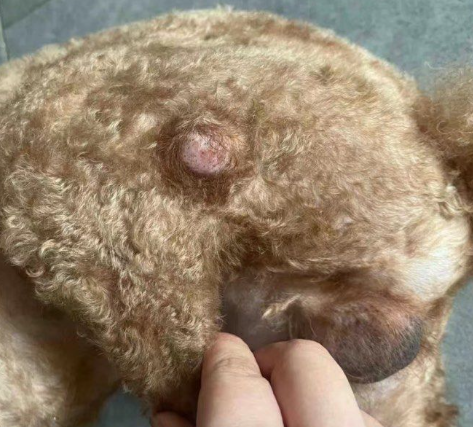
Skin tags are small, benign growths that often resemble tiny pieces of hanging skin. They are typically soft to the touch and can vary in color from your dog’s regular skin tone to slightly darker. These growths are usually harmless and don’t cause discomfort unless they are irritated by grooming or scratching. However, it’s always wise to monitor them for any changes in size or color, as this could indicate a need for professional examination.Common Locations On Dogs
Skin tags can pop up almost anywhere on your dog’s body, but they tend to favor certain spots. You might find them around areas with skin folds, like the neck, armpits, and groin. My own dog developed a few skin tags near his neck where his collar sat snugly. This made me realize how friction or irritation could potentially encourage their growth. Do you often notice your dog scratching or licking a particular spot? That might be a prime location for skin tags to develop. Keeping an eye on these areas can help catch skin tags early and prevent any discomfort for your pet.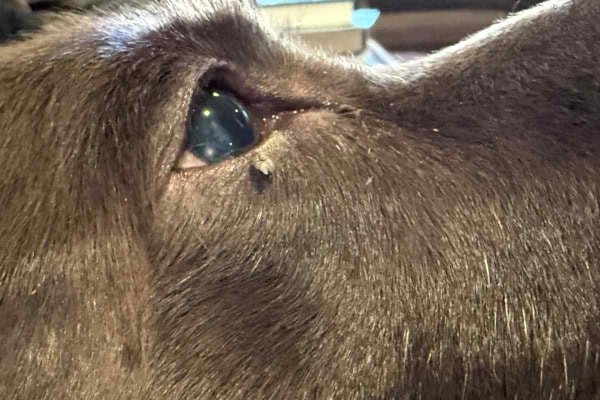
Credit: toegrips.com
Causes Of Skin Tags
Dogs often get skin tags due to aging, genetics, or skin friction. These growths are generally harmless. Regular vet check-ups help monitor any changes.
Dogs, like humans, can develop skin tags, which are small, benign growths often found on the skin. Understanding the causes behind these growths can help you manage your dog’s skin health more effectively. Let’s explore the common reasons why your furry friend might develop skin tags.Genetic Factors
Certain breeds are more prone to developing skin tags due to genetic predispositions. If your dog is a Basset Hound or Boxer, for instance, they might be more likely to have skin tags. It’s fascinating how genetics play a role in such seemingly minor skin conditions.Age And Skin Changes
As dogs age, their skin undergoes changes, much like ours. Older dogs might experience more skin tags due to the natural aging process. Have you noticed these tags appearing more frequently as your dog grows older?Environmental Influences
The environment your dog lives in can impact their skin health. Factors such as exposure to the sun, dirt, and even certain chemicals can lead to skin tags. Regular grooming and a clean living area can help mitigate these influences. By understanding these causes, you can take proactive steps to monitor and maintain your dog’s skin health. Regular check-ups with your vet can also ensure any new growths are harmless. Is your dog’s environment potentially contributing to their skin tags?Diagnosing Skin Tags
Dogs often develop skin tags due to aging, genetic factors, or skin friction. These benign growths are common and typically harmless. Regular vet checks ensure they aren’t mistaken for more serious issues.
Diagnosing skin tags on your dog can be a straightforward process, yet it’s essential to ensure accuracy to avoid mistaking them for other skin conditions. Skin tags are benign growths that commonly appear as small, fleshy protrusions. While they might seem harmless, it’s always wise to get a proper diagnosis to rule out any underlying issues.Physical Examination
During a physical examination, your veterinarian will thoroughly inspect your dog’s skin. They’ll look for specific characteristics like size, shape, and texture. Skin tags are usually soft and hang off the skin, which distinguishes them from other conditions. You might notice skin tags appearing in areas prone to friction, such as the neck or armpits. This can be due to collars or harnesses. Have you ever wondered if a particular behavior or item is affecting your dog’s skin? Observing patterns can offer clues.Differentiating From Other Skin Conditions
It’s crucial to differentiate skin tags from other skin anomalies like warts, cysts, or tumors. Warts, for example, are typically rough and can have a cauliflower-like appearance. Your vet may use tools like a magnifying glass or dermatoscope to get a closer look. If there’s any doubt, a biopsy might be recommended. Knowing the difference can help you make informed decisions about treatment and care. Have you ever mistaken a skin tag for something else? Recognizing these differences can save you stress and unnecessary treatments. Always consult your vet if you’re unsure.Solutions For Skin Tags
Dogs often develop skin tags due to age, genetics, or friction. Regular check-ups can help identify these harmless growths early. Consulting a vet is essential to ensure they’re not a sign of a more serious issue.
Finding skin tags on your dog can be a bit alarming, but they’re usually harmless. However, knowing how to manage them is key to ensuring your furry friend’s comfort and health. If you’re wondering about solutions for skin tags, here are some practical steps you can take.Monitoring And Observation
Regularly check your dog’s skin for any new growths or changes in existing tags. Use this time to bond with your dog—gently feel their skin during grooming sessions. Keep a record of any changes in size, color, or shape. This can be crucial information for your vet.Medical Treatments
Consult your veterinarian if a skin tag seems unusual or bothers your dog. Your vet might suggest removing the tag if it poses a risk, such as getting caught in collars or harnesses. Procedures are usually quick and done under local anesthesia, minimizing discomfort for your pet.Home Remedies
Some owners explore natural options, like applying tea tree oil, but caution is advised. Always consult your vet before trying a home remedy to ensure it’s safe for your dog. Remember, what works for humans might not be suitable for pets. Have you ever noticed your dog scratching more often or licking a particular spot? These could be signs that a skin tag is bothering them, prompting the need for action. Paying attention to these behaviors is as crucial as the physical examination itself.Preventing Skin Tags
Dogs often develop skin tags due to age, genetics, or friction. Keeping your pet’s skin clean and dry can help prevent them. Regular check-ups with the vet ensure early detection and management of any skin changes.
Preventing skin tags on your dog can be manageable. It requires a few lifestyle changes. These changes can improve your dog’s overall skin health. Skin tags are benign but can be annoying. They may cause discomfort if they become large. By focusing on prevention, you can help your dog lead a comfortable life.Diet And Nutrition
A balanced diet supports your dog’s skin health. Ensure your dog gets essential nutrients. Include vitamins and minerals in their meals. Omega-3 fatty acids are beneficial. They help maintain healthy skin. Fresh fruits and vegetables can be good. Lean proteins are also important for overall health. Always consult your vet for dietary advice.Regular Grooming
Groom your dog regularly to prevent skin tags. Brush their coat to remove dead hair. This improves skin circulation. It also helps distribute natural oils. Regular baths keep their skin clean. Use a gentle dog shampoo. Check their skin for any abnormalities. Early detection helps in managing skin issues.Environmental Adjustments
Your dog’s environment affects their skin. Maintain a clean living area. Remove irritants that can harm their skin. Ensure your dog has a cozy bed. Provide soft bedding to reduce friction. Avoid exposing them to harsh weather. Protect their skin from excessive sun. A calm environment reduces stress, benefiting their skin.When To Consult A Veterinarian
Concern arises when skin tags on your dog change in size, color, or bleed. These signs may indicate underlying health issues. Consulting a veterinarian helps determine the cause and appropriate treatment.
When you notice your furry friend developing skin tags, it’s natural to wonder if you should be concerned. While many skin tags are harmless, there are times when a trip to the veterinarian is essential. Knowing when to seek professional advice can save your dog from discomfort and potential complications.Signs Of Complications
Keep an eye out for any changes in the skin tags on your dog. If they suddenly change size, shape, or color, it’s time to consult your vet. Bleeding, oozing, or signs of infection like redness and swelling should also be addressed promptly. Your dog might show signs of discomfort, such as excessive scratching or licking at the area. These behaviors can indicate irritation or pain, suggesting that the skin tag might be more than just a benign growth.Professional Advice
A veterinarian can provide clarity and peace of mind. They have the expertise to distinguish between a harmless skin tag and something that might need treatment. An examination can prevent unnecessary worry and ensure your dog stays healthy. Regular check-ups are an excellent opportunity to discuss any new skin growths you’ve noticed. Vets can offer advice on whether removal is necessary and provide guidance on how to care for your dog’s skin. Have you ever thought about how much we rely on professional advice for our pets’ health? It’s a reminder of the value of veterinary expertise and the peace of mind it brings to pet owners like you. Taking prompt action not only helps your pet but also strengthens your bond through attentive care.
Credit: www.facebook.com
Frequently Asked Questions
What Causes Skin Tags On Dogs?
Skin tags on dogs are often caused by friction or irritation. They can develop in areas where the skin rubs together, such as under the collar or between the legs. Hormonal changes, genetics, and age can also contribute to their formation.
Regular check-ups can help monitor these benign growths.
Are Skin Tags On Dogs Dangerous?
Skin tags on dogs are generally harmless and non-cancerous. They are benign growths and typically don’t pose any health risks. However, if a skin tag changes in size, color, or shape, it should be examined by a veterinarian. Monitoring any changes is crucial for your dog’s health.
How Can I Prevent Skin Tags On My Dog?
Preventing skin tags involves minimizing skin irritation and friction. Ensure your dog’s collar fits properly and isn’t too tight. Regular grooming helps reduce dirt build-up and irritation. Maintaining a healthy weight can also minimize skin folds that may lead to skin tags.
Can Skin Tags Be Removed At Home?
It’s not recommended to remove skin tags at home due to the risk of infection. Always consult a veterinarian for safe removal options. They can assess whether removal is necessary and perform it under sterile conditions. Professional advice ensures your dog’s safety and comfort.
Conclusion
Understanding why your dog gets skin tags helps with better care. Skin tags are common and often harmless. Regular vet checks ensure your dog stays healthy. Keep an eye on any changes in size or shape. This helps catch potential issues early.
Providing good hygiene can reduce skin tags. Maintaining a balanced diet supports healthy skin. Always consult your vet for advice tailored to your pet’s needs. Your awareness and action can keep your dog happy and comfortable. Remember, a little attention goes a long way in pet care.