What are Skin Tags on Dogs: Causes and Treatments
Imagine you’re petting your dog, and suddenly you feel a small, soft bump on their skin. You might wonder what it is and if it’s something you should worry about.
These little growths, known as skin tags, are quite common in dogs. But what exactly are they? Are they harmless or do they need medical attention? Understanding skin tags on your dog is crucial for their health and your peace of mind.
By the end of this article, you’ll know what causes these skin tags, how to identify them, and when you should consult a vet. If you’ve ever been puzzled by these tiny bumps or want to ensure your furry friend stays healthy and happy, keep reading. You’re about to discover everything you need to know about skin tags on dogs.
Skin Tags In Dogs
Skin tags in dogs are common and usually harmless. These small, fleshy growths can appear on any part of a dog’s body. They are similar to skin tags in humans. Dog owners often notice them during grooming or petting sessions. Understanding these skin tags can help in managing your pet’s health.
Common Characteristics
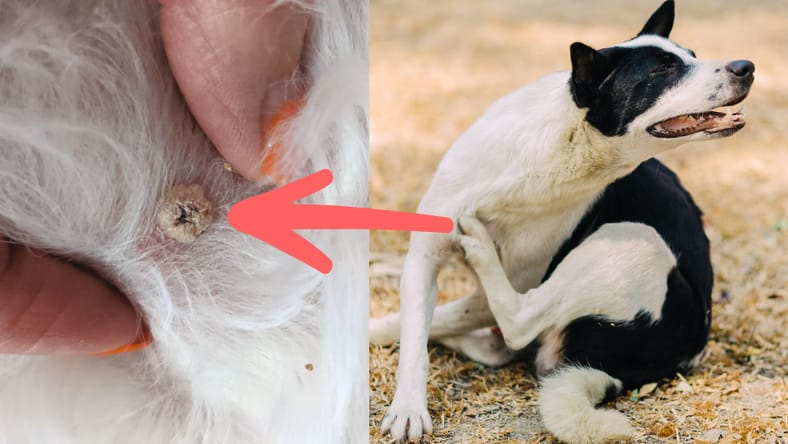
Skin tags on dogs are soft and flesh-colored. They can vary in size from tiny to several centimeters. Most skin tags are painless and do not cause discomfort. Some may appear as thin stalks, while others are flat. They often resemble warts or small tumors. You can usually move them slightly without causing pain to the dog.
Identification Tips
To identify skin tags, examine the texture and color. They are often the same color as the dog’s skin. Run your fingers over the dog’s body to feel for small bumps. Use a gentle touch to avoid discomfort. Compare with the surrounding skin to check for differences. Monitor any changes in size or color over time. If unsure, consult a veterinarian for a professional opinion.
Causes Of Skin Tags
Skin tags are small growths on a dog’s skin. They are usually harmless but can be a concern for pet owners. Understanding what causes these tags can help in managing them effectively.
Genetic Factors
Some dogs are more prone to skin tags due to their genes. Specific breeds may have a higher chance of developing them. If your dog’s parents had skin tags, your dog might also get them. Genetics plays a significant role in the likelihood of skin tag formation.
Environmental Influences
The environment can impact a dog’s skin health. Exposure to certain elements may lead to skin tag development. Dirt, moisture, and allergens can irritate the skin. This irritation can cause skin tags to form over time.
Age-related Changes
As dogs age, their skin undergoes changes. Older dogs are more likely to develop skin tags. This is due to skin elasticity loss and other aging effects. Age can be a major factor in the appearance of skin tags.
Diagnosis
Diagnosing skin tags on dogs can be a straightforward process, but it requires careful observation and sometimes a professional evaluation. You might notice a small, fleshy growth on your dog’s skin that wasn’t there before. While it’s natural to be concerned, not all growths are harmful. It’s crucial to understand how to distinguish skin tags from other types of growths to ensure your furry friend’s health and well-being.
Veterinary Examination
When you spot a suspicious growth on your dog, the first step is to consult with a veterinarian. A professional evaluation can provide peace of mind and clarify whether the growth is benign. Vets typically perform a physical examination and might even use a dermatoscope for a closer look.
Imagine the relief you feel when a vet calmly explains the nature of the growth. They might tell you that the skin tag is harmless and doesn’t require removal unless it’s causing discomfort. Regular check-ups can prevent unnecessary worry and catch any issues early.
Differentiating From Other Growths
Skin tags can often be confused with warts, cysts, or even tumors. It’s important to understand the subtle differences. Skin tags are usually smooth and soft, while warts have a rough texture. Cysts might feel like small fluid-filled sacs beneath the skin.
Consider the texture and appearance of the growth. Does it look like a cauliflower or is it more like a small flap of skin? These observations can be helpful when discussing your concerns with your vet. Would you be able to identify these differences at home?
Ultimately, knowing how to distinguish between various types of growths can lead to better health outcomes for your dog. Your attentiveness plays a critical role in their well-being.
Credit: rockykanaka.com
Treatment Options
Skin tags on dogs are small, harmless growths that can be removed by a vet. Treatment options include surgical removal or cryotherapy to freeze off the tag. Always consult a veterinarian for the best course of action.
Treating skin tags on dogs can vary based on their size and location. It’s important to choose the best option for your pet’s comfort and health. Here are some treatment options to consider:Medical Treatments
Veterinarians often recommend topical treatments to shrink skin tags. These products can help reduce irritation and size. Another option is cryotherapy. It uses extreme cold to remove skin tags effectively. This method is less invasive and quick. Laser therapy is also available. It targets the skin tag precisely and minimizes discomfort.Surgical Procedures
Surgery is a common method for removing larger or troublesome skin tags. It ensures complete removal, reducing the chance of regrowth. The procedure is quick, usually performed under local anesthesia. Recovery time is short. Electrosurgery is another option. It uses electric currents to cut and remove the tag. It seals blood vessels during the process, reducing bleeding.Home Remedies
Some pet owners try apple cider vinegar to treat skin tags. Soak a cotton ball in vinegar and apply it to the tag daily. Another remedy is tea tree oil. It has natural antibacterial properties. Apply a small amount directly to the tag. Use caution, as essential oils can irritate sensitive skin. Keep an eye on your dog’s skin condition. If irritation occurs, discontinue use.Prevention Strategies
Skin tags on dogs are small, benign growths that can appear anywhere on their skin. Regular grooming and maintaining a healthy diet may help prevent these skin issues. Consult a vet for advice on removing existing skin tags safely.
Preventing skin tags on dogs involves paying attention to their daily care and health routine. While skin tags can be harmless, they can sometimes cause discomfort or irritation. Implementing effective strategies can help minimize their occurrence.Regular Skin Checks
Regular skin checks are essential in identifying skin tags early. Make it a habit to inspect your dog’s skin during grooming sessions. Look for any unusual growths or changes in their skin texture. Gently run your fingers through their fur to feel for any bumps or protrusions. Early detection can help in managing skin tags before they become problematic. Engage your vet if you notice anything suspicious. A professional opinion can provide peace of mind and guide you on the best course of action.Healthy Lifestyle
A healthy lifestyle plays a crucial role in preventing skin tags. Ensure your dog maintains a balanced diet rich in nutrients. This supports their skin health and overall well-being. Regular exercise is another key factor. It helps maintain a healthy weight, reducing the risk of skin folds and tags. Consider if your dog is getting enough hydration. Proper hydration keeps the skin supple and less prone to developing tags.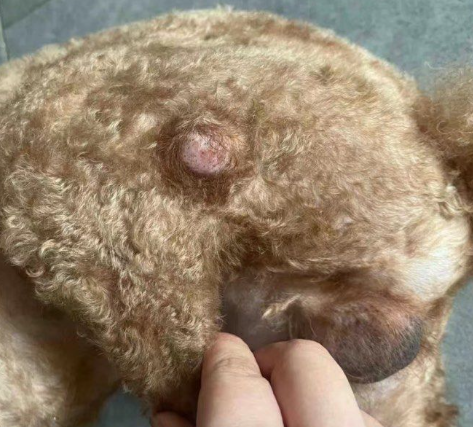
Credit: us.puainta.com
When To Seek Veterinary Advice
Skin tags on dogs are usually harmless. But sometimes, they need attention. Knowing when to seek veterinary advice is crucial for your dog’s health. Vets can help determine if a skin tag is problematic. Regular check-ups ensure your dog’s skin stays healthy. Early detection of issues can prevent complications.
Signs Of Concern
Be aware of certain signs. If a skin tag changes color, it might be a concern. Swelling or bleeding is another warning sign. If your dog shows discomfort or pain, consult a vet. Pay attention to rapid growth. These changes might need professional assessment.
Monitoring Changes
Keep an eye on skin tags. Observe any changes in size. Note if new tags appear frequently. Regularly feel the tags for firmness. Soft tags are usually benign. Hard tags need a vet check. Record any changes in a journal. This helps track developments over time.

Credit: www.amazon.in
Frequently Asked Questions
What Are Skin Tags On Dogs?
Skin tags on dogs are small, benign growths. They are usually flesh-colored and hang off the skin. Commonly found on older dogs, they are harmless. However, always consult a vet if you notice changes. Monitoring skin tags helps ensure they don’t cause discomfort or infection.
Are Skin Tags On Dogs Dangerous?
Skin tags are generally harmless for dogs. They don’t pose a health risk but can irritate if caught on objects. Regular checks are essential to observe any changes in size or color. If a tag causes discomfort or bleeds, consult your vet promptly for advice.
How Can I Identify Dog Skin Tags?
Identifying skin tags is simple due to their distinct appearance. They are soft, flesh-colored growths that hang off the skin. Skin tags are usually small and vary in shape. Regularly inspect your dog’s skin for any unusual lumps or bumps that might be tags.
Should I Remove My Dog’s Skin Tags?
Removing skin tags is unnecessary unless they cause discomfort. If a tag is irritated, consult your vet for removal. Most skin tags are harmless and don’t need treatment. Regular monitoring ensures they don’t change or become problematic. Always follow vet guidance for your dog’s health.
Conclusion
Skin tags on dogs are usually harmless. They often don’t need treatment. Always monitor them for changes. If they grow or bleed, consult a vet. Regular check-ups help ensure your dog’s health. Understanding skin tags can ease worries. It helps you make informed decisions.
Keeping your pet comfortable is key. Always prioritize their well-being. By knowing what to look for, you can act quickly. This ensures your furry friend stays happy and healthy. Remember, a vet is your best resource. They provide the guidance you need.
Enjoy the journey with your beloved pet.