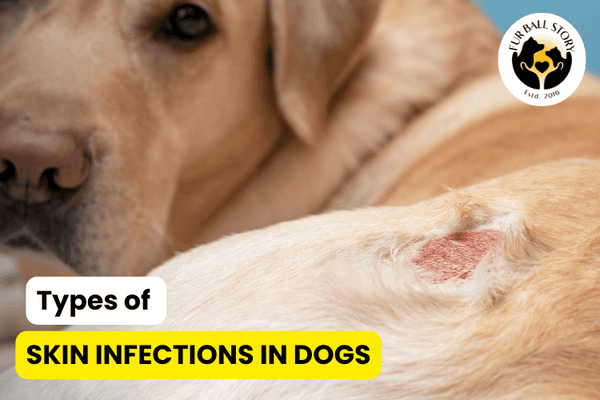
How to Treat Dry Skin on Dogs: Expert Tips Revealed
Senior Canine Nutritionist & Dog Behavior Specialist at Cozy Dog Go Wellness Lab
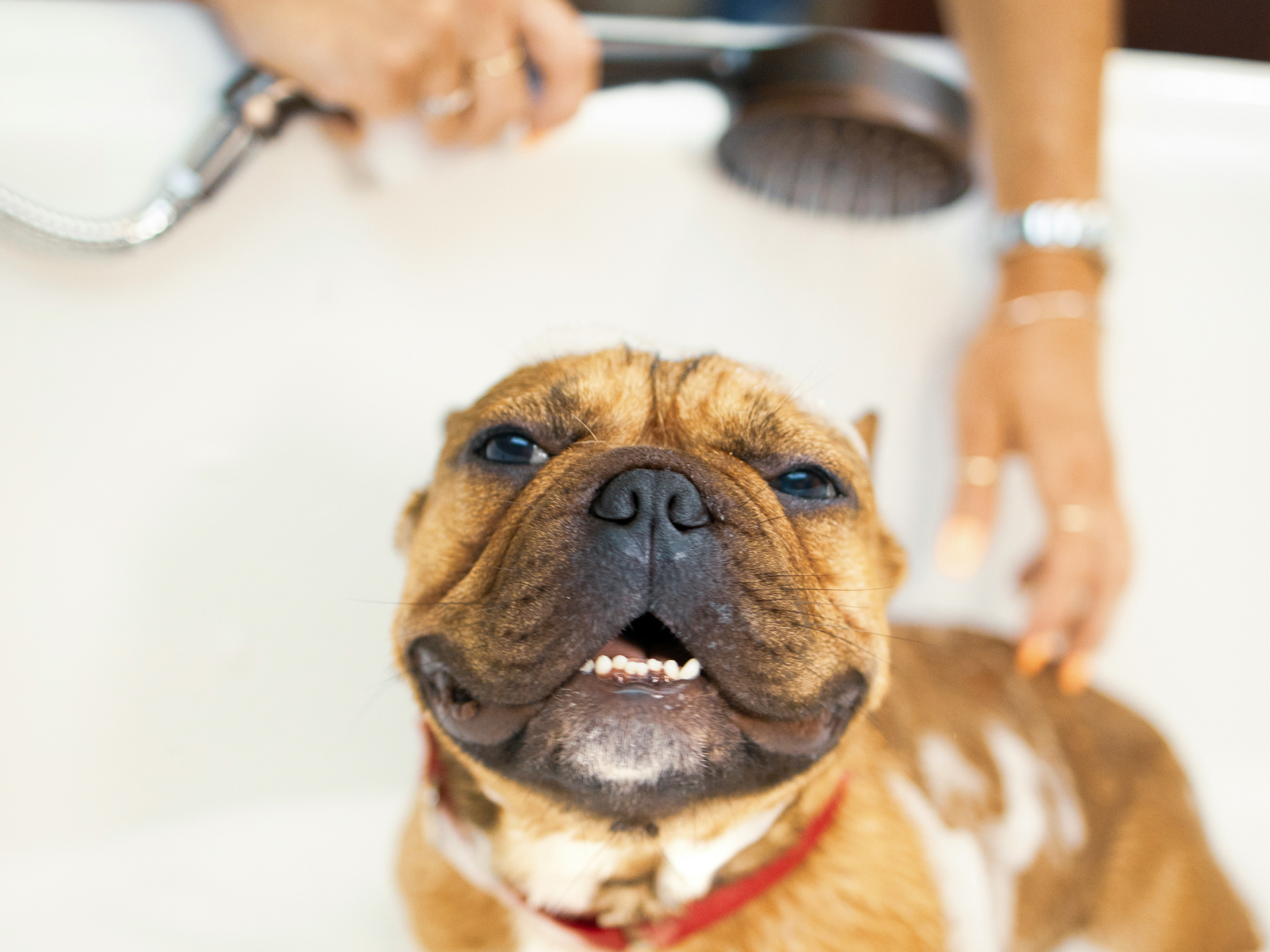
Your furry friend is more than just a pet; they’re family. So, when you see them scratching, itching, or looking uncomfortable, it’s only natural to feel concerned.
Dry skin on dogs is a common issue, and it can make your beloved canine feel miserable. But don’t worry – there are ways to help. Imagine your dog feeling relieved, free from irritation, and back to their playful self.
You have the power to make that happen. In this guide, we’ll explore practical and effective solutions to treat dry skin on dogs. You’ll discover simple tips and tricks that can make a world of difference. Ready to give your dog the comfort they deserve? Let’s dive in!
Causes Of Dry Skin In Dogs
Understanding the causes of dry skin in dogs is crucial. It helps pet owners address and prevent discomfort in their furry friends. Various factors contribute to dry skin, ranging from environmental influences to genetic predispositions. Let’s explore these causes in detail to better care for our canine companions.
Environmental Factors
Weather changes can impact a dog’s skin. Cold air often dries out their skin, leading to flakiness. Indoor heating can also be a culprit, as it reduces humidity levels. If dogs spend a lot of time outdoors, sun exposure might contribute to skin dryness. Always monitor your dog’s environment for potential skin stressors.
Nutritional Deficiencies
A balanced diet is essential for healthy skin. Lack of essential fatty acids often leads to dry skin in dogs. Omega-3 and Omega-6 are vital for maintaining skin moisture. Ensure your dog’s diet includes high-quality proteins and fats to support skin health. Regular check-ups with a vet can help identify any nutritional gaps.
Genetic Predispositions
Some dog breeds are more prone to dry skin. Breeds like Bulldogs and Boxers often have sensitive skin. Owners should research their dog’s breed to understand potential skin issues. A tailored skincare routine can help manage genetically influenced dry skin. Consult a vet for breed-specific advice.
Allergies And Irritants
Allergies can trigger dry skin in dogs. Common allergens include pollen, dust mites, and certain foods. Chemical irritants like shampoos and cleaners might also cause skin dryness. It’s important to identify and eliminate potential allergens from your dog’s environment. Regular bathing with gentle products can help soothe irritated skin.
Credit: bullystickscentral.com
Preventive Measures
Regular grooming and a balanced diet can help treat dry skin on dogs. Use gentle shampoos and conditioners designed for pets.
Preventive measures are crucial in ensuring your dog’s skin remains healthy and hydrated. By adopting a proactive approach, you can help prevent the discomfort and itchiness associated with dry skin. Let’s explore some practical steps you can take to keep your furry friend’s skin in top shape.Regular Grooming Practices
Regular grooming is more than just keeping your dog looking good. It’s an essential routine that can prevent dry skin. Brushing your dog’s coat regularly helps distribute natural oils, which moisturizes the skin. Bathing is another important aspect, but it’s vital to use a moisturizing shampoo specifically designed for dogs. Over-bathing can strip away essential oils, so it’s best to find a balance that works for your dog’s breed and lifestyle. Have you ever noticed how your dog’s coat shines after a good brushing session? That’s the natural oils at work, doing their job!Maintaining Indoor Humidity
Indoor humidity levels can significantly impact your dog’s skin health. Dry indoor air, especially in winter, can lead to dry skin. Using a humidifier can add moisture to the air, benefiting both you and your pet. Consider placing the humidifier in the area where your dog spends most of their time. You might be surprised at how much of a difference this simple device can make. Have you ever walked into a room and immediately felt the dry air? Imagine how it feels for your dog who can’t tell you!Seasonal Care Tips
Seasonal changes often require adjustments in your dog’s skincare routine. During winter, the cold air outside and heated air inside can dry out your dog’s skin. Adding omega-3 and omega-6 fatty acids to their diet can help maintain skin moisture. In summer, protecting your dog from excessive sun exposure is key. Dogs can get sunburned, which can lead to dry, flaky skin. Think about how your skincare changes with the seasons. Your dog needs similar attention to stay comfortable and healthy all year round.When To Consult A Veterinarian
Dry skin in dogs can be more than just a minor annoyance. While many cases can be managed at home, there are times when a trip to the veterinarian is essential. Knowing when to seek professional help can make all the difference in your dog’s comfort and health. After all, your furry friend’s well-being is a priority, and addressing skin issues promptly can prevent more serious problems down the line.
Persistent Symptoms
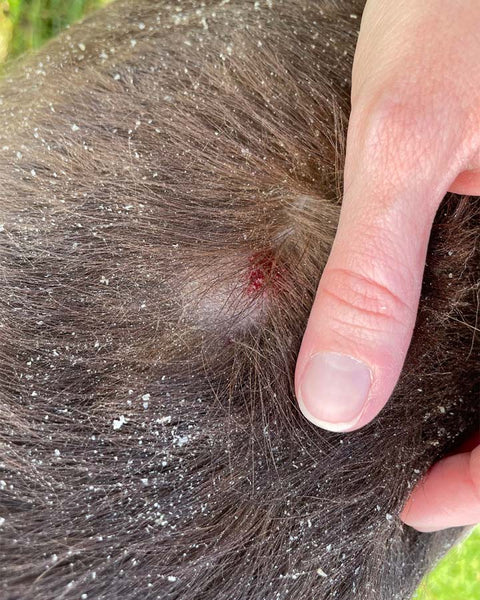
If your dog’s dry skin persists despite your efforts to treat it, it’s time to consider a vet visit. Symptoms like excessive scratching, flaky skin, or redness that doesn’t improve might be more than just a surface issue. Ignoring these signs can lead to infections or other complications. A vet can provide insights that at-home remedies can’t.
Underlying Health Conditions
Sometimes, dry skin is a symptom of a deeper health issue. Conditions like allergies, hormonal imbalances, or parasites can manifest through skin problems. Have you ever noticed a sudden change in your dog’s behavior alongside dry skin? This could be a clue to something more serious. A veterinarian can run tests to uncover hidden health problems.
Professional Advice On Treatment
Veterinarians offer specialized knowledge that can tailor a treatment plan to your dog’s specific needs. Maybe you’ve tried different shampoos or diets without success. A vet can suggest targeted solutions, such as medicated shampoos or dietary adjustments. They can also prescribe medications if necessary, ensuring your pet receives the most effective care.
Frequently Asked Questions
What Causes Dry Skin In Dogs?
Dry skin in dogs can be caused by various factors, including allergies, parasites, poor diet, or environmental conditions. Sometimes, underlying health issues like hypothyroidism can contribute to dryness. Regular grooming and a balanced diet can help maintain healthy skin.
How Can I Moisturize My Dog’s Skin?
To moisturize your dog’s skin, use a vet-approved moisturizing shampoo and conditioner. Applying coconut oil or aloe vera gel can also help. Ensure your dog has a diet rich in Omega-3 fatty acids to promote skin health.
Are There Home Remedies For Dry Skin?
Yes, home remedies like oatmeal baths can soothe dry skin. Adding fish oil supplements to your dog’s diet can improve skin moisture. Coconut oil is another effective remedy. Always consult your vet before trying new treatments.
When Should I See A Vet For Dry Skin?
Visit a vet if your dog’s dry skin persists despite treatments. If you notice redness, irritation, or excessive scratching, seek professional advice. Your vet can diagnose underlying issues and recommend appropriate solutions.
Conclusion
Caring for your dog’s dry skin requires patience and understanding. Regular baths with gentle shampoos help. Moisturizing can prevent dryness and irritation. Diet plays a crucial role too. Ensure your dog gets enough fatty acids and water. Always monitor your dog’s skin closely.
Look for changes or signs of discomfort. Consult a vet for persistent issues. They can offer expert guidance tailored to your dog’s needs. Remember, a healthy coat means a happy pet. Your efforts will keep your furry friend comfortable and content.
Keep these tips handy for your dog’s well-being.

Similar Posts