What is a Dogs Natural Diet: Unveiling Canine Nutrition
Senior Canine Nutritionist & Dog Behavior Specialist at Cozy Dog Go Wellness Lab
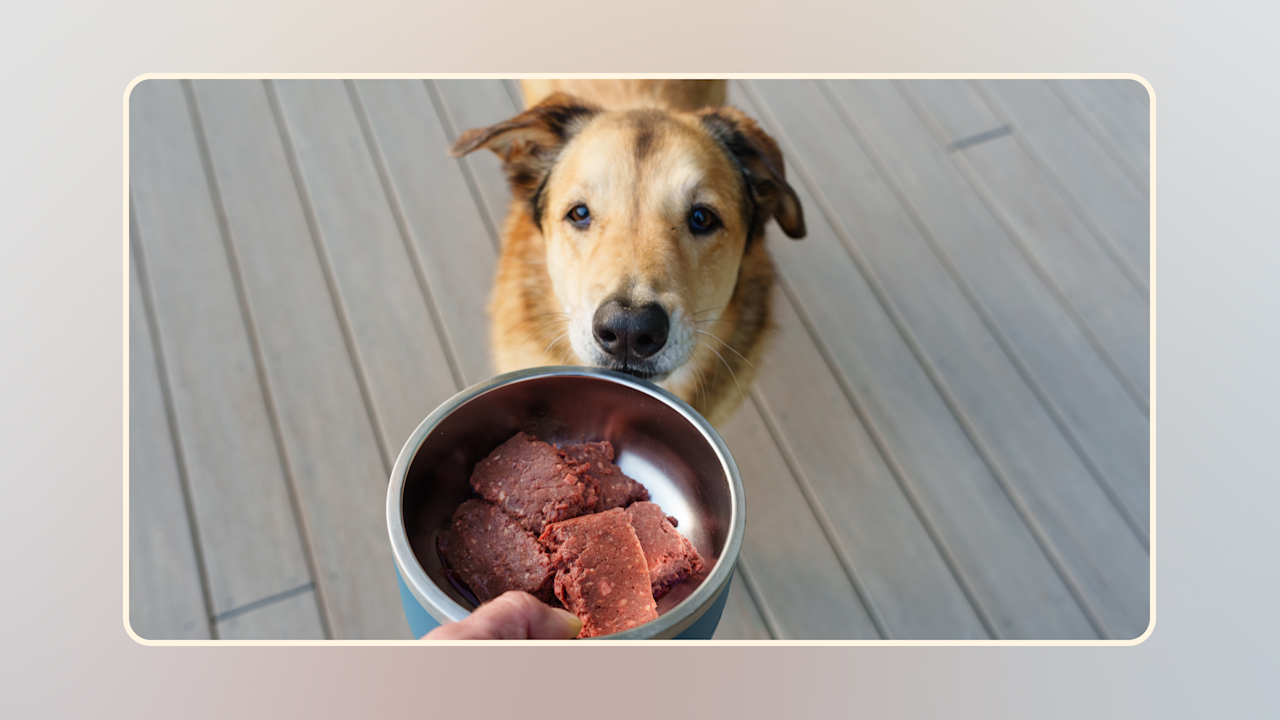
Have you ever wondered what your dog truly needs to thrive? You want the best for your furry friend, and understanding their natural diet is key to their health and happiness.
Imagine your dog living their best life, full of energy and vitality. But what does that really mean when it comes to their food? This article will reveal the secrets of a dog’s natural diet, helping you make informed decisions to ensure your pet is eating what they need to flourish.
You’ll discover the essentials of canine nutrition, debunk common myths, and get practical tips that fit seamlessly into your daily routine. Prepare to unlock the secrets to a happier, healthier dog—because your pet deserves nothing less. Keep reading to find out what nature intended for your loyal companion.
Ancestral Diet Of Dogs
Dogs thrive on a diet similar to their wild ancestors, consisting of raw meat, bones, and occasional fruits. Their natural diet supports health, energy, and vitality. Understanding this ancestral diet helps owners provide nutrition that aligns with a dog’s instinctual needs.
Understanding the natural diet of dogs can offer valuable insights into their health and well-being. Dogs, as descendants of wolves, have evolved over thousands of years. Their dietary needs reflect a blend of their wild ancestry and domesticated life. This ancestral diet is crucial in determining what your dog might thrive on today.Ancestral Diet Of Dogs: What Did Wild Dogs Eat?
Wild dogs and wolves thrived on a diet rich in protein and fat. Their meals consisted primarily of raw meat, bones, and organs from their prey. This high-protein diet provided them with the energy and nutrients needed for survival. Dogs are also known to consume fruits and vegetables in the wild, albeit in smaller quantities. These were typically ingested through the stomach contents of their prey. Such foods offered essential vitamins and minerals, complementing their meat-rich meals.Modern Implications Of An Ancestral Diet
Reflecting on a dog’s ancestral diet can help guide your pet’s nutrition today. Consider incorporating high-quality protein sources into their meals. Look for dog food that lists real meat as the first ingredient. Some dog owners opt for a raw food diet to mimic ancestral eating habits. This approach can promote better digestion and shinier coats. However, always consult with your vet before making significant changes to your dog’s diet.How To Balance Ancestral And Modern Diets
Balancing ancestral preferences with modern convenience is key. While raw diets are appealing, they might not be practical for everyone. Alternatively, you can choose high-quality commercial foods that meet ancestral dietary needs. Provide occasional treats of fresh fruits and vegetables. These can serve as healthy snacks and offer variety. Remember, every dog is unique, so observe how your pet responds to different foods and adjust accordingly. Is your dog getting the nutrition they deserve? Understanding their dietary roots might be the key to unlocking better health.Credit: www.thisdogslife.co
Wild Canine Eating Habits
Dogs naturally thrive on a diet rich in protein and fat, primarily from meat. Their ancestors, wild canines, typically hunted small animals. This primal diet supports their energy needs and overall health.
In the wild, dogs’ ancestors thrived as opportunistic feeders. They adapted to diverse environments. This adaptability shaped their natural eating habits. Understanding these habits offers insight into a dog’s true dietary needs. Wild canines, like wolves, exhibit diverse eating patterns. These patterns reveal much about dogs’ natural diets.Meat As The Primary Source
Wild canines often hunt for food. Meat forms the bulk of their diet. They consume prey like deer, rabbits, and birds. This provides vital proteins and fats. These nutrients are essential for energy and growth.Scavenging For Survival
Wild canines also scavenge. They eat leftovers from other predators. This habit helps them survive in harsh conditions. Scavenging offers additional nutrients. It enhances their diet’s diversity.Plant-based Foods
Canines sometimes eat plants. Berries, grasses, and fruits supplement their diet. These foods offer fiber and essential vitamins. Wild dogs consume them occasionally. This helps in digestion and overall health.Bone Consumption
Bones are a vital part of their diet. They provide calcium and other minerals. Chewing bones helps keep teeth healthy. It also provides mental stimulation.Seasonal Diet Changes
Their diet changes with the seasons. In winter, they rely more on meat. Summer offers more plants and fruits. This seasonal shift ensures a balanced diet. It supports their health year-round. Understanding wild canine eating habits reveals much. It highlights the importance of a varied diet. This knowledge guides better nutrition for domestic dogs.Macronutrients In A Dog’s Diet
A dog’s natural diet focuses on proteins, fats, and carbohydrates. These macronutrients support energy, growth, and health. Balanced meals ensure dogs thrive and maintain vitality.
Understanding the macronutrients in a dog’s diet is key to ensuring your furry friend lives a healthy, happy life. Just like humans, dogs require a balanced intake of proteins, fats, and carbohydrates to support their energy levels, growth, and overall well-being. Each macronutrient plays a unique role in a dog’s body, and recognizing these can help you make informed decisions about your dog’s meals.Proteins For Dogs
Proteins are the building blocks of life, essential for growth and repair in a dog’s body. They support muscle development, tissue repair, and overall immune function. Dogs are naturally carnivorous, meaning they thrive on protein-rich diets. Consider integrating lean meats, fish, and eggs into your dog’s meals. These sources provide high-quality proteins that are easy for dogs to digest. Have you ever noticed how energetic your dog becomes after a protein-packed meal?Fats And Their Role
Fats are not just about energy; they are crucial for maintaining healthy skin and a shiny coat. They also aid in the absorption of fat-soluble vitamins, such as A, D, E, and K. Including healthy fats in your dog’s diet can improve their cognitive functions as well. Think about adding sources like fish oil, chicken fat, or flaxseed oil. These can boost your dog’s health without unnecessary weight gain. Have you ever thought about the link between fats and your dog’s mood and energy levels?Carbohydrates: Necessary Or Not?
Carbohydrates are often debated when discussing a dog’s natural diet. While not essential, they can provide energy and fiber, aiding in digestion. However, some dogs might thrive without them, especially those on high-protein diets. Consider whole grains like brown rice or oats if you choose to include carbs. They provide a steady energy release and support digestive health. Can you recall a time when your dog seemed more satisfied with a meal that included a balanced carb source? Understanding these macronutrients can help you craft a diet that not only satisfies your dog’s natural cravings but also supports their long-term health and happiness.Essential Vitamins And Minerals
A dog’s natural diet includes essential vitamins and minerals from whole foods. Fresh meats, vegetables, and fruits provide nutrients needed for health. Balanced meals ensure proper development and a strong immune system.
Understanding a dog’s natural diet requires knowledge of essential vitamins and minerals. These nutrients support a dog’s overall health and well-being. Dogs need a balanced intake of vitamins and minerals to thrive. Each vitamin and mineral has a unique role in your dog’s body. Let’s explore the key vitamins and minerals for dogs.Vitamin A
Vitamin A supports vision, skin, and immune health. It helps maintain healthy skin and coat. Liver and fish oils are rich sources of Vitamin A.Vitamin B Complex
The B vitamins are crucial for energy metabolism. They support brain function and red blood cell production. Meats, eggs, and dairy are excellent sources.Vitamin C
Dogs can produce Vitamin C naturally. Still, it acts as an antioxidant. It helps reduce inflammation and supports joint health.Vitamin D
Vitamin D regulates calcium and phosphorus. It promotes bone growth and health. Fish and liver are good sources of Vitamin D.Vitamin E
Vitamin E is an antioxidant. It protects cells from damage. It supports skin and coat health. Plant oils and leafy greens are rich in Vitamin E.Calcium
Calcium is vital for strong bones and teeth. It aids in muscle function and nerve transmission. Dairy products and bone meals are rich in calcium.Iron
Iron is essential for blood health. It helps form hemoglobin. Red meat and liver provide excellent iron sources.Zinc
Zinc supports skin health and wound healing. It aids in immune function. Meats and whole grains are good zinc sources.Omega-3 Fatty Acids
Omega-3 fatty acids support heart and joint health. They also enhance brain function. Fish oils and flaxseeds are rich in omega-3s. A balanced diet with these vitamins and minerals ensures a healthy dog. Always consult a vet for specific dietary needs.Raw Vs. Processed Food
Deciding what to feed your dog can be daunting. Raw and processed foods are two popular options. Each has its unique benefits and challenges.
Benefits Of Raw Diet
A raw diet often consists of uncooked meats, bones, fruits, and vegetables. Many dog owners believe it mirrors what dogs’ ancestors ate in the wild. They claim benefits like shinier coats, healthier skin, and increased energy levels.
Some dogs on raw diets may also have smaller, firmer stools. The natural ingredients can be easier on their digestive systems. The joy you see in your dog when they eagerly devour a raw meal can be rewarding.
Risks Of Raw Feeding
Raw feeding is not without its risks. Handling raw meat can expose you and your pet to harmful bacteria like Salmonella. It requires careful preparation and storage.
There’s also the risk of nutritional imbalance. Without the right knowledge, you might miss essential nutrients your dog needs. Have you considered how to ensure your dog gets a balanced diet?
Impact Of Processed Foods
Processed foods, like kibble, offer convenience and nutrition. They are formulated to meet a dog’s dietary needs, ensuring balance in every bite. Many brands even offer specialized formulas for different breeds or health needs.
However, processed foods can also contain additives and preservatives. Some dogs may be sensitive to these ingredients. It’s important to read labels and choose high-quality options.
Ultimately, the choice between raw and processed food depends on your dog’s needs and your lifestyle. What matters most is keeping your furry friend healthy and happy.
Common Myths About Dog Nutrition
Understanding a dog’s natural diet involves recognizing their ancestry as carnivorous hunters. Dogs thrive on meat, organs, and bones in the wild. Their nutritional needs are rooted in high protein and fat, mimicking their wild predecessors.
Understanding what truly constitutes a dog’s natural diet is crucial for their health and happiness. Yet, there are numerous myths surrounding dog nutrition that can lead to confusion and misguided choices. These myths often stem from well-intentioned advice or outdated beliefs, but they can impact your dog’s well-being. Let’s debunk some of the most common misconceptions.Myth: Dogs Need A Grain-free Diet
Many pet owners believe grain-free diets are healthier for dogs. This stems from the idea that grains are fillers with no nutritional value. However, grains like rice and oats can be excellent sources of energy and fiber. In fact, some dogs thrive on diets that include grains. Before you decide to go grain-free, consider your dog’s specific needs and consult with a vet.Myth: Raw Meat Is The Best Food For Dogs
Some people swear by raw diets, thinking it mimics what dogs eat in the wild. While raw meat can be part of a balanced diet, it’s not without risks. Raw food can harbor bacteria harmful to both dogs and humans. Additionally, it can be difficult to ensure your dog gets all necessary nutrients from a raw diet. If you’re considering it, weigh the pros and cons carefully.Myth: Dogs Should Eat Like Wolves
It’s easy to think dogs should eat like their wild ancestors, but domestic dogs have evolved differently. Unlike wolves, dogs have adapted to digest a variety of foods, including carbohydrates. My own dog loves vegetables and benefits from them, proving that a varied diet can be beneficial. Tailor your dog’s diet to their specific needs rather than mimicking a wolf’s diet.Myth: Table Scraps Are Good For Dogs
Many people believe sharing table scraps is harmless or even healthy for dogs. While some human foods are safe, others can be dangerous. Foods like onions and chocolate are toxic to dogs. Instead of sharing scraps, consider creating a balanced diet with safe and nutritious options. Always check if a food is dog-friendly before offering it.Myth: All Commercial Dog Foods Are The Same
The belief that all dog foods are identical can lead to poor dietary choices. In reality, dog foods vary in quality and nutritional value. Some brands prioritize high-quality ingredients, while others may include fillers. When choosing a dog food, research the brand’s reputation and ingredient list. Your dog’s diet is pivotal to their health, so choose wisely. In navigating these myths, it’s important to ask yourself what truly benefits your dog. Rather than following trends, consider their unique needs and consult professionals. Your dog’s health is a long-term investment, and understanding their natural diet is a step in the right direction.Special Dietary Needs
Dogs thrive on a diet rich in meat, reflecting their ancestry as carnivorous animals. Their natural diet includes raw meat, bones, and organs, providing essential nutrients. This diet supports their health and energy levels.
Dogs have unique dietary needs. These needs change with age, activity level, and health. Understanding these needs helps ensure your dog stays healthy and happy.Diet For Puppies
Puppies need special nutrition. Their bodies grow fast and need lots of energy. Feed them food rich in protein. It helps build strong muscles. Calcium is important too. It supports healthy bones and teeth. Puppies need small, frequent meals. This keeps their energy levels stable.Senior Dog Nutrition
Older dogs have different needs. Their metabolism slows down. They need fewer calories. Focus on high-fiber foods. This aids digestion and prevents constipation. Senior dogs may need joint supplements. Glucosamine can help. It supports joint health. Antioxidants in their diet boost immune function.Diet For Active Dogs
Active dogs burn lots of energy. They need calorie-dense foods. High-protein diets support muscle maintenance. Healthy fats provide long-lasting energy. Omega-3 fatty acids reduce inflammation. They also support a shiny coat. Hydration is crucial for active dogs. Ensure they have access to fresh water always.Credit: www.facebook.com
Signs Of Nutritional Deficiency
Dogs thrive on a balanced diet, but sometimes they lack essential nutrients. Recognizing signs of nutritional deficiency is key to maintaining their health. These signs can manifest in various ways, affecting your dog’s overall well-being. Early detection and intervention can prevent serious health issues.
Signs Of Poor Coat Condition
A healthy dog has a shiny and smooth coat. Dull or brittle fur might indicate a lack of essential fatty acids or proteins. If your dog’s coat loses its luster, consider their diet. A coat check can reveal nutritional gaps.
Unexplained Weight Loss Or Gain
Sudden weight changes can signal nutritional deficiencies. Losing weight might indicate a lack of calories or nutrients. Gaining weight unexpectedly could mean an imbalance in their diet. Monitor their weight to ensure it stays stable.
Persistent Digestive Issues
Frequent vomiting or diarrhea suggests a dietary issue. A balanced diet supports a healthy digestive system. Persistent digestive problems might point to a deficiency in essential nutrients. Keep an eye on your dog’s digestion for signs of trouble.
Lethargy And Low Energy Levels
Dogs need energy to stay active and playful. Low energy levels can result from a lack of proper nutrition. If your dog seems unusually tired, assess their diet. Ensure they receive enough vitamins and minerals.
Behavioral Changes
Nutrition affects a dog’s mood and behavior. A deficiency might cause irritability or anxiety. Changes in behavior can signal a lack of vital nutrients. Addressing their diet could improve their mood and behavior.
Weak Immune System
A strong immune system keeps dogs healthy. Nutritional deficiencies can weaken their immunity. If your dog falls ill often, evaluate their diet. A balanced diet boosts their immune defenses.
Choosing The Right Diet For Your Dog
Understanding a dog’s natural diet is essential for their health. Dogs thrive on a diet rich in protein, similar to their wild ancestors. Incorporating lean meats, vegetables, and healthy grains can support their overall well-being.
Choosing the right diet for your dog can feel overwhelming, especially with countless options available. Every dog has unique dietary needs based on factors like age, breed, activity level, and health conditions. Understanding these needs is crucial in ensuring your furry friend’s health and happiness.Understanding Your Dog’s Nutritional Needs
Your dog’s diet should include a balance of proteins, fats, and carbohydrates. Proteins help build and repair tissues, while fats provide energy. Carbohydrates, though often debated, can offer essential nutrients and fiber.Decoding Commercial Dog Food
Commercial dog foods can be convenient, but not all are created equal. Look for options that list whole meat as the first ingredient. Avoid foods with excessive fillers like corn or soy.Considering A Raw Food Diet
A raw food diet mimics what dogs might eat in the wild. It typically includes raw meat, bones, and vegetables. Before switching, consult with a vet to ensure it meets your dog’s nutritional needs.Homemade Dog Food: A Personal Touch
Making your dog’s food allows you to control ingredients and tailor meals to their preferences. Ensure meals are balanced by including a variety of nutrients. Use lean meats, fresh veggies, and whole grains.Treats And Snacks: Healthy Choices
Treats should be given in moderation and should not exceed 10% of their daily caloric intake. Opt for healthy treats like carrot sticks or apple slices. Always check for ingredients that might be harmful to dogs.Monitoring Your Dog’s Health
Watch how your dog reacts to their diet. Are they energetic? Is their coat shiny? Regular vet check-ups can help ensure their diet is on the right track. Choosing the right diet involves understanding your dog’s specific needs and being mindful of their responses. What changes have you noticed when trying different diets with your dog?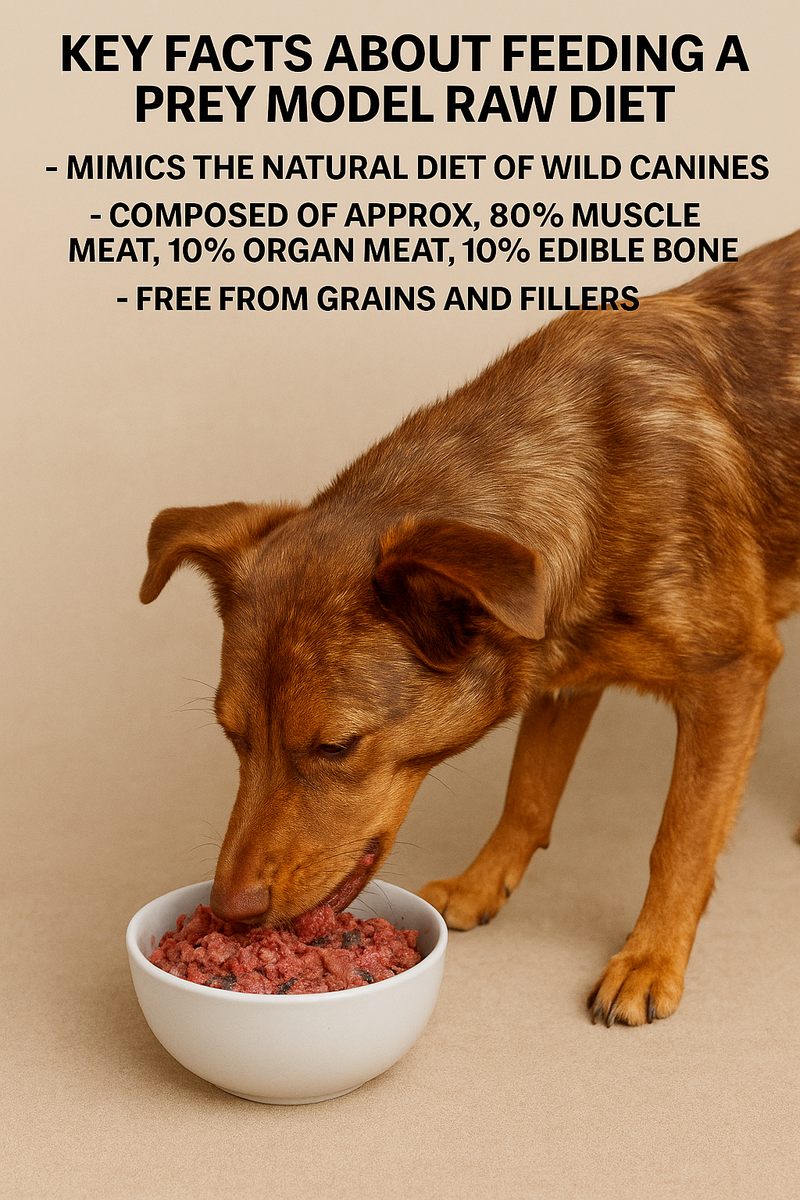
Credit: www.ancestralrawnutrition.com
Frequently Asked Questions
What Do Dogs Eat In The Wild?
In the wild, dogs primarily consume meat from prey animals. They also eat bones, organs, and sometimes fruits or vegetables. This diet provides essential nutrients and mimics their ancestral eating habits. Dogs are omnivorous, but their natural diet leans heavily towards carnivorous patterns.
Are Raw Foods Good For Dogs?
Raw foods can be beneficial for dogs, offering natural nutrition. These diets often include raw meat, bones, and vegetables. However, they must be prepared safely to avoid harmful bacteria. Consulting a veterinarian ensures a balanced approach that meets your dog’s nutritional needs.
Do Dogs Need Carbohydrates?
Dogs don’t need carbohydrates as a primary energy source. Their natural diet is protein-rich from meat. Some carbohydrates in fruits and vegetables can offer benefits. However, too many can lead to weight gain and health issues. Balancing protein and carbs supports healthy energy levels.
How Do Dogs Digest Food Naturally?
Dogs digest food efficiently through strong stomach acids. These acids break down proteins and kill bacteria. Their short intestines help quickly process nutrients from meat. This natural digestion process supports their high energy needs and overall health.
Conclusion
Understanding a dog’s natural diet is important for their health. Dogs thrive on a balance of proteins, fats, and carbohydrates. Raw meats, bones, and vegetables form the core of their diet. Always consult a vet for specific dietary needs. Every dog is unique.
Pay attention to their behavior and energy levels. Adjust diets as needed to keep them happy and healthy. Natural diets can improve digestion and coat condition. Remember, a healthy dog is a happy dog. Prioritize their nutrition to enhance their quality of life.
Your dog deserves the best nutrition possible.

Similar Posts