What to Write on a Dog ID Tag: Essential Tips
Senior Canine Nutritionist & Dog Behavior Specialist at Cozy Dog Go Wellness Lab
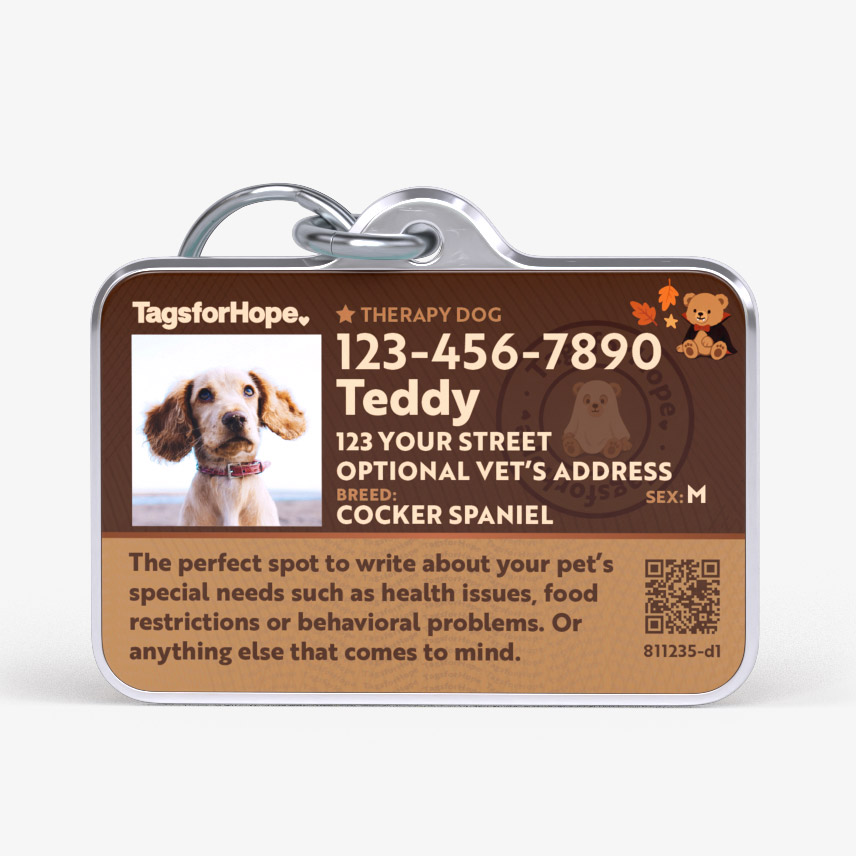
Your furry friend is more than just a pet—it’s a cherished member of your family. Ensuring their safety is a top priority, and a dog ID tag is one of the simplest yet most effective ways to do just that.
But what exactly should you write on that little tag hanging from your pup’s collar? Making the right choice could be the difference between a quick reunion or a long, anxious wait. This article will guide you through the essential information to include, ensuring your dog always finds its way back home.
Keep reading to discover what crucial details you might be overlooking and how to create a dog ID tag that stands out.
Importance Of Dog Id Tags
Dog ID tags are essential for every pet owner. They serve as a simple yet effective tool for reuniting lost pets with their families. A well-crafted ID tag can make all the difference in ensuring your dog’s safety. Understanding the importance of these tags can help protect your furry friend.
Easy Identification
ID tags ensure quick identification of your pet. They provide immediate information to anyone who finds your dog. This can be crucial in emergency situations. A clear tag helps in faster identification, reducing stress for both owner and pet.
Contact Information
Include your phone number on the tag. This allows someone to reach you quickly. It’s a direct link back to you. Your address can also be added. But remember, keep it simple and legible.
Medical Needs
Some dogs have specific medical needs. An ID tag can inform others of these conditions. This is vital if your dog requires medication or has allergies. It ensures your pet receives proper care even when you’re not around.
Legal Requirement
In some areas, ID tags are a legal requirement. Not having one can result in fines. It’s a small step to take for peace of mind. Check local laws to ensure compliance.
Sense Of Security
Knowing your dog has an ID tag provides peace of mind. It reassures you that your pet is identifiable. This sense of security is invaluable for any pet owner.
Credit: www.tagsforhope.com
Basic Information
When it comes to ensuring your furry friend’s safety, a well-crafted dog ID tag is a simple yet crucial tool. Basic information etched onto the tag can make a world of difference in the event your dog gets lost. It’s about providing essential details that can swiftly reunite you with your beloved pet. Let’s explore what basic information should be included on a dog ID tag.
Owner’s Name
Displaying your name on your dog’s ID tag personalizes it and establishes a point of contact. Imagine your dog wandering off and a kind stranger finding them. Having your name on the tag immediately tells them who to reach out to. Consider using your first name or your last name, depending on your comfort level. Just remember, the more identifiable you are, the quicker the reconnection process can be.
Phone Number
Including your phone number on your dog’s ID tag is arguably the most critical piece of information. It provides a direct line of communication for anyone who finds your dog. Ask yourself, how many times do you check your phone daily? That’s precisely why a phone number is ideal—it’s immediate and convenient. Make sure it’s a number you frequently use, ensuring you’re reachable whenever needed.
Home Address
Your home address can be a vital addition to your dog’s ID tag, particularly if you live in a tight-knit community. It offers a physical location for returning your pet. Reflect on how helpful it is when directions are clear and concise. If you have limited space, consider abbreviating the address or using your street name only. Always weigh the pros and cons of sharing this personal information, ensuring it serves the best interest of your pet’s safety.
Optional Details
Optional details on a dog ID tag can include your pet’s microchip number, medical needs, or a reward offer. These extra pieces of information help ensure your dog’s safe return if lost, providing peace of mind.
Optional details on a dog ID tag can provide extra security. They offer more ways to help your lost pet return home. While basic information is essential, these optional details add another layer of safety.Email Address
Adding an email address offers a modern contact method. It’s convenient for people who prefer online communication. Make sure the email is checked regularly. Use a simple format to avoid confusion.Secondary Contact Number
A secondary contact number is a backup. It ensures someone else can be reached if needed. Choose a reliable friend or family member. This extra number increases the chances of a quick reunion.Microchip Information
Include microchip info for added security. Note the microchip company and ID number. This detail helps in case the tag is lost. It also reassures that your dog has permanent identification.Medical Information
Including medical information on a dog’s ID tag is vital. It ensures prompt action during emergencies. This section highlights key health details that should be on your dog’s tag.
Allergies
Dogs can have allergies to specific foods or medications. These allergies can cause serious reactions. It’s crucial to note any allergies on their ID tag. This helps to prevent accidental exposure. Include common allergens like chicken or certain medications. If your dog has severe allergies, this detail can be lifesaving.
Medication Needs
Some dogs require regular medication to stay healthy. Mentioning medication needs on the ID tag is essential. List the name of the medication and dosage details. This ensures that caregivers or vets know what your dog needs. In case of separation, it helps maintain their health regimen. Providing clear medication information assists in quick treatment.
Personal Touch
A personal touch on a dog ID tag makes it special. Include your dog’s name, your contact number, and any vital health information. Adding a loving message or nickname can make it even more meaningful.
Adding a personal touch to your dog’s ID tag can make it not only a practical necessity but also a cherished keepsake. Think of it as an opportunity to reflect your dog’s personality and your unique bond. By including special details, you create a tag that is both functional and heartfelt.Pet’s Name
Your dog’s name is their identity. It’s the word that makes their tail wag and ears perk up. Including their name on their ID tag is essential for quick identification and can immediately connect a lost pet with a worried owner. Choose a font that matches your dog’s personality. Is your dog playful and quirky? Go for a fun, bold typeface. If they’re more of a regal presence, a classic script might be more fitting.Favorite Phrase
A favorite phrase can add an extra layer of personality to your dog’s ID tag. This could be something you often say to them or a quirky phrase that captures their character. Imagine a tag that reads, “I’m a good boy!” or “Queen of the park.” A phrase can also provide helpful information. If your dog is shy around strangers, a simple “I’m friendly, just shy” can encourage a gentle approach. Adding these personal touches makes the ID tag a reflection of your dog’s unique spirit. What phrase would capture your dog’s essence? Consider it a small, yet meaningful way to celebrate your furry friend.Choosing The Right Material
Selecting durable materials ensures a lasting dog ID tag. Stainless steel and brass resist rust and wear, offering reliability. Opt for lightweight aluminum for a more budget-friendly choice.
Choosing the right material for your dog’s ID tag is crucial. The material affects durability, appearance, and comfort. Different materials offer unique benefits. Pick one that suits your dog’s lifestyle and your preferences. Consider factors such as weight, resistance to wear, and aesthetics.Metal Tags
Metal tags are sturdy and long-lasting. They resist damage and look elegant. Common metals include stainless steel and brass. Stainless steel is rust-resistant and doesn’t tarnish. Brass offers a classic, warm look but needs regular cleaning.Plastic Tags
Plastic tags are lightweight and come in many colors. They are ideal for small dogs due to their light weight. They may scratch easily but don’t rust. Consider high-quality plastics for better durability.Silicone Tags
Silicone tags are soft and flexible. They are perfect for dogs with sensitive skin. These tags are quiet and won’t jingle. They are durable and easy to clean, but avoid excessive heat.Wooden Tags
Wooden tags offer a natural look. They are lightweight and eco-friendly. Ensure the wood is treated for outdoor use. They may not be as durable as metal or plastic.Leather Tags
Leather tags are stylish and unique. They suit dogs with a rustic style. Leather is soft and comfortable. It can wear out quickly if exposed to moisture. Regular conditioning helps maintain its appearance.Composite Tags
Composite tags combine materials for added benefits. They often mix metal and plastic for durability and design. These tags offer versatility in style and function. Ensure the combination suits your dog’s needs.Ensuring Readability
Include your dog’s name and your phone number on their ID tag. This ensures quick contact if they get lost. Consider adding a backup phone number for extra safety.
Ensuring readability on a dog ID tag is crucial. After all, the primary purpose of the tag is to provide essential information quickly and clearly. You wouldn’t want someone to struggle while trying to read your dog’s tag in an emergency. To make sure your dog’s ID tag is effective, consider the following tips on enhancing readability.Choose The Right Font
Selecting a clear and legible font is key. Sans-serif fonts like Arial or Helvetica work well because they are easy to read. Avoid overly decorative fonts that might look cute but can be difficult to decipher.Opt For A Suitable Font Size
A larger font size helps ensure that text is visible at a glance. While it’s tempting to fit a lot of information on the tag, prioritize readability. Keeping the text concise will allow for a bigger font size, making it easier for others to read.Consider Contrast
The color contrast between the text and the tag background should be stark. A dark font on a light background or vice versa is ideal. This contrast ensures that the information stands out, even in low-light conditions.Limit Information
Although it’s tempting to add as much info as possible, stick to the essentials. A dog’s name, your phone number, and perhaps a microchip number are sufficient. Overloading the tag with information reduces readability.Use Clear Language
Avoid abbreviations or complex words. Simple and straightforward language is best. Instead of “Call if found,” use “Call me” with your number, making it direct and actionable.Test The Tag
Before finalizing the tag, test its readability. Show it to a friend or family member and see if they can quickly gather the necessary information. Their feedback can be invaluable in ensuring the tag is effective. By focusing on these aspects, you can ensure that your dog’s ID tag is not only informative but also easy to read. Wouldn’t you want someone to effortlessly reach you if your furry friend wandered off?Credit: www.tagsforhope.com
Updating Information
Include your dog’s name and a reliable contact number on the ID tag. Add your address for extra security. Consider mentioning any medical conditions or allergies for emergencies.
Updating the information on a dog ID tag is crucial. Imagine if your pet gets lost and the contact details are outdated. It can make reuniting with them difficult. Keeping the tag up-to-date ensures you have the best chance of getting your furry friend back quickly. Regularly check and update the information on the tag. This simple action can be a lifesaver. Below are some key points to consider:Check Contact Information Regularly
Verify phone numbers and addresses on the ID tag. People change numbers and move homes often. Ensure the details are current. This helps anyone who finds your dog reach you easily.Include Alternate Contacts
An alternate contact on the tag can be helpful. If you can’t answer your phone, someone else can. Include a trusted friend or family member’s number. This increases the chances of a quick reunion.Keep Emergency Contacts Handy
Consider adding a vet or emergency contact. In case your dog needs medical attention, this information is useful. A vet’s number can guide someone in an emergency.Reflect Changes In Ownership
If ownership changes, update the tag immediately. The new owner’s details should be on the tag. This ensures the dog finds its way home correctly.Use Durable Materials
A durable tag prevents fading or damage. Choose materials like stainless steel or brass. These materials withstand weather and wear, keeping information readable.Review Periodically
Set a reminder to review the tag every few months. Life changes quickly, and staying proactive ensures your dog’s safety. Updating a dog’s ID tag regularly makes sure your beloved pet stays safe and easily identifiable.Credit: www.tagsforhope.com
Frequently Asked Questions
What Information Is Essential On A Dog Id Tag?
A dog ID tag should include the pet’s name and your phone number. Adding your address or email is also beneficial. This information helps ensure a quick reunion if your dog gets lost. It’s also wise to include any urgent medical needs.
Should I Include My Dog’s Name On The Tag?
Including your dog’s name can make it easier for someone to call your dog. However, some argue it can be used by thieves to gain the dog’s trust. Consider your location and personal preference when deciding.
Is It Necessary To Put My Full Address?
Your full address isn’t necessary, but including your city or neighborhood is helpful. This can assist someone in returning your dog locally. For privacy reasons, some owners choose only to include a phone number.
Can I Add A Message Or Note On The Tag?
Yes, adding a message like “I’m microchipped” or “Needs medication” can be helpful. These notes provide crucial information to anyone who finds your dog. It can expedite the reunion process and ensure your dog’s health needs are met.
Conclusion
A dog ID tag keeps your pet safe and identifiable. Simple, clear details make a huge difference. Include your dog’s name and your phone number. Consider adding your address for extra security. Avoid too much information; it can clutter the tag.
Use durable materials that withstand wear. Regularly check the tag for damage or fading. A well-chosen ID tag offers peace of mind. It’s a small item, but its impact is big. Prioritize your dog’s safety with a clear, durable tag.
Your furry friend’s safety is worth the effort. Keep them safe, keep them tagged.

Similar Posts