How to Use a Dog Whistle: Master Canine Training
Senior Canine Nutritionist & Dog Behavior Specialist at Cozy Dog Go Wellness Lab
Are you curious about how to communicate effectively with your furry friend? If you’ve ever wondered how a dog whistle works or considered using one, you’re in the right place.
A dog whistle can be a powerful tool to capture your dog’s attention, enhance training, and strengthen the bond between you and your pet. Imagine effortlessly guiding your dog with a simple sound, even from a distance. Sounds intriguing, right?
You’ll discover the secrets of using a dog whistle effectively and learn how this small device can make a big difference in your dog’s behavior. Stay tuned to unlock the potential of this simple yet fascinating tool and see how it can transform your training sessions into a more enjoyable experience for both you and your dog.
Choosing The Right Dog Whistle
Choose a dog whistle that suits your training needs. Different whistles produce varied sounds for specific commands. Practice consistently to ensure your dog responds effectively.
Choosing the right dog whistle is crucial for effective training. It can enhance communication between you and your furry friend. But not all whistles are the same. Selecting the right one requires understanding various factors.Types Of Dog Whistles
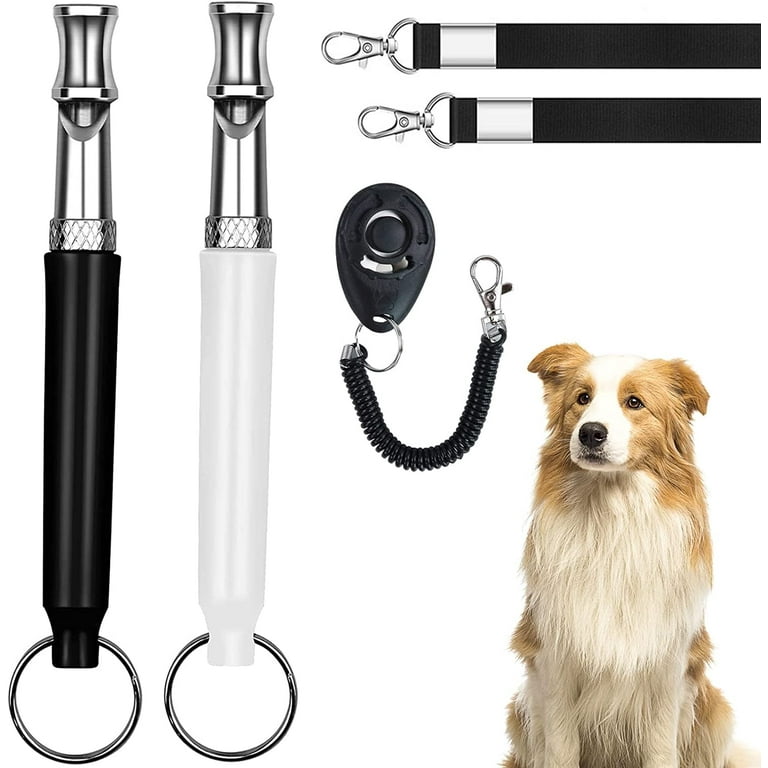
Dog whistles come in different types. Some are silent, while others produce audible sounds. Silent whistles emit high-frequency sounds. They are mostly inaudible to humans but can be heard by dogs. Audible whistles are more traditional. They produce sounds that both humans and dogs can hear. Each type serves a different purpose. Consider your training needs before choosing.Frequency And Pitch Considerations
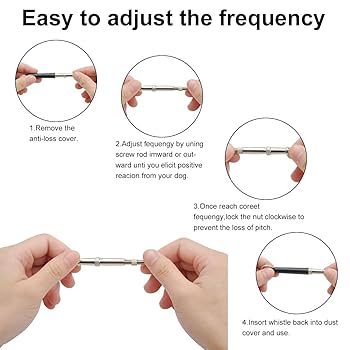
Frequency and pitch are important in whistle selection. Dogs respond to different frequencies. Some whistles allow you to adjust the pitch. This feature helps find the sound your dog responds to best. Experiment with settings to see what works. A whistle with adjustable frequency can offer more flexibility.Material And Durability
The material of a whistle affects its durability. Metal whistles are often more durable. They can withstand rough handling and outdoor conditions. Plastic whistles are lightweight and less durable. Choose a material based on your lifestyle. If you train outdoors, a sturdy metal whistle might be better. Durability ensures your whistle lasts longer.Understanding How Dog Whistles Work
Dog whistles emit sounds inaudible to humans, capturing a dog’s attention effectively. Start training by associating whistle sounds with commands. Consistent usage helps in reinforcing behavior and improving communication with your pet.
Understanding how dog whistles work is essential for effective use. Dog whistles produce sounds at frequencies that are inaudible to humans but can be heard by dogs. Their unique design allows dog trainers to communicate commands without disturbing others. This tool can be especially useful in training settings or outdoor environments.Sound Perception In Dogs
Dogs have a heightened sense of hearing. They can detect sounds beyond the human audible range. A dog whistle emits sounds at frequencies between 16,000 and 22,000 Hz. These high-pitched sounds catch a dog’s attention swiftly. The whistle can signal commands or alert dogs without verbal cues. Understanding this sound perception helps in using the whistle effectively.Benefits Of Using Dog Whistles
Dog whistles offer several advantages in training:- Silent to humans: They do not disturb people around.
- Consistent sounds: They produce the same tone every time.
- Long-range: Commands can reach dogs from far distances.
- Multi-use: Useful for recall, stopping barking, or teaching new commands.
Training Techniques With Dog Whistles
Dog whistles have long been a valuable tool for dog trainers. They offer a way to communicate with your furry friend at a frequency they can hear clearly, even when you can’t. Whether you’re looking to teach basic commands or refine advanced skills, dog whistles can enhance your training sessions. Let’s delve into some effective techniques for using dog whistles in training.
Basic Commands And Signals
Start with simple commands like ‘sit’, ‘stay’, and ‘come’. Pair each command with a distinct whistle pattern. For instance, a short burst for ‘sit’ and a longer sound for ‘stay’. It’s all about consistency. Use the whistle alongside verbal commands initially. Your dog will begin to associate the sound with the action.
In my experience, patience is key. When I first started with a dog whistle, my dog was confused. But repetition and treats worked wonders. Does your dog respond better to certain signals? Experiment to find what works best for them.
Advanced Training Methods
Once basic commands are mastered, move to complex tasks. Train your dog to fetch specific items or navigate obstacles. Use a combination of whistle signals to guide them. Break down each task into smaller steps and use the whistle to indicate progress. It’s like building a puzzle piece by piece.
Imagine your dog acing an agility course, responding to precise whistle commands. It’s achievable with practice. Have you ever noticed how your dog reacts differently to various tones? Use this to your advantage in advanced training.
Consistency And Reinforcement
Consistency is crucial. Stick to the same whistle patterns for each command. Reinforce positive behavior with rewards. This builds a strong association between the whistle and the desired action. With time, your dog will respond promptly to the whistle alone.
In training my own dog, I found that even a small break in routine led to confusion. Have you ever realized how small changes can impact learning? Keep the training sessions regular and rewarding to maintain progress.

Credit: www.amazon.co.uk
Common Mistakes To Avoid
Using a dog whistle can be an effective tool for training your furry friend, but it’s easy to fall into common pitfalls that can hinder progress. By understanding these mistakes, you can ensure that your training sessions are successful and your dog remains responsive. Let’s explore some common mistakes to avoid when using a dog whistle.
Overuse And Desensitization
One of the biggest mistakes is overusing the dog whistle. It might be tempting to use it frequently, thinking that repetition will reinforce training. However, constant use can lead to desensitization, where your dog starts ignoring the sound altogether.
Imagine the whistle as a special command—it should be reserved for specific tasks or behaviors. If you use it for every little thing, its significance diminishes, much like a word that loses its impact when repeated too often. Consider using the whistle only for crucial commands like recall, ensuring it retains its effectiveness.
Inadequate Training Sessions
Another common mistake is not structuring training sessions effectively. Using a whistle without proper training can confuse your dog, as they might not understand what the sound means. Training should be consistent and clear, with each session building on the last.
Have you ever tried to learn something new without clear instructions? Dogs feel the same way. Ensure that each session is focused and goal-oriented, with clear rewards for your dog’s correct responses. This approach not only clarifies the whistle’s purpose but also enhances your dog’s learning experience.
By avoiding these common mistakes, you can make the most of your dog whistle and strengthen your training regimen. Are there any other hurdles you’ve faced when training your dog? Share your experiences and let’s learn together!
Tips For Effective Training Sessions
Training your dog with a whistle can be rewarding. It requires patience and consistency. These tips will help you conduct effective training sessions.
Creating A Positive Environment
Ensure your dog feels safe and comfortable. Choose a quiet place without distractions. This helps your dog focus on the whistle commands. Use treats and praise to encourage good behavior. This creates a positive association with training time.
Building Trust With Your Dog
Trust is key in training. Start with simple commands your dog knows. Use a calm and friendly voice. Your dog will feel secure and eager to learn. Consistent practice builds confidence and strengthens your bond. Keep sessions short to maintain interest and energy.
Integrating Dog Whistle With Other Training Tools
Integrating a dog whistle with other training tools can enhance communication with your dog. This combination can improve obedience and reinforce positive behavior, making training sessions more effective and enjoyable.
Integrating a dog whistle with other training tools enhances your dog’s learning. It creates a more effective and comprehensive training environment. This approach ensures your dog understands commands better. A dog whistle can work well with verbal commands and treats. Here’s how to combine these methods for successful training.Combining Whistle With Verbal Commands
Pairing a dog whistle with verbal commands strengthens communication. Start by using a whistle sound before giving a verbal command. This helps the dog associate the sound with specific actions. For example, blow the whistle once, then say “sit.” Consistency is key. Use the same whistle tone for each command. Over time, your dog will respond to the whistle alone. This method is great for distance training. The whistle can reach your dog even when far away.Using Whistle Alongside Treats
Treats can motivate dogs to learn faster. Combine whistles with treats for positive reinforcement. Start by blowing the whistle, then reward your dog with a treat. This encourages them to associate the whistle sound with a reward. Keep sessions short to maintain your dog’s interest. Use high-value treats to keep your dog eager to learn. Gradually increase the time between the whistle and the treat. This teaches patience and obedience.Troubleshooting Training Challenges
Training your dog with a whistle can be rewarding, but challenges are inevitable. Sometimes, despite your best efforts, your furry friend might not respond as expected. Don’t be discouraged; these hiccups are part of the learning process. Understanding the nuances of dog whistle training can empower you to overcome these obstacles effectively.
Addressing Lack Of Response
Is your dog ignoring the whistle? One common issue is the lack of immediate response. It’s possible your dog hasn’t associated the whistle sound with a specific command yet. Reinforce the connection by repeating the whistle sound while performing the command physically. Reward them generously when they comply.
Consider the environment. Is it too distracting? If you’re training in a busy park, the myriad of sounds might be overwhelming. Try a quieter place first. Gradually introduce more distractions as your dog becomes accustomed to responding to the whistle.
Consistency is key. Make sure you’re using the same whistle sound for the same command every time. Mixing sounds can confuse your pet. Your dog needs to associate each whistle with a specific action.
Adjusting Techniques For Different Breeds
Every dog is unique, and breeds differ in their responsiveness to training methods. Some breeds are naturally more attuned to auditory cues, while others might need additional visual or physical prompts.
For instance, a Border Collie might quickly grasp whistle commands due to their intelligence and agility. In contrast, a Basset Hound might require more patience and repetition. Tailor your technique based on your dog’s breed characteristics.
Observe your dog’s reactions. Does your Labrador perk up at short, sharp sounds, or does a slower, longer whistle capture their attention better? Adjust your whistle technique according to what gets the best response. Be willing to experiment and adapt.
Have you noticed different breeds respond differently to training methods? Share your experiences and insights below. Your stories could help others facing similar challenges!

Credit: us.amazon.com

Credit: www.amazon.co.uk
Frequently Asked Questions
What Is A Dog Whistle Used For?
A dog whistle is used for training and communication with dogs. It emits a high-pitched sound that humans can’t hear, but dogs can. This tool helps in teaching commands, correcting behavior, and getting your dog’s attention. It’s effective for distance training due to its sound range.
How Does A Dog Whistle Work?
A dog whistle works by emitting a sound at a frequency dogs can hear. The sound is usually inaudible to humans but captures a dog’s attention. This makes it an effective tool for training. Dogs learn to associate the whistle’s sound with commands or actions.
Can A Dog Whistle Stop Barking?
Yes, a dog whistle can help stop barking. It interrupts the dog’s attention and redirects it. Consistent use with training can reduce unwanted barking. Pair the whistle with commands or rewards to reinforce positive behavior. It’s an effective tool when used correctly and consistently.
Are Dog Whistles Safe For Dogs?
Yes, dog whistles are safe for dogs when used properly. They emit a high-frequency sound that doesn’t harm dogs. However, overuse or incorrect use can cause stress. It’s crucial to use the whistle appropriately and follow training guidelines. Always observe your dog’s reaction to ensure comfort.
Conclusion
Dog whistles offer a gentle way to train dogs. Their sound is consistent, which aids learning. Using them correctly encourages desired behaviors. Start slow, with patience and practice. Always reward your dog for responding well. Over time, your dog will link the whistle with actions.
This tool can improve communication with your furry friend. Remember, training takes time and kindness. Each dog learns at their own pace. Stay calm and enjoy the process. Celebrate small successes. Your bond with your pet will grow stronger. Happy training with your dog whistle!

Similar Posts