Which Dog Breeds Have Rear Dewclaws: Discover Now
Are you curious about those intriguing little extra toes on some dogs’ back legs? Rear dewclaws might not be a common sight, but they hold a fascinating secret about certain dog breeds.
Whether you’re a dog owner, a lover of all things canine, or just someone with a thirst for knowledge, understanding which breeds sport these unique features can open up a whole new world of appreciation for our furry friends. Imagine knowing the hidden traits that set your dog apart, or discovering something new about a breed you thought you knew inside and out.
By the end of this article, you’ll not only learn which breeds have these elusive rear dewclaws but also gain insights into their purpose and significance. Keep reading, and you might just find yourself looking at dogs in a completely new light!
Understanding Dewclaws
Certain dog breeds naturally have rear dewclaws. These include the Great Pyrenees, Briard, and Saint Bernard. Dewclaws are small, extra toes found higher up on the dog’s paw.
Understanding Dewclaws Dewclaws are a fascinating part of dog anatomy that not all pet owners understand. These unique appendages, often found on the inside of a dog’s leg, can spark curiosity. Knowing more about them can help you better care for your furry friend and even inform your choice when considering which dog breed to adopt.Anatomy Of Dewclaws
Dewclaws are essentially extra digits, resembling a thumb on the human hand. They are located slightly higher on the leg compared to the rest of the toes. In some breeds, these dewclaws are firmly attached with bone and muscle, while in others, they hang more loosely. Their structure can vary significantly between breeds. For example, the Saint Bernard typically has rear dewclaws, which are often double. This unique feature adds to their charm and character. Understanding this anatomical aspect helps you appreciate the diversity in dog breeds.Purpose And Function
Dewclaws may seem like a quirky evolutionary leftover, but they serve practical purposes. In some breeds, they assist with gripping and stability, particularly when navigating rough terrain. This is especially true for working dogs that engage in activities requiring agility. Consider a dog scaling rocky surfaces or racing through snow. Those dewclaws can provide extra traction and support, preventing slips and falls. Have you ever noticed your dog using their dewclaws while running or playing? Despite their usefulness, dewclaws can sometimes pose challenges. They might snag on furniture or get injured during vigorous play. Regularly checking and trimming them can prevent such mishaps, ensuring your pet’s paws remain healthy and happy.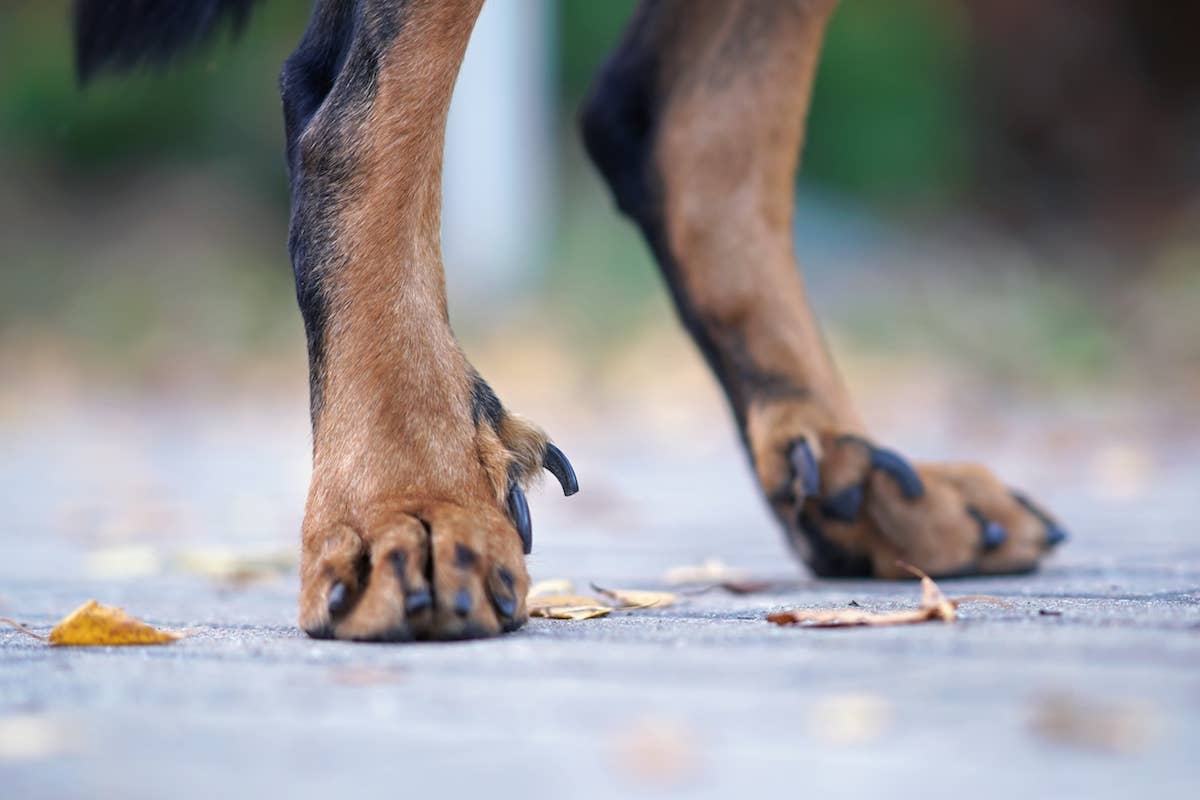
Credit: paradepets.com
Common Breeds With Rear Dewclaws
Some dog breeds have rear dewclaws, adding a unique feature. Dewclaws are often seen in certain breeds, enhancing their grip on rough terrains. These rear dewclaws can vary in size and function across breeds. Let’s explore common breeds known for this distinctive trait.
Briard
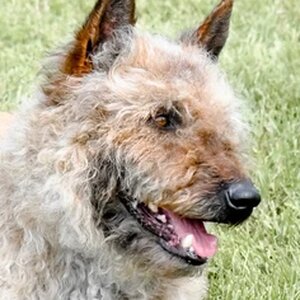
The Briard is a French herding dog with rear dewclaws. These dogs are known for their agility and strength. Dewclaws help them navigate rugged landscapes with ease. Briards have a long, flowing coat and are intelligent companions. Their dewclaws are a natural part of their anatomy, aiding in stability.
Beauceron
The Beauceron is another breed with rear dewclaws. Originating from France, they are powerful and loyal. Rear dewclaws provide extra grip during movement. Beaucerons are often used in herding and protection roles. Their dewclaws are well-developed, adding to their robust nature.
Rare Breeds With Rear Dewclaws
Certain dog breeds are known for having rear dewclaws, which are extra toes on their hind legs. Breeds like the Great Pyrenees, Briard, and Beauceron typically have these unique features. These dewclaws may serve specific purposes, such as providing extra traction or stability.
Rare Breeds with Rear Dewclaws Some dog breeds have rear dewclaws. These claws are unique features. Not many dogs have them. They are fascinating to learn about. Let’s explore two rare breeds.Icelandic Sheepdog
The Icelandic Sheepdog is a rare breed. It is native to Iceland. This dog is small and hardy. It has rear dewclaws on both legs. These dogs are friendly and playful. They are excellent herders. Their rear dewclaws help them in rough terrains.Norwegian Lundehund
The Norwegian Lundehund is a unique breed. It originated from Norway. It has six toes on each foot. Rear dewclaws are prominent in this breed. These dogs are agile and flexible. They can bend their joints easily. Lundehunds were bred to hunt puffins. Their extra toes help them climb cliffs.Dewclaw Care And Maintenance
Certain dog breeds, like the Great Pyrenees and Saint Bernard, possess rear dewclaws. These extra digits need regular care to prevent injury. Trim them frequently to avoid overgrowth and discomfort.
Dewclaws are small, extra toes found on some dog breeds. These claws need proper care to prevent issues. Neglect can lead to discomfort and potential injuries for your furry friend. Let’s explore effective ways to care for your dog’s dewclaws.Trimming Techniques
Trimming dewclaws is crucial to prevent overgrowth. Use a sharp, dog-friendly nail clipper for best results. Hold your dog’s paw firmly, ensuring a steady grip. Trim the dewclaw carefully, avoiding the quick, which is the sensitive part. If unsure, consult a vet or groomer for guidance.Preventing Injuries
Dewclaws can snag on surfaces, leading to tears or breaks. Regular checks help prevent such injuries. Ensure your dog’s environment is safe, reducing hazards. Keep dewclaws short to minimize risks. If an injury occurs, clean the area and seek veterinary advice. Proper care keeps your pet comfortable and healthy.Dewclaw Removal Considerations
Rear dewclaws are extra toes found on some dog breeds. They can be a concern for pet owners. These dewclaws are not always firmly attached. Many owners consider removal for safety and health reasons. It’s important to weigh the benefits and drawbacks of this decision. Consultation with a veterinarian is crucial. This ensures the best outcome for your furry friend.
Pros And Cons
Removing rear dewclaws can prevent injuries. Dogs with loose dewclaws might snag them easily. Removal reduces the chance of infections. It can also simplify grooming. Some argue that dewclaws might help with balance. They can offer grip during activities. Consider the dog’s lifestyle before deciding.
Veterinary Advice
Consulting a veterinarian is essential. They can assess the need for removal. They will examine how the dewclaw affects the dog’s health. If removal is recommended, they will ensure a safe procedure. Post-surgery care is important. A vet will provide guidelines to aid recovery.
Credit: www.cuteness.com
Historical Significance Of Dewclaws
Dewclaws have intrigued dog enthusiasts and historians for centuries. These extra toes, often seen on a dog’s hind legs, have a fascinating history. They offer insights into the evolution and roles of various dog breeds. Understanding their historical significance sheds light on how certain breeds developed their unique traits.
Dewclaws In Working Dogs
Working dogs often possess rear dewclaws. These dogs include breeds like the Great Pyrenees and Briard. Historically, dewclaws provided extra grip on rough terrain. Farmers and shepherds valued this feature. It helped dogs navigate rocky landscapes and climb steep hills. Dewclaws acted as stabilizers during challenging tasks. This trait proved beneficial in herding and guarding livestock.
Cultural Perspectives
Cultures worldwide have different views on dewclaws. In some regions, they symbolize strength and agility. For instance, the Basque people in Spain see them as a sign of a true working dog. In certain Asian cultures, dewclaws are linked to ancient legends. They believe these claws bring luck and protection. These cultural beliefs highlight the diverse significance of dewclaws across the globe.
Genetic Factors In Dewclaw Presence
Understanding the genetic factors in dewclaw presence can be intriguing. Dewclaws are unique traits seen in various dog breeds. Some breeds have rear dewclaws due to specific genetic factors. These factors influence whether a dog will have these extra digits.
Inheritance Patterns
The presence of rear dewclaws often follows certain inheritance patterns. In some breeds, it’s a recessive trait. This means both parents must carry the gene for offspring to have dewclaws. In others, it’s a dominant trait, appearing even if only one parent has the gene. Breeds like the Great Pyrenees commonly have rear dewclaws due to these patterns.
Selective Breeding
Selective breeding plays a significant role in dewclaw presence. Breeders may choose dogs with rear dewclaws for specific purposes. This practice can enhance a breed’s natural abilities. For example, the Beauceron breed is often bred to maintain their double dewclaws. This selection helps them perform better in certain tasks. Over time, selective breeding reinforces the presence of these traits in specific breeds.

Credit: www.threads.com
Frequently Asked Questions
What Are Rear Dewclaws?
Rear dewclaws are extra claws located on a dog’s hind legs. They are not present in all dog breeds. Dewclaws may serve a purpose in certain activities. However, they are often removed if they pose a risk of injury.
Which Breeds Have Rear Dewclaws?
Some breeds known for rear dewclaws include Briards, Great Pyrenees, and Beaucerons. These breeds often have double rear dewclaws. The presence of rear dewclaws can vary within individual dogs of these breeds.
Why Do Dogs Have Rear Dewclaws?
Rear dewclaws can help some dogs with stability and traction. They may aid dogs in navigating uneven terrains. However, not all dogs use them, and their purpose can vary among different breeds.
Are Rear Dewclaws Harmful?
Rear dewclaws can pose a risk if they catch on objects. They may cause injury if not properly maintained. Regular checks are essential to ensure they don’t hinder the dog’s movement or cause discomfort.
Conclusion
Knowing which breeds have rear dewclaws can help dog owners. It aids in better care for their furry friends. Certain breeds have these unique features. They include the Great Pyrenees, Briard, and Icelandic Sheepdog. Rear dewclaws can affect a dog’s activities and health.
Regular checks are important to prevent injuries. Understanding your dog’s breed helps in managing these extra toes. Proper grooming and vet visits are essential. Every dog is unique. Rear dewclaws are just one trait among many. Enjoy discovering what makes your dog special.
Always cherish your dog’s unique features. They are part of what makes them lovable companions.