Do Cats Hear a Dog Whistle: Unveiling Feline Hearing
Senior Canine Nutritionist & Dog Behavior Specialist at Cozy Dog Go Wellness Lab

Ever wondered if your feline friend can hear the high-pitched sound of a dog whistle? You’re not alone!
Many pet owners are curious about the mysterious world of animal hearing. Understanding whether cats can perceive these sounds can give you fascinating insights into their behavior and sensory abilities. Imagine unlocking a new level of communication with your pet or simply satisfying your curiosity about their extraordinary hearing.
This article dives deep into the science behind a cat’s hearing and uncovers whether they can detect those elusive dog whistle frequencies. Keep reading to discover how your cat’s ears work and what this could mean for your relationship with them.

Credit: thecatisinthebox.com
Feline Auditory System
The feline auditory system is a marvel of nature, designed to pick up a wide range of frequencies. Cats are known for their keen sense of hearing, often alert to sounds that humans can’t perceive. This superior hearing capability makes us wonder: could they hear a dog whistle, which is specifically designed to be inaudible to us?
Structure Of Cat Ears
Cat ears are not just cute; they’re highly functional. The outer ear, or pinna, is shaped to funnel sound waves into the ear canal. This design allows cats to detect sounds from various directions without moving their heads.
Inside the ear, the eardrum and three small bones transmit vibrations to the inner ear. The cochlea, a spiral-shaped organ, converts these vibrations into electrical signals that the brain interprets as sound. Cats can move their ears independently, enhancing their ability to locate the source of a sound.
Comparison With Human Ears
While humans can hear frequencies between 20 Hz and 20 kHz, cats can detect sounds in the range of 48 Hz to 85 kHz. This means they can hear higher-pitched sounds that are completely inaudible to us, like a dog whistle. Their ability to hear ultrasonic frequencies is a remnant of their hunting instincts, allowing them to detect the high-pitched noises of small prey.
Interestingly, this hearing prowess means your cat is probably more aware of your daily activities than you realize. Ever notice how they seem to appear out of nowhere when you open a can of food? Their acute hearing is at work, picking up the subtle sounds of the can opener.
Have you ever wondered why your cat seems to ignore you calling their name, yet reacts instantly to the rustle of a treat bag? It’s not just selective hearing—it’s their finely tuned auditory system prioritizing certain frequencies over others.
Understanding the feline auditory system not only deepens your appreciation for your pet but also highlights the unique adaptations that have allowed cats to thrive alongside humans. Next time you see your cat’s ears twitch, remember: they might be picking up on a whole world of sounds you can’t even imagine.

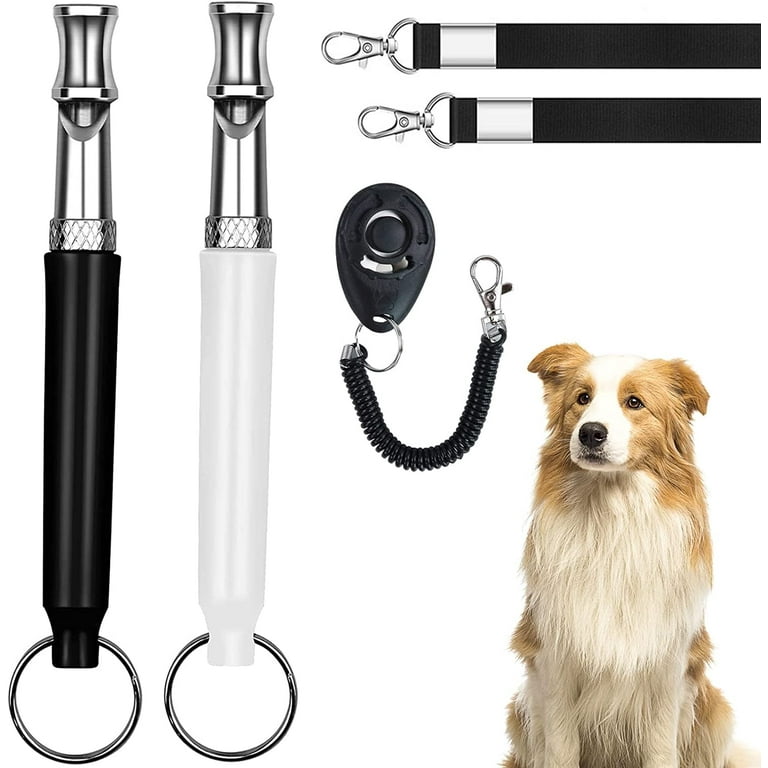
Credit: www.amazon.com
Frequency Range Of Cat Hearing
The world of sound is a fascinating landscape, especially for our feline friends. Cats have an extraordinary ability to hear a wide range of frequencies, allowing them to detect sounds that are often imperceptible to humans. Understanding the frequency range of cat hearing can provide insights into their behavior and responsiveness to various sounds, including the elusive dog whistle.
High-pitched Sounds
Cats are renowned for their acute hearing, particularly at high frequencies. They can detect sounds in the range of 48 Hz to 85 kHz. This means they can hear pitches much higher than humans, who typically hear up to 20 kHz. Imagine your cat responding to sounds that you can’t even perceive!
This superior hearing ability is why your cat can be startled by a subtle squeak or the rustle of a small animal. It also means that a dog whistle, which operates at frequencies between 16 kHz and 22 kHz, is well within their auditory range. Ever noticed your cat’s ears twitching in response to sounds you can’t hear?
Low-pitched Sounds
While cats excel at hearing high frequencies, their sensitivity to low-pitched sounds isn’t quite as remarkable. They can detect lower frequencies, but not with the same precision as high frequencies. Unlike dogs, who often respond to the bass-like vibrations of a deep bark, cats may be less interested in such sounds.
This characteristic explains why your cat might ignore the rumble of distant thunder or the hum of household appliances. Their focus is predominantly on the higher frequency sounds that signal prey or alert them to potential threats. Have you ever observed your cat’s selective attention towards particular sounds?
Understanding these nuances in cat hearing can help you better communicate and interact with your feline companion. How might you use this knowledge to enhance your cat’s environment and ensure their comfort? Consider the sounds they are exposed to daily and how you might adjust them to cater to their unique auditory experience.
Dog Whistles And Their Frequency
Dogs hear high-pitched sounds, including dog whistles, which are often beyond human hearing. Cats can also detect these frequencies. This is because cats have sensitive hearing abilities similar to dogs.
Dog Whistles and Their Frequency Dog whistles are fascinating tools that have been used for years to communicate with man’s best friend. Their high-pitched sound is often beyond human hearing but perfectly attuned to a dog’s keen senses. This raises an intriguing question: can cats hear them too? Understanding the frequency and purpose of dog whistles can help answer this curiosity.Purpose Of Dog Whistles
Dog whistles are primarily used for training and communication. They produce a sound that is effective over long distances and can be used to give commands without disturbing the environment. Have you ever found yourself at the park, trying to get your dog’s attention amid all the noise? A dog whistle cuts through the chaos, reaching your dog’s ears directly. Dog trainers appreciate this silent signal because it allows them to communicate commands without confusing or startling their canine companions. Plus, the sound is consistent, ensuring that your dog learns to associate specific whistle tones with specific actions.Typical Frequency Range
Dog whistles usually operate between 16,000 to 22,000 Hertz. These high frequencies are inaudible to humans, but perfect for dogs, who hear up to about 45,000 Hertz. You might wonder why such a high-pitched sound is effective. Dogs, unlike humans, have a much broader auditory range, allowing them to pick up these ultrasonic signals. Consider this: while humans might struggle to hear above 20,000 Hertz, cats can hear frequencies up to 64,000 Hertz. This means that not only dogs but also cats can potentially hear dog whistles. This might explain why your cat suddenly perks up its ears when you use the whistle on your dog. With this knowledge, think about how you might use a dog whistle in your pet training routine. Could it be a secret tool to engage your cat as well?
Credit: www.petacoustics.com
Can Cats Hear Dog Whistles?
Cats can hear a dog whistle because their hearing range is broader than dogs. They detect high-frequency sounds, including ultrasonic noises. So, a dog whistle is audible to them, even if humans remain unaware.
Can cats hear dog whistles? This question intrigues many pet owners. Dog whistles emit high-frequency sounds. These sounds are often inaudible to humans. But animals like dogs can hear them. This brings us to cats. Do their ears pick up these high-pitched sounds? Let’s explore what science and observations say.Scientific Studies
Studies show cats have an exceptional hearing range. They can detect frequencies from 48 Hz to 85 kHz. This range surpasses both humans and dogs. Dog whistles usually emit sounds above 20 kHz. In theory, cats can hear them. Scientists believe cats’ hearing helps them hunt. They catch high-pitched noises from small prey. This suggests dog whistles are within their hearing capacity.Anecdotal Observations
Pet owners often share their experiences. Some report their cats reacting to dog whistles. Reactions vary. Some cats show curiosity. Others may seem startled or indifferent. These observations aren’t scientifically backed. They depend on individual cat behavior. Owners notice different responses. Some cats might ignore the sound. Others might approach the source. These stories provide interesting insights. Yet, they lack scientific validation.Factors Influencing Cat Hearing
Cats have sensitive ears and can detect high-frequency sounds. A dog whistle produces sounds typically beyond human hearing but within a cat’s audible range. Their acute hearing can pick up these high-pitched tones, which may cause curiosity or discomfort.
Understanding the factors that influence a cat’s hearing can help you create a more harmonious environment for your feline friend. Cats, known for their acute hearing, might surprise you with how they respond to certain sounds, including a dog whistle. Let’s dive into the various elements that could affect how well your cat hears.Age And Health
As cats age, their hearing capabilities can diminish, much like in humans. A young kitten might hear a wider range of frequencies compared to an older cat. Health conditions such as ear infections or wax buildup can also hinder their hearing abilities. Regular veterinary check-ups can ensure these issues are caught early. Have you noticed your older cat not responding to familiar sounds? This might be an indication of age-related hearing loss.Environmental Noise
The environment plays a significant role in how well your cat hears. A noisy home can mask certain sounds, making it difficult for your cat to pick up on specific frequencies like that of a dog whistle. Consider the sounds that your household appliances or electronic devices produce. Do you have a loud fan or an always-on TV? These could interfere with your cat’s ability to hear softer sounds. Creating a quieter space might help your cat respond better to the sounds you want them to hear. Have you tried observing your cat’s behavior when the house is quieter? You might find their responses more attentive and alert.Implications For Pet Owners
Understanding if cats hear a dog whistle holds value for pet owners. Knowing how cats react can guide training and home life. Owners can use sound to manage pet behavior effectively.
Training Cats With Sound
Cats respond to high-pitched sounds, similar to dog whistles. Using these sounds can aid in training. For example, associating a whistle with a reward may teach new behaviors. This method requires patience and consistency. Cats might not respond immediately like dogs. Gradual introduction ensures cats don’t get startled. Always pair the whistle with a positive experience.
Considerations For Multi-pet Homes
In homes with both cats and dogs, sound management is key. A dog whistle affects both animals. Different pets have varying sensitivity to sound. Ensure the sound doesn’t stress either pet. Observe each pet’s reaction to the whistle. Adjust the sound usage based on their comfort. This careful approach maintains harmony in a multi-pet environment.
Frequently Asked Questions
Can Cats Hear Dog Whistles?
Yes, cats can hear dog whistles. Dog whistles emit sounds at high frequencies. Cats have a range of 48 kHz, which is higher than dogs. This allows them to detect these sounds, even if humans cannot.
Why Do Cats React To Dog Whistles?
Cats may react to dog whistles because the sound falls within their hearing range. This high-frequency noise can be intriguing or annoying to them. It might provoke curiosity or discomfort, leading to various reactions.
Are Dog Whistles Harmful To Cats?
Dog whistles are generally not harmful to cats. However, prolonged or loud exposure might cause discomfort. It’s important to use dog whistles sparingly around pets. Ensure the volume and frequency are appropriate to avoid stressing them.
How Do Cats Compare To Dogs In Hearing?
Cats have superior hearing compared to dogs. They can hear higher frequencies than dogs, up to 48 kHz. This makes them sensitive to sounds like dog whistles. Their acute hearing helps them detect prey and stay alert to their surroundings.
Conclusion
Cats have incredible hearing abilities. They detect sounds that humans miss. Dog whistles produce high-frequency sounds. These sounds are often beyond human hearing. Cats can hear these frequencies. Their sensitive ears pick up sounds easily. This is why cats sometimes react to dog whistles.
Every cat is unique, though. Reactions can vary. Some cats might ignore the sound. Others may show curiosity or irritation. Understanding your cat’s behavior helps. Pay attention to their responses. It’s fascinating to explore how animals hear. Always consider your pet’s comfort with sounds.
Their well-being is important.

Similar Posts