Have you ever wondered about the right age for breeding your dog? As a loving pet owner, you want to make sure that your furry friend is healthy and ready before embarking on this significant step.
Breeding too early or too late can impact your dog’s health and the wellbeing of her puppies. You might feel overwhelmed by all the conflicting advice out there, but don’t worry—you’re not alone. This article will give you clear, straightforward guidance on how old your dog should be before breeding.
You’ll learn about the physical and emotional readiness required for breeding, and how to ensure your dog is fully prepared. By understanding the right age for breeding, you will not only safeguard your dog’s health but also contribute to creating a better future for her puppies. Let’s dive into the essential details so you can make informed and compassionate decisions. Keep reading to find out everything you need to know about the perfect time for your dog to start her journey into motherhood.
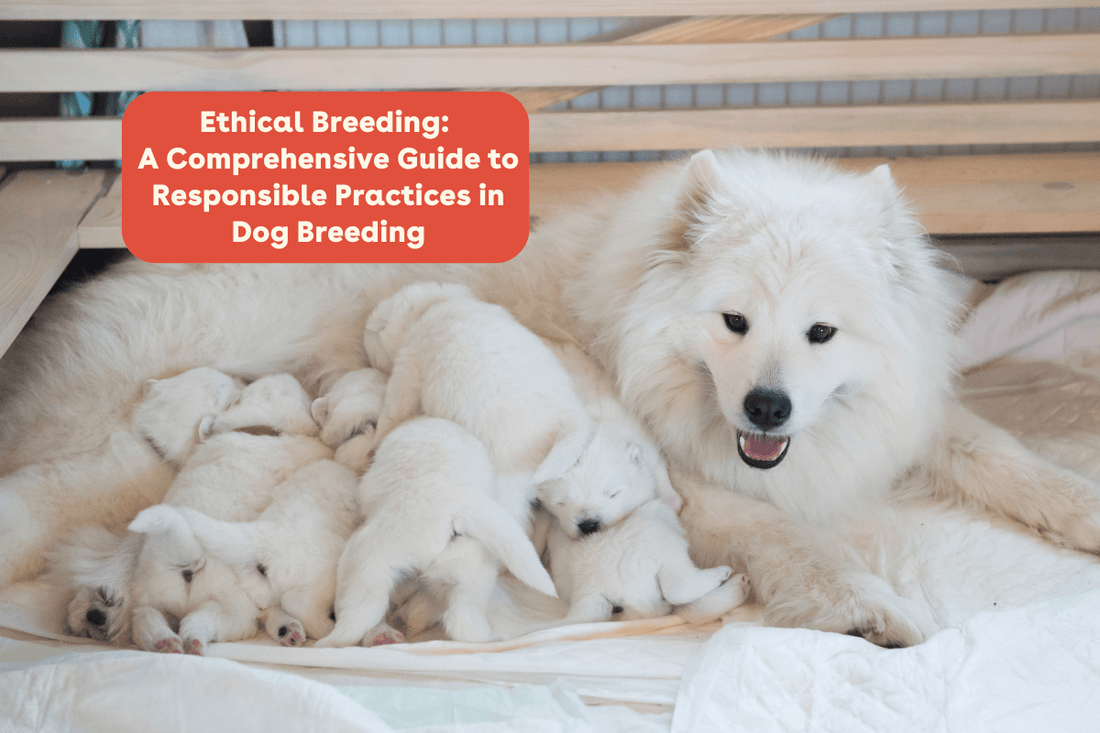
Credit: pupford.com
Ideal Age For Dog Breeding
Dogs should reach maturity before breeding. Typically, the ideal age is between 2 and 5 years old. Ensuring they are fully grown helps prevent health issues and supports responsible breeding practices.
Understanding the ideal age for dog breeding is crucial for ensuring the health and well-being of both the parent dogs and their puppies. As a responsible pet owner or breeder, knowing the right time to breed your dog can make a significant difference. It’s not just about age; it’s about readiness, maturity, and ensuring the best outcomes for all involved.Physical Maturity
Dogs, like humans, mature at different rates depending on their breed and size. Smaller breeds often reach physical maturity faster than larger ones. Generally, small breeds can be bred as early as 1 year, while larger breeds might need to wait until they are 18-24 months old. It’s essential to ensure your dog has reached full physical maturity before breeding. This ensures they are strong enough to handle the demands of pregnancy and nursing.Emotional Maturity
A dog’s emotional maturity is just as important as their physical readiness. Young dogs might not possess the nurturing instincts necessary to care for puppies. Consider your dog’s behavior and temperament. Are they calm and patient, or still in their playful puppy phase? Emotional readiness can greatly impact the quality of care a dog provides to her litter.Health Assessments
Before breeding, a comprehensive health check is a must. Your veterinarian can conduct tests to ensure your dog is free from hereditary diseases that could be passed to puppies. Vaccinations should be up-to-date, and your dog should be in excellent health. Regular vet visits can help catch potential issues early, ensuring a safer breeding process.Breeding Experience And Guidance
If you’re new to breeding, seeking guidance from experienced breeders can be invaluable. They can share insights on timing, care, and best practices. Consider joining local breeding clubs or online forums. These communities can provide support and advice, helping you navigate the complexities of dog breeding.Personal Experience: Learning From My Dog Bella
With my dog Bella, I learned the importance of timing firsthand. I thought she was ready at 1 year, but her playful nature suggested otherwise. Waiting until she was 2 years old made all the difference; she was a natural, nurturing mother. Reflect on your dog’s personality and readiness. Are they truly prepared for this next chapter? Making informed decisions ensures the best for your dog and her future puppies. Breeding dogs is a significant responsibility. The right age isn’t just a number but a combination of physical, emotional, and health readiness. By considering these factors, you can contribute to healthier, happier dogs.Factors Influencing Breeding Age
Breeding a dog is a significant decision that requires careful consideration of various factors influencing the optimal age for breeding. It’s not just about reaching a certain age; you need to ensure your dog is ready both physically and mentally. These factors include breed-specific characteristics and the dog’s health and physical maturity. Understanding these elements can guide you in making informed choices about your dog’s breeding timeline.
Breed-specific Considerations
Different dog breeds have unique characteristics that impact the appropriate breeding age. Larger breeds like Great Danes often mature slower, so they might not be ready to breed until they are two years old. In contrast, smaller breeds such as Chihuahuas can reach maturity much quicker, sometimes ready by their first year. It’s crucial to research your dog’s specific breed to understand its developmental milestones. Are you aware of your dog’s breed-specific needs?
Health And Physical Maturity
Your dog’s health plays a critical role in determining the right breeding age. Physical maturity is essential, as breeding too early can lead to health complications for both the mother and her puppies. Regular vet check-ups are necessary to ensure your dog is physically ready. Pay attention to signs of maturity such as stable weight and energy levels. Would you want to risk breeding a dog that isn’t fully mature?
Besides physical readiness, mental maturity is equally important. A mentally mature dog can handle the demands of pregnancy and motherhood. Observing your dog’s behavior can offer insights into their readiness. Do they seem responsible and calm? These factors, combined with breed-specific insights, can help you determine the best time to breed your dog.
Risks Of Early Breeding
Breeding dogs too early poses health risks. Dogs should be at least two years old before breeding. Early breeding can lead to physical and behavioral problems. Proper age ensures healthier offspring and reduces complications for the mother.
Breeding dogs is a significant decision. Age plays a crucial role in determining the right time. Breeding too early can lead to numerous risks, impacting both health and behavior. Early breeding often results in complications that could affect the dog’s future well-being.Health Complications
Breeding too young can harm a dog’s health. Immature bodies aren’t ready for the physical demands of pregnancy. Young dogs may face difficulties during childbirth. Their organs and bones might not be fully developed, leading to injuries. Early breeding can increase the risk of genetic disorders. Puppies born from young parents may inherit these issues. Proper health checks are essential to ensure the safety of both mother and offspring.Behavioral Issues
Behavior can be affected by early breeding. Young dogs are often not mentally mature. They might struggle to care for their puppies. Stress levels can rise, affecting both mother and puppies. Behavioral problems can lead to abandonment or aggression. Young dogs may not have learned essential social skills. This can affect their interaction with other dogs and humans. Proper training and maturity are vital for a stable environment.Benefits Of Waiting
Dogs should be at least two years old before breeding. This ensures they are physically mature and healthy. Waiting helps prevent health issues for both the mother and puppies, leading to stronger offspring.
Breeding dogs requires careful consideration and timing. Waiting until a dog is mature offers numerous benefits. It ensures healthier puppies and a better experience for the mother. Rushing into breeding can lead to complications. Let’s explore the advantages of delaying breeding.Improved Health Outcomes
Waiting allows dogs to reach full physical maturity. Mature dogs have stronger immune systems. This reduces the risk of health issues during pregnancy. Puppies born to mature dogs are often healthier. They face fewer complications and have better survival rates. The mother’s body handles pregnancy better. This minimizes stress and potential health problems.Enhanced Development
Dogs need time to develop emotionally and physically. Mature dogs are more stable and ready for parenthood. They understand how to care for their puppies. This leads to better puppy development. Puppies benefit from a nurturing environment. They grow up well-adjusted and confident. Waiting also ensures dogs are mentally prepared. This results in a smoother breeding process. Overall, patience in breeding yields positive results. It fosters a healthier, happier canine family.Signs Of Readiness In Dogs
Understanding when your dog is ready to breed is crucial for ensuring the health and well-being of both the dog and its future puppies. Recognizing the signs of readiness can help prevent complications and ensure a successful breeding process. But how do you know when your dog is truly ready? Let’s explore the physical and behavioral indicators that signal readiness in dogs.
Physical Signs
Physically, a dog should be fully mature before breeding. This maturity can be observed in various ways:
- Size and Weight:Your dog should have reached its adult size and weight. Breeding too early can lead to complications due to the dog not being fully developed.
- Health Check:Regular veterinary check-ups are essential. Make sure your dog is free from any health issues that could affect pregnancy.
- Heat Cycle:Females should have gone through at least two heat cycles. This ensures they are hormonally ready and increases the chance of a successful mating.
Have you ever noticed how your dog’s energy levels change during different stages of development? It’s fascinating to see these physical transformations. Observing these signs will give you confidence in your dog’s readiness.
Behavioral Indicators
Behavioral changes are also key signs of breeding readiness:
- Calm Demeanor:Dogs that are ready to breed often display a more settled and calm demeanor. They are less likely to exhibit puppy-like hyperactivity.
- Interest in Mating:Both male and female dogs may show increased interest in mating. This can include sniffing, following, and interacting more with potential mates.
- Social Behavior:You’ll notice your dog being more social or affectionate, which can be a sign of readiness for mating.
Have you observed these behaviors in your dog? It’s intriguing how their instincts guide them. These signs are not just clues; they are your dog’s way of communicating readiness.
As you observe these signs, ask yourself: Is my dog truly prepared for this next step? Responsible breeding requires careful consideration, and by recognizing these signs, you can make informed decisions for your dog’s health and future.
Veterinary Guidance
Breeding a dog is a significant responsibility that requires careful consideration and expert guidance. Consulting with a veterinarian ensures that you have the right information to make informed decisions about your dog’s health and well-being. How do you know if your dog is ready for this life-changing event?
Pre-breeding Health Checks
Before considering breeding, it’s crucial to schedule a comprehensive health check with your veterinarian. A vet will assess your dog’s overall health, screening for genetic diseases and other health conditions. This step helps prevent passing on inherited issues to puppies, ensuring a healthy lineage.
During the health check, your vet may recommend specific tests based on your dog’s breed, age, and medical history. These tests can include blood work, heart evaluations, and hip dysplasia screenings. Trusting your vet’s expertise can save you and your dog from potential heartbreak down the line.
Nutritional Requirements
Your dog’s diet plays a pivotal role in their readiness for breeding. A well-balanced diet supports reproductive health and prepares your dog for the physical demands of pregnancy. Are you providing the right nutrients for your dog’s breeding journey?
- Ensure your dog receives a high-quality diet rich in proteins, fats, and essential vitamins.
- Consult your vet about any necessary supplements, especially if your dog has specific dietary needs.
- Monitor your dog’s weight, as obesity can impact fertility and pregnancy outcomes.
Remember, a healthy diet not only boosts fertility but also contributes to the overall well-being of your dog. Make dietary adjustments as needed, guided by veterinary advice, to support your dog’s breeding and future puppy-rearing capabilities.
Ethical Considerations
Breeding dogs is not just about matching a pair of animals and hoping for the best. It requires a deep understanding of the ethical considerations involved. Deciding when a dog is ready to breed is a significant responsibility that impacts not only the animals involved but also the future generations of dogs. As a breeder, you are entrusted with the task of making choices that align with ethical standards and promote the well-being of the dogs.
Responsible Breeding Practices
Responsible breeding practices are crucial in maintaining the health and happiness of dogs. They require careful planning and consideration of factors such as age, health, and temperament. A dog should be physically mature before breeding, generally around two years old, to ensure they are fully developed and capable of handling the demands of pregnancy and parenting.
Have you ever thought about the genetic lineage of your dog? Responsible breeders often dive into the ancestry of their dogs to prevent hereditary issues. They prioritize health screenings and genetic tests to ensure only the best traits are passed on.
- Assessing the dog’s health through regular veterinary check-ups.
- Ensuring the dog has reached full physical maturity.
- Conducting genetic tests to rule out hereditary diseases.
Impact On Dog Welfare
Breeding too early can have detrimental effects on a dog’s health. It can lead to complications during pregnancy and affect the well-being of both the mother and her puppies. Young dogs might not be emotionally ready to handle the stress of parenting, impacting their overall welfare.
Consider the emotional stress a dog could face if bred too young. Puppies need a mother who can nurture them without distress. As a breeder, it is your duty to ensure that the dog is in a position to offer this care effectively.
Is the dog’s welfare your priority? Ethical breeding means putting the dog’s needs first. It involves making informed decisions that prioritize their physical and emotional health.
| Aspect | Consideration |
|---|---|
| Physical Health | Ensure the dog is fully mature and healthy. |
| Emotional Well-being | Make sure the dog is ready emotionally to care for puppies. |

Credit: www.facebook.com
Common Misconceptions
Understanding the right age for breeding dogs can be confusing. Many pet owners have misconceptions about when their furry friends should start breeding. These misunderstandings can affect the health of both the dog and the puppies. Let’s explore some common myths surrounding dog breeding age.
Age Myths
Many believe that dogs can breed as soon as they reach sexual maturity. This is not true. While some dogs become fertile at six months, this doesn’t mean they should breed. Breeding too early can harm the dog’s health. It’s better to wait until the dog is fully grown. For most dogs, this means waiting until they are at least two years old. This ensures they are physically and mentally ready for the demands of parenthood.
Breeding Frequency
Some think breeding dogs frequently is beneficial. This is a misconception. Overbreeding can lead to health issues for the dog. It can also result in lower-quality puppies. Dogs need time to recover between litters. A good rule is to allow at least a year between breeding cycles. This gives the dog time to regain strength and health. Responsible breeders prioritize the well-being of their dogs over the number of litters.

Credit: www.instagram.com
Frequently Asked Questions
What Is The Ideal Age For Breeding Dogs?
The ideal age to breed dogs is typically between 2 to 5 years. This age range ensures they are physically mature and healthy. Breeding too early or too late can pose health risks to both the mother and puppies. Always consult a veterinarian for personalized advice.
Can A Dog Be Too Young To Breed?
Yes, dogs can be too young to breed. Breeding before 2 years can lead to health issues. Young dogs may not be fully developed physically or emotionally. This can result in complications during pregnancy or delivery. It’s crucial to wait until they reach maturity.
Is There A Maximum Age Limit For Breeding Dogs?
Yes, there is a maximum age for breeding dogs. Typically, breeding should stop around 7 years. Older dogs face increased health risks during pregnancy and delivery. Their fertility also declines with age. Always consult a veterinarian for guidance on your dog’s breeding age.
Are There Health Tests Before Breeding?
Yes, health tests are essential before breeding. These tests help ensure the dog is free from genetic disorders. Common tests include hip and elbow dysplasia, eye exams, and cardiac evaluations. Conducting these tests ensures healthier puppies and reduces the risk of inherited diseases.
Conclusion
Deciding the right age for breeding dogs is essential. It ensures health and safety. Most experts suggest waiting until dogs are mature. Typically, this means around two years old. Early breeding can cause health issues. Both for the dog and puppies.
Responsible breeding promotes better outcomes. Healthy and happy dogs lead to healthy litters. Always consult a trusted vet. They provide guidance specific to your dog’s needs. Breeding is a big responsibility. Understanding the right age helps. It ensures a positive experience for everyone involved.
Prioritize your dog’s well-being above all. That leads to successful breeding journeys.