
How to Stop Dogs from Breeding: Effective Solutions
Are you struggling with your dog’s endless energy and the surprise of new puppies? You’re not alone.
Many pet owners face the challenge of controlling their dogs’ natural breeding instincts. Unplanned litters can lead to stress, financial strain, and concerns about finding homes for the pups. In this guide, you’ll discover effective strategies to prevent your dogs from breeding.
We’ll explore practical tips that cater to your lifestyle and ensure your furry friends remain healthy and happy. By the end of this article, you’ll feel confident in managing your dog’s breeding habits, giving you peace of mind and a harmonious home. Ready to take control? Let’s dive in.

Credit: www.peta.org
Spaying And Neutering
Spaying and neutering effectively prevent dogs from breeding, ensuring population control and healthier pets. These procedures eliminate reproductive capabilities, reducing unwanted litters and associated health issues.
Spaying and neutering are effective methods to prevent dogs from breeding. These procedures involve the surgical removal of reproductive organs, ensuring dogs cannot reproduce. Spaying is for female dogs, while neutering is for males. These surgeries provide numerous health benefits and help control the dog population. They are safe and common practices recommended by veterinarians.Benefits Of Sterilization
Sterilization reduces the risk of certain cancers in dogs. Female dogs have a lower chance of uterine infections. Male dogs experience fewer prostate issues. Spayed and neutered dogs often live longer, healthier lives. They also show reduced aggressive behaviors. Less marking of territory and roaming occur. This makes them safer and more sociable pets.Procedure And Recovery
The spaying and neutering process is straightforward. A vet performs the surgery under anesthesia. The dog usually goes home the same day. Recovery time is typically one to two weeks. Dogs may wear a cone to prevent licking wounds. Pain is managed with prescribed medication. Regular check-ups ensure proper healing. Keeping the dog calm aids the recovery process.Cost Considerations
The cost of spaying and neutering varies. Factors include location and the dog’s size. Many clinics offer affordable options. Some animal shelters provide discounted services. Veterinary schools may have lower-cost programs. Investing in these procedures can save future costs. They prevent health issues and unwanted litters. Budgeting for sterilization is a wise choice for pet owners.Contraceptive Options
Stopping dogs from breeding involves several contraceptive options. Spaying or neutering is effective and permanent. Hormonal injections offer temporary control, while separation prevents unwanted mating.
When it comes to preventing unwanted dog pregnancies, contraceptive options can be helpful. These methods provide alternatives for pet owners who want to avoid surgical interventions. Understanding these options ensures that you make the best choice for your furry friend.Chemical Methods
Chemical contraceptives offer a non-surgical way to manage reproduction. These include medications and hormone injections. They work by regulating or suppressing the reproductive cycle. Such methods can be administered by a veterinarian. Regular check-ups are necessary to monitor the dog’s health. It’s important to follow the dosage instructions precisely.Temporary Solutions
Temporary contraceptive solutions are ideal for short-term prevention. They include oral pills and injectable hormones. These options are reversible and provide flexibility. Dog owners can choose them for specific periods. Temporary solutions require commitment to regular administration. They may suit dogs not ready for surgery.Pros And Cons
Every contraceptive option has its advantages and drawbacks. Chemical methods offer a non-invasive approach. They don’t require recovery time like surgery does. However, they may have side effects such as weight gain or changes in behavior. Temporary solutions provide reversible prevention. They allow easy control over the breeding cycle. Yet, they demand consistent application and monitoring. Consider the dog’s health and lifestyle when choosing a method. Each option requires careful consideration to ensure safety and effectiveness.Behavioral Management
Behavioral management helps control dog breeding through consistent training and supervision. Spaying or neutering is a vital step. Regular vet visits ensure health and prevent unwanted mating.
Behavioral management is a crucial tool in preventing dogs from breeding. It’s not just about the physical separation of dogs but also about understanding and influencing their behavior. With the right techniques, you can effectively manage your dog’s interactions and ensure they stay calm and well-behaved.Training Techniques
Training your dog with a focus on obedience can significantly reduce unwanted breeding behaviors. Commands like “stay,” “leave it,” and “come” can prevent a dog from running towards potential mates. Consistent training sessions build a strong foundation of trust and respect between you and your dog. Positive reinforcement is your ally. Reward your dog with treats, praise, or playtime whenever they follow your commands. This encourages them to repeat the desired behavior and ignore distractions.Supervised Interaction
Keeping a watchful eye on your dog during interactions with other dogs can prevent accidental breeding. It’s not just about being there physically but being attentive to their body language and signals. Consider using a leash even in familiar environments. This gives you control over your dog’s movements and interactions, ensuring they remain safe and under supervision. If you have a multi-dog household, schedule playtimes and interactions. This prevents unsupervised encounters and helps maintain a harmonious environment.Importance Of Socialization
Socializing your dog from a young age can significantly reduce anxiety and aggressive behavior. Well-socialized dogs are less likely to act out impulsively, including mating behaviors. Introduce your dog to various environments, people, and other dogs. This exposure teaches them to remain calm and composed in different situations. Have you noticed how dogs that frequently meet other dogs seem more relaxed? Regular socialization reinforces positive behavior patterns, making it easier to manage their interactions. Behavioral management is not just about controlling your dog; it’s about fostering an environment where they feel secure and understood. What techniques have you found most effective in managing your dog’s behavior?Environmental Control
Controlling dog breeding involves various strategies such as neutering, supervising interactions, and separating male and female dogs. Educating pet owners on responsible breeding practices can also help manage population growth.
Controlling the environment is a crucial step in preventing unwanted breeding in dogs. By managing their surroundings, you can greatly reduce the chances of accidental mating. Let’s explore some effective strategies you can implement.Secure Fencing
Having a secure fence is essential to keep your dogs safely contained. A solid fence not only prevents your dogs from escaping but also keeps other animals out. Ensure that the fence is high enough and doesn’t have gaps or weak spots. You might be surprised how agile some dogs can be, so consider adding extra height or barriers if necessary. Electric fences can be another option, but remember, they require careful training and supervision to be effective. A neighbor once shared how a simple addition of chicken wire along the bottom of her fence stopped her dog from digging out.Separate Living Spaces
Designating separate living spaces for male and female dogs can prevent breeding. This is especially important if you have multiple dogs of different sexes in your household. Use baby gates or closed doors to create distinct areas. Consider setting up individual kennels or crates if space is limited. A friend of mine successfully used this method by transforming her garage into a cozy space for her male dog during the female’s heat cycle. This approach can provide peace of mind and maintain harmony within your home.Monitoring During Heat Cycles
Understanding and monitoring your female dog’s heat cycle is vital. Dogs typically go into heat every six months, but this can vary. Keep a calendar to track when she is in heat and note any changes in behavior. During this time, closely supervise her when she is outside, even if you have a secure yard. Leash walks instead of free roaming can help prevent any unexpected encounters. Do you remember the last time you let your guard down for just a moment? Taking these precautions can save you from a similar scenario. By implementing these environmental controls, you’re taking proactive steps to manage your dog’s breeding habits effectively.Professional Assistance
Seeking professional assistance can effectively stop dogs from breeding. Experts provide guidance on spaying and neutering, ensuring safe and humane solutions. Consulting a vet ensures the best care for your pet’s health and well-being.
Professional assistance can be essential in controlling dog breeding. Experts offer guidance and solutions tailored to your dog’s needs. Their knowledge ensures effective strategies for preventing unwanted litters.Consulting Veterinarians
Veterinarians are pivotal in managing dog breeding. They provide medical advice based on your pet’s health and breed specifics. Discuss spaying or neutering options. These procedures are proven methods to prevent breeding. Regular check-ups can identify potential health issues early.Working With Animal Behaviorists
Animal behaviorists understand canine habits. They identify triggers for mating behaviors. Behaviorists offer training programs that address these instincts. They teach dogs to focus on non-mating activities. This approach reduces the urge to breed.Community Resources
Community resources can provide valuable support. Local shelters often offer spay and neuter services. Many communities have pet groups that share knowledge and assistance. These resources can help manage breeding effectively and affordably. They also promote responsible pet ownership.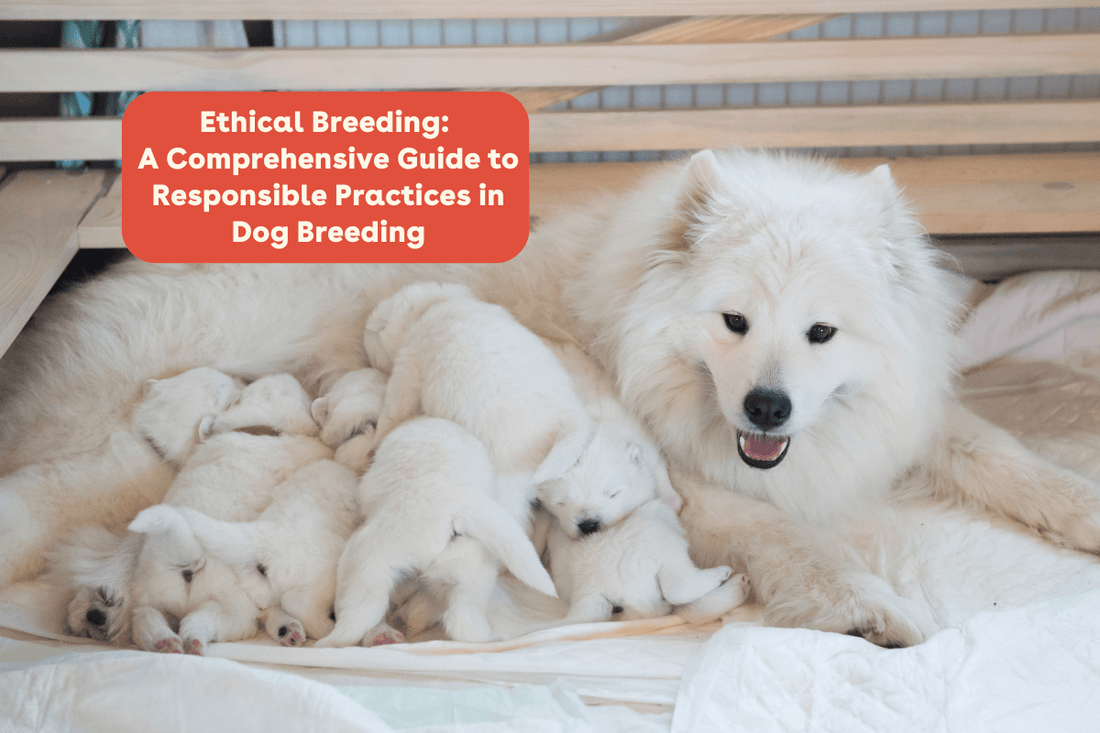
Credit: pupford.com
Ethical Considerations
Addressing the topic of how to stop dogs from breeding involves ethical considerations. These considerations are crucial. They ensure the well-being of animals and society. Making informed decisions requires understanding several aspects. This includes animal welfare, the responsibility of pet owners, and population control. Each of these factors plays a significant role.
Animal Welfare
Ensuring animal welfare is paramount in breeding decisions. Dogs should live healthy and stress-free lives. Overbreeding can lead to health problems and suffering. It is essential to prioritize their well-being. Ethical breeding practices prevent unnecessary pain. They also enhance the quality of life for dogs. Spaying and neutering are humane methods. They help manage the population and promote health.
Responsibility Of Pet Owners
Pet owners have a duty to prevent unwanted breeding. This involves taking proactive steps. Spaying or neutering pets is a responsible choice. It helps control the dog population. Educating oneself about these options is crucial. Responsible pet ownership requires commitment. It includes planning for the pet’s future and well-being. Owners should consider the impact of their decisions.
Impact On Population Control
Unchecked breeding leads to overpopulation. This results in overcrowded shelters. Many dogs face euthanasia due to lack of homes. Ethical breeding practices can reduce these numbers. Population control benefits communities. It decreases the number of stray dogs. This leads to safer environments. Managing the dog population is a collective responsibility.

Credit: www.walmart.com
Frequently Asked Questions
How Can I Prevent My Dog From Breeding?
To prevent your dog from breeding, consider spaying or neutering. This is a safe, permanent solution. Consult with your veterinarian for the best advice. Additionally, supervise your pet when outdoors to avoid accidental mating. Keeping them indoors during mating season can also help.
What Age Should I Spay Or Neuter My Dog?
The ideal age for spaying or neutering is typically between 6 to 9 months. However, some veterinarians recommend earlier procedures. Consult your vet to determine the best time for your pet. Early spaying or neutering can prevent health issues and unwanted breeding.
Are There Non-surgical Options To Stop Breeding?
Yes, there are non-surgical options like hormone injections. These are temporary solutions to prevent breeding. However, they can have side effects. It’s crucial to discuss these options with your veterinarian. They can provide guidance based on your dog’s health and needs.
Is Spaying Or Neutering Safe For My Dog?
Spaying and neutering are generally safe procedures. They are performed by experienced veterinarians. Risks are minimal, and recovery is usually quick. These procedures can prevent health issues and unwanted breeding. Always consult with your veterinarian for the best advice for your pet.
Conclusion
Stopping dogs from breeding requires commitment and care. Spaying or neutering is effective. It reduces unwanted litters. Consult with your vet for advice. Understand the process and benefits. Use barriers like fences to prevent breeding. Keep male and female dogs separate.
Educate others about responsible pet ownership. Share knowledge with your community. Proper management helps control pet populations. Love your pets, and ensure their well-being. This benefits both dogs and their owners. Take action today for a better tomorrow. Your efforts make a big difference.