Why Do Dogs Get Stuck While Breeding? Unravel the Mystery
Senior Canine Nutritionist & Dog Behavior Specialist at Cozy Dog Go Wellness Lab

Have you ever witnessed two dogs getting stuck together during breeding? You might find it surprising, or even concerning, but rest assured, you’re not alone in your curiosity.
This intriguing phenomenon can leave you puzzled and eager to understand why it happens. Whether you’re a dedicated dog owner or simply fascinated by the wonders of canine behavior, unraveling the mystery behind why dogs get stuck while breeding can be both enlightening and reassuring.
We will delve into the natural instincts and biological processes at play, offering you insights that not only satisfy your curiosity but also deepen your understanding of your furry companions. Stay with us as we explore this captivating aspect of dog behavior that might just change the way you see your four-legged friend.
Canine Reproductive Anatomy
Dogs often get stuck while breeding due to a natural process called “tie. ” This occurs when the male’s reproductive organ swells inside the female, ensuring sperm transfer. This unique anatomical feature helps increase the chances of successful mating.
Canine reproductive anatomy is a fascinating and complex subject that plays a crucial role in understanding why dogs sometimes get stuck during breeding. This intricate system is designed specifically for successful mating and reproduction. It involves several anatomical features that work together during the copulation process.Anatomy Of Male Dogs
Male dogs possess a unique reproductive structure that includes the penis, which is equipped with a bulbus glandis. This bulb-like feature swells during mating, helping to ensure that the male stays connected to the female. This is a natural mechanism to maximize the chances of successful fertilization.Anatomy Of Female Dogs
Female dogs have a reproductive system designed to accommodate the male during breeding. The vagina has special muscles that contract and hold the male’s penis in place after insertion. This process, known as “tie,” is crucial for ensuring sperm transfer.The Role Of The Bulbus Glandis
The bulbus glandis is pivotal in the mating process. This swollen part of the penis locks the male inside the female, preventing them from separating prematurely. It’s a fascinating adaptation that increases the likelihood of conception.Why Do Dogs Get Stuck?
Dogs get stuck due to the natural swelling of the bulbus glandis and the contraction of the female’s vaginal muscles. This “tie” can last anywhere from a few minutes to over half an hour. It’s an essential part of canine mating, ensuring that sperm has ample time to reach the eggs. Understanding these anatomical features can help you feel more informed when witnessing dogs in this situation. Have you ever wondered what the dogs might be experiencing during this time? It’s a process driven by nature’s design to ensure the continuation of their species.The Tie Phenomenon
The tie phenomenon is a natural part of dog breeding. It’s an intriguing process that often leaves pet owners curious. Understanding this can help ensure safe breeding practices.
What Is A Tie?
A tie occurs during mating when male and female dogs become physically connected. It happens due to swelling in the male’s reproductive organ. This creates a lock that prevents them from separating immediately.
This process ensures successful transfer of sperm. It is crucial for fertilization. It lasts several minutes to an hour.
Duration And Frequency
The duration of a tie varies between dogs. It can last from 10 minutes to over 30 minutes. Frequency depends on the dog’s health and breed.
Healthy dogs might experience ties more often. It’s a natural process, enhancing reproductive success.
Biological Purpose
Dogs get stuck while breeding due to the “tie” phenomenon. This natural occurrence helps ensure successful fertilization. The male’s bulbous glandis swells, causing the lock, which can last from minutes to over an hour.
Dogs getting stuck during breeding might seem like a peculiar occurrence, but it serves a vital biological purpose. This phenomenon, known as the “copulatory tie,” is nature’s way of ensuring that reproduction is as effective as possible. While it can be startling, understanding why it happens can deepen your appreciation for the complexities of canine biology.Ensuring Successful Fertilization
The copulatory tie plays a critical role in ensuring successful fertilization. When dogs get stuck, it guarantees that the male’s sperm has ample time to travel into the female’s reproductive tract. This prolonged contact increases the chances of fertilization, maximizing the potential for conception. Ever wondered why the process seems so lengthy? The extended period allows sperm to reach the eggs, enhancing the likelihood of pregnancy. It’s like nature’s insurance plan, providing extra time for the fertilization process to occur smoothly.Role In Genetic Diversity
Beyond fertilization, the copulatory tie also contributes to genetic diversity. When dogs mate, the tie ensures that only the most suitable sperm reaches the eggs, promoting healthier offspring. This natural selection process is essential for maintaining genetic variety within a breed. Think about it: without this mechanism, genetic diversity could dwindle, leading to potential health issues over generations. By facilitating the best genetic matches, the copulatory tie supports the vitality and resilience of future pups. So next time you witness dogs stuck in a breeding tie, consider the intricate biological orchestration at play. It’s not just a quirky canine behavior—it’s a testament to the wonders of nature and its drive to perpetuate life effectively and diversely.Credit: www.facebook.com
Common Misconceptions
When you see dogs stuck during breeding, it’s natural to feel concerned. There’s a lot of misinformation surrounding this phenomenon, leading to unnecessary panic. Understanding the common misconceptions can help you approach the situation calmly and knowledgeably.
Pain And Discomfort
Many people assume that being stuck is painful for dogs. In reality, this is a normal part of the canine mating process known as the “tie.” During the tie, the male’s bulbous gland swells inside the female, ensuring sperm is effectively transferred. While it may look uncomfortable, dogs typically don’t experience pain. Remember, your dog’s body is designed for this process.
Intervention Necessity
Another misconception is the need for immediate intervention. Some owners rush to separate their dogs, fearing they are in distress. However, intervening can cause more harm than good. It can lead to injuries or stress for both dogs. Instead, allow the process to complete naturally, which usually takes around 15-30 minutes. Think about this: Would you want someone interrupting your natural processes?
Reflecting on these misconceptions can help you better support your pets. Have you ever witnessed this behavior and felt unsure about what to do? Understanding these facts empowers you to make informed decisions. Next time, you might find yourself calmly observing, rather than anxiously intervening.
Veterinary Insights
Understanding why dogs get stuck during breeding can be puzzling for many pet owners. Veterinarians offer valuable insights into this common occurrence, shedding light on why it happens and how to address it. With their expertise, you can better navigate these challenging situations, ensuring the health and safety of both dogs involved.
When To Seek Help
It’s crucial to know when professional assistance is needed. If the dogs remain stuck for more than 20 minutes, it’s time to call your vet. Extended periods can lead to stress and potential injury.
Observe the dogs closely. Unusual behavior or signs of distress indicate a need for urgent intervention. Always prioritize their well-being over any breeding success.
Have you ever faced a situation where your dog seemed uncomfortable during breeding? This might have been the right moment to consult your vet.
Preventive Measures
Preventing dogs from getting stuck starts with responsible breeding practices. Ensure both dogs are healthy and properly matched in size. This minimizes physical complications.
- Conduct regular health checks to catch any potential reproductive issues early.
- Provide a calm and safe environment to reduce stress-induced complications.
- Consult with a vet about the best breeding strategies for your dogs.
Have you considered the role of environment in successful breeding? A quiet space can make all the difference.
Credit: www.facebook.com
Impact On Breeding Practices
Understanding the physical bond during dog mating is crucial for breeders. This natural occurrence affects breeding practices and requires patience to ensure successful mating.
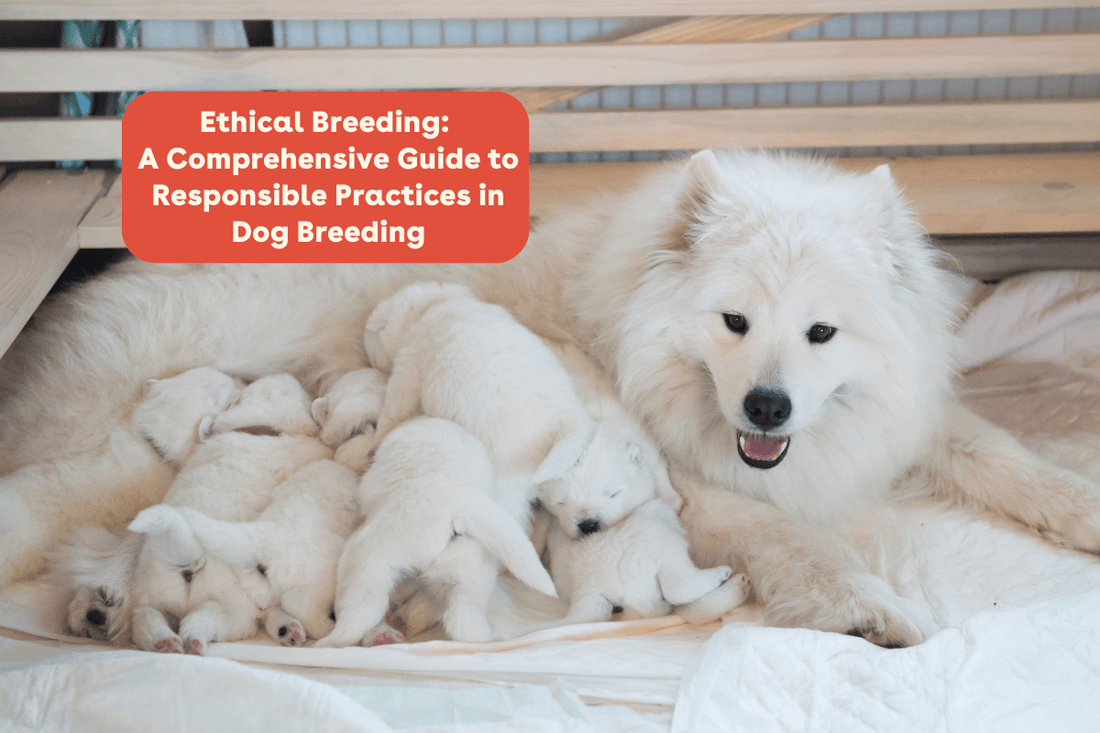
The phenomenon of dogs getting stuck while breeding significantly impacts breeding practices. This situation, known as “tying,” can lead to complications. Breeders need to consider various factors to ensure safe and ethical breeding.Ethical Considerations
Ethical considerations are crucial in breeding practices. Ensuring the well-being of both dogs is a priority. Forced or frequent breeding can harm animals. Breeders must respect natural processes. They should avoid pushing dogs beyond their limits. This ethical approach supports healthier breeding outcomes.Breeder Responsibilities
Breeders have responsibilities toward the animals they care for. They must ensure the health and safety of breeding dogs. Proper veterinary care is essential before and after mating. Breeders should monitor the breeding process closely. Understanding potential complications helps them act swiftly. Responsible breeders prioritize animal welfare over profit. They seek to maintain high standards in their breeding practices.
Credit: www.youtube.com
Frequently Asked Questions
Why Do Dogs Get Stuck During Mating?
Dogs get stuck during mating due to the “copulatory tie. ” This natural process ensures successful fertilization. The male’s penis swells inside the female, preventing separation. It typically lasts from 15 to 30 minutes. This tie is essential for reproductive success and happens in most canine breeding instances.
Is It Normal For Dogs To Get Stuck?
Yes, it is normal for dogs to get stuck during breeding. The copulatory tie is a biological mechanism. It ensures sperm transfer for successful fertilization. This process is common among canines and is essential for reproduction. Owners should remain calm and let nature take its course.
How Long Do Dogs Stay Stuck Together?
Dogs usually stay stuck together for about 15 to 30 minutes. This period allows for optimal sperm transfer. The copulatory tie ensures that fertilization chances increase. Owners should avoid intervening, as this process is natural. Allow dogs to separate naturally once the tie ends.
Can Dogs Get Hurt When Stuck?
Dogs rarely get hurt when stuck during breeding. The copulatory tie is a natural and safe process. It is designed for successful reproduction. However, excessive pulling or panic can cause injury. It’s crucial to let the tie resolve naturally and calmly for both dogs’ safety.
Conclusion
Understanding why dogs get stuck while breeding helps pet owners. It’s a natural process. Not always a sign of trouble. Being informed reduces anxiety. Helps in supporting your dog effectively. Veterinarians provide guidance. They ensure safe breeding. It’s important to monitor dogs closely.
Look for signs of distress. Being attentive is key. Dogs need care and comfort. Breeding can be stressful for them. Knowledge empowers pet owners. Creates a healthy environment. Always consult professionals for concerns. Ensures peace of mind. Supports your dog’s well-being.
A little awareness goes a long way. Happy, healthy pets result.

Similar Posts