What are Aggressive Dog Breeds: Myths and Facts
Have you ever wondered why some dogs seem more aggressive than others? Maybe you’ve heard stories or experienced it firsthand.
It’s a topic that stirs emotions and sparks curiosity. When it comes to aggressive dog breeds, understanding the why and how is crucial. It’s not just about identifying which breeds might be more prone to aggression; it’s about grasping the deeper reasons behind their behavior.
This knowledge empowers you to make informed decisions, whether you’re choosing a new pet, ensuring your family’s safety, or simply wanting to learn more. Dive into this article and discover the surprising truths about aggressive dog breeds. You might find that what you learn changes the way you see these misunderstood animals.
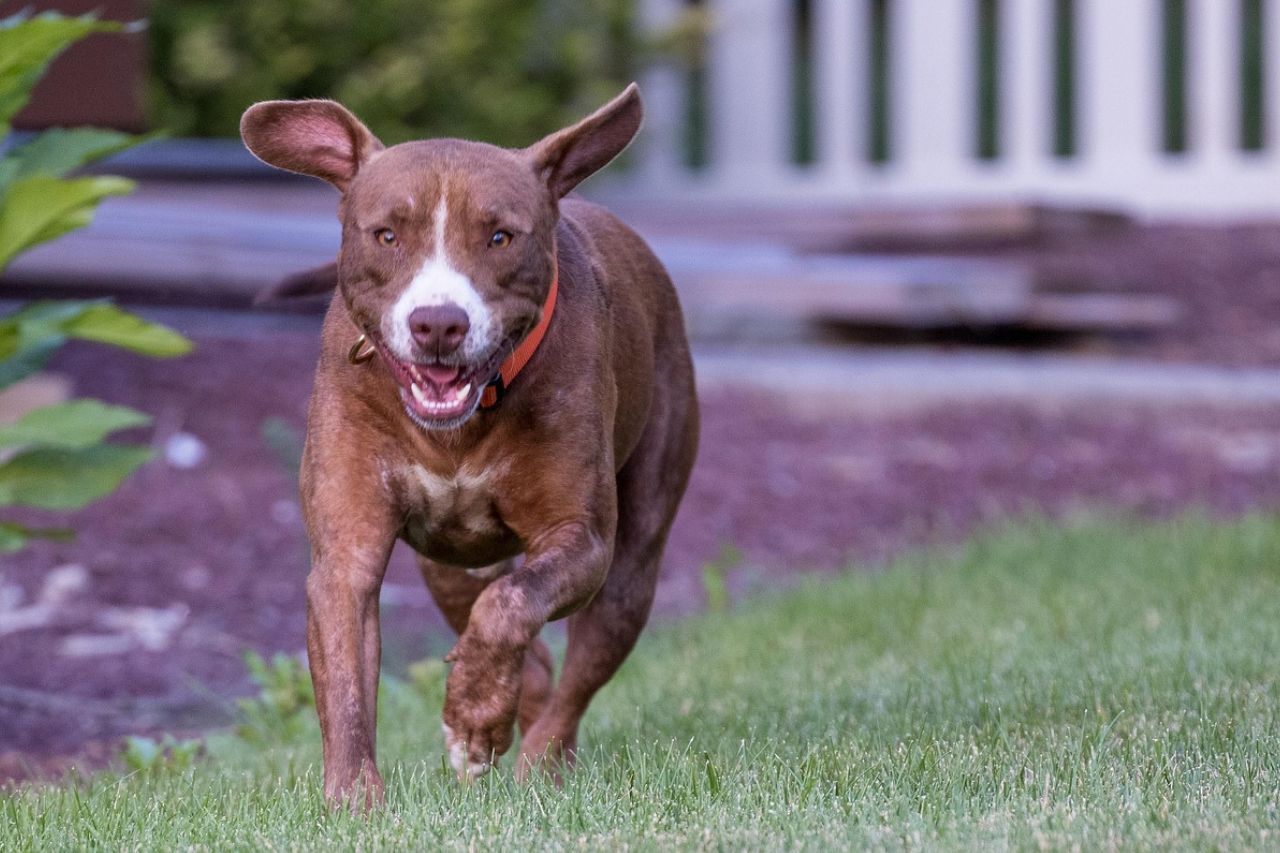
Credit: dogistry.com
Aggressive Dog Breeds Explained
Aggressive dog breeds often include those with strong guarding instincts or high energy levels. Common examples are Pit Bulls, Rottweilers, and Dobermans. Their behavior can be influenced by training, socialization, and environment.
Aggressive dog breeds often spark curiosity and concern. Understanding them helps in addressing fears and misconceptions. Not all aggressive dogs are inherently dangerous. Their behavior depends on various factors including training and environment. It’s crucial to recognize what makes a dog aggressive. This knowledge aids in responsible pet ownership and community safety.Understanding Aggression In Dogs
Aggression in dogs can be misunderstood. It’s not always about breed. Sometimes, aggression stems from fear or lack of socialization. Dogs may also become aggressive due to territorial instincts. Knowing these triggers helps in managing behavior.Factors Influencing Aggression
Several factors influence a dog’s aggression. Genetics play a role in temperament. Early experiences and training impact behavior greatly. A dog’s environment can also affect aggression levels. Stress and anxiety contribute too.Commonly Misunderstood Breeds
Certain breeds often get labeled as aggressive. Pit Bulls and Rottweilers face this stigma. Yet, many of these dogs are friendly when raised well. Proper training and socialization can change perceptions. Not all individuals within a breed exhibit aggression.The Role Of Responsible Ownership
Responsible ownership reduces aggressive behavior. Training and socialization are key. Owners should understand their dog’s needs. Regular exercise and mental stimulation help. Providing a stable environment is crucial.Common Myths About Aggressive Breeds
When discussing aggressive dog breeds, misconceptions often cloud the truth. Many people form opinions based on hearsay rather than facts, leading to widespread myths. It’s time to uncover the reality about these misunderstood animals.
Misconceptions Rooted In History
Historically, certain breeds have been labeled as aggressive due to their roles in society. Dogs like Dobermans and Rottweilers were bred for protection, leading to an unfair stigma. But does a protective nature inherently mean aggression?
Consider the loyal family pet that guards its home. Is this behavior aggressive or instinctual? It’s crucial to differentiate between a dog’s protective instincts and genuine aggression.
Media Influence On Breed Reputation
The media plays a significant role in shaping perceptions. Headlines often highlight negative incidents involving specific breeds, overshadowing positive stories. How often do you see a Pitbull saving a life compared to causing harm?
Media portrayals can lead to biased views, influencing public opinion and even legislation. Have you ever questioned if what you read truly reflects the breed’s nature?
It’s essential to challenge these myths and seek the truth. By educating yourself, you can help break down these stereotypes and understand the real nature of these misunderstood breeds.
Facts About Aggressive Breeds
Understanding aggressive dog breeds can be complex. People often misunderstand these breeds. They think aggression is the main trait. This is not always true. Many factors influence dog behavior. From genetics to environment, these elements play key roles. Let’s explore the facts about these breeds.
Genetics And Behavior
Genetics influence a dog’s behavior. Certain breeds may have traits linked to aggression. This doesn’t mean all dogs of that breed are aggressive. Each dog is unique. Their behavior depends on many factors. Breed-specific traits can include guarding instincts. Strong protective instincts may seem like aggression. Knowing this helps in understanding their behavior better.
Role Of Training And Environment
Training greatly impacts a dog’s behavior. Proper training reduces aggressive tendencies. Dogs learn how to behave in different situations. A positive environment also matters. Dogs thrive in caring and loving homes. Neglect or abuse can lead to aggression. Supportive environments encourage calm behavior. Consistent routines help dogs feel secure. This reduces stress and anxiety. A happy dog is often a well-behaved dog.

Credit: www.herberttrial.com
Evaluating Breed Temperaments
Certain dog breeds are known for their aggressive traits. Understanding breed temperaments helps in identifying potential challenges. Proper training and socialization are crucial for managing these breeds effectively.
Evaluating the temperament of dog breeds is crucial for understanding their behavioral tendencies. Each breed has unique traits that influence its disposition. Knowing these can help you make informed decisions about which breed might be the best fit for your lifestyle. This insight is not only about preventing aggression but also about fostering a harmonious relationship with your dog. Do you ever wonder how certain breeds became known for their aggressive nature? Let’s delve into the specifics of temperament testing and breed-specific traits.Temperament Testing
Temperament testing is a method used to assess a dog’s behavioral tendencies. It’s like a personality test for dogs, designed to predict how they might react in different situations. These tests often involve evaluating a dog’s reaction to strangers, loud noises, and unexpected movements. They can reveal a lot about a dog’s potential for aggression or friendliness. Consider if you’ve seen a dog behaving nervously in crowded places—it might not mean they’re aggressive, but that they need more socialization.Breed-specific Traits
Different breeds have inherent traits that influence their temperament. For instance, some breeds are naturally more protective, while others are more playful or shy. Rottweilers, known for their guarding instincts, might display aggressive behavior if they feel their family is threatened. Meanwhile, Golden Retrievers are typically more laid-back and friendly. Understanding these traits helps you anticipate behaviors and tailor training to suit the breed’s natural tendencies. Isn’t it fascinating how much a dog’s breed can tell you about its personality?Responsible Ownership Of Aggressive Breeds
Owning an aggressive dog breed is not just a matter of preference; it is a serious commitment that requires responsibility and dedication. These breeds often come with a reputation for being tough or intimidating, but with the right approach, they can be loving family members. Responsible ownership means understanding their needs, providing proper training, and ensuring they are well integrated into society. Are you ready to take on the challenge?
Training And Socialization
Training is the cornerstone of responsible dog ownership, especially for aggressive breeds. Begin early with obedience training to instill good behavior patterns. Consider professional trainers who specialize in your breed to help your dog learn commands and boundaries.
Socialization is equally crucial. Expose your dog to different environments, people, and other animals. This reduces fear and aggression in unfamiliar situations. Regular visits to parks or dog-friendly events can make a significant difference.
Imagine the joy of seeing your once reserved dog playing happily with others. It’s a rewarding experience that benefits both you and your pet.
Legal Considerations
Owning an aggressive breed comes with legal responsibilities. Check local regulations as some areas have restrictions or requirements for certain breeds. You might need special licenses or insurance to cover potential incidents.
Familiarize yourself with leash laws and public space guidelines. Ignorance could lead to fines or worse, your dog being taken away. Be proactive in understanding and meeting these legal obligations.
Consider speaking with a lawyer who understands dog laws in your area. Their expertise can save you from future headaches and ensure you’re compliant.
Responsible ownership is not just about what you do, but understanding what is required by law. Are you prepared to meet these challenges head-on?

Credit: dogistry.com
Changing Perceptions
Changing Perceptions Aggressive dog breeds often face stigma due to misconceptions. Many are actually friendly and loving with proper training. Understanding their behavior helps in changing these perceptions and fostering better relationships.
Changing perceptions about aggressive dog breeds is pivotal in fostering a more inclusive and informed society. Many people hold misconceptions about certain breeds due to media portrayal or past experiences. However, understanding the potential for change in these dogs can lead to more compassionate approaches and better outcomes.Success Stories Of Rehabilitation
Countless stories highlight the successful rehabilitation of dogs once labeled as aggressive. Take Max, a pit bull mix once considered unadoptable. Through dedicated training and love from volunteers, Max is now a therapy dog bringing joy to hospital patients. Rehabilitation requires patience and understanding. Positive reinforcement and structured environments can transform a dog’s behavior. Have you ever wondered how a supportive community could change a dog’s life?Community Education Initiatives
Community programs play a crucial role in changing perceptions. Workshops and seminars provide insights into canine behavior and responsible ownership. These initiatives can help dispel myths and promote understanding. Consider joining local groups that advocate for fair treatment of all breeds. You can become an advocate for informed, compassionate approaches towards dogs. What impact could you make in your community by spreading awareness? Engaging with these stories and initiatives can inspire a shift in how society views aggressive dog breeds. By focusing on education and rehabilitation, we can build a world where all dogs are given the chance to thrive.Frequently Asked Questions
What Defines An Aggressive Dog Breed?
Aggressive dog breeds are often characterized by their protective nature, strong instincts, and high energy levels. They may show aggression due to poor training, lack of socialization, or fear. Understanding breed tendencies and proper training can help manage aggressive behaviors effectively.
Are Aggressive Dog Breeds Dangerous?
Aggressive dog breeds can be dangerous if not properly trained or socialized. Their innate protective instincts can lead to aggressive behavior. Responsible ownership, including training and socialization, is crucial for ensuring safety and reducing risks associated with these breeds.
Can Aggressive Dogs Be Trained?
Yes, aggressive dogs can be trained to reduce their aggressive behavior. Consistent training, positive reinforcement, and professional guidance are essential. Understanding triggers and managing environments can help in training aggressive dogs effectively.
What Breeds Are Considered Aggressive?
Breeds often considered aggressive include Pit Bulls, Rottweilers, German Shepherds, and Dobermans. These breeds have strong protective instincts and require responsible ownership. Proper training and socialization can help manage their aggressive tendencies.
Conclusion
Choosing a dog breed requires careful thought. Aggressive breeds need responsible owners. Train them well and socialize early. Understand their needs and habits. Love and patience go a long way. Keep safety in mind always. Research thoroughly before deciding. Many breeds are misunderstood.
They can thrive with the right guidance. Your commitment matters. Consider lifestyle and experience. Aggression often stems from fear or stress. Address these causes. With time and care, these dogs can be loyal companions. Respect their nature and build trust.
Every breed offers unique joys and challenges. Choose wisely for a happy future together.