How Much Will It Cost to Clone My Dog: Ultimate Guide
Senior Canine Nutritionist & Dog Behavior Specialist at Cozy Dog Go Wellness Lab
Imagine having the chance to extend your beloved dog’s presence in your life. The idea of cloning your furry friend might sound like something out of a sci-fi movie, but it’s a reality that more pet owners are considering.
As you ponder this intriguing possibility, one pressing question likely stands out: How much will it cost to clone my dog? You’re about to dive into a world where the bonds you cherish with your pet can be replicated, offering a fascinating blend of emotion and science.
Understanding the financial commitment involved is crucial. This isn’t just about figures; it’s about assessing the value of preserving the unique connection you have with your dog. You’ll discover the costs associated with cloning your dog, helping you make an informed decision that balances your heart’s desire with your budget’s limitations. Let’s explore what lies ahead as you contemplate this extraordinary opportunity.
Credit: www.theguardian.com
Dog Cloning Basics
Dog cloning can cost between $50,000 and $100,000. This includes cloning procedures and genetic preservation. Prices vary based on the service provider and additional fees.
Understanding the concept of dog cloning can seem like venturing into a sci-fi movie. But today, it’s a reality that allows people to have their beloved pets replicated. You might wonder, how does it work, and what does it involve? Let’s dive into the basics of dog cloning to get a clearer picture.What Is Dog Cloning?
Dog cloning is a process of creating a genetically identical copy of a dog. It involves taking a sample of your dog’s cells, usually from the skin, and using these to create an embryo. This embryo is then implanted into a surrogate dog, which will carry the clone to term.How The Cloning Process Works
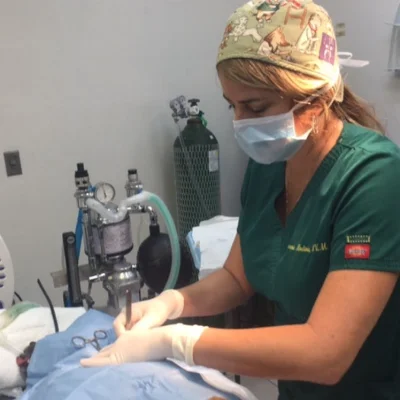
The procedure starts with a simple skin biopsy to collect cells. These cells are then cultured in a lab to ensure they are healthy and viable for cloning. Once ready, the DNA from these cells is inserted into a donor egg, which has had its own DNA removed. The egg is stimulated to develop into an embryo and placed in the surrogate mother.Timeframe For Cloning A Dog
How long does it take to clone a dog? The entire process can take anywhere from a few weeks to several months. The initial cell culturing can take a couple of weeks, while the gestation period in the surrogate mother is similar to a natural dog pregnancy, around 60 days.Success Rate Of Dog Cloning
One might wonder about the odds of success. The success rate of dog cloning is not 100%. While advancements have been made, there are still variables that can affect the outcome. Typically, several embryos are created and implanted to increase the chances of success. Dog cloning raises several ethical questions. Is it fair to the animals involved? The process can involve several dogs, including the surrogate and the egg donor. Additionally, cloning doesn’t guarantee the clone will have the same temperament or personality as your original dog.Is Cloning Right For You?
Deciding to clone your dog is a deeply personal decision. It’s crucial to weigh the emotional and financial aspects, as well as the potential ethical concerns. Reflect on why you want to clone your dog and whether it aligns with your values and expectations.Cost Breakdown
Cloning a dog is a complex process that involves various costs. Understanding these costs is crucial before making a decision. Let’s break down the expenses involved in dog cloning.
Initial Expenses
The first step involves collecting your dog’s genetic material. This typically requires a veterinary procedure. Expect to pay for the vet’s consultation and procedure fees. Then, transporting the sample to the cloning facility incurs shipping costs. The actual cloning process is the largest expense. It involves scientific procedures and expert handling, which can be pricey.
Additional Fees
Cloning often involves additional costs. You might need to pay for further veterinary care for your cloned puppy. There could be charges for vaccinations and check-ups. If the cloning facility is far, travel expenses may arise. Consider accommodation costs if you need to stay near the facility.
Hidden Costs
Some costs are not immediately obvious. There might be fees for unexpected medical issues with the clone. Behavioral training might be necessary, adding to the expenses. Insurance for your cloned dog could be higher than for regular pets. It’s important to budget for these potential costs.
Factors Affecting Price
Cloning a dog involves several factors that influence the overall cost. Understanding these factors can help you anticipate potential expenses. Below are key elements that affect the price of dog cloning.
Breed Considerations
Different breeds come with varied cloning costs. Larger breeds may require more resources, increasing the price. Unique genetic traits can also impact the complexity and cost.
Health Complications
Existing health issues in your dog might complicate cloning. Special medical care is often needed, adding to expenses. Complex procedures ensure the cloned dog is healthy.
Geographical Variations
Location plays a significant role in cloning costs. Prices vary across regions due to differing regulations. Facilities in some areas may charge more for specialized services.
Cloning Process Steps
Cloning your beloved dog is a fascinating yet complex journey that involves several scientific steps. Understanding these steps can help you gauge the dedication, time, and cost involved in the cloning process. Let’s walk through each stage, highlighting the meticulous work that goes into bringing your furry friend back to life.
Cell Collection
This step involves collecting healthy cells from your dog. It’s often recommended to choose cells from the skin due to their resilience and ease of collection. You might wonder how exactly these cells are harvested. The veterinarian typically takes a small biopsy from your dog, ensuring minimal discomfort. These cells are then preserved in a controlled environment, awaiting their pivotal role in the cloning process.
Embryo Development
Once the cells are collected, the next exciting phase begins—developing embryos. Scientists carefully extract the nucleus from your dog’s cells and insert it into donor eggs. This step requires precision and patience, as the embryos need to be nurtured under specific conditions to ensure viability. Can you imagine the anticipation as each embryo represents a potential new beginning?
Transfer And Birth
The final stage involves transferring the developed embryos into a surrogate mother. This process is crucial and demands careful monitoring. As the surrogate carries the embryos to term, the anticipation builds towards the moment of birth. The joy of seeing a cloned puppy, embodying the essence of your original dog, is an emotional culmination of the entire process. Would you be ready to welcome this new life with open arms?
Comparing Cloning Companies
When considering cloning your beloved dog, one of the most important steps is to compare cloning companies. The choice you make could significantly impact the outcome, cost, and overall experience. Let’s break down the key factors to consider when evaluating different providers.
Reputation And Success Rates
In the cloning industry, reputation is everything. A company with a solid track record is likely to offer more reliable services. Look for companies that have been in the business for several years and have a high success rate. It’s essential to check if they have successfully cloned animals similar to your dog, as this can give you insight into their expertise. You might want to ask yourself: does the company have any notable achievements or recognition in the field?
Customer Testimonials
Real customer experiences can be a goldmine of information. Dive into testimonials and reviews to understand what others have experienced. Pay attention to feedback about the process, communication, and post-cloning support. Was there a particular story that resonated with you or made you feel more confident in a company? Don’t just rely on the company’s website; explore independent forums and social media for a broader perspective.
Pricing Packages
Cloning your dog is a significant financial commitment, so it’s crucial to understand the pricing packages. Companies may offer different tiers or packages, which include various services and support levels. Compare these packages carefully. Is there a company that offers a payment plan or a more flexible pricing structure that suits your budget? A detailed comparison can help you make an informed decision that aligns with your financial situation.
Long-term Care Costs
Cloning a dog involves more than just initial costs. Long-term care expenses also add up. Consider medical, food, and grooming needs to budget effectively.
Long-term care costs for a cloned dog can be surprisingly hefty. As you plan for your pet’s future, it’s crucial to consider the myriad of expenses that come with it. From routine vet visits to maintaining insurance, each aspect demands attention and financial commitment.Veterinary Expenses
Your cloned dog will require regular veterinary check-ups to ensure its well-being. Expect to pay for annual vaccinations, dental cleanings, and potential emergency visits. While these costs are similar to any other dog, cloning might bring unique health challenges that could increase your vet bills.Training And Socialization
Proper training and socialization are key to raising a well-behaved dog. You might choose professional training classes, which can be an additional expense. Consider your time and resources. Are you ready to invest in the training your cloned dog might need?Insurance And Maintenance
Pet insurance can be a safety net for unexpected medical costs. Monthly premiums vary, so compare plans that fit your budget and your dog’s needs. Routine maintenance, including grooming and feeding, also adds up over time. Have you factored these ongoing costs into your budget?Ethical Considerations
Cloning pets raises questions about animal rights and welfare. The ethical concerns include how cloned animals are treated and potential genetic issues. Understanding these considerations is crucial before deciding on pet cloning costs.
Cloning a dog involves complex ethical questions. People must consider animal welfare, genetic diversity, and public opinion. Each of these areas presents unique challenges and concerns. Understanding them is crucial before deciding to clone a pet.Animal Welfare Concerns
Creating cloned animals can raise animal welfare issues. Cloning processes may involve harm or stress to donor animals. Surrogate mothers might face health risks during the procedure. High failure rates in cloning can lead to suffering. Many clones do not survive or face health problems. Ensuring humane treatment is a significant concern.Genetic Diversity
Cloning may affect genetic diversity. Replicating a single animal reduces genetic variety. Diversity is essential for species survival and resilience. Lack of diversity can lead to increased vulnerability to diseases. It can also affect adaptability to changing environments. Protecting genetic diversity is vital for future generations.Public Opinion
Public opinion on animal cloning varies widely. Some see cloning as an exciting scientific advance. Others view it as unethical or unnatural. Many people have concerns about the implications for animal rights. Public perception can influence regulatory policies and practices. Understanding how society views cloning is important.
Credit: www.dogster.com
Alternatives To Cloning
Exploring alternatives to cloning can be more budget-friendly. Consider adopting a pet from a shelter or rescue. It’s a loving and affordable choice compared to the high cost of dog cloning.
Considering cloning your dog can be an emotional decision. The hefty price tag often makes it less feasible. Exploring alternatives can offer rewarding experiences without cloning. There are several options that can bring joy and companionship. Let’s dive into these alternatives.Adoption Options
Adopting a dog is a fulfilling choice. Shelters are filled with dogs seeking loving homes. Each dog has a unique personality and story. Many rescued dogs show unconditional love and loyalty. This is a wonderful way to provide a second chance.Genetic Preservation
Preserving your dog’s DNA is another option. Genetic preservation involves storing your pet’s genetic material. This can be used for future reproduction. It’s a way to keep a part of your pet for the future. This technique is less costly than cloning.Personalized Training
Training can help recreate the bond you had. Personalized training focuses on building strong relationships. It emphasizes your dog’s unique traits. Training can enhance your pet’s behavior and skills. This strengthens the connection between you and your pet.
Credit: www.yahoo.com
Frequently Asked Questions
How Much Does Dog Cloning Typically Cost?
Dog cloning typically costs between $50,000 and $100,000. The price depends on the cloning company and specific services. This high cost includes the complex scientific procedures involved. Additional expenses may arise, such as storage and veterinary care. It’s essential to research and understand all costs before proceeding.
Is Dog Cloning Worth The Investment?
The worth of dog cloning depends on personal values and finances. While some find comfort in cloning, others question ethical considerations. It’s important to weigh the emotional benefits against financial costs. Consider alternatives like adopting a pet with similar traits.
Ultimately, the decision is deeply personal.
What Factors Affect Dog Cloning Prices?
Several factors can affect dog cloning prices. These include the cloning company, geographic location, and additional services. Storage fees and veterinary care might also influence the total cost. Comparing different providers can help you find the best option. Always inquire about all potential expenses involved in the process.
How Long Does The Dog Cloning Process Take?
The dog cloning process typically takes several months. Initial steps include tissue biopsy and DNA analysis. Once a viable embryo is created, it’s implanted into a surrogate. The surrogate then carries the pregnancy to term. Timelines can vary based on the company’s procedures and success rates.
Conclusion
Cloning a dog can be costly and complex. Prices vary widely. Think about emotional and financial aspects before deciding. Consider the technology, ethical concerns, and potential risks. Research thoroughly to understand the process and costs involved. Some find comfort in cloning; others feel uncertain.
Weigh the pros and cons carefully. Clone or adopt? It’s a personal choice. Costs aren’t just financial; emotions matter too. Always prioritize your dog’s well-being. Make an informed decision that feels right. Cloning isn’t for everyone. Choose what’s best for you and your furry friend.
Similar Posts