What to Give a Dog for Skin Allergies: Effective Solutions
Senior Canine Nutritionist & Dog Behavior Specialist at Cozy Dog Go Wellness Lab
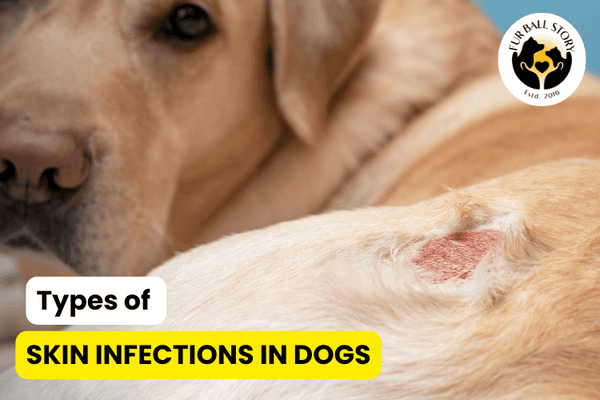
Does your furry friend seem to be scratching more than usual? If your dog is constantly itching and showing signs of discomfort, it might be dealing with skin allergies.
These allergies can be frustrating for both you and your pet, causing distress and even leading to more serious skin conditions if left untreated. You might be wondering what you can do to help soothe your dog’s irritated skin. The good news is, there are effective remedies and dietary options that can bring relief to your pet.
We’ll explore what you can give your dog for skin allergies, helping you restore their comfort and happiness. Keep reading to discover solutions that can make a real difference in your dog’s life.
Common Causes Of Skin Allergies In Dogs
Skin allergies in dogs often result from food sensitivities, fleas, or environmental factors like pollen. Veterinarians commonly recommend antihistamines or omega-3 supplements to ease symptoms.
Understanding the common causes of skin allergies in dogs is crucial for providing the right care and treatment. Dogs, like humans, can suffer from various allergens that can cause discomfort and irritation. By identifying the root of the problem, you can take proactive steps to help your furry friend feel better.Environmental Factors
Environmental factors are a leading cause of skin allergies in dogs. Pollen, mold, and dust mites are common culprits. Imagine taking your dog for a walk in the park, only to find them scratching incessantly afterward. If you’ve noticed seasonal itching, it’s worth considering the impact of these outdoor elements. Regular cleaning of your dog’s bedding and vacuuming can minimize allergens at home. Bathing your dog with hypoallergenic shampoos can also reduce irritation.Food Allergies
Food allergies can sneak up on your pet unexpectedly. A change in diet or a new treat might trigger an adverse reaction. Have you ever tried a new recipe for your dog and noticed a change in their skin? Common food allergens include beef, chicken, dairy, and wheat. If you suspect a food allergy, consider introducing a limited ingredient diet. Consulting with your vet can help identify specific allergens through elimination diets or allergy testing.Parasitic Infections
Parasites like fleas, ticks, and mites are notorious for causing skin issues. Even a single flea bite can trigger a severe reaction in sensitive dogs. Have you ever seen your dog biting at their tail or scratching relentlessly? Regularly checking your dog for parasites and using preventive treatments can help keep these pests at bay. If your dog is already infested, prompt treatment with veterinary-approved products is essential. Addressing parasitic infections quickly can prevent further discomfort and skin damage for your pet. By understanding these common causes, you can be more prepared to manage your dog’s skin allergies effectively. What steps will you take to ensure your dog is comfortable and itch-free?
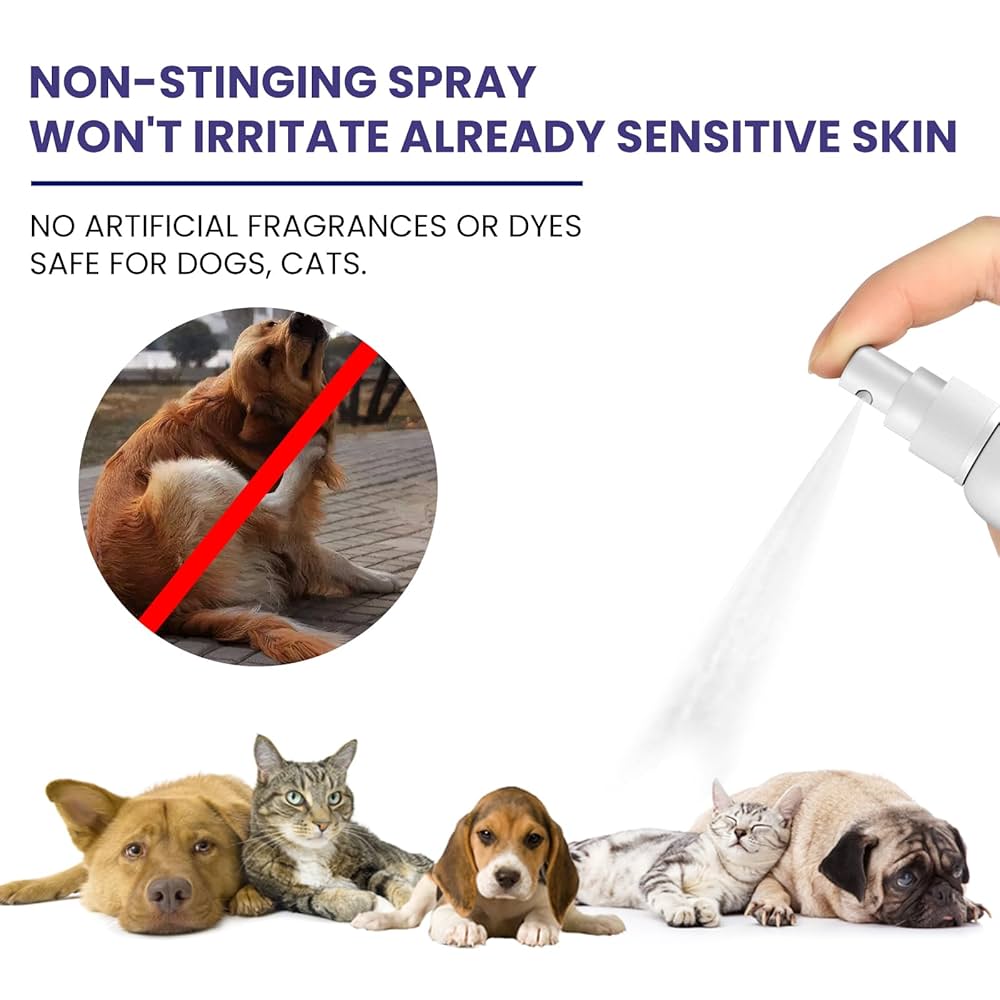
Credit: www.amazon.com
Symptoms Of Skin Allergies
Skin allergies in dogs can be frustrating for both the pet and the owner. Understanding the symptoms can help you identify the problem early, making it easier to find effective solutions. Noticing signs like itching, redness, and hair loss can indicate your dog is suffering from skin allergies. Let’s dive into these symptoms to see what they mean for your furry friend.
Itching And Scratching
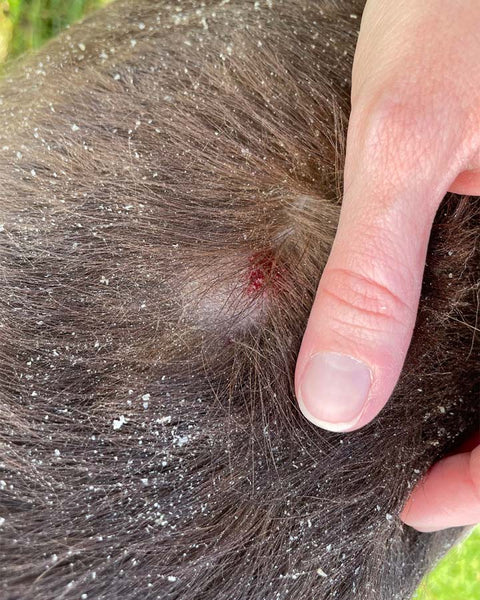
If your dog is constantly scratching, it might be more than just a habit. Persistent itching can lead to open wounds and infections. Have you noticed your dog scratching more than usual after a walk or a change in diet? This could be a sign of skin allergies.
Redness And Swelling
Redness and swelling are common indicators of skin irritation. These symptoms can be localized or spread across different parts of your dog’s body. Imagine your dog’s discomfort when their skin feels irritated and painful. It’s crucial to pay attention to these changes and seek advice from your vet.
Hair Loss
Hair loss in dogs can be alarming. It often indicates an underlying issue, such as allergies. Have you noticed bald spots or thinning fur on your dog? These could be signs that their skin is reacting negatively to something in their environment or diet. Hair loss not only affects your dog’s appearance but their overall health and comfort.
Dietary Adjustments For Allergy Relief
Balanced meals can aid dogs with skin allergies. Omega-3 rich fish like salmon reduces inflammation. Sweet potatoes offer vitamins for healthy skin.
Dietary adjustments can significantly help relieve your dog’s skin allergies. Choosing the right food can reduce symptoms and improve skin health. Allergies often stem from specific ingredients in their diet. So, understanding what your dog eats is crucial for allergy management.Hypoallergenic Diet Options
A hypoallergenic diet can reduce allergic reactions. These diets typically avoid common allergens like beef, chicken, and dairy. Some options include:- Limited ingredient diets
- Novel protein diets
- Hydrolyzed protein diets
Importance Of Omega Fatty Acids
Omega fatty acids play a vital role in skin health. They reduce inflammation and improve skin texture. Omega-3 and Omega-6 are essential for dogs. Foods rich in these fats are beneficial. Sources of omega fatty acids include:- Fish oil
- Flaxseed
- Chia seeds
Probiotics And Gut Health
Probiotics support your dog’s digestive system. A healthy gut can improve overall immunity. This reduces allergic reactions. Probiotics balance the gut flora, enhancing nutrient absorption. Probiotic-rich foods include:- Yogurt
- Kefir
- Fermented vegetables
Topical Treatments For Skin Allergies
Topical treatments can soothe a dog’s skin allergies effectively. These include medicated shampoos and creams to reduce itching and inflammation. Consult a vet for the best option.
Topical treatments are essential for dogs with skin allergies. They provide immediate relief. These treatments soothe itching and reduce inflammation on the skin’s surface. Let’s explore some effective topical solutions.Medicated Shampoos
Medicated shampoos cleanse and treat your dog’s skin. They often contain ingredients like oatmeal or aloe. These components calm irritated skin. Use them regularly for optimal results. They also help remove allergens trapped in fur. Choose a shampoo specifically for skin allergies. Always follow the instructions on the label. Rinse thoroughly after application.Soothing Balms And Creams
Balms and creams offer targeted relief. Apply them directly to affected areas. They often include natural oils and essential vitamins. These ingredients nourish and moisturize the skin. Balms form a protective barrier. This helps prevent further irritation. Read labels to ensure they suit your dog’s needs.Natural Remedies
Natural remedies are gentle yet effective. Coconut oil is a popular choice. It hydrates and soothes inflamed skin. Calendula is another option. It has anti-inflammatory properties. Mix it with carrier oils before application. These remedies are safe for regular use. They offer a holistic approach to treatment. Always test on a small area first.Medications For Severe Allergies
Treating skin allergies in dogs often involves antihistamines or corticosteroids prescribed by veterinarians. These medications help reduce itching and inflammation, improving your pet’s comfort. Regular monitoring and follow-up with the vet ensure effective relief for your furry friend.
When a dog’s skin allergies become severe, medications can offer relief. These medications target the immune system and reduce symptoms. Discovering the right medication depends on the allergy’s severity and the dog’s needs.Antihistamines
Antihistamines block the effects of histamine in the body. This reduces itching and redness. Common options include diphenhydramine and cetirizine. They are often safe but may cause drowsiness. Consult a vet for dosage and suitability.Corticosteroids
Corticosteroids are powerful anti-inflammatory drugs. They quickly relieve itching and swelling. Prednisone and dexamethasone are common choices. Long-term use may lead to side effects. A vet can guide duration and dosage.Immune-modulating Drugs
Immune-modulating drugs adjust the immune response. They treat allergies by suppressing overactive immune cells. Cyclosporine is a popular option. It may take weeks to see results. These drugs require careful monitoring by a vet.
Credit: www.amazon.com
Preventive Measures For Skin Health
Preventive measures can play a crucial role in maintaining your dog’s skin health and minimizing the risk of allergies. By taking proactive steps, you can help prevent skin irritations before they start. Consider these practices to keep your furry friend comfortable and allergy-free.
Regular Grooming
Regular grooming is essential in maintaining your dog’s skin health. It removes dead hair, dirt, and allergens that can accumulate and cause irritation. Aim to brush your dog at least once a week, or more frequently if they have a longer coat.
Bathing should be done with hypoallergenic shampoos designed for dogs. This helps to soothe the skin and remove potential allergens. Avoid over-bathing, as it can strip natural oils and lead to dryness.
Have you ever noticed how a well-groomed dog seems happier? Regular grooming can enhance your dog’s mood, making them feel fresh and comfortable.
Environmental Control
Controlling your dog’s environment can significantly reduce exposure to allergens. Keep your home clean by vacuuming regularly to remove dust and pet dander. Consider using air purifiers to improve air quality.
Be mindful of where your dog plays. Avoid areas with high pollen counts, and wash their paws after walks. This prevents them from bringing allergens indoors.
Think about it: if you’re careful about where your dog spends their time, you can help them avoid many common allergens.
Routine Vet Check-ups
Routine vet check-ups are vital for early detection and prevention of skin allergies. Regular visits allow your vet to monitor your dog’s skin condition and recommend appropriate treatments if needed.
Discuss any changes in your dog’s skin or behavior with your vet. This ensures potential issues are addressed promptly before they escalate.
Have you ever felt a sense of relief after a vet visit? Knowing your dog is healthy can give you peace of mind and help prevent future problems.
Alternative Therapies
Natural remedies can ease your dog’s skin allergies. Oatmeal baths calm itching and reduce irritation. Coconut oil moisturizes and soothes dry skin, offering relief from discomfort.
Dealing with your furry friend’s skin allergies can be challenging, especially if traditional treatments aren’t providing the relief they need. Exploring alternative therapies might just offer the soothing solution you’re seeking. From ancient practices to natural remedies, there’s a wide array of options that could help ease your dog’s discomfort.Acupuncture
Acupuncture isn’t just for humans—dogs can benefit, too. This ancient practice involves inserting thin needles into specific points on the body to stimulate healing. Some pet owners have reported significant improvements in their dog’s skin condition after a few sessions. Imagine your pet relaxing on the mat while the therapist gently places the needles. It’s a serene process that might just be the key to reducing inflammation and boosting your dog’s immune system. Have you ever considered acupuncture for your pet?Herbal Supplements
Natural remedies like herbal supplements can be a great addition to your dog’s diet. These supplements often contain ingredients known for their anti-inflammatory and healing properties. Ingredients like turmeric, omega-3 fatty acids, and chamomile are popular choices. You might be surprised to see how a simple addition to their meal can make a big difference. Always consult your vet before starting any new supplement to ensure it’s safe for your pet. Are you curious about how herbs can benefit your dog’s skin health?Homeopathy
Homeopathy is a gentle approach that uses highly diluted substances to trigger the body’s healing response. Many dog owners swear by homeopathic remedies for skin allergies. Remedies like sulfur and apis mellifica are commonly used for skin issues. It’s fascinating how a few tiny pellets can aid in soothing itchy skin. While results can vary, it’s worth exploring if conventional treatments haven’t worked for your dog. Have you tried homeopathy for your pet, or is it something you might consider? Exploring these alternative therapies could open new avenues of relief for your dog’s skin allergies. Each option offers unique benefits, and finding the right combination might just lead to a happier, itch-free pet.
Credit: www.amazon.com
Frequently Asked Questions
What Foods Help Dogs With Skin Allergies?
Certain foods can alleviate skin allergies in dogs. Consider hypoallergenic diets that include ingredients like fish, sweet potatoes, or rice. These ingredients can reduce inflammation and improve your dog’s skin health. Consult your vet before changing your dog’s diet to ensure it’s appropriate for their specific needs.
Can Supplements Aid Dogs With Skin Allergies?
Supplements like omega-3 fatty acids can be beneficial for dogs with skin allergies. These can help reduce inflammation and improve skin condition. You might also consider vitamin E or zinc supplements. Always consult your vet for proper dosage and suitability for your dog’s allergy condition.
How Do I Identify Skin Allergies In Dogs?
Identifying skin allergies involves observing symptoms like itching, redness, or hair loss. Look for excessive scratching or licking. These signs indicate discomfort and potential allergies. A vet visit is crucial for proper diagnosis and treatment. Early identification can prevent worsening of the condition.
Are Natural Remedies Effective For Dog Skin Allergies?
Natural remedies can provide relief for dog skin allergies. Aloe vera or coconut oil can soothe irritated skin. Oatmeal baths can reduce itching and inflammation. However, consult your vet before using these remedies to ensure they won’t interfere with any prescribed treatments.
Conclusion
Finding the right solution for your dog’s skin allergies can be challenging. Explore options like hypoallergenic diets, natural supplements, or vet-recommended treatments. Regular vet visits help in tracking progress and adjusting care. A healthy coat often reflects overall well-being. Pay attention to signs of discomfort, and take action early.
Consult professionals for personalized advice tailored to your dog’s needs. Every dog is unique; what works for one may not work for another. Patience and persistence lead to healthier skin. Your furry friend deserves comfort and care. Make informed choices for their health and happiness.

Similar Posts