What Helps Dry Skin on Dogs: Best Remedies Unveiled
Is your furry friend constantly scratching or looking uncomfortable? If so, they might be dealing with dry skin.
You’re not alone in this; many dog owners face this common issue. But what if you could help your dog feel relief and comfort once again? Imagine the joy of seeing your pet happy and itch-free. Understanding what causes dry skin on dogs and knowing how to treat it can make a world of difference for your canine companion.
You’ll discover effective solutions and simple tips to soothe your dog’s dry skin. Keep reading to learn how you can transform your pup’s life, ensuring they stay healthy and content.

Credit: www.instagram.com
Causes Of Dry Skin In Dogs
Environmental factors, allergies, and poor diet can lead to dry skin in dogs. Proper hydration and nutritious food help maintain healthy skin. Regular grooming and moisturizing treatments also aid in preventing dryness.
Understanding what causes dry skin in dogs is crucial to helping your furry friend find relief. While it’s easy to assume it’s just a minor issue, dry skin can be a sign of underlying problems. Identifying the cause is the first step in ensuring your dog remains comfortable and healthy.Environmental Factors
Environmental changes can greatly affect your dog’s skin. Dry air, whether from winter heating or living in arid regions, can strip moisture from your dog’s skin. If you’ve noticed your own skin getting drier during certain seasons, your dog is likely experiencing the same. Frequent bathing with harsh shampoos can also contribute to dryness. It’s tempting to keep your dog clean, but over-bathing can remove natural oils. Consider switching to a gentle, dog-specific shampoo and observe if there’s an improvement.Dietary Influences
A balanced diet is vital for healthy skin. If your dog’s food lacks essential fatty acids, it might lead to dry, flaky skin. Think about your dog’s meals—are they getting the nutrients they need? Adding omega-3 and omega-6 fatty acids can make a significant difference. These can be found in fish oil supplements or certain high-quality dog foods. Ensure your dog’s diet is rich in these nutrients for a noticeable improvement.Allergies And Sensitivities
Allergies can be a sneaky culprit behind dry skin. They might be allergic to something in their food or environment. Have you noticed increased itching or redness during specific times of the year or after certain meals? Consider an elimination diet or allergy tests to pinpoint the irritant. Identifying and removing the allergen can lead to significant relief and a happier dog.Medical Conditions
Sometimes, dry skin is a symptom of a more serious medical condition. Hypothyroidism and certain skin infections can manifest as dryness. If you’ve tried other solutions without success, it might be time to consult your vet. Regular check-ups can catch these conditions early. Don’t wait until your dog’s skin issue becomes severe—proactive care is always best. Is your dog’s dry skin a constant battle? By examining these causes, you can take proactive steps to help your pup. Remember, a little detective work can lead to a big difference in your dog’s comfort and well-being.Symptoms Of Dry Skin
Dry skin in dogs can be distressing for both pets and owners. Recognizing the symptoms early can help manage this condition effectively. Dogs with dry skin may show various signs, both physical and behavioral. Understanding these symptoms can lead to timely interventions and improved comfort for your furry friend.
Common Signs
Dogs with dry skin often have visible flakes on their coat. You might notice dandruff, especially on darker fur. Their skin may appear red or inflamed. A dull, lifeless coat can also indicate dryness. Excessive shedding is another common symptom to watch for. Pay attention to any rough patches or crusty areas on the skin. These signs are crucial in identifying dry skin early.
Behavioral Indicators
Behavioral changes can signal dry skin issues. Dogs might scratch or lick themselves more than usual. Excessive grooming is a common response to skin discomfort. They may rub their body against furniture or the floor. Some dogs become restless or irritable. A change in sleeping patterns might occur. These behavioral signs indicate discomfort and should not be ignored.
Dietary Solutions
Dry skin in dogs can be a frustrating issue for pet owners. Luckily, dietary solutions offer an effective way to help manage and improve your dog’s skin health. By focusing on what goes into your dog’s bowl, you can address the root causes of dry skin, resulting in a happier and healthier pup.
Essential Fatty Acids
Essential fatty acids play a crucial role in maintaining your dog’s skin health. Omega-3 and omega-6 fatty acids, found in fish oil and flaxseed, are particularly beneficial. These nutrients help reduce inflammation and support the skin’s barrier, preventing moisture loss.
Consider adding a fish oil supplement to your dog’s diet or incorporating foods rich in these acids. Have you noticed an improvement in your dog’s coat after increasing their omega intake? This simple change could be the key to soothing dry skin.
Hydration Importance
Hydration is vital for skin health, not just for humans but for dogs as well. Ensure your dog has access to fresh water at all times. Hydrated skin is less likely to become dry and flaky.
Think about the last time you felt dehydrated and how it affected your skin. Your dog experiences the same. Adding moisture-rich foods like cucumbers or watermelon can be an enjoyable way to boost their hydration levels.
Have you considered the impact of your dog’s hydration on their overall health? Keeping your dog well-hydrated is a simple yet effective step towards alleviating dry skin issues.

Credit: squishface.com
Topical Treatments
Applying coconut oil can soothe dry skin on dogs. Aloe vera gel offers hydration and relief. Oatmeal baths calm irritation and moisturize deeply.
Dogs with dry skin need special care. Topical treatments can soothe their skin. These treatments protect and hydrate the skin. They also help reduce itching and discomfort. Explore some effective topical solutions below.Moisturizing Shampoos
Moisturizing shampoos hydrate your dog’s skin. They contain ingredients like aloe vera and oatmeal. These ingredients soothe irritation and add moisture. Use them regularly for best results. Ensure you choose a shampoo free from harsh chemicals. Gentle formulas are ideal for sensitive skin.Natural Oils And Balms
Natural oils work wonders on dry skin. Coconut oil is a popular choice. It has moisturizing and antibacterial properties. Apply it directly to the skin or add to food. Balms can also be effective. They form a protective barrier on the skin. Look for balms with shea butter or beeswax. These ingredients nourish and protect the skin.Environmental Adjustments
Dry skin on dogs can be a pesky issue, often overlooked but easily manageable with a few environmental tweaks. By making small adjustments in your home, you can help soothe your dog’s itchy skin, contributing to their overall comfort and happiness. Let’s explore how some environmental changes can make a big difference.
Humidifiers
One straightforward way to improve your dog’s skin health is by using a humidifier. During colder months, indoor heating can strip the air of moisture, making your dog’s skin dry and flaky. A humidifier adds much-needed moisture back into the air, creating a more skin-friendly environment.
Place a humidifier in the room where your dog spends most of its time. You might notice an improvement not only in your dog’s skin but also in your own comfort levels. Ever felt your lips chapping more in winter? Your dog might feel the same on their skin!
Temperature Control
Maintaining a consistent and moderate temperature is another key aspect of managing your dog’s dry skin. Extreme temperature shifts can exacerbate skin dryness. Try to keep your home at a comfortable temperature, avoiding excessive heat.
Consider this: if you feel the need to bundle up or strip down due to temperature changes, your dog might be feeling the effects too. An environment that is too hot can intensify dryness, while a chilly room might not provide enough warmth for their skin to stay healthy.
Could adjusting your thermostat by just a few degrees make your home a haven for your dog’s skin? It’s worth a try!
Preventive Measures
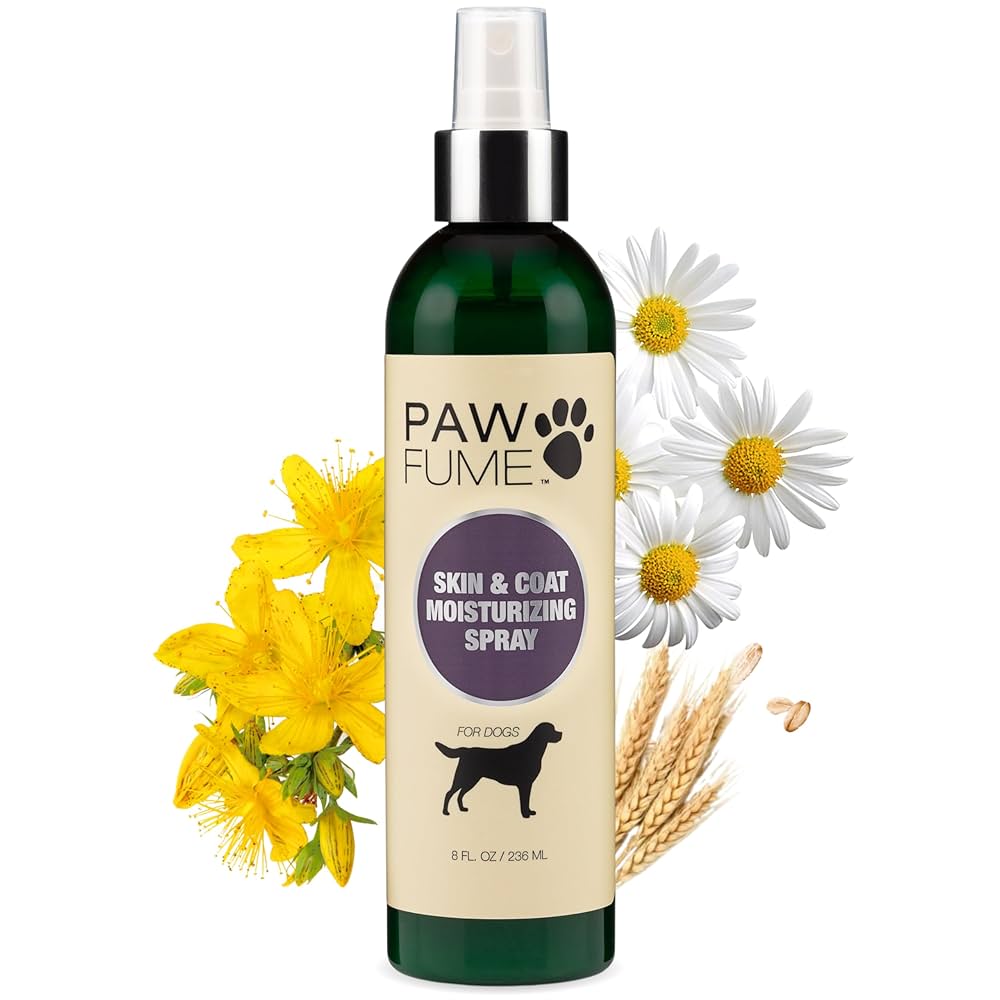
Regular grooming and balanced diet help maintain moisture in dog’s skin. Use gentle shampoos and moisturizing sprays for extra care.
Preventive measures for dry skin on dogs can save them discomfort. By taking proactive steps, you can maintain your dog’s skin health. These measures are simple yet effective. They include regular grooming and balanced nutrition. Let’s explore these strategies to keep your dog’s skin healthy.Regular Grooming
Regular grooming is vital for your dog’s skin health. Brush your dog often to remove dirt and dead hair. This helps distribute natural oils across their skin. It prevents dryness and keeps the coat shiny. Bathing your dog with gentle shampoos can also help. Choose products that are meant for dogs with sensitive skin. Avoid over-bathing as it strips natural oils. Regular grooming sessions make skin care easier.Balanced Nutrition
Balanced nutrition plays a key role in skin health. Feed your dog high-quality food rich in essential fatty acids. Omega-3 and Omega-6 are crucial for maintaining skin moisture. Look for foods with fish oil or flaxseed oil. These nutrients support skin elasticity and hydration. Fresh, clean water is equally important. Ensure your dog drinks plenty of water. Proper hydration aids in keeping the skin supple and moisturized. A healthy diet is foundational to your dog’s overall well-being.When To Consult A Veterinarian
Consult a veterinarian if your dog’s dry skin persists despite home remedies. Persistent dryness may indicate underlying health issues. A vet can provide guidance and appropriate treatment.
When your furry friend is dealing with dry skin, it can be quite distressing. While some cases are manageable with home remedies, there are times when a veterinarian’s expertise is essential. Knowing when to seek professional help ensures your dog receives the best care, preventing any underlying issues from worsening. Let’s explore key signs indicating it’s time to consult a veterinarian.Persistent Symptoms
If your dog’s dry skin symptoms persist despite your best efforts, it’s a signal to consult a veterinarian. Dry skin can be uncomfortable, causing continuous itching and irritation. Pay attention if your dog is scratching excessively or if the skin appears red and inflamed over days. These symptoms might indicate an allergy or a more serious condition that requires professional treatment.Severe Skin Issues
Sometimes, dry skin is more than just a cosmetic concern. If you notice severe symptoms like open sores, crusty patches, or unusual discharge, it’s crucial to seek veterinary help. These could be signs of an infection or a chronic skin disease that needs specialized care. Remember, early intervention can prevent complications and ensure your dog stays healthy and happy. When deciding whether to visit the vet, consider the severity and duration of your dog’s symptoms. Would you wait if it were your skin causing distress? A veterinarian can provide a thorough examination and tailor a treatment plan specific to your dog’s needs. This not only alleviates discomfort but also addresses potential underlying health issues.
Credit: www.pawparentacademy.com
Frequently Asked Questions
What Causes Dry Skin On Dogs?
Dry skin in dogs can be caused by allergies, poor diet, or environmental factors. Parasites, like fleas and mites, may also contribute. Ensuring a balanced diet and proper grooming can help alleviate symptoms. Consult a vet for persistent issues.
How Can I Treat My Dog’s Dry Skin?
Treat your dog’s dry skin by using moisturizing shampoos and providing a balanced diet rich in omega-3 fatty acids. Ensure they have access to plenty of fresh water. Regular vet check-ups can help identify underlying issues and provide appropriate treatments.
Are There Home Remedies For Dry Skin?
Yes, there are several home remedies. Coconut oil can be applied to soothe and moisturize your dog’s skin. Oatmeal baths can also provide relief. Ensure your dog stays hydrated and maintains a balanced diet for optimal skin health.
Is Diet Important For A Dog’s Skin Health?
Yes, diet plays a crucial role in maintaining healthy skin. A balanced diet with essential fatty acids supports skin health. Incorporating foods rich in omega-3s can improve skin moisture. Consult your vet for dietary recommendations suited to your dog’s needs.
Conclusion
Helping your dog’s dry skin requires attention and care. Regular grooming aids in keeping their skin healthy. Consider using vet-recommended moisturizers. They nourish and soothe effectively. Hydration plays a crucial role. Ensure your dog drinks enough water daily. Diet impacts skin health too.
Choose foods rich in omega-3 fatty acids. These support skin vitality. Consult your vet for tailored advice. They offer insights specific to your dog’s needs. Observing your pet’s skin condition helps spot issues early. Take action promptly. Your furry friend deserves comfort and relief.
Keep their skin soft and healthy. Happy pet, happy home!