What to Use to Brush Dogs Teeth: Essential Tools Guide
Do you know that brushing your dog’s teeth is essential for their overall health? Just like you, your furry friend needs regular dental care to prevent plaque buildup, bad breath, and gum disease.
But with so many products on the market, it can be confusing to figure out what to use to brush your dog’s teeth. Are you using the right tools? Is it safe for them? You’ll discover the best options to keep your dog’s teeth sparkling clean and their smile healthy.
Keep reading to ensure you’re giving your pet the best dental care they deserve.
Credit: www.amazon.com
Importance Of Dental Care For Dogs
Regular dental care for dogs is crucial to their health. Use a dog-friendly toothbrush and toothpaste. These tools help prevent plaque buildup and bad breath, keeping your furry friend’s mouth healthy.
The importance of dental care for dogs is often overlooked, yet it plays a crucial role in their overall health. Just like humans, dogs are susceptible to plaque buildup, gum disease, and tooth decay, which can lead to more serious health issues if left untreated. Regular dental care not only prevents these problems but also ensures your furry friend enjoys a happier, healthier life.Why Dental Health Matters For Dogs
Dental health is more than just a shiny smile. Poor oral hygiene can lead to pain and discomfort for your dog, affecting their eating habits and overall well-being. Neglecting dental care can also lead to serious conditions like heart, liver, and kidney disease, as bacteria from infected gums enter the bloodstream.Signs Your Dog Needs Dental Care
Have you noticed your dog has bad breath? This isn’t just an inconvenience; it’s a sign that your dog might need dental care. Other signs include red, swollen gums, difficulty eating, or even pawing at their mouth. Keeping an eye out for these symptoms can help you address potential dental issues early.Tools For Brushing Your Dog’s Teeth
Brushing your dog’s teeth doesn’t have to be a chore. With the right tools, it can become a bonding experience. Use a toothbrush specifically designed for dogs, often with softer bristles and an ergonomic handle for easy use. Dog-friendly toothpaste in flavors like chicken or beef can make the process enjoyable for your pet.Establishing A Dental Care Routine
Consistency is key in maintaining your dog’s dental health. Aim to brush your dog’s teeth daily, or at least a few times a week. Integrating this into your routine can make a significant difference in preventing dental problems. Consider setting a reminder on your phone to make it a habit.Alternatives To Brushing
If brushing proves challenging, there are alternative ways to keep your dog’s teeth clean. Dental chews and toys can help reduce plaque and tartar buildup. However, they should not replace regular brushing but rather complement it.Consulting Your Veterinarian
Your veterinarian is a valuable ally in maintaining your dog’s dental health. Regular check-ups can identify early signs of dental issues and provide professional cleanings if needed. Discuss any concerns you have about your dog’s dental care during these visits. Taking care of your dog’s teeth is not just about preventing bad breath or tartar buildup. It’s a critical part of their overall health and happiness. What steps will you take today to ensure your dog’s dental health is a priority?
Credit: www.amazon.com
Choosing The Right Toothbrush
Keeping your dog’s teeth clean is vital for their health. Choosing the right toothbrush can make this task easier and more effective. The right tool ensures that your dog’s teeth are properly cleaned, reducing the risk of dental issues. Let’s explore some options.
Finger Brushes
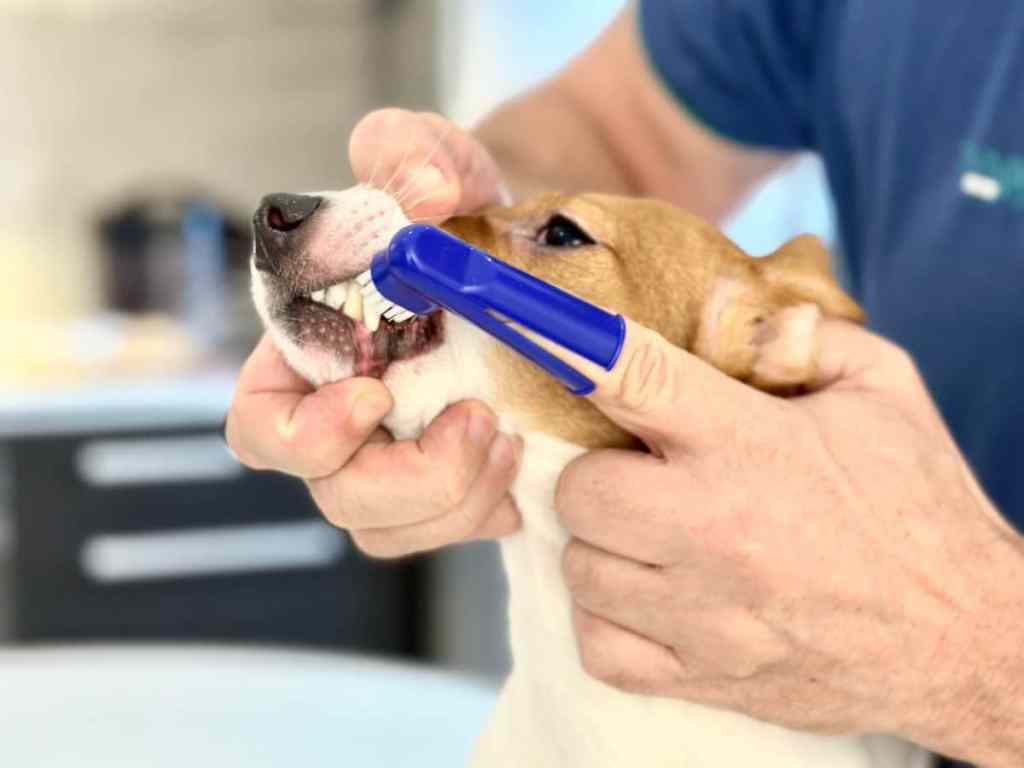
Finger brushes are popular for their simplicity. They fit on your finger like a glove, offering control while brushing. This type is gentle, making it ideal for dogs new to brushing. You can easily reach all areas of your dog’s mouth. Finger brushes are soft, reducing discomfort for your pet.
Dual-headed Brushes
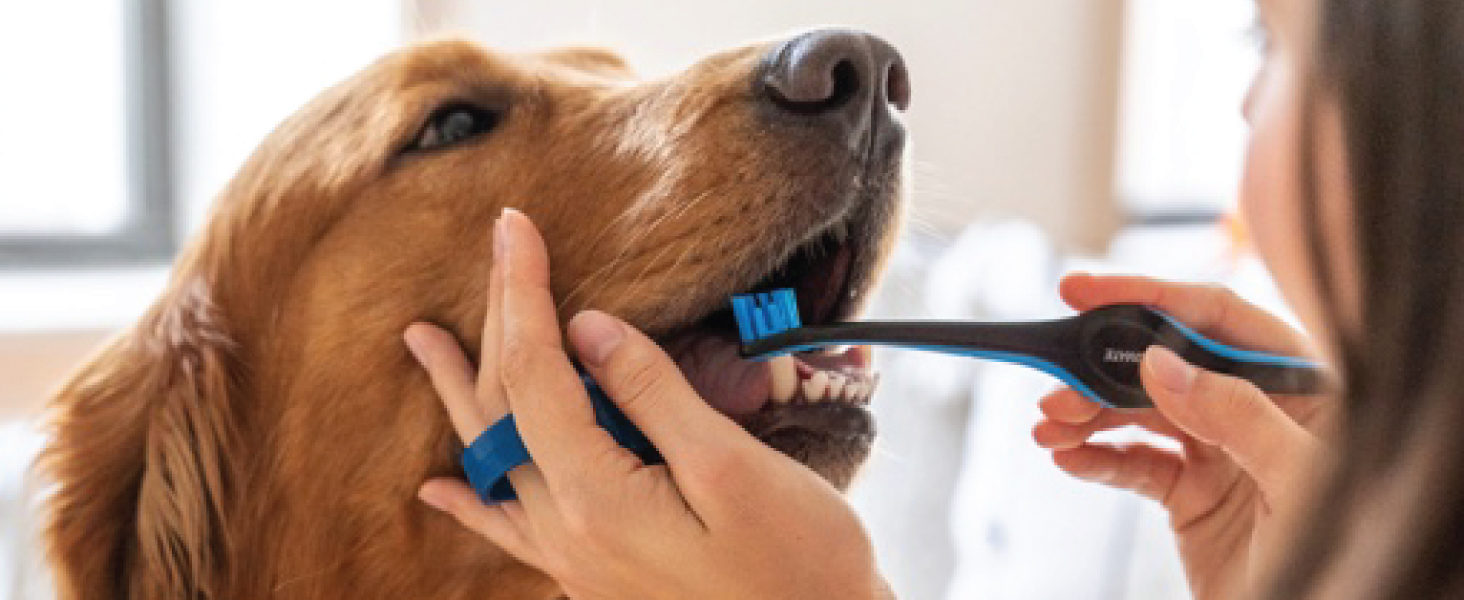
Dual-headed brushes feature two brush heads, allowing you to clean more efficiently. One head cleans the front, while the other tackles the back teeth. These brushes are great for medium to large dogs. They cover more surface area, speeding up the brushing process. Dual-headed brushes are durable and often have ergonomic handles.
Electric Toothbrushes
Electric toothbrushes offer advanced cleaning technology. They vibrate or rotate, providing a thorough clean. These brushes are effective at removing plaque and tartar. Electric brushes can be more expensive, but they save time. They often come with adjustable settings for comfort. Suitable for dogs accustomed to brushing.
Selecting Dog-friendly Toothpaste
Choosing the right toothpaste for your dog ensures safe and effective dental care. Opt for canine-specific toothpaste with natural ingredients to avoid harmful substances. This helps maintain your dog’s oral health without risk.
Selecting the right toothpaste for your furry friend is more important than you might think. Just like humans, dogs need a toothpaste that not only cleans their teeth but also makes the experience pleasant. Choosing a dog-friendly toothpaste can make all the difference in your pet’s dental hygiene routine.Flavors Dogs Love
Dogs have their own unique taste preferences, and the flavor of the toothpaste can significantly influence their willingness to have their teeth brushed. Popular flavors include chicken, beef, and peanut butter. These flavors can transform brushing time from a chore into a treat. Imagine your dog’s excitement as they smell chicken-flavored paste—it’s like brushing with a snack! Trying out a few different flavors can help you find the one your dog looks forward to the most.Ingredients To Avoid
Not all toothpaste is safe for dogs. Human toothpaste often contains ingredients that can be harmful to pets, such as fluoride and xylitol. These components can cause serious health issues if ingested by your dog. When shopping for dog toothpaste, always check the label to ensure it’s free of these substances. Look for products specifically labeled as safe for dogs to ensure you’re making the best choice for your pet’s health.Additional Dental Tools
Choose a dog toothbrush with soft bristles for gentle cleaning. A finger brush can provide better control. Use dog-safe toothpaste to prevent harm and ensure a pleasant experience for your pet.
Ensuring your dog’s dental health is crucial for their overall well-being. While regular brushing is essential, additional tools can enhance their dental hygiene routine. These tools offer convenience and variety, making it easier for both you and your dog to maintain those pearly whites.Dental Wipes
Dental wipes are a fantastic option for dogs who resist traditional toothbrushes. These wipes are pre-moistened with a dog-safe cleaning solution. Simply wrap the wipe around your finger and gently rub it against your dog’s teeth and gums. It’s a quick and less intrusive way to reduce plaque and tartar buildup. Plus, it’s a great option for dogs that are particularly sensitive or anxious about oral care tools.Dental Spray
Dental sprays are an innovative approach to oral hygiene. They often contain ingredients that fight bacteria and freshen breath. Spraying directly onto your dog’s teeth and gums can help dissolve plaque and reduce the risk of dental disease. It’s an excellent option for busy pet parents who want a hassle-free method to enhance their dog’s dental care regimen. Just ensure you choose a spray specifically formulated for dogs to avoid any harmful ingredients.Dental Chews
Dental chews serve a dual purpose: they are both a treat and a dental tool. They are designed to clean teeth as your dog chews, which can naturally help scrape away plaque. Look for chews that are veterinarian-approved and suitable for your dog’s size and chewing habits. Offering these chews can make dental care feel like a rewarding experience for your furry friend. It’s a win-win situation that makes oral care enjoyable rather than a chore. Incorporating these additional tools can significantly boost your dog’s dental health. Have you tried any of these with your canine companion? If not, it might be time to experiment and see what works best for you and your pet.Tips For Effective Brushing
Choosing the right tools is crucial for effective dog teeth brushing. A dog-specific toothbrush and toothpaste are recommended. They help remove plaque and prevent dental issues.
Brushing your dog’s teeth might not be the most glamorous task, but it’s crucial for their health. Just like us, dogs can suffer from dental issues if their teeth aren’t cleaned regularly. With the right approach, you can make this a stress-free routine for both you and your furry friend. Here are some practical tips to ensure effective brushing.Creating A Routine
Consistency is key when it comes to brushing your dog’s teeth. Choose a time of day that works for both of you, perhaps after their evening walk or before bedtime. Having a set routine helps your dog know what to expect, reducing anxiety and resistance. Start with short sessions, gradually increasing the time as your dog becomes more comfortable.Handling Reluctant Dogs
Some dogs may not take kindly to having their teeth brushed at first. Begin by letting them sniff and explore the toothbrush and toothpaste. Try rubbing some toothpaste on your finger and gently massaging it on their teeth to get them used to the sensation. Patience is vital; if your dog becomes too stressed, take a break and try again later.Rewarding Good Behavior
Positive reinforcement can make a world of difference. After each successful brushing session, reward your dog with praise, a treat, or extra playtime. This encourages them to associate teeth brushing with positive experiences. Over time, your dog may even look forward to these sessions as they bond with you and receive rewards. Remember, every dog is different, and what works for one might not work for another. What are some unique ways you’ve encouraged your dog during brushing sessions? Share your thoughts and help others in the comments!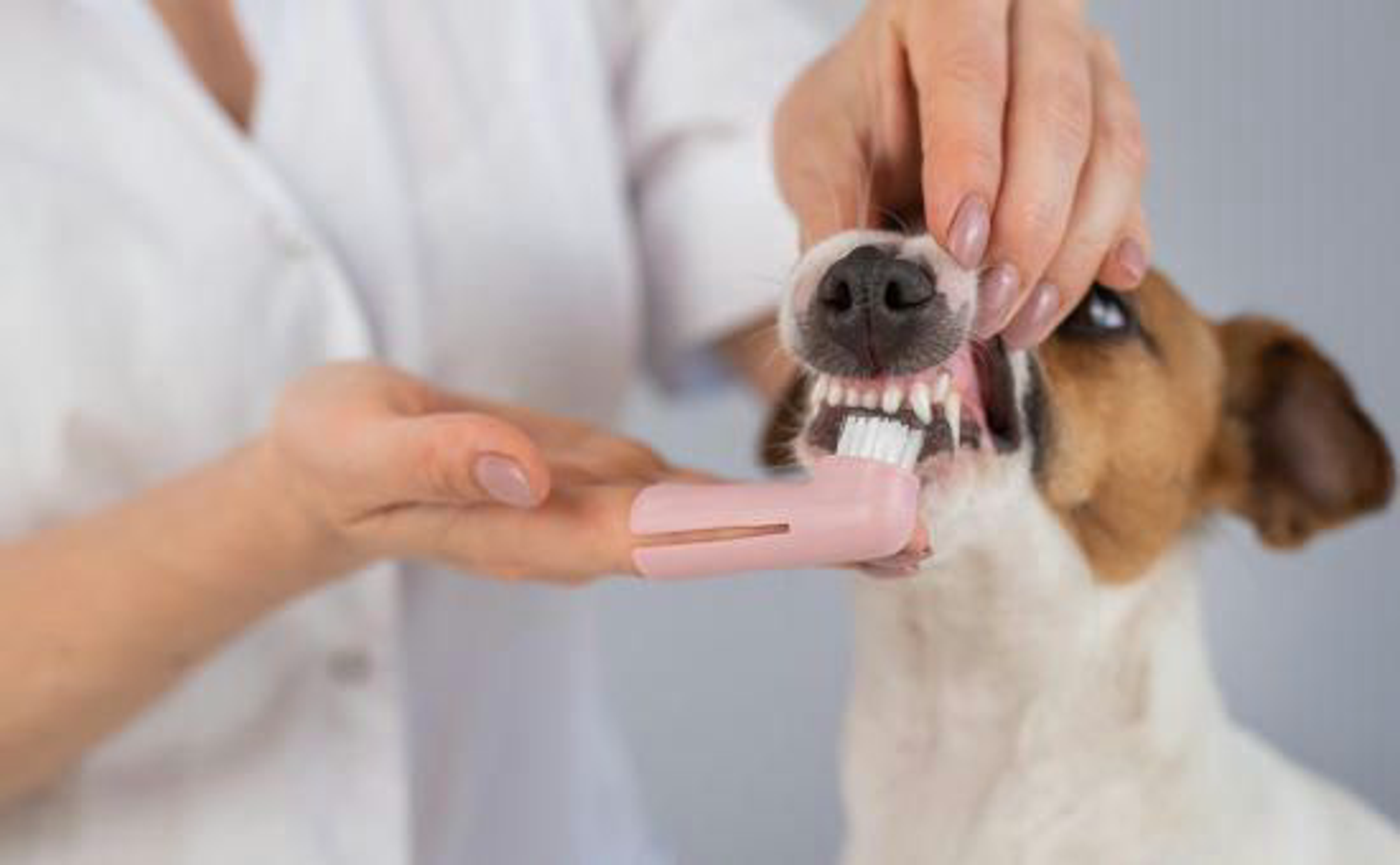
Credit: www.green-petfood.com
Signs Of Dental Problems
Dental health is vital for your dog’s overall well-being. Recognizing signs of dental problems early can prevent serious issues. Regularly check your dog’s mouth for any unusual symptoms. Paying attention to these signs ensures your furry friend stays healthy and happy.
Bad Breath
Notice a foul smell from your dog’s mouth? This could signal dental issues. Bad breath often indicates bacteria or gum disease. It’s not just about unpleasant odors. It may mean there’s an underlying problem needing attention.
Red Or Bleeding Gums
Healthy gums should be a pale pink color. Red or bleeding gums suggest inflammation or infection. This condition, known as gingivitis, can progress to more severe periodontal disease if untreated. Regularly inspect your dog’s gums for any changes in color or bleeding.
Difficulty Eating
Your dog may drop food or chew on one side. These behaviors can signal dental pain or discomfort. Notice if your dog avoids hard food or seems reluctant to eat. Such changes in eating habits warrant a closer look at their dental health.
Frequently Asked Questions
What Is The Best Tool For Brushing Dog’s Teeth?
The best tool for brushing your dog’s teeth is a soft-bristled toothbrush designed for pets. These brushes are gentle on gums and effectively remove plaque. Pair it with dog-specific toothpaste for optimal results. Regular brushing helps prevent dental diseases and bad breath, promoting overall oral health for your furry friend.
Can I Use Human Toothpaste For Dogs?
No, human toothpaste is not safe for dogs. It often contains fluoride and xylitol, which are harmful to pets. Instead, use toothpaste specifically formulated for dogs. These are safe if swallowed and come in flavors appealing to dogs, like chicken or beef, making brushing a more enjoyable experience.
How Often Should I Brush My Dog’s Teeth?
Ideally, brush your dog’s teeth daily to maintain optimal oral health. However, if daily brushing is not feasible, aim for at least three times a week. Regular brushing reduces plaque buildup and prevents dental diseases. Consistency is key to ensuring your dog maintains healthy teeth and gums.
Are There Alternatives To Brushing My Dog’s Teeth?
Yes, there are alternatives like dental chews, toys, and water additives. These can help reduce plaque and tartar. However, they are not as effective as regular brushing. Combining these alternatives with brushing can enhance your dog’s oral health and keep their teeth cleaner for longer.
Conclusion
Choosing the right tools for brushing your dog’s teeth is crucial. It helps maintain their dental health. Always use dog-friendly toothpaste. Human toothpaste can be harmful. Pick a soft-bristled toothbrush designed for pets. Regular brushing prevents plaque buildup. It also keeps bad breath away.
Start slowly if your dog is new to brushing. Patience and consistency are key. Reward them for good behavior. This makes brushing a positive experience. Healthy teeth lead to a happier dog. Keep your furry friend’s smile bright and clean.