Can Dogs Have Potato Skin: Safe Treat or Risky Snack?
Have you ever found yourself peeling potatoes in the kitchen, only to wonder if your furry friend can enjoy the skins as a tasty snack? You’re not alone in this curiosity.
Many dog owners like you are constantly searching for safe and healthy treats for their beloved pets. But before you toss that potato skin to your eager pup, there’s a lot you need to know. Are potato skins a safe treat or a hidden danger?
This question might seem simple, but the answer is crucial for your dog’s health. Stick around to uncover the truth and ensure you’re making the best choices for your canine companion. Your dog’s well-being is worth it!
Potato Skin Composition
Potato skins contain nutrients like fiber and vitamins, but they also have compounds that can be harmful to dogs. Solanine and oxalates in potato skins may cause digestive issues or health problems in dogs if consumed in large amounts. Always consult a vet before feeding your dog potato skins.
Potato skins are often overlooked, yet they contain a unique blend of components that could be beneficial or harmful to your dog. Understanding what’s in a potato skin is crucial before deciding if it’s safe to include in your pet’s diet. Let’s break down the composition to better understand its impact on your furry friend.Nutritional Elements
Potato skins are packed with certain nutrients that might surprise you. They contain fiber, which can aid in digestion and keep your dog’s gut healthy. Additionally, they offer vitamins like B6 and C, which are essential for overall well-being and energy metabolism. Minerals such as potassium and iron are also present. Potassium helps maintain fluid balance, while iron is crucial for oxygen transport in the blood. These elements, while beneficial in small amounts, need to be monitored to avoid any adverse effects.Potential Toxins
Here’s where the caution comes in: potato skins can also house certain toxins. One of the primary concerns is solanine, a natural pesticide found in potatoes. This compound can be toxic to dogs if consumed in large quantities. If you’ve ever seen green spots on potatoes, that’s a sign of solanine presence. It’s important to avoid these as they indicate higher levels of this toxin. Always ensure the skins are thoroughly washed and cooked, as this reduces the solanine content. When deciding whether to give your dog potato skins, consider these factors carefully. Have you ever noticed your dog reacting differently after eating certain foods? Monitoring their health and behavior can provide valuable insights into what works best for them.
Credit: www.facebook.com
Benefits Of Potato Skin For Dogs
Potato skins can be a nutritious treat for dogs, offering fiber and essential nutrients. They support digestive health and provide vitamins like B6 and C. Ensure the skins are cooked and given in moderation to avoid any potential health issues.
Potato skin offers several benefits for dogs, making it a nutritious treat. It’s packed with essential nutrients that support canine health. Including potato skin in a dog’s diet can contribute to their overall well-being. Let’s explore how potato skin can benefit your furry friend.Fiber Content
Potato skin is rich in dietary fiber. Fiber helps regulate a dog’s digestive system. It can prevent constipation and promote healthy bowel movements. Fiber also aids in weight management by helping dogs feel full. This can be beneficial for dogs that need to control their weight.Vitamin Sources
Potato skin contains several vitamins essential for dogs. It is a source of Vitamin C, which supports the immune system. Vitamin B6, found in potato skin, aids in brain development. Potassium, another nutrient, helps maintain healthy muscle function. These vitamins contribute to a dog’s overall health and vitality.Risks Associated With Potato Skin
Potato skin might seem harmless to you, but it can pose certain risks to your furry friend. While potatoes themselves can be a healthy treat in moderation, the skin is a different story. It’s essential to understand the potential dangers before sharing this part of your meal with your dog.
Solanine Concerns
One major risk associated with potato skin is the presence of solanine, a natural chemical found in potatoes and other nightshade vegetables. Solanine is toxic to dogs and can lead to health issues such as vomiting, diarrhea, and lethargy. You might recall a time when your dog seemed off after sneaking a piece of potato skin, which could have been due to solanine exposure.
Digestive Issues
Potato skins can also be tough on your dog’s digestive system. Their bodies aren’t equipped to break down the fibrous skin efficiently, which may result in gastrointestinal discomfort or blockages. Have you ever noticed your dog looking uncomfortable after eating something unusual? The potato skin might be the culprit. To keep your dog’s tummy happy, it’s best to avoid giving them potato skin altogether.
Proper Preparation Of Potato Skin
Potato skins must be thoroughly washed to remove dirt and pesticides. Cook them without seasoning to ensure safety for dogs. Small amounts can be a healthy treat, but always consult your vet before introducing new foods.
Proper preparation of potato skin ensures your dog enjoys a tasty treat safely. Potato skins can be nutritious, but they need careful handling. Cooking them thoroughly and removing toxins is crucial.Cooking Methods
Boil potato skins until they are soft. This method makes them easier for your dog to chew. Baking is another option. Bake them until they are crispy. This adds a satisfying texture. Steaming is also great. It retains moisture and flavor.Removing Toxins
Raw potato skins contain solanine. This toxin can be harmful. Peel off any green parts. These have the highest solanine levels. Wash the skins thoroughly. This removes dirt and pesticides. Cooking reduces solanine levels. Ensure skins are fully cooked.Alternatives To Potato Skin Treats
Dogs can enjoy carrots, apples, or green beans as healthy alternatives to potato skin treats. These snacks are safe and offer essential nutrients. Always ensure fruits and vegetables are prepared properly and fed in moderation.
Potato skins can be a bit tricky for dogs. While they’re often harmless for humans, they might not be the best choice for your furry friend. If you’re looking for tasty alternatives that are safe and healthy, you’re in luck! There are plenty of options that will keep your dog wagging their tail.Safe Vegetables
Your dog can enjoy a variety of vegetables that are both safe and nutritious. Carrots are a fantastic option; they’re crunchy and packed with vitamins. Green beans are another great choice. They are low in calories and can be served raw or cooked. If you’re thinking of broccoli, remember to serve it in moderation. Too much can lead to digestive issues.Healthy Snacks
Consider offering your dog some apple slices. They are sweet and contain fiber that supports digestion. Just be sure to remove the seeds. Another snack option is pumpkin. Not only is it delicious, but it also helps with digestion. You can serve it cooked or canned, just make sure it’s plain and without added spices. What about blueberries? They’re small and easy to digest, making them a perfect bite-sized treat. Plus, they’re full of antioxidants. Explore these alternatives and see what your dog enjoys the most. What’s their favorite treat?
Credit: paradepets.com
Veterinary Advice
Many dog owners wonder if potato skins are safe for their pets. This question often arises due to potential toxicity. Veterinary advice is crucial in these situations. Understanding the effects of potato skins can prevent health issues. Experts recommend consulting a vet before introducing new foods.
Consulting Professionals
Consulting with a veterinarian is essential. Vets offer guidance on safe foods for dogs. They know the nutritional needs of your pet. Potato skins contain compounds that might be harmful. A vet can assess the risk for your specific dog. They may suggest alternatives if necessary.
Signs Of Allergic Reactions
Allergic reactions in dogs can be serious. Watch for symptoms like itching or swelling. Vomiting and diarrhea are also signs. Lethargy or difficulty breathing requires immediate attention. Contact a vet if these symptoms occur. Quick action can prevent further complications.
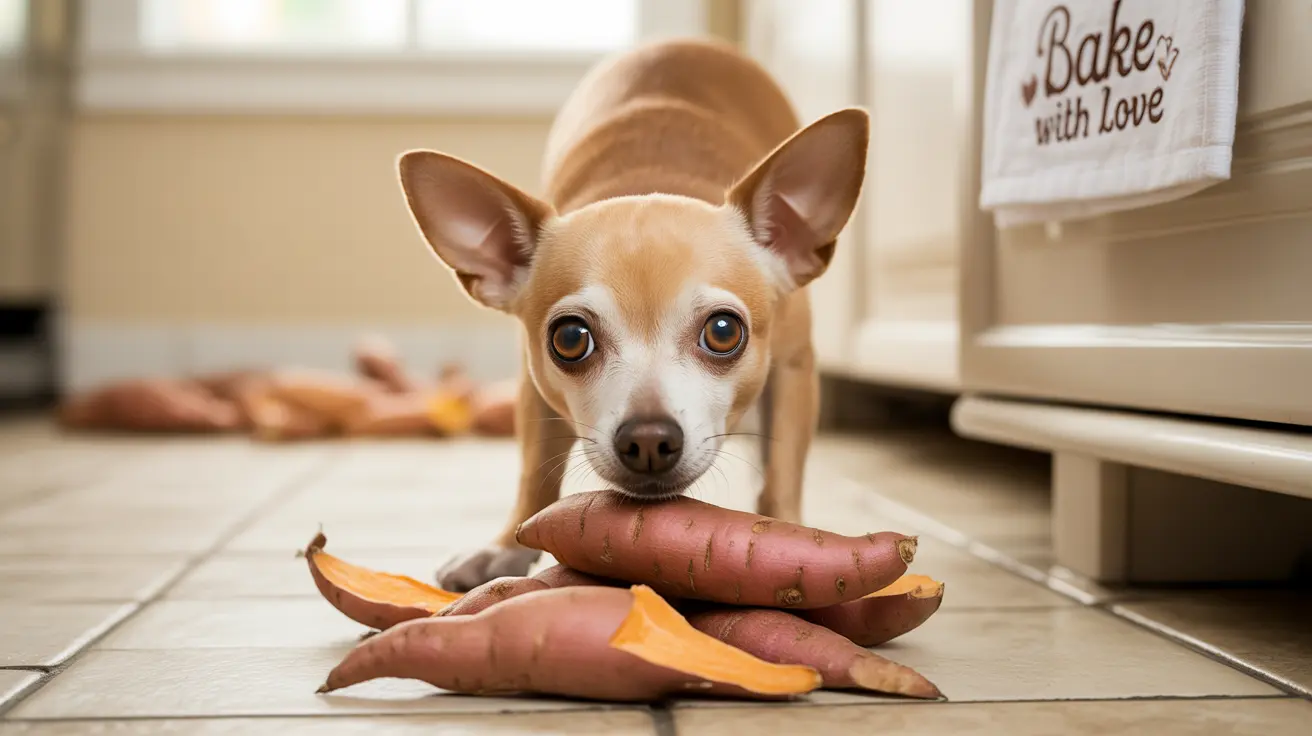
Credit: www.petscare.com
Frequently Asked Questions
Are Potato Skins Safe For Dogs?
Yes, dogs can eat potato skins in moderation. Ensure they are cooked and free from any harmful additives. Avoid raw potato skins, as they contain solanine, which is toxic to dogs. Always consult your vet before introducing new foods to your dog’s diet.
Can Potato Skins Upset A Dog’s Stomach?
Potato skins can cause stomach upset if consumed in large amounts. They may lead to digestive issues like diarrhea or vomiting. Introduce them slowly into your dog’s diet and observe for any adverse reactions. If your dog shows discomfort, discontinue feeding them potato skins.
How Should Potato Skins Be Prepared For Dogs?
Always cook potato skins before serving them to your dog. Boiling or baking them is ideal. Avoid seasoning or adding butter, oil, or spices. Raw potato skins should never be fed to dogs due to solanine content. Keep preparation simple and safe.
What Nutrients Do Potato Skins Provide To Dogs?
Potato skins offer fiber and essential vitamins like B6 and C. They contribute to your dog’s healthy digestion and immune system. However, they should only be a small part of your dog’s diet. Ensure your dog receives a balanced intake from various food sources.
Conclusion
Potato skins can be safe for dogs in moderation. Ensure they are cooked and free from seasoning. Raw or green skins can be harmful. Monitor your dog for any allergic reactions. Every dog is unique, so observe your pet’s response.
Consult your vet for personalized advice. A balanced diet is crucial for canine health. Potato skins can offer fiber, but don’t overdo it. Keep treats and snacks healthy. Your dog’s happiness and well-being matter most. Always prioritize their nutritional needs.
Remember, informed choices lead to a healthier, happier pet.