What Oils are Good for Dogs Skin: Top Picks Revealed
Are you concerned about your dog’s skin health? You’re not alone.
Many pet owners strive to keep their furry friends feeling comfortable and looking their best. You might have noticed your dog scratching more than usual or dealing with dry, flaky skin. The good news is that oils can be a natural and effective remedy for these issues.
Imagine your dog’s coat shiny and soft, with skin that’s healthy and irritation-free. It’s not just a dream; it’s achievable. By using the right oils, you can improve your dog’s skin condition and enhance their overall well-being. Curious about which oils work best and how they can transform your pet’s skin health? Stick around to discover a world of natural solutions that will make your dog happier and healthier. Your dog’s skin deserves the best, and you’ll find it here.
Benefits Of Using Oils For Dogs
Coconut and fish oils can greatly improve a dog’s skin health. These oils help in reducing dryness and itching. They also promote a shiny coat, enhancing your pet’s overall appearance.
The benefits of using oils for dogs are numerous and impactful. Oils can significantly improve a dog’s skin health and coat condition. They also help reduce inflammation, providing comfort to your furry friend. Let’s explore how oils can benefit your dog.Improving Skin Health
Oils like coconut and olive oil nourish the skin. They moisturize dry patches and reduce flakiness. Fatty acids in these oils support skin barrier function. This helps protect against environmental irritants. Regular application can lead to healthier, more resilient skin.Enhancing Coat Condition
A shiny coat often indicates good health. Oils such as fish oil and flaxseed oil can enhance coat appearance. Omega-3 fatty acids in these oils promote shine and softness. They also help minimize shedding. This results in a sleek, lustrous coat that’s easy to maintain.Reducing Inflammation
Inflammation can cause discomfort and itching. Oils like hemp seed and evening primrose oil contain anti-inflammatory properties. They soothe irritated skin and help calm redness. This reduces scratching and promotes healing. Regular use can make your dog more comfortable.
Credit: www.amazon.ca
Factors To Consider When Choosing Oils
Selecting the right oils for your dog’s skin ensures optimal health. Consider options like coconut and olive oil for their moisturizing properties. Essential fatty acids and vitamins promote a shiny coat and healthy skin.
Choosing the right oils for your dog’s skin isn’t just about grabbing the first bottle you see. It requires a thoughtful approach to ensure you’re enhancing your pet’s skin health rather than causing potential issues. Consider these essential factors before making a decision.Dog’s Skin Type
Just like humans, dogs have different skin types that can impact how they react to certain oils. Is your dog’s skin naturally oily, dry, or sensitive? For example, if your dog has dry skin, coconut oil might be beneficial due to its moisturizing properties. On the other hand, if your dog has oily skin, you might opt for lighter oils like jojoba that won’t clog pores.Allergies And Sensitivities
It’s crucial to be aware of any allergies or sensitivities your dog might have. Some dogs can react negatively to specific oils, leading to irritation or even allergic reactions. Before applying any new oil, test a small amount on a patch of your dog’s skin. Observe for any adverse reactions such as redness or itching. Better safe than sorry, right?Oil Quality And Purity
When selecting oils, quality matters. Not all oils are created equal, and some can contain additives or be processed in a way that diminishes their benefits. Look for oils that are organic and cold-pressed. These are typically free from chemicals and retain more of their natural nutrients. Would you want anything less for your furry friend? By considering these factors, you ensure that the oils you choose will support your dog’s skin health effectively. What oils have you found to be beneficial for your pet? Share your experiences and insights!Top Oils For Dogs’ Skin
Choosing the right oils can improve your dog’s skin health. Certain oils can nourish the skin, reduce irritation, and add shine to your dog’s coat. Here, we explore some of the best oils for enhancing your dog’s skin health.
Coconut Oil
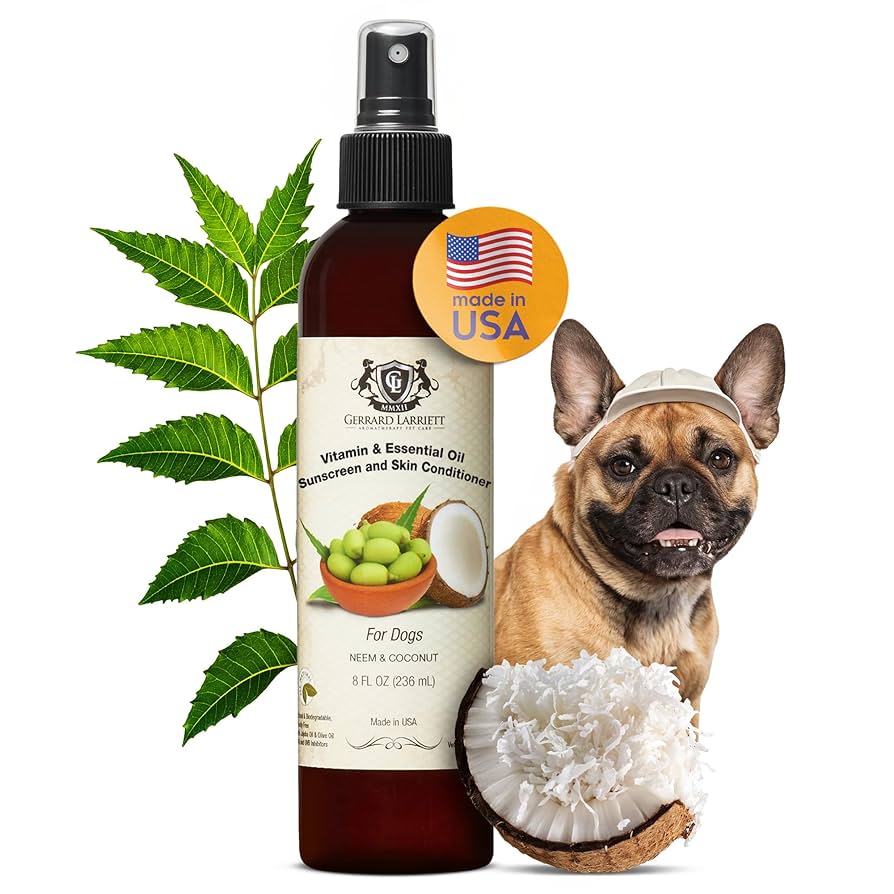
Coconut oil is a popular choice for dogs’ skin health. It contains lauric acid, which has antibacterial properties. Applying coconut oil can soothe itchy skin. It also moisturizes dry skin effectively. Use it sparingly to prevent your dog from feeling greasy.
Olive Oil
Olive oil is rich in antioxidants and omega fatty acids. These nutrients help reduce inflammation and promote healthy skin. Olive oil can be added to your dog’s diet or applied directly to the skin. It helps maintain a shiny coat and prevents dryness.
Fish Oil
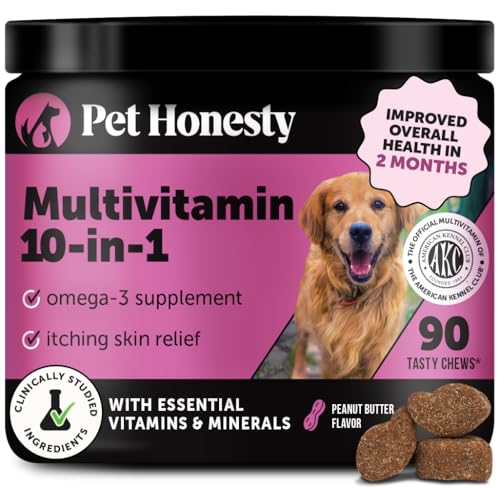
Fish oil is packed with omega-3 fatty acids. These acids help reduce skin inflammation and promote overall skin health. Fish oil supplements can be added to your dog’s meals. Regular use can lead to healthier skin and a shinier coat.

Credit: www.amazon.com
How To Apply Oils Safely
Coconut and olive oils can soothe a dog’s skin. Essential oils like lavender and chamomile may also help. Always dilute oils before applying to avoid irritation.
Applying oils to your dog’s skin can be a soothing and beneficial practice, but it’s crucial to do it safely. Understanding the proper method ensures your pet receives the best care without adverse effects. Whether you’re using coconut oil, olive oil, or any other pet-friendly oil, knowing how to apply it correctly will maximize its benefits. This section explores the safe application of oils for your dog’s skin health, focusing on dosage, technique, and frequency.Proper Dosage
Determining the right amount of oil is key. Too little may not provide enough coverage, while too much can lead to greasy fur or potential skin issues. Generally, a teaspoon of oil is enough for small dogs, whereas larger breeds may require a tablespoon. Always start with a small amount and observe your dog’s reaction. Adjust the dosage based on their size and skin condition. Consult your veterinarian if you’re unsure about the appropriate amount.Application Techniques
Effective application begins with selecting the right method. You can apply oil directly to the skin or mix it with your dog’s shampoo for a diluted effect. Direct application involves gently massaging the oil into the skin to promote absorption and circulation. Use your fingers or a soft brush to evenly distribute the oil across your dog’s body. Pay special attention to dry or irritated areas, ensuring thorough coverage without over-saturation.Frequency Of Use
How often should you apply oils to your dog’s skin? Regular application can enhance skin health, but frequency should be moderated based on your dog’s needs. For most dogs, applying oil once or twice a week suffices to maintain healthy skin and coat. Monitor your dog’s skin condition and adjust the frequency as necessary. If your dog shows signs of irritation or discomfort, reduce the application or consult a vet for advice. By incorporating these safe practices, you can enhance your dog’s skin health effectively and responsibly. Do you notice any changes in your dog’s behavior or skin condition after applying oils? Engaging with your pet during this process not only improves their health but also strengthens your bond.Potential Risks And Precautions
Oils can be great for a dog’s skin, providing moisture and relief from dryness. But they also come with potential risks and precautions to consider. Not all oils are suitable, and knowing the right ones is crucial. Using oils without understanding their effects can lead to skin problems. Awareness of possible allergic reactions and overuse is important. Consulting with a veterinarian ensures safe application and avoids any adverse effects.
Signs Of Allergic Reactions
Dogs may show signs like itching or redness after applying certain oils. Swelling around the face or paws can indicate an allergy. Always observe your dog for unusual behavior following oil application. Vomiting or diarrhea might occur if ingested. Immediate vet consultation is necessary if severe symptoms appear.
Overuse And Side Effects
Excessive oil can clog pores and worsen skin conditions. Overuse may lead to greasy fur or unpleasant odor. Skin irritation can occur if oils are applied too frequently. Oils like tea tree can be toxic in large quantities. Balance and moderation prevent adverse effects.
Consulting With A Veterinarian
A veterinarian can recommend suitable oils for your dog’s skin. They provide guidance on proper quantities and application methods. Consultation helps in identifying safe oils for specific skin conditions. Professional advice prevents misuse and ensures the dog’s well-being. Regular check-ups can monitor skin health and oil effectiveness.
Diy Oil Blends For Dogs
Creating your own oil blends for your dog’s skin can be rewarding. It allows you to tailor the mixture to your pet’s specific needs. Some oils soothe irritation, while others moisturize dry skin. With a few simple ingredients, you can create a blend that benefits your dog’s coat and skin. Below, we explore how to make these blends safely and effectively.
Creating Custom Blends
Start with a carrier oil like coconut or olive oil. Both are gentle on the skin. Add a few drops of essential oils. Lavender and chamomile are great for calming. Mix the oils in a small bowl. Ensure the blend is well combined. Test a small amount on your dog’s skin. Check for any adverse reactions.
Using Essential Oils
Essential oils can enhance your blend’s benefits. Always dilute essential oils before use. Some oils can be strong. Stick to oils safe for dogs. Lavender, chamomile, and cedarwood are popular choices. Avoid oils like tea tree, which can be harmful. Use only a few drops per blend.
Storage And Shelf Life
Store your oil blend in a dark glass bottle. Keep it in a cool, dry place. This prolongs the oil’s shelf life. Label the bottle with the date of creation. Most blends last up to six months. Discard if the smell changes. Always prepare small batches to maintain freshness.

Credit: www.amazon.com
Frequently Asked Questions
What Oils Help Improve Dog’s Skin Health?
Coconut and fish oils are excellent for improving a dog’s skin health. Coconut oil moisturizes and reduces allergic reactions. Fish oil, rich in omega-3 fatty acids, reduces inflammation and promotes a healthy coat. Both oils support skin hydration and can alleviate itching and dryness effectively.
Can Olive Oil Be Used On Dog’s Skin?
Yes, olive oil can be used on a dog’s skin. It contains healthy fats and antioxidants that moisturize and nourish. Olive oil can help soothe dry, flaky skin and improve overall coat health. Use it sparingly to avoid greasiness and always consult your vet for guidance.
Is Essential Oil Safe For Dog’s Skin?
Not all essential oils are safe for dogs. Some can be toxic. Lavender and chamomile oils are generally safe and can calm and soothe. Always dilute essential oils before application and consult your vet. Avoid oils like tea tree, which can be harmful to dogs.
How Often Should I Apply Oil On Dog’s Skin?
Apply oil to your dog’s skin 1-2 times weekly. This frequency helps maintain skin hydration without causing excess greasiness. Monitor your dog’s skin condition and adjust the application frequency as needed. Always start with a small amount to ensure your pet’s comfort and safety.
Conclusion
Choosing the right oils can benefit your dog’s skin greatly. Coconut oil moisturizes and soothes irritation. Fish oil provides essential omega-3 fatty acids. Olive oil nourishes and strengthens the skin barrier. Flaxseed oil also supports healthy skin and coat. Always consult your vet before introducing new oils.
Monitor your dog’s skin for any reactions. Consistent use can lead to noticeable improvements. Your dog’s skin health is important. Proper care and suitable oils make a big difference. Keep your furry friend happy and comfortable. Healthy skin means a happy dog!