
Do Dogs Need Coats in Winter: Essential Winter Tips
Winter is here, and as you bundle up in layers to keep warm, you might find yourself wondering if your furry friend needs a coat too. You love your dog, and their comfort and safety are top priorities.
But do dogs really need coats in winter, or is it just a fashion statement? This question might have crossed your mind as you watch your pup shiver on a chilly morning walk. Understanding whether or not your dog needs a coat can be tricky, especially with the wide range of breeds and sizes.
By uncovering the truth behind this common concern, you’ll ensure your dog stays happy and healthy all season long. Ready to find out what’s best for your beloved pet? Let’s dive into the world of canine winter wear and discover how you can keep your dog cozy and protected in cold weather.
Dog’s Natural Insulation
As winter approaches, you might wonder if your furry friend needs extra protection from the cold. Dogs have a built-in defense system against chilly weather, but it’s not one-size-fits-all. Understanding your dog’s natural insulation can help you decide whether they need a coat when temperatures drop.
Fur Types And Thickness
Different dogs boast various fur types, which play a significant role in their ability to withstand cold. Dogs with double coats, like Huskies and Malamutes, have a dense undercoat that traps heat. This layer acts like a natural sweater, keeping them warm even in frosty conditions.
On the other hand, breeds with single coats, such as Greyhounds or Chihuahuas, lack this additional layer of insulation. These dogs might feel the chill more acutely. If your dog has shorter or thinner fur, they might need a little extra help staying cozy during winter walks.
Breed-specific Adaptations
Some breeds are naturally equipped to handle cold weather thanks to centuries of adaptation. Think about a Saint Bernard, originally bred to rescue travelers in the snowy Alps. Their thick fur and robust build make them well-suited for cold climates.
But what if your dog is a petite French Bulldog or a slender Whippet? These breeds, not bred for cold climates, may struggle in lower temperatures. Consider their origins and purpose to better understand their winter needs.
Have you ever noticed your dog shivering during a walk? It might be a sign they need extra warmth. Assess their reactions to cold, and remember that every dog is unique. By understanding their natural insulation, you can make informed decisions about their winter wardrobe.
Credit: www.abc.net.au
Signs Your Dog Needs Extra Warmth
As temperatures drop, some dogs may need extra warmth during winter months. Not all breeds are equipped to handle cold weather. Dogs with thin fur or small bodies might feel the chill more. It is important to know the signs that your dog needs extra warmth. Observing their behavior and physical symptoms can help you ensure their comfort.
Behavioral Indicators
- Shivering or shaking.
- Reluctance to go outside.
- Curling up tightly to conserve body heat.
- Seeking warm places like radiators or blankets.
- Whining or appearing anxious.
Physical Symptoms
- Cold ears and paws.
- Slow movement or stiffness.
- Dry, flaky skin.
- Visible trembling.
- Frequent sneezing or sniffling.
Choosing The Right Winter Coat
Choosing the right winter coat for your dog is essential. The perfect coat will keep your furry friend warm and comfortable. With so many options available, it’s crucial to know what to look for. Consider the material, size, and fit to ensure your dog stays cozy during chilly months.
Material Considerations
The coat’s material impacts warmth and comfort. Wool and fleece provide excellent insulation. These materials keep dogs warm on cold days. Waterproof materials are important for snowy or rainy weather. They prevent moisture from seeping in. Breathable fabrics are ideal for active dogs. These fabrics prevent overheating during playtime.
Size And Fit
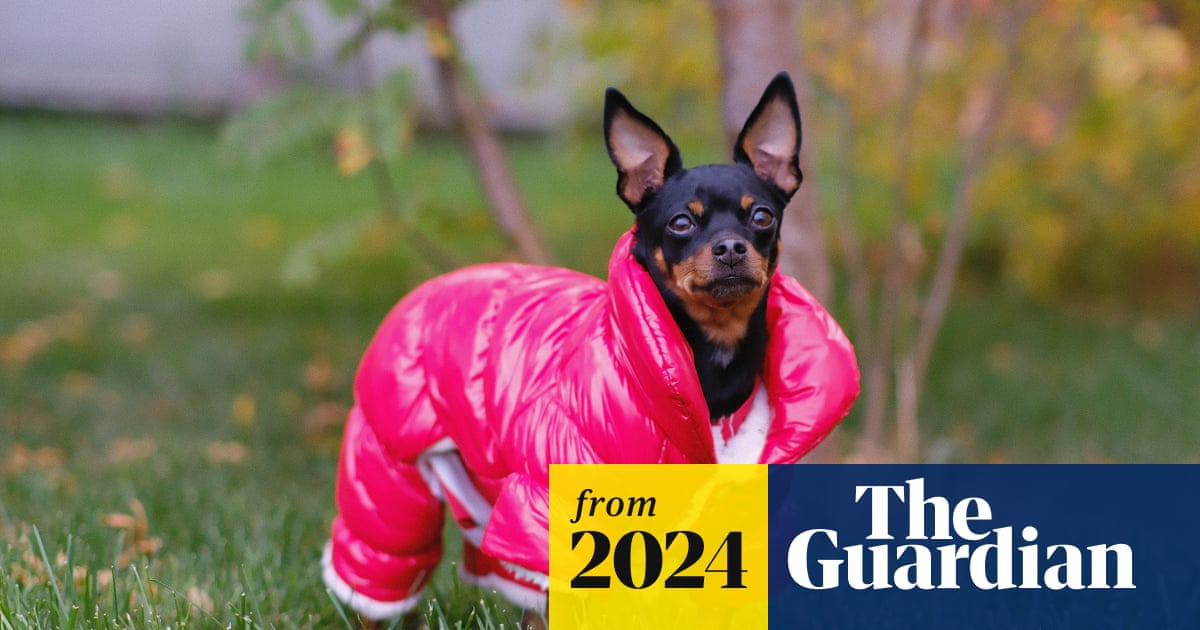
A well-fitting coat is vital for comfort. Measure your dog’s neck, chest, and length. These measurements help find the right size. The coat should allow easy movement. Avoid tight or restrictive coats. Adjustable straps or Velcro can help achieve a good fit. Ensure the coat covers your dog’s back fully. A snug fit prevents cold air from entering.
Credit: www.theguardian.com
Additional Winter Accessories
As temperatures drop, dogs may need extra protection. Winter accessories help keep them warm and comfortable. Dogs have different tolerance levels for cold. Some breeds need more coverage than others. Consider additional winter gear for your furry friend. These accessories can make winter strolls more enjoyable.
Boots And Paw Protection
Cold surfaces can harm a dog’s paws. Boots offer excellent protection against ice and snow. They prevent injuries from sharp objects hidden under snow. Boots also keep paws dry and clean. Choose boots with good traction for slippery paths. Ensure they fit snugly to avoid discomfort. Regularly check for wear and replace when needed.
Hats And Earmuffs
Cold wind can chill a dog’s ears. Hats and earmuffs provide warmth in freezing temperatures. They cover ears and the top of the head. This helps prevent frostbite in extreme cold. Choose lightweight materials for comfort. Ensure they stay securely in place during walks. Dogs with thin fur benefit greatly from these accessories. Adjust fit to prevent slipping off.
Winter Care Tips
Many dogs benefit from wearing coats in winter to stay warm and comfortable. Short-haired and small breeds often struggle with cold temperatures. Protecting them with a cozy coat can help maintain their health during chilly months.
Winter can be harsh for our furry friends. Ensuring they stay warm and healthy is essential. Dogs, like humans, need extra care during cold months. Some breeds have thick coats, while others may need extra layers. Providing the right care ensures their comfort and well-being. Here are some essential winter care tips for dogs.Hydration And Nutrition
Dogs need proper hydration, even in winter. Cold weather can be dehydrating. Always provide fresh water. Ensure their bowl is full. A balanced diet is crucial too. Consider adding warm foods. It helps in keeping them energetic. Foods rich in protein and healthy fats are ideal. These provide the necessary warmth and energy. Consult your vet for specific dietary needs.Exercise Routines
Don’t skip exercise due to cold weather. Dogs need regular physical activity. It keeps them healthy and happy. Short, frequent walks are beneficial. Choose a time when the sun is out. This ensures warmth and comfort. Use booties to protect their paws. Cold surfaces can be harmful. Indoors, play fetch or tug-of-war. It keeps them active without going outside.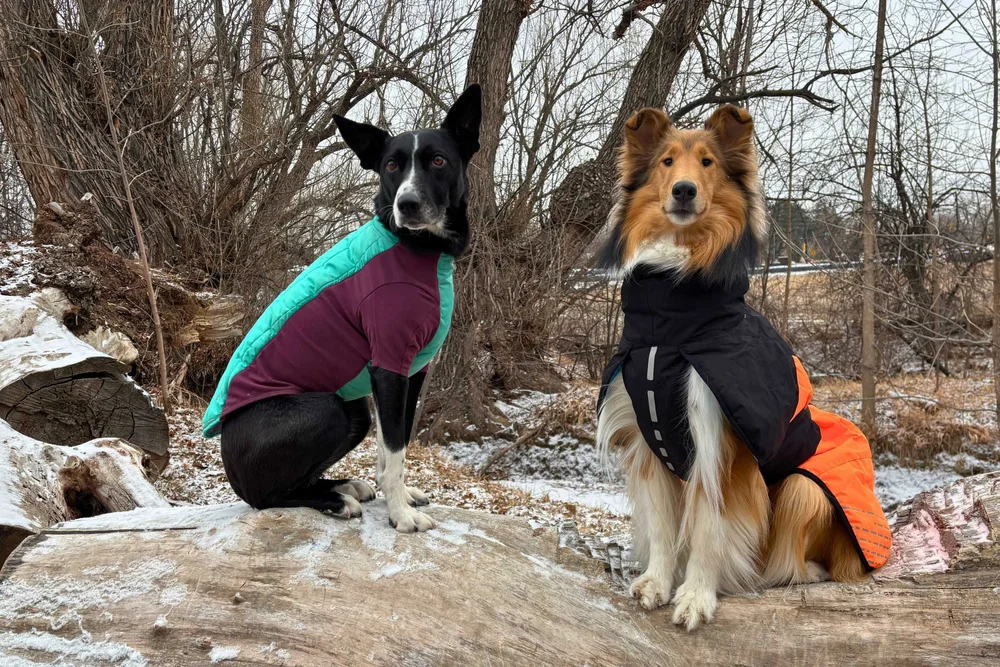
Credit: www.treelinereview.com
Safety Measures In Cold Weather
As winter approaches, ensuring your furry friend stays safe and warm becomes a priority. While some dogs have natural insulation, others might struggle in chilly conditions. Understanding the safety measures for dogs in cold weather is essential to keep them healthy and happy during the winter months.
Avoiding Hypothermia
Hypothermia in dogs can occur quickly in freezing temperatures. It’s crucial to monitor your dog’s behavior during outdoor activities. If they start shivering or acting lethargic, it’s time to head inside. You can also consider investing in a dog coat that fits snugly and covers their body effectively. Choose materials that are waterproof and insulated to provide maximum warmth.
Think about how you would feel stepping out in the cold without a jacket. Your dog experiences similar discomfort. How can you tell if your dog is too cold? Pay attention to their paws and ears, as these areas are most susceptible to cold exposure.
Protection From Ice And Snow
Ice and snow pose unique challenges for dogs during winter walks. Salt and chemicals used to melt ice can irritate your dog’s paws. Consider using protective booties or paw balms to safeguard against these elements. Not only do they offer comfort, but they also prevent slipping on icy surfaces.
Have you ever noticed your dog limping after a walk? It might be due to ice buildup between their toes. Regularly check and clean their paws to remove snow and ice accumulation. This simple action can prevent discomfort and ensure a safe outing.
Furthermore, limit their exposure to icy water, as it can lead to frostbite. Always dry your dog thoroughly after a snowy adventure to keep them warm and prevent potential health issues.
Frequently Asked Questions
Do All Dogs Need Coats In Winter?
Not all dogs require coats in winter. Breeds with thick fur, like Huskies, are naturally insulated. However, smaller or short-haired dogs may benefit from extra warmth, especially in extremely cold temperatures. Assess your dog’s specific needs based on breed, size, and climate before deciding.
How Can I Tell If My Dog Is Cold?
Signs of a cold dog include shivering, whining, and seeking warmth. You may also notice them lifting paws off cold surfaces. If your dog seems uncomfortable or reluctant to go outside, they might be feeling cold. Always monitor their behavior in colder weather.
Are Dog Coats Safe For All Breeds?
Dog coats are generally safe for most breeds, but ensure they fit well and are comfortable. Avoid coats that are too tight or restrictive. For breeds prone to overheating, coats might not be necessary. Always choose coats designed for dogs and monitor their comfort level.
When Should Dogs Wear Coats In Winter?
Dogs should wear coats when temperatures drop below freezing, or in windy conditions. Short-haired or small breeds are more vulnerable and may need protection sooner. Consider factors like wind chill, rain, and snow to determine if a coat is necessary for your dog.
Conclusion
Dogs may need coats in winter, but not all do. Small breeds and those with thin fur often benefit. A warm coat can protect them from cold and wind. Observe your dog’s behavior and comfort. Shivering or reluctance to go outside might mean they need extra warmth.
Consider the weather and your dog’s breed. It’s important to keep them happy and healthy. A coat can be a simple solution. Always choose one that fits well. Your furry friend deserves the best care during cold months. Stay attentive to their needs, and enjoy winter walks together.


