When Do Dogs Shed Their Winter Coat: Seasonal Insights
Senior Canine Nutritionist & Dog Behavior Specialist at Cozy Dog Go Wellness Lab

Have you ever noticed your dog leaving trails of fur all over your home just as the winter chill begins to fade? You’re not alone.
Many pet owners find themselves wondering, “When do dogs shed their winter coat? ” Understanding this natural process can help you manage the mess and keep your furry friend comfortable. Imagine saying goodbye to fur-covered furniture and clothes, and instead welcoming a smoother, cleaner transition into spring.
In this post, we’ll uncover the secrets behind your dog’s shedding cycle, offering you practical tips to make this time of year more manageable. Stay with us, and discover how to turn this hairy situation into a hassle-free experience!
Shedding Cycle
The shedding cycle in dogs is a fascinating process that helps them regulate their body temperature throughout the year. As the colder months approach, dogs develop a thicker coat to keep warm. However, as spring arrives, they begin to shed this winter coat in preparation for the warmer weather.
Factors Influencing Shedding
Several factors can influence when and how much your dog sheds. The breed of your dog plays a significant role; for instance, breeds like Siberian Huskies or Golden Retrievers tend to shed more than others. Additionally, environmental factors such as climate and indoor heating can affect shedding patterns.
Nutrition also plays a crucial part. A balanced diet with adequate omega-3 and omega-6 fatty acids can promote healthy skin and coat, potentially reducing excessive shedding. Ever noticed how your dog’s shedding increases during stress or illness? Emotional and physical health are interconnected and can influence the shedding cycle.
Signs Of Shedding
Recognizing the signs of shedding can help you manage it more effectively. You might notice more hair around your home, on furniture, and in your dog’s favorite resting spots. Brushing your dog regularly can help you catch shedding early.
Does your dog seem to itch more than usual? Increased scratching can be a sign that shedding is underway. Regular grooming can not only help remove loose fur but also allow you to check for any skin issues that might need attention.
Are you prepared for the shedding season? Taking proactive steps can ensure your home stays clean and your dog remains comfortable. Simple actions like regular grooming and maintaining a healthy diet can make a significant difference.
Winter Coat Characteristics
Dogs typically shed their winter coat as the weather warms up. This shedding helps them stay cool during summer months. The process usually begins in spring and can last several weeks. Regular grooming can help manage shedding and keep your dog’s coat healthy.
Understanding the characteristics of a dog’s winter coat can give you insights into how to manage their shedding effectively. A dog’s winter coat is more than just a thicker layer of fur; it’s a crucial adaptation that helps them thrive in colder climates. As the seasons change, you’ll notice how this coat not only protects your furry friend but also undergoes a fascinating transformation.Purpose Of Winter Coat
The primary role of a dog’s winter coat is to insulate and protect them from the cold. This coat acts as a barrier, trapping heat close to the body. This is particularly important for breeds that are naturally adapted to colder environments, like Huskies or Malamutes. You might have noticed your dog snuggling into their winter coat during chilly walks. This is a perfect example of how their coat functions effectively to ward off the cold. It’s fascinating to think about how nature equips our pets with such practical tools for survival.Growth Patterns
The growth of a winter coat is typically triggered by changes in daylight and temperature. As the days shorten, your dog’s body starts to prepare for the cold months ahead by thickening its coat. This growth isn’t instant but occurs gradually over several weeks. Have you ever wondered why your dog suddenly looks fluffier as winter approaches? This gradual increase in fur density is nature’s way of ensuring they’re ready for dropping temperatures. You can help by ensuring your dog receives proper nutrition, as a healthy diet supports optimal coat growth. As you observe these changes in your dog’s coat, consider how you can assist in maintaining its health. Regular grooming can help manage shedding and keep their fur in top condition. How do you ensure your dog’s coat stays healthy during the winter months?Spring Transition
The spring transition marks a significant period for dogs, as they start shedding their winter coats in preparation for warmer weather. This natural process often catches pet owners by surprise, leaving them wondering why their furry friends are suddenly leaving tufts of hair everywhere. Understanding the factors influencing this shedding phase can help you manage your dog’s coat care more effectively.
Environmental Changes
As spring approaches, the environment around your dog starts to change. Longer daylight hours and increased sunlight serve as triggers for shedding. Your dog’s biological clock responds to these environmental cues, initiating the shedding process. This means that even if it’s still chilly outside, the increase in light can start the shedding cycle.
Have you noticed how your dog seems happier and more energetic during spring walks? This could be due to the environmental changes that signal the end of winter’s gloom, encouraging them to be more active. The change in season not only affects their coat but also boosts their mood.
Impact Of Temperature
Temperature plays a crucial role in your dog’s shedding pattern. As the weather warms up, dogs naturally shed their dense winter coats to regulate their body temperature. This is a survival mechanism that ensures they don’t overheat as the mercury rises.
Consider how you feel when transitioning from heavy winter clothing to lighter spring attire. Similarly, dogs need to adjust their “wardrobe” to stay comfortable. Keeping your home at a consistent temperature can also help manage shedding by reducing sudden changes that might confuse their natural cycle.
How do you manage shedding in your home? Regular brushing can be your best ally during this transition. It not only helps keep your home cleaner but also assists your dog in shedding their coat more evenly.

Credit: wamiz.co.uk
Dog Breeds And Shedding
Understanding when your dog sheds its winter coat can be a game-changer for pet owners. Different breeds shed differently, and knowing what to expect can help you manage the mess. Let’s dive into dog breeds and their shedding habits, focusing on high and low shedding breeds.
High Shedding Breeds
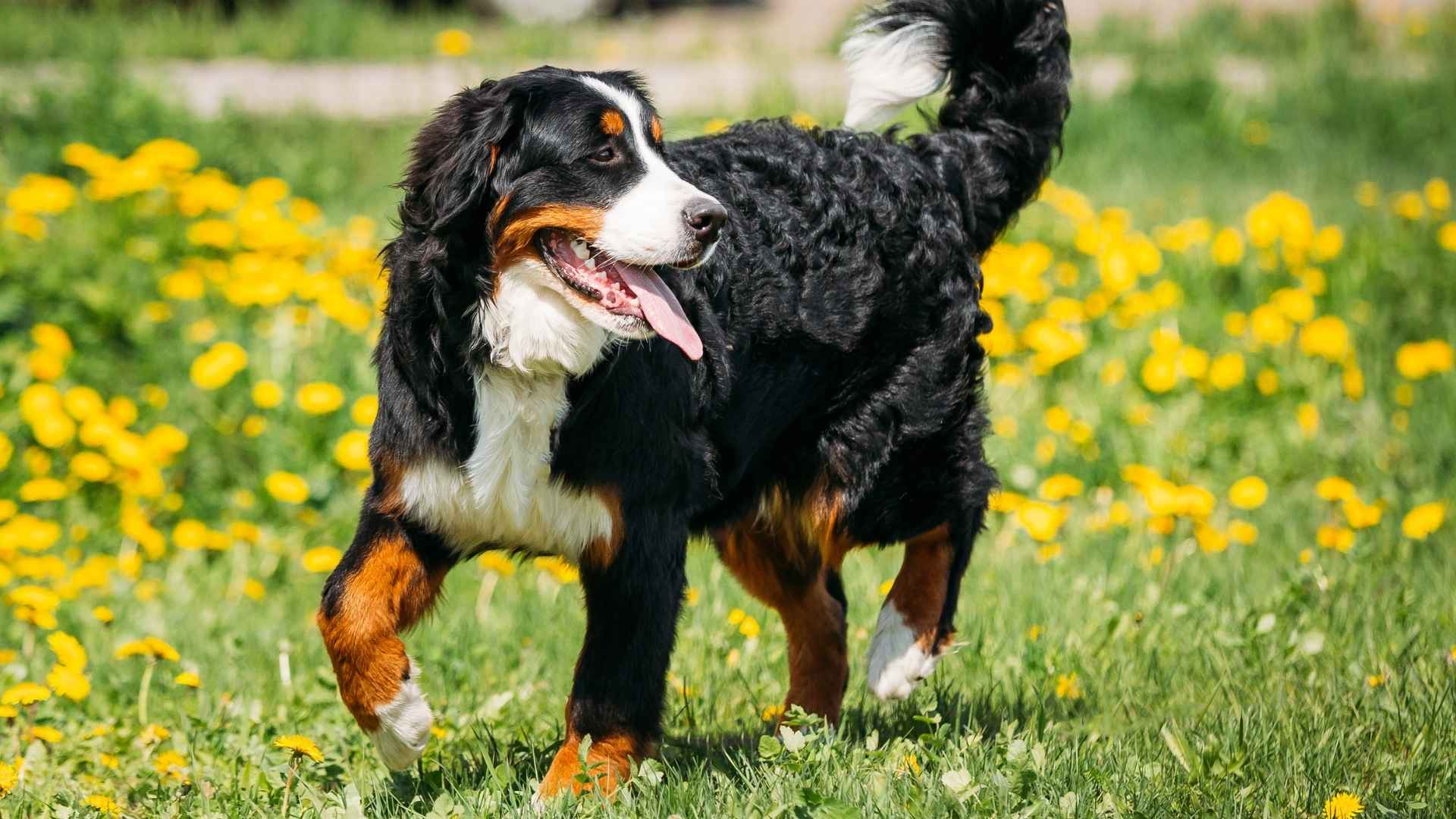
Some dogs seem to leave a trail of fur wherever they go. Breeds like the Golden Retriever and German Shepherd are notorious for their shedding. Their thick coats are designed to keep them warm in cold weather, but as temperatures rise, they’ll start to shed that winter layer.
Do you find yourself constantly vacuuming up dog hair? If you own a high shedding breed, this could be your reality. Regular brushing can help, but expect fur to be a part of your life. Embrace it with the right tools, such as a sturdy vacuum and quality grooming supplies.
Low Shedding Breeds
If you prefer a home without fur tumbleweeds, consider breeds that shed less. Dogs like the Poodle and Maltese are known for their low-shedding coats. These breeds have hair that grows continuously, meaning they require regular grooming but don’t shed as much.
Is a low-shedding breed right for you? If allergies or cleanliness are priorities, these dogs might be a great fit. While grooming can be time-consuming, the trade-off is less shedding around the house. Choose wisely based on your lifestyle and willingness to groom.
Managing Shedding
Dogs shed their winter coat as the days grow longer and temperatures rise. This natural process typically occurs in spring. Regular brushing helps manage shedding and keeps your home cleaner.
Managing shedding can feel like a daunting task for dog owners. As dogs shed their winter coats, hair can get everywhere. Luckily, there are ways to reduce shedding and keep your home clean. Focus on grooming and nutrition to help manage this natural process effectively.Grooming Tips
Regular grooming is crucial during shedding season. Brush your dog daily to remove loose hair. Choose a brush suited for your dog’s coat type. Short-haired dogs need a bristle brush, while long-haired dogs benefit from a slicker brush. Bathing your dog helps remove excess hair and dirt. Use a mild dog shampoo and rinse thoroughly. After bathing, dry your dog well to prevent matting.Nutritional Support
Nutrition plays a vital role in managing shedding. A balanced diet ensures your dog’s coat stays healthy. Incorporate foods rich in omega-3 fatty acids. They promote skin health and reduce shedding. Salmon, flaxseed, and fish oil are excellent sources. Hydration is equally important. Ensure your dog drinks enough water daily. This keeps the skin moisturized and reduces hair loss.
Credit: pawhootz.com
Health Considerations
As the seasons change, dogs begin to shed their winter coats, marking a transition that can influence their health in various ways. Shedding is more than just a natural process; it plays a critical role in maintaining their overall well-being. Understanding the health considerations associated with shedding can help you ensure your furry friend remains comfortable and healthy during this time.
Skin Health
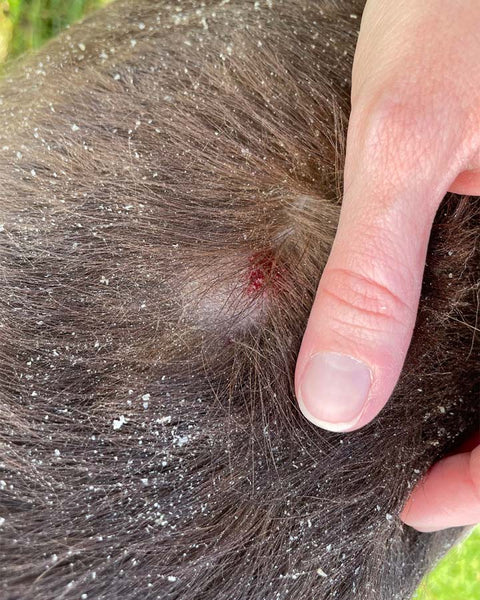
When dogs shed, their skin can become more exposed, which sometimes leads to dryness or irritation. This is the perfect time to pay close attention to your dog’s skin condition. Regular brushing not only helps manage shedding but also stimulates the skin’s natural oils, keeping it moisturized.
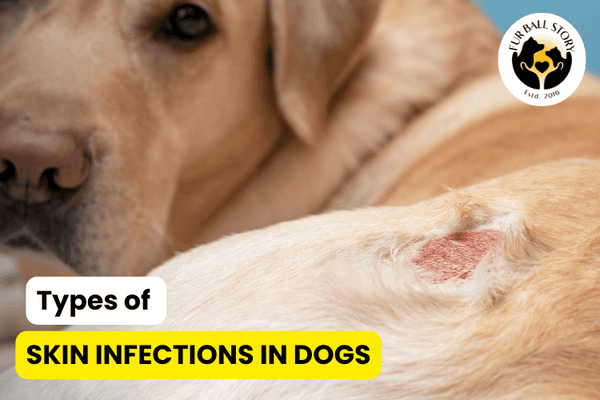
If you notice any redness or unusual texture, it may be a sign that your dog needs a little extra care. Consider using a mild, hypoallergenic shampoo during baths. This can soothe sensitive skin and prevent itchiness. Have you ever found a skin issue with your dog during shedding season that you hadn’t noticed before? Addressing these early can prevent bigger problems later.
Allergies And Shedding
Shedding can also trigger allergies, not only for dogs but for humans too. If you or your dog have allergies, you might find this period particularly challenging. Frequent cleaning can minimize allergens in your home.
Investing in a good-quality vacuum cleaner can be a game-changer. Also, consider air purifiers to maintain air quality. Does your dog seem to scratch more during shedding season? This could be due to allergens irritating their skin, so keep an eye on changes in behavior.
Being proactive about these health considerations can make shedding season a smoother experience for both you and your pet. Are you prepared to manage the shedding season effectively? Your dog’s comfort depends on it!

Credit: www.pet-fx.com
Frequently Asked Questions
Why Do Dogs Shed Their Winter Coat?
Dogs shed their winter coat to adapt to warmer temperatures. This natural process helps them regulate body temperature. Shedding removes old fur and makes way for a lighter summer coat. It’s a normal, healthy cycle that varies by breed and environment.
When Does Shedding Season Start For Dogs?
Shedding season typically starts as temperatures rise in spring. This varies based on location and breed. Longer daylight hours also trigger shedding. Dogs naturally adjust their coat thickness to align with the changing seasons for comfort and health.
How Long Does The Shedding Process Last?
The shedding process can last several weeks to a couple of months. It varies by breed and environmental factors. Regular grooming can help manage shedding. Brushing removes loose fur, minimizes mess, and keeps your dog’s coat healthy during this transition.
Can Diet Affect A Dog’s Shedding?
Yes, diet plays a crucial role in a dog’s shedding. A balanced diet supports healthy skin and coat. Nutrients like omega-3 fatty acids can reduce excessive shedding. Consult your vet for dietary advice specific to your dog’s needs and breed characteristics.
Conclusion
Dogs shed their winter coat as warmer days arrive. This is a natural process. It helps them stay cool and comfortable. Regular grooming can manage shedding. Brush your dog’s coat often. This removes loose hair and keeps their skin healthy.
A balanced diet supports coat health too. Watch for changes in shedding patterns. It may signal health issues. Consult a vet if concerned. Remember, each dog is unique. Their shedding cycle may vary. Understanding their needs ensures a happy, healthy pet.
Enjoy the shedding season with a clean home and a happy dog!

Similar Posts