How Often to Brush Dog’s Teeth: Essential Guide
Have you ever wondered about the importance of brushing your dog’s teeth? Just like humans, dogs need regular dental care to maintain their overall health.
You may be surprised to learn how crucial oral hygiene is for your furry friend. Neglecting your dog’s dental care can lead to serious health issues, including gum disease and tooth loss. But don’t worry—you’re not alone in this! Many pet owners are unsure about how often they should brush their dog’s teeth.
You’ll discover the recommended brushing frequency and tips that can help you keep your dog’s pearly whites in top shape. Get ready to learn how you can enhance your dog’s health and happiness with just a few simple steps.
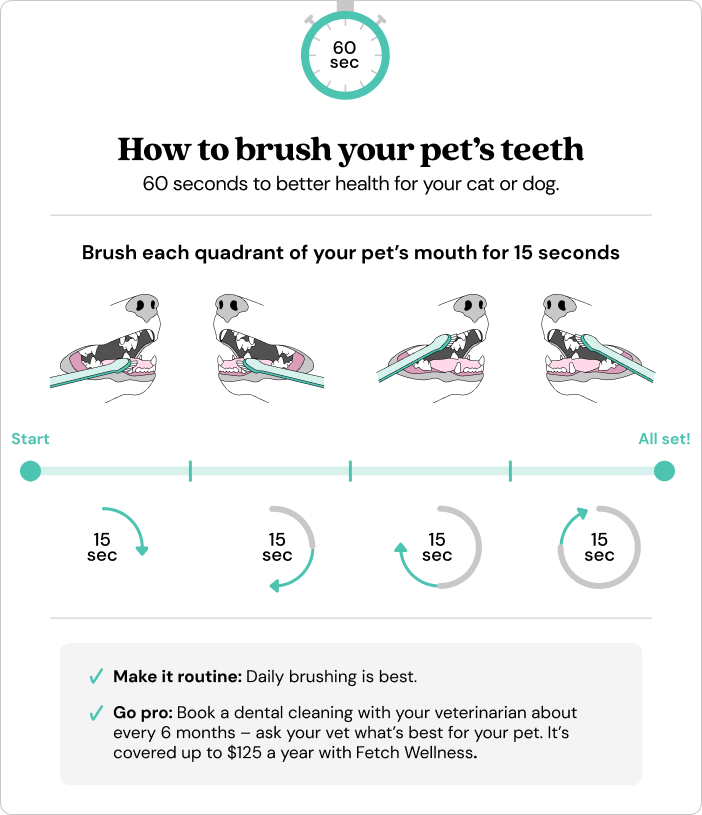
Credit: www.fetchpet.com
Importance Of Dental Care For Dogs
Ensuring your dog’s dental health is crucial for their overall well-being. Dental care goes beyond fresh breath. It prevents serious health issues. Many pet owners overlook this vital aspect. Regular dental care can extend a dog’s life. Healthy teeth and gums contribute to a healthy life.
What Happens Without Proper Dental Care?
Poor dental hygiene leads to tartar and plaque build-up. This can cause painful infections. Without treatment, infections spread to organs. Heart, liver, and kidneys can be affected. Your dog’s quality of life may decline. Regular brushing helps prevent these problems.
Signs Your Dog Needs Dental Attention
Watch for signs of dental distress. Bad breath is a common indicator. Red or bleeding gums suggest issues. Difficulty eating hints at pain. Drooling or pawing at the mouth are warning signs. Regular vet check-ups can catch these early.
Benefits Of Regular Teeth Brushing
Brushing reduces plaque and tartar build-up. It keeps breath fresh and teeth strong. Regular brushing prevents gum disease. It also helps you spot issues early. This can save on costly vet bills. Most importantly, it keeps your dog healthy and happy.
Recommended Frequency For Brushing
Brushing your dog’s teeth is a crucial part of maintaining their overall health. But how often should you be doing it to ensure their teeth stay clean and healthy? Let’s dive into the recommended frequency for brushing your dog’s teeth to keep those pearly whites in top shape.
Consistency is key when it comes to brushing your dog’s teeth. Veterinarians often recommend daily brushing, as it closely mimics the natural cleaning process that occurs when dogs chew. Just like humans, dogs benefit from daily dental care to prevent plaque and tartar buildup.
If daily brushing seems daunting, aim for at least three times a week. This frequency can significantly reduce the risk of dental diseases. Think of it as an investment in your dog’s health, potentially saving you from costly vet bills down the road.
Remember to use dog-specific toothpaste, as human toothpaste can be harmful to pets. Dog toothpaste comes in flavors they love, like chicken or peanut butter, making the experience more enjoyable for them. Have you ever tried brushing your dog’s teeth? Did they enjoy the taste of the toothpaste?
Tip:Establish a routine by brushing at the same time each day. Whether it’s after breakfast or before bedtime, consistency helps your dog adapt to the habit more easily.
Regular brushing is just one piece of the puzzle. Combine it with dental treats and toys designed to clean your dog’s teeth. These can be useful in between brushings and add variety to your dog’s dental care routine.
Are you ready to commit to a brushing schedule? Your dog’s dental health is in your hands, and the rewards are worth it. A healthy mouth means a happier, healthier dog, and who doesn’t want that?
Signs Of Dental Issues
Brushing your dog’s teeth twice a week helps prevent dental issues. Look for signs like bad breath, swollen gums, or difficulty eating. Regular dental care keeps their mouth healthy and reduces vet visits.
Poor dental health can lead to serious issues for dogs. Recognizing signs of dental problems early can prevent pain and costly treatments. Regular checks are crucial to ensure your dog’s oral health. Here are some signs to watch for.Bad Breath
Unpleasant breath is often a sign of dental trouble. It can indicate plaque buildup or gum disease. A fresh breath means healthier teeth.Bleeding Gums
Bleeding after brushing or chewing is not normal. This can be a sign of gingivitis or other gum issues. Healthy gums should be pink and firm.Difficulty Eating
If your dog struggles to chew, it might be due to dental pain. Watch for changes in eating habits. Painful teeth can make eating difficult.Excessive Drooling
Increased drooling can point to oral problems. It often accompanies dental pain or discomfort. Check for other symptoms if drooling is excessive.Loose Or Missing Teeth
Adult dogs should not lose teeth. Loose or missing teeth indicate severe dental issues. Immediate veterinary care might be necessary.Swollen Or Red Gums
Swelling or redness can signal infection. Healthy gums are a vital part of oral health. Regular checks can help spot early signs of problems.
Credit: www.primpedpooches.com
Choosing The Right Toothbrush And Toothpaste
Selecting the ideal toothbrush and toothpaste for dogs involves considering their unique dental needs. Brushing your dog’s teeth two to three times a week helps maintain oral health. Use a soft-bristled toothbrush and a pet-friendly toothpaste for the best results.
Choosing the right toothbrush and toothpaste for your dog can make a significant difference in their dental health. You wouldn’t use just any toothbrush for yourself, so why settle for less for your furry friend? Selecting appropriate dental tools ensures an effective and comfortable brushing routine, keeping those canine teeth sparkling and healthy.What Type Of Toothbrush To Use?
Dog toothbrushes come in various styles. A dual-headed brush, with bristles at each end, can efficiently clean teeth at different angles. Finger toothbrushes offer more control, especially for wiggly pups.Understanding Toothpaste For Dogs
Never use human toothpaste for dogs. Dog-specific toothpaste is formulated to be safe and often comes in flavors they love. Options like chicken or beef-flavored toothpaste can make brushing a treat rather than a chore for your pet.Why Not Use Human Products?
Human toothpaste contains fluoride and other chemicals harmful to dogs. Your dog can’t spit out the toothpaste, so it’s crucial to use a formulation that’s safe if swallowed. Always choose vet-recommended brands to ensure safety and efficacy.How To Introduce A New Toothbrush?
Introduce the toothbrush gradually. Let your dog sniff and explore it before brushing. A positive introduction helps reduce anxiety and makes the process smoother.Making The Toothpaste Appealing
Allow your dog to taste a little toothpaste before brushing. It will help them associate the flavor with a reward. This small step can turn a potential struggle into an eagerly awaited part of their routine.Frequency Of Replacement
Replace your dog’s toothbrush every three months or sooner if it shows wear. A worn-out brush can be less effective and harbor bacteria. Regular replacement ensures optimal cleaning and hygiene. Choosing the right products is a crucial step in maintaining your dog’s oral health. What will you choose to ensure your pet’s dental care is top-notch?Tips For Successful Tooth Brushing
Brushing your dog’s teeth twice a week keeps their gums healthy and breath fresh. Regular brushing helps prevent plaque buildup, reducing the risk of dental diseases.
Keeping your dog’s teeth clean is crucial for their overall health. Brushing their teeth might seem challenging, but with the right approach, it can become a positive routine for both you and your furry friend. Below are some practical tips to ensure successful tooth brushing sessions, making it a less stressful experience for your dog and a more enjoyable one for you.Start Slow And Be Patient
Begin by getting your dog accustomed to the taste of the toothpaste. Let them lick a small amount from your finger. Gradually introduce the toothbrush, allowing them to sniff and explore it. Patience is key; rushing the process can create anxiety for your dog.Choose The Right Tools
Use a dog-specific toothbrush and toothpaste. Human toothpaste can be harmful to dogs. Opt for a toothbrush with soft bristles and a long handle to reach the back teeth comfortably.Create A Positive Environment
Make tooth brushing a rewarding experience. Offer treats and praises before and after brushing. This positive reinforcement encourages cooperation and builds a trusting relationship between you and your dog.Establish A Routine
Consistency is essential. Choose a time when your dog is calm, like after a walk or play session. Regularly brushing their teeth at the same time each day helps them anticipate and accept the routine.Use A Gentle Technique
Brush in small circular motions, focusing on the gum line. Be gentle to avoid causing discomfort or pain. If your dog resists, pause and try again later; forcing it can lead to negative associations.Monitor Their Health
Regularly check your dog’s mouth for signs of dental issues. Look for red or bleeding gums, bad breath, or loose teeth. Early detection of problems can prevent more severe health issues down the road. By following these tips, you can turn tooth brushing into a manageable and even enjoyable routine. Remember, your dog relies on you for their health and well-being. Are you ready to make tooth brushing a bonding experience?Alternative Dental Care Methods
Regular brushing is essential for your dog’s dental health. Aim for brushing their teeth at least twice a week. This helps reduce plaque and prevent oral issues.
When it comes to keeping your dog’s teeth clean, brushing is essential. But there are alternative dental care methods that can enhance their oral health. These methods complement regular brushing and can be easier to implement. They help maintain healthy gums and prevent dental diseases.Dental Chews
Dental chews are tasty treats that promote oral health. They help reduce plaque and tartar buildup. The chewing action massages the gums. Choose chews that are suitable for your dog’s size and age.Water Additives
Water additives are simple to use. Add them to your dog’s water bowl. They fight plaque and freshen breath. Ensure the product is safe and vet-recommended.Dental Wipes
Dental wipes offer a quick cleaning solution. They remove food particles and plaque. Wipe your dog’s teeth regularly. This method is gentle and effective.Professional Cleanings
Regular vet visits for teeth cleaning are important. Vets use special tools to remove tartar. Professional cleaning keeps teeth healthy. Schedule appointments as recommended by your vet.Dietary Adjustments
Certain foods support dental health. Crunchy kibble helps reduce plaque. Avoid sticky treats that harm teeth. A balanced diet promotes overall wellness.Natural Remedies
Natural remedies can be beneficial. Coconut oil is popular for its antibacterial properties. Rub a small amount on your dog’s teeth. Always consult your vet before trying new remedies.Monitoring Your Dog’s Oral Health
Brushing your dog’s teeth at least three times a week helps maintain oral health. Regular brushing prevents plaque buildup and keeps your dog’s breath fresh.
Monitoring your dog’s oral health is crucial for their overall well-being. Regular checks can prevent serious dental issues. Healthy teeth ensure a happy, active dog. Observing changes in your dog’s mouth can be a simple routine. Let’s explore how to keep track of your dog’s dental health effectively.Signs Of Dental Problems
Watch for signs like bad breath or drooling. Swollen gums can indicate issues. Difficulty eating might be a red flag. Always check for loose or broken teeth.Regular Home Inspections
Inspect your dog’s mouth weekly. Look for any unusual growths. Use a soft cloth to gently lift the lips. Check the color and condition of the gums.Professional Dental Check-ups
Schedule vet visits for dental check-ups. A professional can spot hidden issues. Annual cleanings keep teeth healthy. Discuss any concerns with your vet.Dental Care Products
Use dog-friendly toothpaste and brushes. Dental chews can help reduce plaque. Choose products recommended by veterinarians. Ensure toys are safe for chewing.Diet And Its Impact
A balanced diet supports oral health. Crunchy kibble can reduce tartar. Avoid sugary treats that harm teeth. Consult your vet for dietary advice.Behavioral Changes To Note
Notice changes in chewing habits. Reluctance to play with toys can signal pain. Monitor any changes in eating speed. Report unusual behaviors to your vet.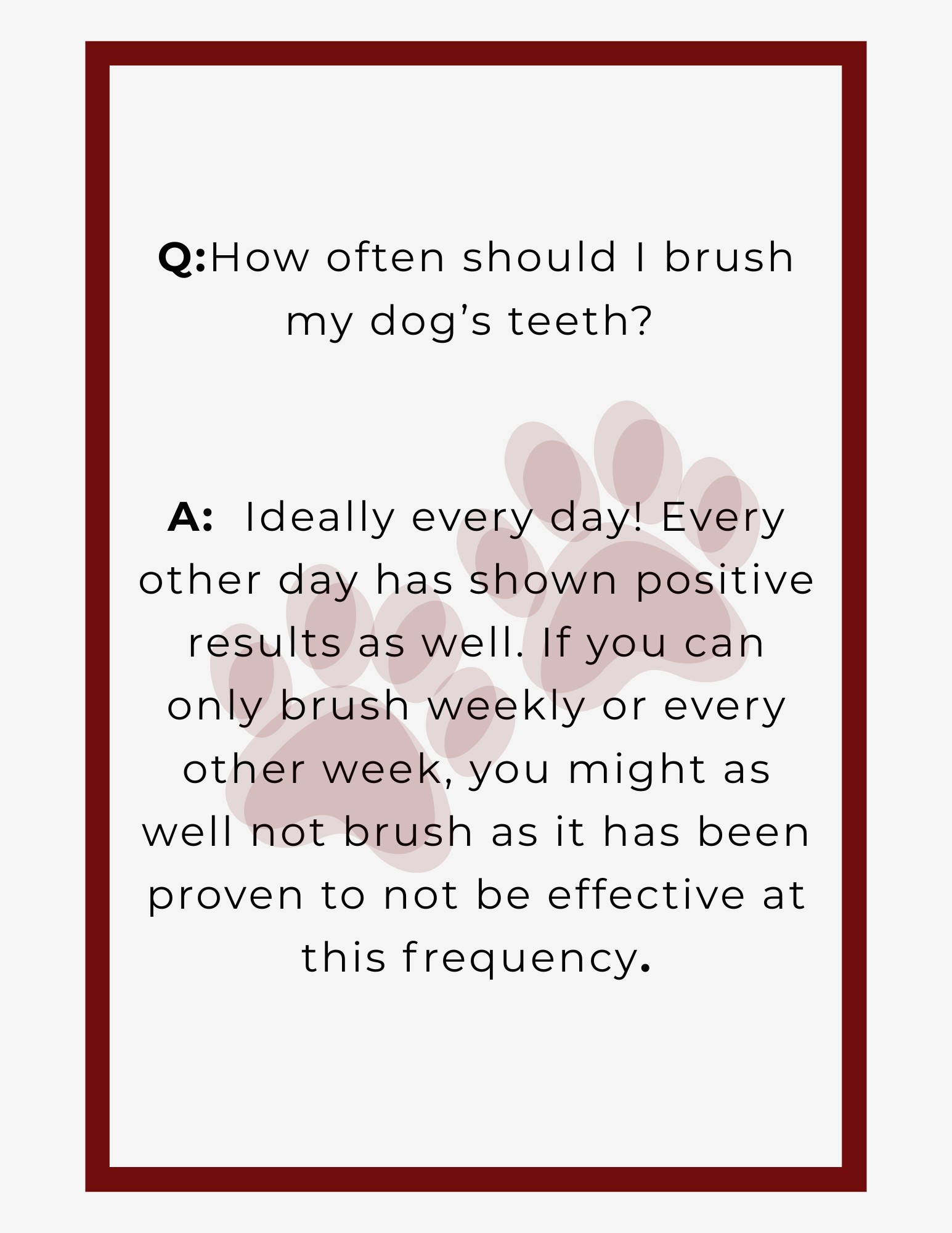
Credit: m.facebook.com
Frequently Asked Questions
How Often Should I Brush My Dog’s Teeth?
Brushing your dog’s teeth daily is ideal for optimal oral health. If daily brushing isn’t possible, aim for at least three times a week. Regular brushing helps prevent tartar buildup and reduces the risk of gum disease. Consistency is key to maintaining your dog’s dental hygiene.
Can I Use Human Toothpaste For My Dog?
No, human toothpaste is not safe for dogs. It contains ingredients that can be harmful to them. Use toothpaste specifically designed for dogs, which is safe to swallow and often comes in flavors dogs enjoy. Proper dental care products ensure effective and safe cleaning.
What Happens If I Don’t Brush My Dog’s Teeth?
Neglecting to brush your dog’s teeth can lead to plaque buildup and gum disease. Over time, this can cause painful infections and tooth loss. Regular brushing helps prevent these issues, ensuring your dog maintains healthy teeth and gums. Dental health is crucial for their overall well-being.
Are Dental Chews A Substitute For Brushing?
Dental chews can complement brushing but should not replace it. They help reduce plaque and tartar, but brushing provides a deeper clean. Combining both methods maximizes dental health benefits. Always choose dental chews that are safe and suitable for your dog’s size and breed.
Conclusion
Brushing your dog’s teeth regularly keeps them healthy and happy. Aim for at least three times a week. Daily brushing is best. Use dog-friendly toothpaste. Make it a fun routine. Healthy teeth prevent serious health issues. Your dog deserves the best care.
Regular brushing helps avoid costly vet visits. Keep your dog smiling with good oral hygiene. It’s simple and rewarding. Take a few minutes each week. Your dog will thank you with wagging tails. Make it a bonding time. Start today and see the difference in your furry friend’s life.
Happy brushing!