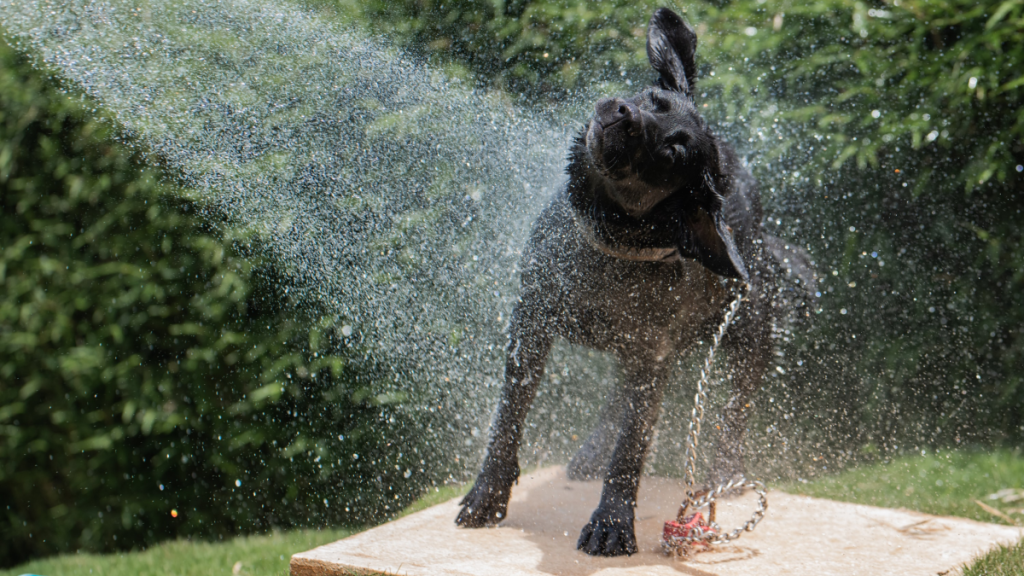
Are you tired of spending money on expensive dog shampoos only to find they don’t suit your furry friend’s needs? Or perhaps you’re worried about the harsh chemicals in store-bought brands?
Imagine having the power to whip up a gentle, effective shampoo right at home, tailored specifically for your dog’s skin and coat. By learning how to make homemade shampoo for dogs, you’ll not only save money, but you’ll also ensure your pup gets the best care possible.
Dive into this guide and discover simple, safe recipes that will have your dog looking and feeling great, all while giving you peace of mind. Don’t just settle for any shampoo—create the perfect blend for your beloved pet and experience the joy of a happy, healthy dog.
Credit: www.food.com
Benefits Of Homemade Dog Shampoo
Making shampoo at home for your dog offers many benefits. Homemade options are often safer and more natural. Store-bought shampoos can contain harsh chemicals. These may irritate your dog’s skin. Creating your own shampoo allows control over ingredients. This ensures your furry friend gets the best care.
Natural Ingredients
Homemade shampoos use natural ingredients. These are gentle on your dog’s skin. Common ingredients include oatmeal, coconut oil, and essential oils. These help soothe and moisturize the skin. They also promote a shiny coat. Your dog will feel comfortable and happy.
Cost-effective
Homemade dog shampoo is budget-friendly. Most ingredients are already in your kitchen. Making shampoo at home saves money. No need to buy expensive store brands. You can make large batches to last longer.
Customizable Fragrance
You can choose the scent of your homemade shampoo. Essential oils like lavender or chamomile add pleasant aromas. These oils also have calming effects. Your dog will smell fresh and feel relaxed.
Eco-friendly Option
Homemade dog shampoos reduce waste. You reuse bottles, cutting down on plastic use. Natural ingredients are better for the environment. Making eco-friendly choices benefits your dog and the planet.
Allergy Control
Some dogs have allergies to certain chemicals. Homemade shampoos avoid these irritants. You control all ingredients. This helps prevent allergic reactions. Your dog stays itch-free and comfortable.
Essential Ingredients
Creating a homemade shampoo for your dog is a thoughtful choice. It allows you to control the ingredients, ensuring the best care for your furry friend. Let’s explore the essential components needed.
Natural Cleansers
Choose gentle cleansers like castile soap or baby shampoo. Castile soap is plant-based, ensuring a mild wash. Baby shampoo is formulated for sensitive skin, making it suitable for dogs. Both options are effective yet gentle.
Moisturizing Agents
Moisture is key to maintaining healthy skin and fur. Add coconut oil or aloe vera for hydration. Coconut oil nourishes and adds shine to the coat. Aloe vera soothes and calms irritated skin. These ingredients help keep your dog’s skin soft.
Fragrance Options
Scents provide a pleasant experience for both you and your pet. Essential oils like lavender or chamomile are safe choices. Lavender offers a calming effect, reducing stress during baths. Chamomile has a gentle scent and is soothing. Use only a few drops to avoid overwhelming your dog.
Step-by-step Preparation
Creating homemade shampoo for dogs involves simple steps. Gather ingredients like baking soda, water, and essential oils. Mix them thoroughly for a natural and gentle cleanser, ensuring your furry friend stays clean and healthy.
Creating homemade shampoo for your furry friend can be a rewarding experience, ensuring you’re using only the safest ingredients tailored to your dog’s needs. The step-by-step preparation process is simple and fun. You’ll find that making this special shampoo not only benefits your dog’s coat but also provides peace of mind knowing exactly what goes into their grooming products.Gathering Supplies
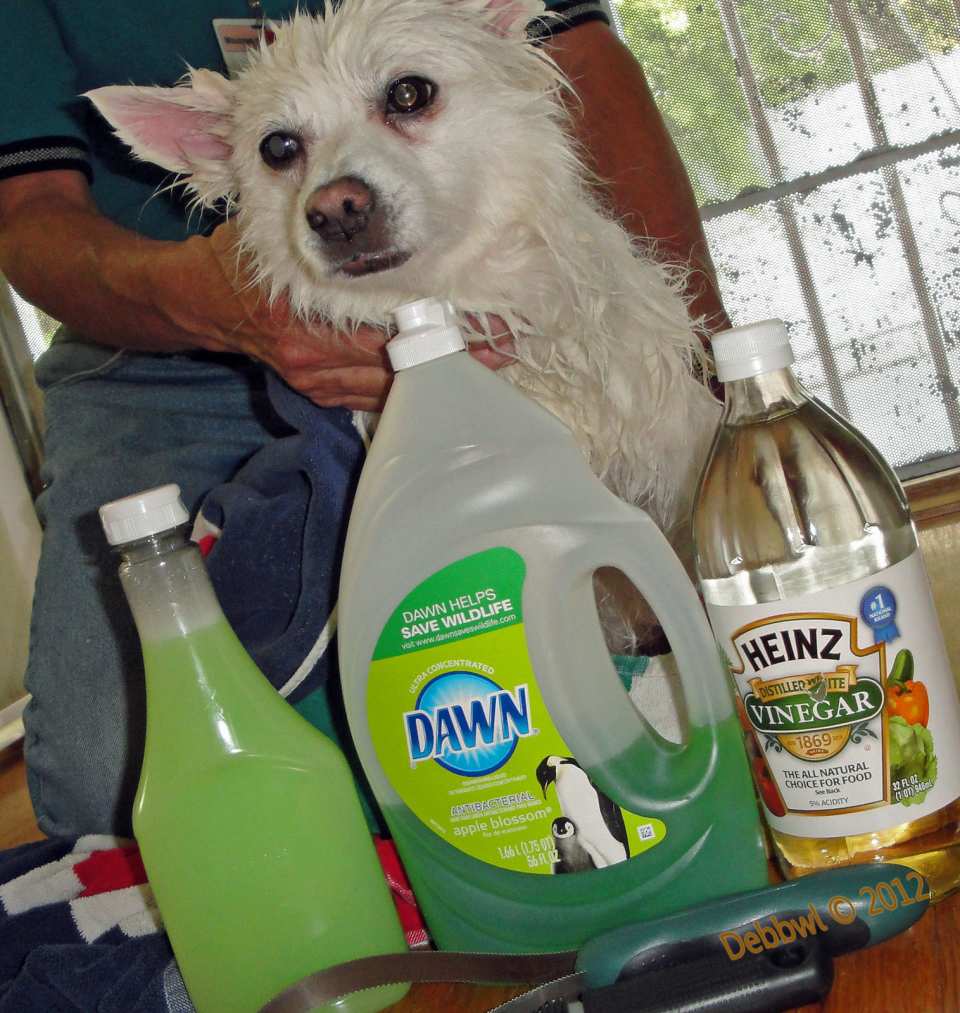
The first step is to collect all the necessary supplies. You’ll need a few basic ingredients like water, vinegar, and dish soap. These are often found in your kitchen, making the process straightforward and budget-friendly. Consider adding essential oils like lavender or chamomile for a soothing effect. Remember to check with your vet if you’re unsure about any ingredient, ensuring it’s safe for your pet. You’ll also need a mixing bowl and a container for storing your shampoo. A funnel might come in handy to avoid any spills.Mixing Ingredients
Once you have all your supplies, it’s time to mix. Start by measuring one cup of water into your mixing bowl. Add half a cup of vinegar and a quarter cup of dish soap. Mix gently to avoid bubbles and ensure everything blends well. If you’re using essential oils, add a few drops at this stage. Stir the mixture until it’s smooth. Are you thinking about trying different scents? Experiment with small batches to find what your dog likes best. This is your chance to create a personalized grooming experience!Storing The Shampoo
After mixing, pour your homemade shampoo into a clean container. A bottle with a secure lid works best to prevent leaks. Label your bottle with the date and ingredients used. This keeps you organized and helps track any changes in your dog’s coat or skin. Store the shampoo in a cool, dark place to preserve its freshness. If you notice any changes in texture or smell, it might be time to whip up a new batch. Isn’t it satisfying knowing that every wash is filled with love and care?
Credit: www.facebook.com
Application Tips
Getting the application right for your homemade dog shampoo can make bath time less of a chore and more of a bonding experience. Knowing how to properly apply your DIY concoction will ensure your furry friend gets clean while enjoying the process. Dive into some practical tips to make sure you’re doing it right.
Bathing Techniques
Start by ensuring your dog is calm and relaxed. A gentle brush before the bath can help remove loose fur and tangles.
Wet your dog’s coat thoroughly, making sure the water is lukewarm. This helps the shampoo spread evenly and protects your dog from any discomfort.
Apply the shampoo starting from the neck and work your way down to the tail. Massage gently using your fingertips, ensuring you cover all areas without rushing.
Safety Precautions
Always avoid the eyes and ears when applying shampoo. These areas are sensitive and can be irritated easily.
Test a small patch of skin before full application, especially if it’s your first time using homemade shampoo. This helps you spot any allergic reactions early.
Rinse thoroughly to prevent residue from causing skin irritation or discomfort later.
Post-bath Care
After rinsing, pat your dog dry with a towel rather than rubbing. This minimizes tangling and keeps the coat looking neat.
Consider using a hairdryer on a low setting to avoid chilling your dog, especially in cooler weather.
Finally, reward your dog with a treat or their favorite toy. This positive reinforcement can make future baths more enjoyable.
Have you ever thought about how a simple tweak in your technique could make bath time a fun activity rather than a dreaded chore?
Common Mistakes To Avoid
Choosing the wrong ingredients can irritate your dog’s skin. Ensure the shampoo’s pH level is dog-friendly. Avoid using human shampoos, as they might harm your pet.
Creating a homemade shampoo for your dog can be a rewarding task, ensuring that your furry friend is pampered with natural ingredients. However, there are some common pitfalls that can turn this endeavor into a messy or even harmful experience. Being aware of these mistakes can help you craft a safe and effective shampoo that keeps your dog’s coat shiny and healthy.Ingredient Overuse
Using too many ingredients or the wrong ones can cause irritation. Essential oils, for instance, are potent and should be added sparingly. Less is more when it comes to homemade dog shampoo. Stick to a few key ingredients and research each one to ensure it’s safe for your pet.Improper Storage
Storing your homemade shampoo incorrectly can lead to spoilage. Always use clean, airtight containers to preserve freshness. Refrigeration can extend the shelf life, but remember to label the bottles with the date of creation. This prevents any unpleasant surprises when you next reach for it.Ignoring Skin Reactions
Every dog is different, and some may have sensitive skin that reacts to new products. Test a small amount on a patch of skin before full application. Monitor your dog for any signs of irritation, like redness or itching. If you notice any adverse reactions, discontinue use immediately and consult your vet. Are you paying attention to how your dog responds to their new shampoo? This can be crucial in ensuring their comfort and health. By avoiding these mistakes, you can confidently create a homemade shampoo that caters to your dog’s unique needs.
Credit: www.pinterest.com
Customizing For Different Coats
Tailor homemade dog shampoo to suit different coat types. Use oatmeal for sensitive skin and coconut oil for moisture. Adjust ingredients for specific needs, ensuring a healthy, clean coat.
Customizing shampoo for your dog’s coat type can make a world of difference in their grooming routine. Just like humans, dogs have unique needs based on their coat type. Crafting a homemade shampoo tailored to your dog’s specific coat can enhance their comfort and ensure a glossy, healthy appearance. Let’s explore how you can personalize your dog’s shampoo for various coat types.Sensitive Skin Solutions
Dogs with sensitive skin require gentle ingredients that won’t irritate or dry out their skin. Opt for natural, soothing elements like oatmeal and aloe vera. These ingredients help moisturize and calm the skin, reducing itchiness and inflammation. Consider adding chamomile or lavender essential oils for their calming properties and pleasant aroma. Always ensure essential oils are diluted properly to avoid any adverse reactions. Test a small patch before a full application to ensure your dog’s comfort.Long-haired Breeds
Long-haired breeds can benefit from shampoos that ease detangling and add shine. Coconut oil is a great addition, as it helps to nourish the hair and reduce matting. It also leaves a natural sheen that enhances the beauty of long coats. Add a bit of apple cider vinegar to balance the shampoo’s pH, which can help maintain the coat’s softness and manageability. To ensure thorough rinsing, use lukewarm water to avoid any residue that might weigh the coat down.Short-haired Breeds
Short-haired breeds often need shampoos that focus on skin health and coat shine. Baking soda is a beneficial ingredient to include, as it acts as a natural cleanser and deodorizer. This keeps the coat fresh without the need for harsh chemicals. Aloe vera can be added to promote a healthy skin barrier, especially if your dog spends a lot of time outdoors. Regular bathing with this customized shampoo will keep their coat sleek and their skin nourished. Have you ever tried customizing your dog’s shampoo based on their coat type? It can be a fun experiment that offers tailored care and enhances their natural beauty. Share your experience and any unique ingredients you’ve used in the comments below.Environmental Impact
Making homemade shampoo for your dogs isn’t just a treat for them; it’s a step toward reducing environmental impact. Many commercial dog shampoos come with a hefty carbon footprint due to their chemical ingredients and plastic packaging. By opting for homemade solutions, you can significantly cut down your contribution to environmental damage. Let’s delve into how you can make your dog’s bath time eco-friendly.
Eco-friendly Ingredients
Using natural ingredients like oatmeal, baking soda, and coconut oil ensures you’re not releasing harmful chemicals into the water system. These ingredients are biodegradable and gentle on your dog’s skin. They also provide soothing properties without the need for synthetic additives. Consider adding essential oils for a pleasant scent, but ensure they are safe for pets. A little research can help you find the best natural components for your dog’s needs.
Reducing Waste
One of the great benefits of homemade dog shampoo is the reduction in plastic waste. You can store your concoction in reusable glass jars or bottles. This not only minimizes plastic usage but also adds a touch of personalization to your pet care routine. Think about the packaging of typical shampoos—how often do you dispose of those bottles? By making your own, you contribute less to landfill waste and promote a sustainable lifestyle. What small changes can you make to your pet care that reflect eco-conscious choices?
Frequently Asked Questions
What Ingredients Are Safe For Dog Shampoo?
Use natural ingredients like oatmeal, aloe vera, and coconut oil. These are gentle and help nourish your dog’s skin. Avoid harsh chemicals and fragrances that may irritate your pet’s skin. Always check with your vet before trying new ingredients.
How Often Should I Shampoo My Dog?
Typically, dogs should be bathed every 4-6 weeks. This frequency helps maintain a healthy coat and skin without over-drying. However, the frequency can vary based on your dog’s breed, lifestyle, and skin condition. Consult your vet for personalized advice.
Can Homemade Shampoo Help Skin Allergies?
Yes, homemade shampoos can help manage skin allergies. Using natural ingredients can soothe irritation and reduce allergic reactions. Always choose ingredients known for their calming properties. Consult your vet to ensure the shampoo is suitable for your dog’s condition.
What Is The Best Homemade Dog Shampoo Recipe?
Combine water, vinegar, and mild dish soap for a simple recipe. This mixture cleans effectively without harsh chemicals. You can also add aloe vera or coconut oil for extra nourishment. Ensure all ingredients are pet-safe and non-toxic.
Conclusion
Creating homemade shampoo for dogs is simple and rewarding. You control the ingredients. This means it’s safer for your furry friend. Plus, it can save you money. Customize scents and benefits for your dog’s needs. Remember to test a small patch first.
Make sure there’s no allergic reaction. Dogs deserve the best care. Your homemade shampoo can provide that. Enjoy the bonding time during bath sessions. Keep your dog healthy and happy. A little effort goes a long way. Happy grooming!


