How to Help Dogs With Dry Itchy Skin: Expert Tips
Does your furry friend constantly scratch and seem uncomfortable? You’re not alone.
Many dogs suffer from dry, itchy skin, and it can be distressing for both you and your pet. Your heart aches every time you see them struggling, but there’s hope. Imagine your dog feeling relieved and at ease, free from the discomfort.
With just a few simple steps, you can transform their skin health and enhance their quality of life. This article will guide you through practical solutions to help your dog feel better, and you’ll discover how easy it can be to make a difference in their well-being. Keep reading to unlock the secrets to soothing your dog’s skin, and watch them return to their happy, tail-wagging self.
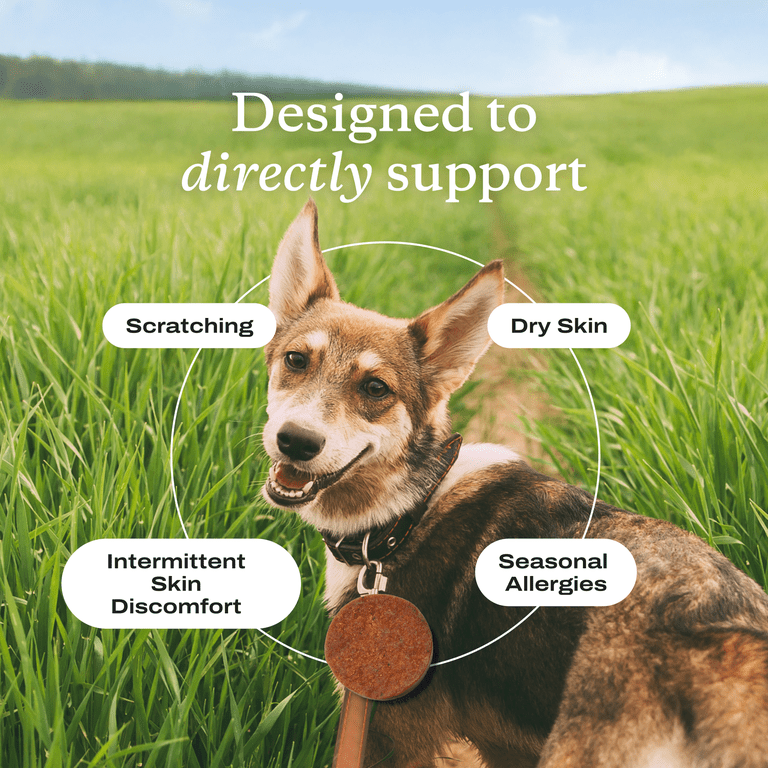
Credit: www.walmart.com
Causes Of Dry Itchy Skin In Dogs
Dogs often suffer from dry, itchy skin. Understanding the causes can help manage their discomfort. Several factors can contribute to this condition in dogs, including environmental influences, dietary choices, and genetic factors. Knowing these causes helps in finding effective solutions for your furry friend.
Environmental Factors
Environmental elements can play a big role in your dog’s skin health. Changes in weather, like cold winters or dry summers, can affect their skin. Low humidity indoors can also cause dryness. Exposure to allergens such as pollen and dust can lead to itchiness. Fleas and parasites might be lurking in grass, causing irritation.
Dietary Influences
Diet impacts skin condition greatly. A lack of essential fatty acids can lead to dryness. Poor-quality dog food might not provide necessary nutrients. Food allergies can cause itching and skin problems. Sometimes, dogs react to certain ingredients, leading to discomfort.
Genetic Predispositions
Some breeds are more prone to skin issues. Genetic factors can predispose dogs to dry, itchy skin. Breeds like Bulldogs and Terriers often have sensitive skin. Knowing your dog’s breed can help in understanding their skin needs. Keep an eye on family history for signs of recurring skin problems.
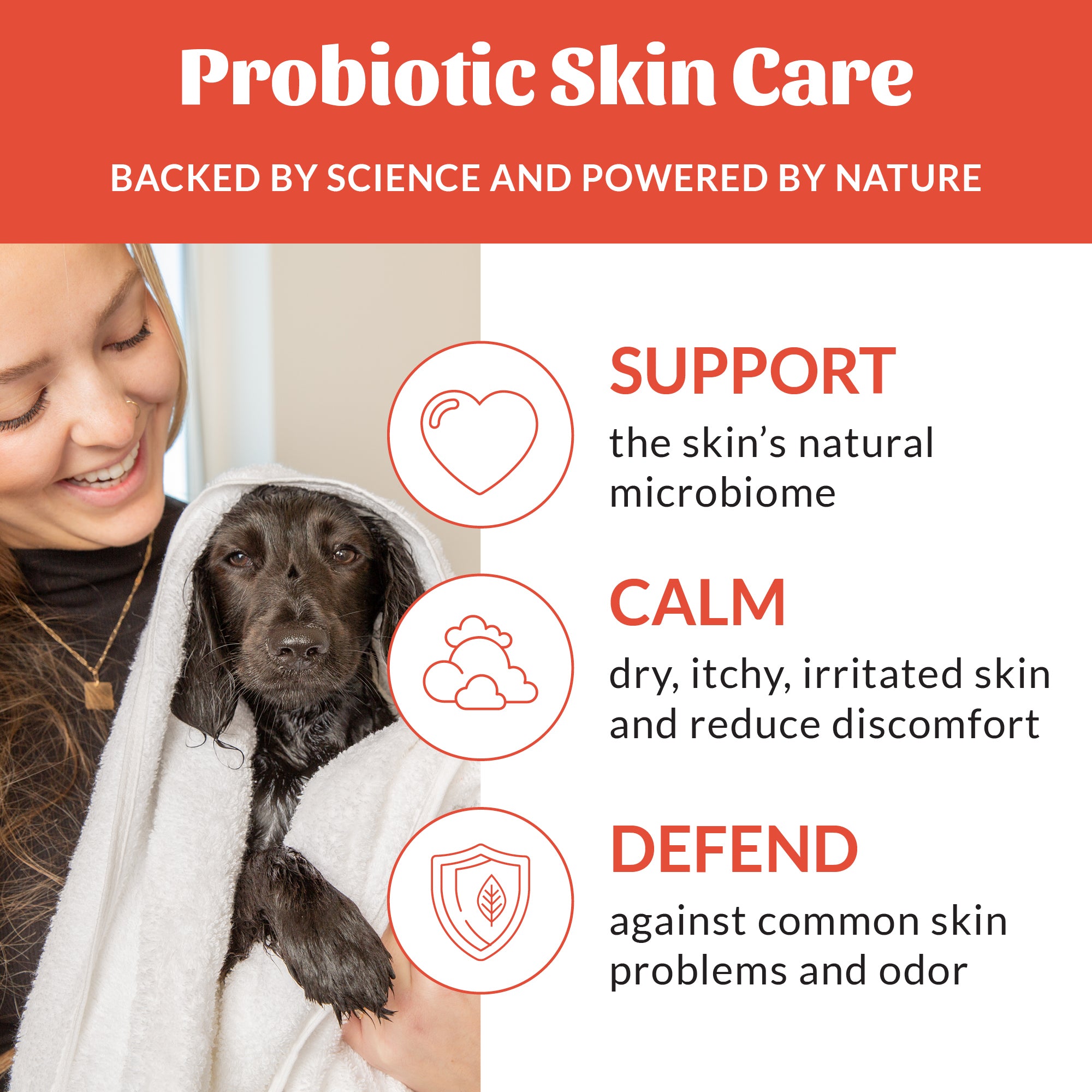
Credit: www.skoutshonor.com
Signs Your Dog Has Dry Itchy Skin
Recognizing the signs of dry, itchy skin in your dog is crucial for ensuring their comfort and health. Dogs can’t tell us when they’re uncomfortable, so it’s up to you to notice the subtle cues. Identifying these signs early can lead to effective treatment and happier, itch-free days for your furry friend.
Common Symptoms
- Excessive Scratching:If your dog is scratching more than usual, it might be a sign of dry skin.
- Redness:Look for red patches on your dog’s skin, which could indicate irritation.
- Flaky Skin:Just like humans, dogs can have flakes, resembling dandruff, on their coat.
Behavioral Changes
Have you noticed your dog suddenly avoiding their favorite spots? This could be due to discomfort from itchy skin. Some dogs might become restless or agitated if their skin condition is bothering them.
Pay attention to any changes in their mood or energy levels. Is your dog less playful or more withdrawn? These behavioral shifts could be linked to skin discomfort.
Physical Manifestations
- Dry Fur:A dog with dry skin often has fur that looks dull or feels rough.
- Sores or Scabs:Persistent itching can lead to sores, which may turn into scabs.
- Hair Loss:Notice any bald spots or thinning areas? This can be a result of excessive scratching or licking.
Spotting these signs early empowers you to take action. It’s heartbreaking to see your dog uncomfortable, but knowing what to look for can make a world of difference. Have you ever had to deal with a skin issue in your dog? Reflect on those moments and consider how quickly addressing them made your pup feel better. Your vigilance can be the key to your dog’s comfort and happiness.
Effective Home Remedies
Dry, itchy skin can make dogs uncomfortable. Finding effective home remedies can ease their discomfort. Simple solutions can restore their skin’s health and vitality. Let’s explore some remedies that can help soothe your furry friend.
Natural Oils And Balms
Natural oils can soothe dry skin in dogs. Coconut oil is a great choice. It hydrates and has anti-inflammatory properties. Olive oil can also be beneficial. It moisturizes and adds shine to their coat. Apply a small amount to the affected area for relief. Balms with ingredients like shea butter can protect and heal irritated skin. Check for pet-friendly products without harmful additives.
Oatmeal Baths
Oatmeal baths can relieve itchy skin effectively. Oatmeal has soothing properties. It reduces inflammation and irritation. Grind plain oatmeal into a fine powder. Add it to warm bath water. Let your dog soak for 10-15 minutes. This can calm their skin and reduce itchiness. Regular baths can keep their skin healthy and comfortable.
Dietary Supplements
Diet plays a role in skin health. Omega-3 fatty acids are known for their benefits. They reduce inflammation and improve skin condition. Fish oil is a popular source of Omega-3. Add it to your dog’s food for better skin health. Vitamin E supplements can also help. They protect skin cells and promote healing. Always consult a vet before adding supplements to your dog’s diet.

Credit: www.veterinar.org.ua
When To See A Veterinarian
Dry, itchy skin can be a common issue for dogs, but knowing when to seek professional help is crucial. While some skin conditions can be managed at home, others require the expertise of a veterinarian. Recognizing the signs that your furry friend needs medical attention can save them from unnecessary discomfort and ensure they receive the best care possible. So, when should you take your dog to the vet?
Persistent Symptoms
If your dog’s dry, itchy skin doesn’t improve after home remedies, it’s time to consult a veterinarian. Symptoms like excessive scratching, redness, or scaling that linger for more than a week may indicate a deeper issue. Chronic skin problems can lead to infections, making professional intervention necessary. Have you noticed any changes in your dog’s behavior or appetite? These could be linked to their skin discomfort.
Allergic Reactions
Allergic reactions can often manifest as skin problems in dogs. If your pet suddenly develops hives, swelling, or intense itching, it might be experiencing an allergic reaction. In these cases, a veterinarian can help identify the allergen and suggest a suitable treatment plan. It’s critical to act quickly, as severe allergies can lead to more serious health concerns. Could your dog be reacting to a new food or environmental factor?
Expert Diagnosis
Sometimes, the underlying cause of dry, itchy skin isn’t apparent without a professional diagnosis. A veterinarian can conduct thorough examinations and tests to pinpoint the exact issue. Whether it’s a hormonal imbalance, parasites, or a rare skin condition, getting an expert diagnosis ensures your dog receives targeted treatment. Have you considered that the issue might be more complex than it seems?
Choosing The Right Products
Choosing the right products is crucial when it comes to alleviating your dog’s dry, itchy skin. With countless options available, navigating the aisles of pet stores can feel overwhelming. However, understanding which products specifically target your dog’s needs can make all the difference in their comfort and health.
Shampoos And Conditioners
Shampoos and conditioners are the first line of defense against dry skin. Opt for products that are specifically formulated for sensitive skin and avoid those with harsh chemicals or artificial fragrances. Look for labels that mention ingredients like oatmeal or aloe vera, which are known for their soothing properties. Have you noticed how your dog reacts after a bath? It’s important to observe any changes in their skin condition post-wash to ensure the products are effective.
Medicated Treatments
Sometimes, regular shampoos aren’t enough, and medicated treatments become necessary. These products are designed to tackle specific skin issues like allergies or fungal infections. Consult your vet to find out if a medicated shampoo is appropriate for your dog. It’s essential to follow the instructions carefully and monitor your dog for any adverse reactions. Isn’t it comforting to know that the right treatment can bring such immediate relief?
Moisturizing Agents
Moisturizing agents like creams and oils can provide additional relief for dry skin. Products containing coconut oil or shea butter can help lock in moisture and create a protective barrier. Application can be quite straightforward—consider massaging the moisturizer into your dog’s coat after their bath. Have you ever tried a simple paw balm? You might be surprised at how effective it can be in preventing cracked skin.
Taking the time to choose the right products can significantly improve your dog’s skin health. Remember, every dog is unique, and what works for one may not work for another. So, what are you waiting for? Dive into the world of dog care products and find the perfect match for your furry friend!
Preventive Measures
Regularly brush your dog to remove loose fur and distribute natural oils. Use a gentle, vet-approved moisturizer to soothe dry skin.
Preventive Measures Dry, itchy skin can be a common issue for dogs, but there are effective ways to prevent this discomfort. By taking simple steps, you can help your furry friend maintain healthy skin. Let’s explore some preventive measures to ensure your dog’s skin stays itch-free.Regular Grooming
Regular grooming is more than just keeping your dog looking good. It helps in removing dirt, allergens, and dead hair that can irritate the skin. Use a brush suited to your dog’s coat type to enhance natural oil distribution, keeping the skin moisturized. A regular bathing schedule with a gentle, dog-specific shampoo can also prevent dryness. Always rinse thoroughly to avoid shampoo residue, which can cause itching.Balanced Nutrition
A balanced diet is crucial for your dog’s skin health. Nutrient deficiencies can lead to dry skin, so ensure your dog’s diet includes essential fatty acids like omega-3 and omega-6. These nutrients are found in fish oil and flaxseed oil, which help keep the skin supple. Consider discussing your dog’s dietary needs with a vet to tailor a nutrition plan that supports optimal skin health.Environmental Control
Environmental factors can greatly affect your dog’s skin condition. Keep your home environment clean and free of dust and allergens, which can irritate your dog’s skin. If you notice your dog scratching more after playing outside, it might be helpful to wipe their paws and coat with a damp cloth. Also, consider using a humidifier during dry months to add moisture to the air, which can help prevent your dog’s skin from drying out. By taking these preventive steps, you can help your dog maintain healthy skin and reduce the likelihood of dry, itchy patches. What changes can you make today to improve your dog’s skin health?Expert Advice For Long-term Care
Dealing with a dog’s dry itchy skin requires expert advice for long-term care. This approach ensures your furry friend stays comfortable and healthy. Long-term care involves understanding your dog’s unique needs and seeking professional guidance.
Routine Veterinary Check-ups
Regular vet visits are crucial for your dog’s skin health. During these check-ups, vets can identify underlying issues causing dryness or itchiness. They may suggest treatments or recommend changes in diet and care routines. Early detection of skin conditions can prevent more serious problems.
Customized Care Plans
Every dog is different. A customized care plan addresses specific needs. Your vet can help design a plan that includes the right diet, grooming routines, and skin treatments. Tailored care plans improve skin health and overall well-being.
Monitoring Skin Health
Keep an eye on your dog’s skin regularly. Look for signs of irritation, redness, or flakiness. Consistent monitoring helps catch problems early. It also helps track the effectiveness of any treatments or care plans in place.
Frequently Asked Questions
What Causes Dry Skin In Dogs?
Dry skin in dogs can result from allergies, poor diet, or environmental factors. Low humidity and frequent bathing can strip natural oils. Consider adjusting your dog’s diet and grooming habits to improve skin condition.
How Can I Soothe My Dog’s Itchy Skin?
Use hypoallergenic shampoos and moisturizers specifically designed for dogs. Incorporate omega-3 fatty acids into their diet. Consult your vet for persistent issues as they may suggest medicated treatments.
Are Certain Breeds Prone To Dry Skin?
Yes, breeds like Bulldogs and Dachshunds are prone to skin issues. Their skin folds and genetic makeup can contribute to dryness. Regular grooming and proper nutrition can help manage these problems effectively.
Is Diet Related To Dog’s Skin Health?
Absolutely, a balanced diet impacts skin health. Ensure your dog receives essential fatty acids, vitamins, and minerals. Consult your vet for dietary recommendations tailored to your dog’s specific needs.
Conclusion
Caring for dogs with dry itchy skin is essential. Start with a balanced diet. Hydration plays a crucial role too. Use gentle, moisturizing shampoos. Regular grooming helps remove irritants. Consult a vet for severe cases. Natural remedies can soothe mild symptoms.
Keep your dog’s environment clean. Watch for allergies and adjust as needed. A happy, healthy dog is worth the effort. Consistent care ensures their comfort and well-being. Understanding their needs strengthens your bond. Your furry friend deserves the best. Follow these steps, and you’ll see improvement.
A little attention can make a big difference.