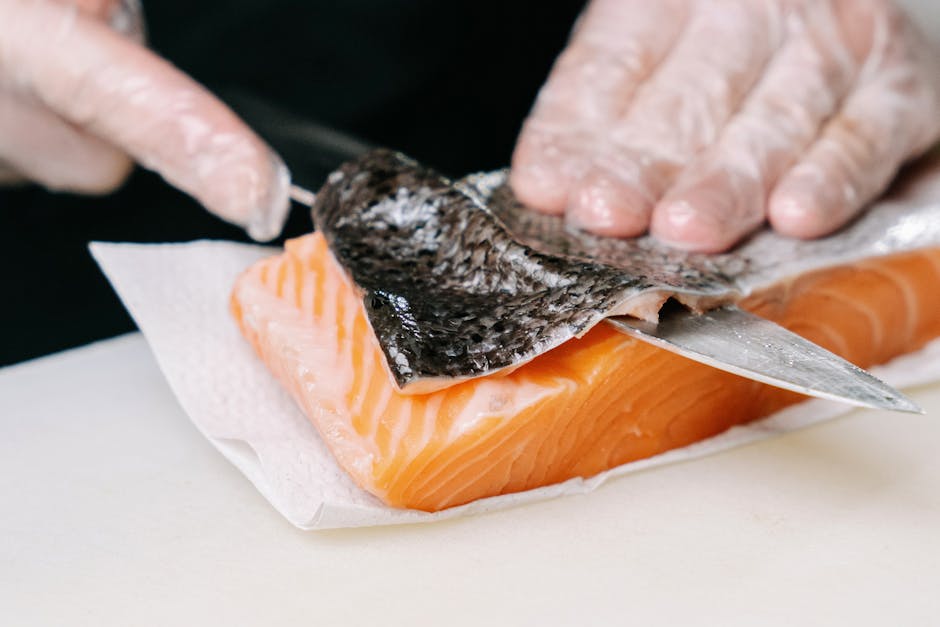
Is Cooked Salmon Skin Good for Dogs: Benefits & Risks
Have you ever found yourself wondering if the crispy, flavorful skin of your cooked salmon could be a tasty treat for your dog? You’re not alone.
Many pet owners are curious about whether this seemingly harmless snack is safe or beneficial for their furry friends. After all, we all want to ensure we’re giving our dogs the best care possible. You’ll uncover the truth about feeding cooked salmon skin to your dog, exploring both the potential benefits and risks.
Stick with us as we dive into the details—your dog’s health could depend on it!

Credit: www.tiktok.com
Nutritional Value Of Salmon Skin
Cooked salmon skin is rich in omega-3 fatty acids, which support dogs’ coat health and joint function. It also contains essential vitamins and minerals like vitamin D and selenium, promoting overall well-being. Feeding it in moderation can be a tasty and nutritious treat for canine companions.
The nutritional value of salmon skin is often overlooked, yet it can be a goldmine of benefits for your furry friend. If you’ve ever wondered whether the crispy skin left over from your salmon dinner is good for your dog, you’re not alone. Many pet owners are surprised to learn that this part of the fish is packed with nutrients that can contribute to their pet’s overall health.Rich In Omega-3 Fatty Acids
Omega-3 fatty acids are essential for maintaining a shiny coat and healthy skin in dogs. Salmon skin is a natural source of these beneficial fats. Including it in your dog’s diet can support joint health and reduce inflammation, especially in older dogs.High Protein Content
Protein is crucial for muscle development and energy. Salmon skin is not only high in protein but also easily digestible. This makes it an excellent option for dogs with sensitive stomachs or dietary restrictions.Loaded With Vitamins And Minerals
Salmon skin contains a variety of vitamins and minerals essential for your dog’s well-being. Vitamin D promotes bone health, while B vitamins boost energy levels. Minerals like selenium and magnesium support immune function and metabolic processes.Low In Carbohydrates
For dogs on a low-carb diet, salmon skin is an ideal treat. It’s low in carbohydrates and won’t contribute to weight gain. This makes it a guilt-free snack option for dogs of all sizes.Consideration For Cooking Method
The way you cook the salmon skin can impact its nutritional value. Baking or grilling without added oils or seasonings is a safe way to prepare it for your dog. Avoid frying or using spices that could upset your dog’s stomach. Have you tried giving your dog salmon skin? If not, it might be time to let them enjoy this tasty, nutritious treat. Just remember to introduce it gradually and watch for any allergies or sensitivities. Your dog might thank you with an extra wag of the tail!Health Benefits For Dogs
Cooked salmon skin can be a nutritious treat for dogs. It’s packed with essential nutrients that support their overall health. Feeding your dog salmon skin can contribute to a shiny coat, strong muscles, and a robust immune system. Let’s dive into the specific health benefits dogs can gain from this tasty treat.
Omega-3 Fatty Acids
Salmon skin is rich in omega-3 fatty acids. These fatty acids promote a healthy coat and reduce inflammation. They also support brain function and joint health. Omega-3s are essential for maintaining a healthy heart.
Protein Source
Protein is vital for muscle development in dogs. Cooked salmon skin provides a good source of protein. It helps build and repair tissues, ensuring your dog stays strong and active. Protein also aids in maintaining a healthy immune system.
Vitamins And Minerals
Salmon skin contains essential vitamins and minerals. It offers vitamin D, which supports bone health and calcium absorption. It also provides selenium, which protects cells from damage and boosts immune function. This makes it a valuable addition to your dog’s diet.
Potential Risks And Concerns
Cooked salmon skin can pose risks like high fat content, leading to obesity in dogs. Bones in the skin may also cause choking hazards. Additionally, potential toxins from polluted waters could harm your pet’s health.
Considering feeding your dog cooked salmon skin? While it might seem like a tasty treat, there are a few potential risks and concerns you should be aware of before sharing this delicacy with your furry friend. Let’s dive into some of the possible issues you need to keep in mind.Allergic Reactions
Just like humans, dogs can have allergies too. Some dogs might be allergic to salmon or fish in general. If your dog starts itching, vomiting, or having diarrhea after eating salmon skin, it could be an allergic reaction. Always introduce new foods slowly and watch for any unusual symptoms.Heavy Metal Contamination
Salmon, especially those caught in certain areas, can contain heavy metals like mercury. These metals accumulate in the fish’s skin and can be harmful to your dog over time. Consider sourcing salmon from reputable places known for lower contamination levels.High Fat Content
Salmon skin is rich in fats. While healthy fats are beneficial, too much can lead to obesity or pancreatitis in dogs. Moderation is key here. A small piece might be fine, but turning it into a regular treat could spell trouble. So, is the risk worth it for your pooch? Always weigh these factors before deciding. A little research and caution can go a long way in ensuring your dog’s health and happiness.Safe Preparation Methods
Cooked salmon skin can be a healthy treat for dogs if prepared safely. Remove any bones and seasoning before serving. Ensure the skin is cooked thoroughly to avoid bacteria.
Preparing salmon skin for your dog involves more than just cooking it. Ensuring that it’s safe and healthy requires knowing the best methods to cook it and what seasonings to avoid. Let’s dive into how you can prepare salmon skin in a way that’s beneficial for your furry friend.Cooking Techniques
Cooking salmon skin properly is crucial to making it safe for your dog. Grilling is a fantastic option, as it crisps the skin and eliminates excess fat. Boiling is another gentle method that retains the nutrients without adding unnecessary oils. Whatever technique you choose, ensure the skin is thoroughly cooked to kill any potential bacteria.Avoiding Seasonings
It’s tempting to add a pinch of salt or a sprinkle of herbs, but these can be harmful to dogs. Instead, embrace the natural flavors of salmon. Dogs appreciate the simplicity, and it keeps their diet healthy. Have you ever thought about how these seasonings affect your dog’s health? It’s a small change that can make a big difference. By focusing on safe preparation methods, you can treat your dog to a delicious and nutritious snack.Feeding Guidelines
Cooked salmon skin can be a nutritious treat for dogs. Rich in omega-3 fatty acids, it supports healthy skin and coat. Ensure the skin is unseasoned and cooked thoroughly to avoid any potential health risks.
Feeding Guidelines Serving cooked salmon skin to dogs can be a nutritious treat. It’s essential to follow feeding guidelines to ensure your dog’s health and happiness. Overfeeding can lead to health issues, so moderation is key. Below are some important points to consider.Portion Sizes
Serve small amounts of salmon skin. A piece the size of your palm is ideal. Adjust portion size based on your dog’s weight and activity level. Larger dogs can consume slightly more. Always ensure the skin is fully cooked. Raw skin can pose health risks.Frequency Of Feeding
Cooked salmon skin should be an occasional treat. Once or twice a week is sufficient. Frequent feeding can lead to excess fat intake. Monitor your dog’s weight and health regularly. Adjust frequency based on your observations.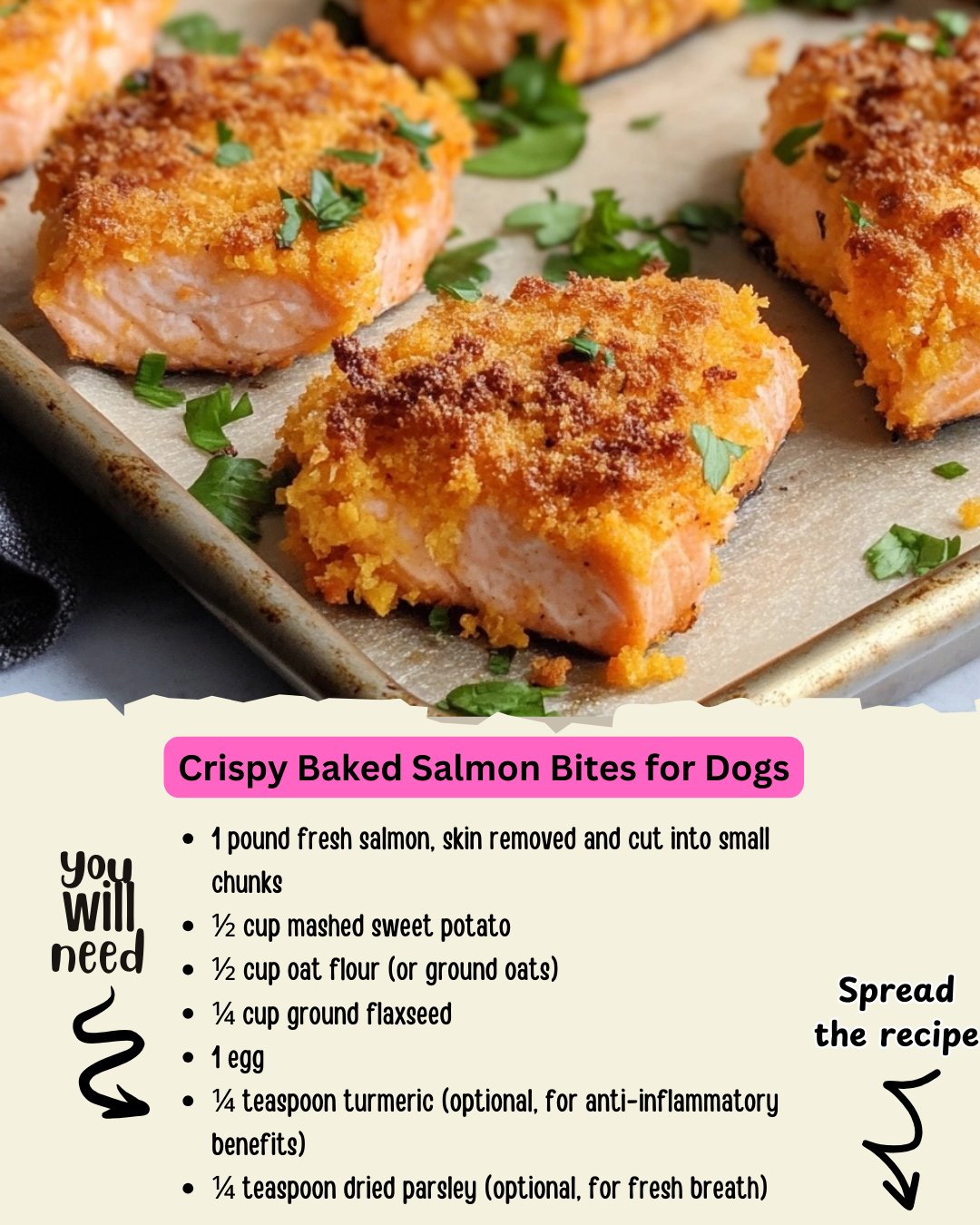
Credit: www.facebook.com
Alternatives To Salmon Skin
Cooked salmon skin offers valuable nutrients for dogs. Yet, some pet owners might want alternatives. Concerns about allergies or preferences for diverse diets can drive this choice. Providing a variety ensures your furry friend receives balanced nutrition.
Other Fish Options
Different fish can be safe for dogs. Whitefish, like cod, offers a mild taste and is low in fat. It’s a great option for dogs with sensitive stomachs. Trout is another tasty choice, rich in omega-3 fatty acids. It supports healthy skin and a shiny coat. Sardines, packed with nutrients, are small but mighty. They are easy to digest and full of vitamins.
Non-fish Protein Sources
Dogs thrive on various protein sources. Chicken is a popular, lean option. It is easy to prepare and digest. Turkey provides another lean protein choice. It is often used in dog foods for its nutritional benefits. Beef, a rich source of protein, is flavorful and satisfying. Ensure it is well-cooked to avoid health risks.
Eggs are an excellent protein source. They are packed with essential amino acids. They also promote muscle growth and tissue repair. Lentils provide a plant-based alternative. They offer fiber and essential nutrients for a balanced diet.
Consultation With Veterinarian
Consulting a veterinarian can clarify if cooked salmon skin is safe for your dog. Some dogs benefit from its nutrients. Others may face digestive issues.
Consulting with a veterinarian before feeding your dog cooked salmon skin can help ensure your pet’s health and safety. Veterinarians can provide personalized advice based on your dog’s specific health needs, age, and dietary requirements. Understanding the potential benefits and risks with professional guidance can make a significant difference in your dog’s overall well-being.Understanding Your Dog’s Dietary Needs
Every dog is different, and what works for one might not be suitable for another. A veterinarian can assess your dog’s current health status and dietary needs. They can help you decide if adding salmon skin to their diet is beneficial.Discussing Health Concerns
Salmon skin is rich in omega-3 fatty acids, which can be great for your dog’s coat and skin. However, it’s essential to discuss any health concerns, like allergies or obesity, with your vet. They can advise on portion sizes and frequency to avoid overfeeding.Evaluating Potential Risks
Cooked salmon skin, if prepared properly, can be safe for dogs, but there are risks. A vet can help you understand the dangers of parasites, bones, or toxins. With their guidance, you can prepare the salmon skin safely.Implementing Safe Feeding Practices
Your veterinarian might suggest specific cooking methods to ensure the salmon skin is safe. They can also recommend whether it should be an occasional treat or a regular part of your dog’s diet. Following their advice can prevent health issues down the line.Monitoring Your Dog’s Reaction
After introducing salmon skin, observe any changes in your dog’s behavior or health. A vet can help you identify signs of allergies or digestive issues. Regular check-ins can ensure that salmon skin remains a healthy addition to their diet. Isn’t it reassuring to have expert guidance on your side? Your vet’s insights can provide peace of mind and enhance your dog’s dietary experience.
Credit: pupford.com
Frequently Asked Questions
Is Cooked Salmon Skin Safe For Dogs?
Yes, cooked salmon skin is generally safe for dogs. It should be free of seasonings and bones. Salmon skin provides omega-3 fatty acids, which are beneficial for a dog’s coat and skin. Always ensure the salmon is thoroughly cooked to avoid any potential parasites.
Can Dogs Eat Salmon Skin Every Day?
Feeding salmon skin to dogs daily is not recommended. It’s best offered as an occasional treat. While nutritious, too much salmon skin can lead to excessive fat intake. This may cause weight gain or digestive issues. Moderation is key to maintaining a balanced diet for your dog.
What Are The Benefits Of Salmon Skin For Dogs?
Salmon skin is rich in omega-3 fatty acids, promoting a healthy coat and skin. These fatty acids also support joint health and reduce inflammation. Additionally, they contribute to brain health and can improve a dog’s overall well-being. Always provide cooked and unseasoned salmon skin.
How Should I Prepare Salmon Skin For Dogs?
Always cook salmon skin thoroughly before offering it to your dog. Avoid adding seasonings, oils, or butter. Baking or grilling the skin is a healthy preparation method. Ensure there are no bones, as these can be a choking hazard or cause internal injuries.
Conclusion
Cooked salmon skin can be a tasty treat for dogs. Rich in nutrients. Easy to digest. Dogs love its flavor and texture. Keep portions small to avoid excess fat. Always ensure the salmon is cooked properly. Raw skin can pose health risks.
Remove sharp scales before serving. Check for allergies. Introduce gradually into their diet. Watch for any adverse reactions. Consult a vet if unsure. Salmon skin offers health benefits. But moderation is key. Proper preparation ensures safety. Treat your dog with care and love.
They deserve the best. Enjoy feeding moments together. Happy tails and wagging joy!