Are Bark Collars Bad for Dogs: Unveiling the Truth
Senior Canine Nutritionist & Dog Behavior Specialist at Cozy Dog Go Wellness Lab
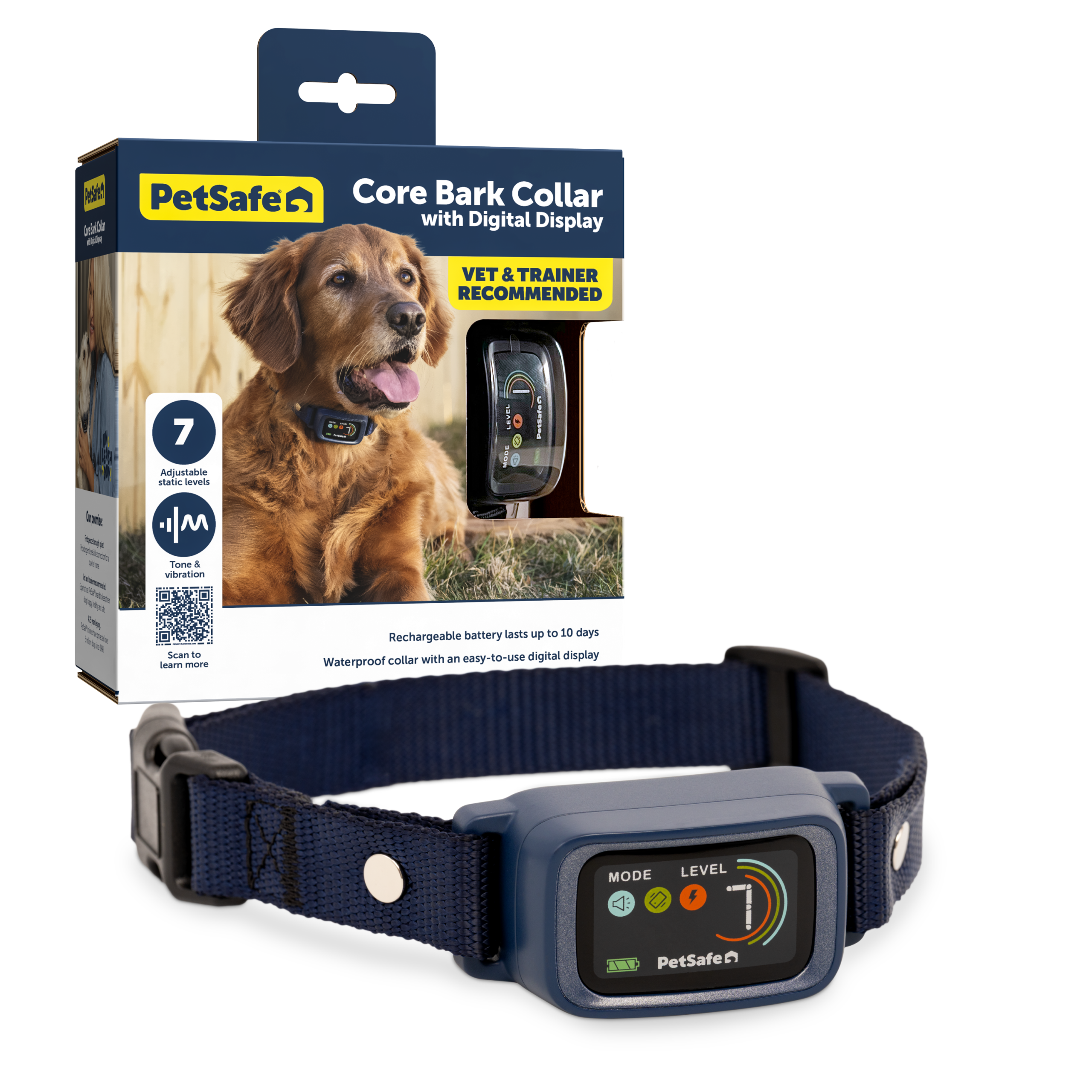
When your dog barks excessively, it can be frustrating for both you and your neighbors. You might have heard about bark collars as a solution, but are they really safe for your furry friend?
Before you make a decision, it’s important to know the facts. Are bark collars bad for dogs, or do they offer a helpful way to manage barking? You’ll discover everything you need to know about bark collars, exploring their pros and cons, and helping you decide whether they’re the right choice for your dog.
Keep reading to find out how you can ensure your dog’s well-being while addressing the barking issue effectively.
What Are Bark Collars?
Bark collars are tools used to manage excessive barking in dogs. They work by delivering a stimulus to the dog when it barks. This stimulus can be a sound, vibration, or mild electric shock. The goal is to discourage the dog from barking excessively.
These collars come in various types, each with unique features. Understanding them helps in choosing the right one for your dog. Here are some common types of bark collars:
- Static Shock Collars:Deliver a mild electric shock when barking.
- Vibration Collars:Emit a vibrating sensation instead of a shock.
- Ultrasonic Collars:Produce a high-pitched sound only dogs can hear.
- Citronella Collars:Release a spray of citronella, unpleasant to dogs.
Each type of bark collar functions differently. Static shock collars detect barking through sound or vibrations. When triggered, they release a mild shock. Vibration collars use the same detection method but vibrate instead. Ultrasonic collars emit a sound when barking is detected. Citronella collars spray the scent when the dog barks.
Benefits Of Using Bark Collars
Bark collars help in training dogs to reduce barking. They provide immediate feedback, helping dogs learn quickly. These collars can be effective for dogs prone to excessive barking. Owners often find them useful in maintaining a peaceful environment.
Types Of Bark Collars
Bark collars come in various types, including vibration, ultrasonic, and static shock. Each type affects dogs differently, prompting discussions about their safety. Understanding how these collars work helps in deciding what’s best for your dog.
Understanding the different types of bark collars can help dog owners choose the best option for their furry friends. Bark collars are tools designed to manage excessive barking in dogs. The collars come in various types, each working differently to address the issue. Knowing how each collar works is crucial for dog owners.Vibration Collars
Vibration collars use gentle vibrations to interrupt a dog’s barking. They are a humane option for sensitive dogs. The collar vibrates when the dog barks, providing a distraction. This method encourages the dog to stop barking without causing pain. Vibration collars are adjustable, ensuring a comfortable fit. Dog owners can control the intensity of vibrations. The vibrations are harmless and not painful.Spray Collars
Spray collars release a harmless spray near the dog’s nose. They work by surprising the dog with an unexpected scent. The spray is often citronella, which dogs find unpleasant. This discourages barking by associating it with the spray. Spray collars are safe and non-intrusive. They are ideal for dogs sensitive to sound or touch. The spray is natural and not harmful.Static Shock Collars
Static shock collars emit a mild electric shock. They provide a quick correction when the dog barks. The shock is brief and not harmful. These collars are effective for stubborn dogs. They have adjustable levels of shock. Dog owners can start at the lowest setting. Over time, many dogs learn to avoid the shock. Static shock collars should be used carefully. Always consult a professional before using them.How Bark Collars Work
Bark collars are designed to curb excessive barking, offering a solution to a common problem many dog owners face. Understanding how these collars work is crucial to determining if they are suitable for your furry friend. They employ various mechanisms to detect and correct barking behavior, and knowing these can help you make an informed decision.
Detection Mechanisms
Most bark collars use sound and vibration sensors to detect barking. These sensors are calibrated to pick up the specific frequency and vibration of your dog’s bark, ensuring that the collar activates only when your dog barks.
Some collars are equipped with microphones that listen for barking, while others use vibration sensors that respond to the movement of your dog’s vocal cords. This dual detection helps minimize false activations caused by external noises.
Correction Methods
Bark collars offer various correction methods to discourage barking. Common methods include static correction, ultrasonic sound, and vibration. Static correction delivers a mild electric pulse, akin to a static shock, which is safe but effective in grabbing your dog’s attention.
Ultrasonic collars emit a high-pitched sound that is unpleasant to dogs but inaudible to humans. Vibration collars use a gentle vibrating motion, similar to the sensation of a mobile phone vibrating, to interrupt barking without causing discomfort.
Each correction method caters to different sensitivities and breeds. If you have a sensitive dog, a collar with adjustable correction levels might be ideal. Have you noticed a particular correction method that your dog responds to positively?

Credit: www.amazon.com
Potential Benefits
Bark collars are often debated, but they do have their benefits. They can help manage a dog’s excessive barking. This can be useful in maintaining peace at home. Let’s explore some potential advantages of using bark collars.
Reducing Excessive Barking
Bark collars can help reduce unnecessary barking. Dogs bark for many reasons, like boredom or anxiety. A bark collar can train them to stop barking excessively. This can make a calmer home environment. It can also improve relationships with neighbors.
Training Aid
Bark collars can be effective training tools. They can help dogs understand when barking is not appropriate. This can be especially useful for new dog owners. The collar provides consistent feedback, which aids in training. This can lead to better behavior over time.
Concerns And Risks
Bark collars are often seen as a quick fix for noisy dogs, but it’s crucial to understand the concerns and risks they pose. While they may reduce barking, the impact on your furry friend’s well-being can be significant. Let’s explore the physical and psychological effects that bark collars can have on your dog.
Physical Impact
Bark collars can cause discomfort or even pain, depending on their design. Some collars deliver electric shocks, which can lead to burns or skin irritation. Imagine your dog experiencing this discomfort multiple times a day. Is the reduced barking worth the risk to their physical health?
Additionally, improper fitting can result in injury. A too-tight collar may chafe the skin or restrict breathing. Always ensure a proper fit if you choose to use one, but consider if it’s the right decision for your pet’s overall health.
Psychological Effects
Beyond physical discomfort, bark collars can also impact your dog’s mental state. They might create anxiety or fear, as the dog may not understand why they’re being punished. This confusion can lead to stress, affecting their behavior and happiness.
Imagine if every time you spoke, you were reprimanded without knowing why. This could lead to a breakdown in communication between you and your pet, eroding trust. Ask yourself if there are better ways to address barking without risking your dog’s emotional well-being.
Ultimately, while bark collars might seem convenient, the potential risks to your dog’s physical and psychological health are significant. Consider alternative training methods that prioritize your dog’s comfort and happiness. Is there a more compassionate approach that aligns with your values as a pet owner?

Credit: www.amazon.co.uk
Alternative Solutions
Exploring alternatives to bark collars can ensure a safer approach for managing excessive barking in dogs. Positive reinforcement techniques, like rewarding quiet behavior, encourage dogs to learn and adapt. Interactive toys and increased exercise can also reduce boredom-induced barking.
Finding the right way to manage your dog’s barking can be challenging. Bark collars are often debated for their effectiveness and impact. Thankfully, there are alternative solutions that can help. These solutions focus on understanding and addressing the root causes of excessive barking. By exploring these options, you can find a more humane approach to help your furry friend.Training Techniques
Training is a powerful tool for managing barking. Consistent commands and positive reinforcement work wonders. Start by teaching your dog the “quiet” command. Reward them with treats or praise when they stop barking. This reinforces good behavior and helps them understand your expectations. Socialization is another key training technique. Introduce your dog to different environments and sounds. This reduces anxiety and unnecessary barking. Patience is crucial. Consistency and repetition are key to successful training.Environmental Changes
The environment plays a significant role in your dog’s behavior. Identify triggers causing your dog’s barking. This could be a noisy street or unfamiliar visitors. Reducing these triggers can help manage barking. Try using white noise machines to mask external sounds. This can create a calmer atmosphere for your dog. Ensure your dog has enough physical and mental stimulation. Regular walks and playtime can reduce boredom-induced barking. Creating a peaceful environment can make a big difference.Expert Opinions
Bark collars can be controversial among pet owners. Some experts argue they can cause stress and discomfort for dogs. Others suggest they might be useful in certain situations, with proper guidance.
Are bark collars bad for dogs? Many pet owners ask this question. Expert opinions can shed light on this matter. Understanding different views helps make informed decisions. Professionals have diverse insights on bark collars. Their experiences with dogs offer valuable perspectives.Veterinarian Views
Veterinarians study animal behavior deeply. They know how dogs react to various stimuli. Many vets suggest caution with bark collars. Some believe these collars can stress dogs. Stress may lead to health issues. Veterinary experts often recommend positive reinforcement. Reward-based methods might be safer. They focus on training without causing discomfort. Vets prefer understanding the root cause of barking. Addressing the underlying issue is often more effective.Dog Trainer Perspectives
Dog trainers have a practical approach. They work closely with different breeds. Many trainers see bark collars as a tool. These collars can aid in controlling excessive barking. Trainers emphasize using collars correctly. Improper use can harm dogs mentally. Experts advise gradual introduction to collars. They stress combining collars with training. Behavior modification should be humane. Trainers support collars in specific situations. For some dogs, collars provide necessary intervention. Proper guidance ensures safe usage.
Credit: www.amazon.com
Making An Informed Decision
When deciding on a bark collar for your dog, consider all factors. It’s not just about stopping the barking. It’s about ensuring your dog’s well-being and happiness. Making an informed decision involves understanding your dog’s needs and ethical considerations. Each dog is unique. What works for one may not be suitable for another. Let’s explore these aspects to help you make the best choice.
Assessing Your Dog’s Needs
Every dog has different reasons for barking. Identify why your dog barks before choosing a collar. Is it due to anxiety, boredom, or excitement? Understanding the cause helps in finding the right solution. Consider your dog’s breed and age. Some breeds are naturally more vocal. Puppies might bark more as they learn about their surroundings. Consult with a veterinarian or a dog trainer. They can offer professional insights on your dog’s behavior.
Considering Ethical Implications
Think about the ethics of using a bark collar. Some collars use shock, sound, or vibration to deter barking. Ask yourself if these methods align with your values. Positive reinforcement might be a better approach for some. Rewarding good behavior can be more effective long-term. Research different collar types and their impacts. Read reviews and gather feedback from other dog owners. This knowledge can guide you in making an ethical choice.
Frequently Asked Questions
Are Bark Collars Safe For Dogs?
Bark collars can be safe if used correctly. Always choose a collar suitable for your dog’s size and temperament. It’s important to follow the manufacturer’s guidelines and consult with a professional trainer or veterinarian. Overuse or incorrect use can lead to negative effects on your dog’s well-being.
Do Bark Collars Really Work For Training?
Bark collars can be effective for training when used appropriately. They provide immediate feedback for undesirable barking behavior. However, they should be part of a broader training strategy. Combining them with positive reinforcement techniques often yields better results. Always ensure the collar fits properly and is suitable for your dog’s needs.
What Are The Alternatives To Bark Collars?
There are several alternatives to bark collars. Training and behavior modification techniques are effective long-term solutions. Positive reinforcement encourages desired behaviors without using aversive methods. Consulting a professional trainer can provide personalized strategies. Additionally, addressing any underlying causes of excessive barking, like anxiety, can be beneficial.
Can Bark Collars Hurt My Dog?
Improper use of bark collars can harm your dog. It’s crucial to follow instructions and choose the right type. Overly tight collars or excessive stimulation can cause physical discomfort or stress. Always monitor your dog’s reaction and discontinue use if adverse effects occur.
Consultation with a veterinarian is recommended.
Conclusion
Choosing bark collars requires careful thought and research. They can help with excessive barking. But, they’re not suitable for every dog. Consider your dog’s health and temperament first. Some dogs might feel stress or discomfort. Always consult a vet for advice.
Explore positive reinforcement as an alternative. Training with treats and praise can work well. Each dog is unique, needing different solutions. Research thoroughly before making decisions. Your pet’s well-being should always come first. Providing a safe, loving environment is key.
Happy dogs make happy homes.

Similar Posts