Your furry friend means the world to you, but living with a reactive dog can sometimes feel overwhelming. You might be dealing with barking, lunging, or even growling, making walks and everyday activities stressful.
You’re not alone in this, and there’s good news: you can help your dog become calmer and more manageable. Imagine the relief of walking your dog peacefully down the street, feeling proud of their progress. In this guide, you’ll discover practical steps to transform your reactive dog into a more relaxed companion.
Dive in to learn how you can foster a better relationship with your dog, making life happier for both of you.
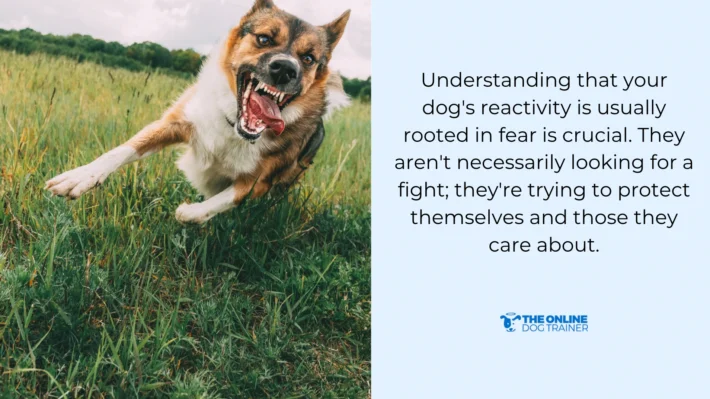
Credit: theonlinedogtrainer.com
Understanding Reactive Behavior
Understanding reactive behavior in dogs involves observing their triggers and managing responses. Calm environments and positive reinforcement help reduce stress. Consistency in training strengthens trust and improves behavior over time.
Understanding Reactive Behavior When your dog barks at every passing car or lunges at other dogs during walks, it can be puzzling and stressful. Reactive behavior in dogs is more common than you might think, but understanding the root of it is the first step toward helping your furry friend. By recognizing the signs and causes of reactivity, you can work toward a more peaceful coexistence.Signs Of Reactivity
Reactivity can manifest in various ways, and being able to identify these signs is crucial. Your dog might bark excessively, growl, lunge, or even hide when faced with certain triggers. Some dogs might show signs of stress, like panting or pacing, even in seemingly calm environments. Every dog is unique, so their reactivity might not always be aggressive. Some might simply whine or attempt to escape the situation. Recognizing these signs early can help you address the behavior before it escalates.Causes Of Reactivity
Understanding why your dog is reactive can be a game-changer. Common causes include lack of socialization, past trauma, or even genetics. A dog that hasn’t been exposed to different environments or experiences can become overwhelmed by new stimuli. Sometimes, reactivity stems from fear or anxiety. If a dog has had a negative encounter, they may react to prevent a repeat of that experience. Have you ever noticed your dog reacting differently to men in hats or people on bikes? These specific triggers can often be traced back to a single, impactful experience. By identifying these causes, you can start to desensitize your dog to their triggers. This might involve gradual exposure to their fears in a controlled manner, allowing them to build confidence. Can you imagine the relief when your walks become peaceful strolls again?Creating A Safe Environment
Creating a safe environment for a reactive dog involves understanding triggers and providing calming spaces. Use positive reinforcement to encourage good behavior. Consistent routines and gentle training can help build trust and reduce anxiety.
Creating a safe environment for a reactive dog is crucial. It helps them feel secure and calm. Many dogs react to things that make them scared or anxious. By managing these, you can improve their behavior.Managing Triggers
Identify what sets off your dog’s reactions. Common triggers include loud noises, strangers, or other animals. Once you know these, work on reducing exposure. Keep your dog away from areas where triggers are frequent. Use distractions like toys or treats to redirect their focus. Gradual desensitization can also help. Introduce triggers slowly while rewarding calm behavior.Setting Boundaries
Boundaries can create structure and safety. Use gates or barriers to limit access to stressful areas. Create a designated safe zone where your dog can retreat. This space should be comfortable and quiet. Teach basic commands like “stay” or “sit” to help control movement. Consistent routines provide stability and reduce anxiety. Make sure boundaries are clear and consistently enforced.Training Techniques
Calm environments help reactive dogs feel safe. Consistent routines build trust and reduce anxiety. Positive reinforcement encourages desired behaviors and fosters confidence.
Training a reactive dog can be both a rewarding and challenging experience. It’s not just about teaching commands but reshaping how your dog perceives the world. With the right techniques, you can help your dog feel more confident and less reactive. Let’s delve into some effective training techniques that can transform your walks and outings into enjoyable experiences.Positive Reinforcement
Positive reinforcement is one of the most effective methods for training reactive dogs. Reward your dog with treats, praise, or toys whenever they exhibit calm behavior in situations that usually trigger their reactivity. This helps them associate these situations with positive outcomes. Did you know that even a simple “good dog” with a pat can make a big difference? Consistency is key. If you see your dog looking at another dog without barking, reward them immediately. This teaches them that staying calm has benefits. Building a strong bond through trust and rewards can significantly reduce your dog’s reactivity over time.Desensitization And Counterconditioning
Desensitization involves gradually exposing your dog to the things they react to, starting at a distance where they feel safe. Gradually decrease the distance as your dog becomes more comfortable. This method requires patience, but the results are worth it. Counterconditioning involves changing your dog’s emotional response to their triggers. For example, if your dog reacts to the sound of a doorbell, pair the sound with a treat. Over time, your dog will start to associate the doorbell with something positive. These techniques can transform their fear or excitement into relaxed acceptance. Have you ever thought about how a simple sound can change your dog’s entire day?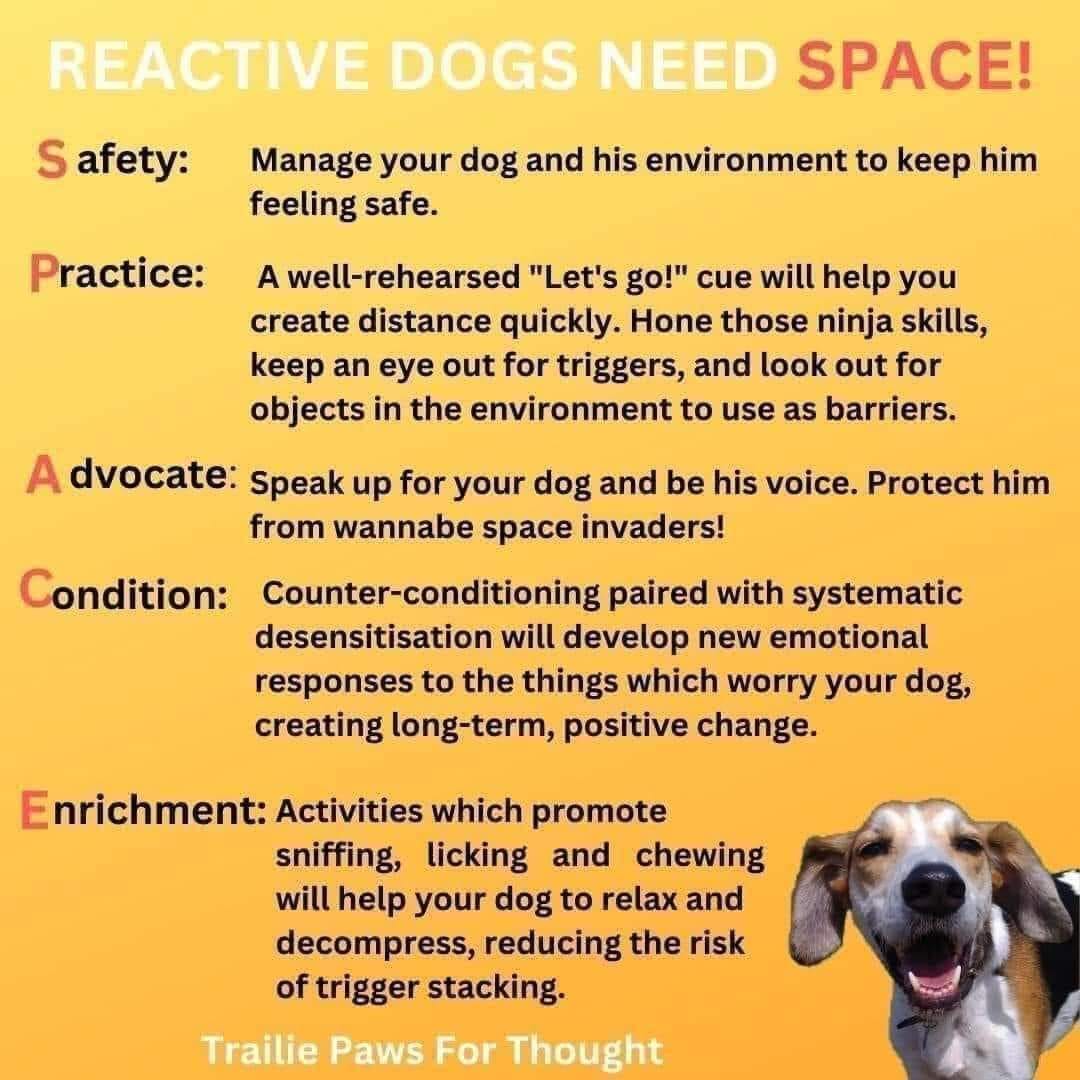
Credit: www.facebook.com
Tools And Equipment
Calming collars and harnesses offer comfort and control for reactive dogs. Treat-dispensing toys can distract and train effectively. Noise-canceling headphones minimize stress during loud events.
To effectively manage a reactive dog, selecting the right tools and equipment is crucial. These tools not only ensure safety but also aid in calming your pet. With the right equipment, you can guide your dog and reduce stress. Let’s explore some essential tools that can make a difference.Harnesses And Leashes
Harnesses provide better control and comfort for your dog. They distribute pressure evenly, reducing strain on the neck. Opt for a front-clip harness to steer your dog gently. Leashes should be durable yet lightweight. A retractable leash can help maintain distance while giving freedom. Ensure the leash is the right length to prevent pulling.Calming Aids
Calming aids can soothe anxious dogs. Consider using pheromone sprays or diffusers. These products mimic natural calming scents. Another option is anxiety wraps, which apply gentle pressure. These wraps help dogs feel secure. Soft music or white noise can also relax your pet. Explore different calming methods to find what works best.Professional Assistance
Professional assistance can be crucial for helping reactive dogs. Expert guidance provides tailored strategies and support. Many dog owners find relief in knowing they are not alone. Trainers and therapists have skills to address specific behavioral issues.
Choosing A Dog Trainer
A qualified dog trainer understands reactivity well. They assess your dog’s triggers and behaviors. Look for certifications or memberships in professional organizations. A good trainer uses positive reinforcement techniques. Avoid trainers who use harsh methods. Ask for references from other dog owners. Observe a training session if possible. Ensure their approach aligns with your values.
Behavioral Therapy Options
Behavioral therapy offers structured plans for reactive dogs. Some options include group classes, private lessons, or online sessions. Therapy can involve desensitization or counter-conditioning. Desensitization helps dogs face triggers gradually. Counter-conditioning changes the dog’s emotional response. Consult a veterinary behaviorist for severe cases. They provide medical insights and advanced strategies.
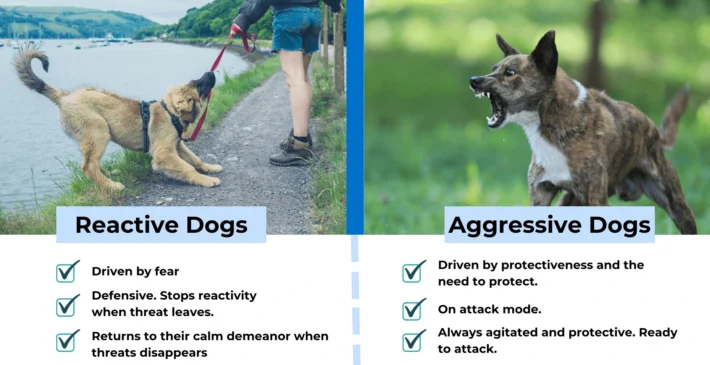
Credit: theonlinedogtrainer.com
Long-term Management
Building a calm environment supports a reactive dog’s long-term management. Consistent training and positive reinforcement improve behavior over time. Patience and understanding foster trust and confidence.
Long-term management is key in helping a reactive dog. It involves patience and dedication. This approach ensures that the dog becomes less reactive over time. Establishing a consistent routine helps build trust and confidence. It’s important to track progress and make necessary adjustments.Consistency In Training
Consistency is crucial for managing a reactive dog. Establish a daily routine for training sessions. Use the same commands and rewards each time. This helps the dog understand expectations. Repetition makes the dog feel secure. It reduces anxiety and reactivity. Stay calm and patient during training. Your dog senses your energy. A calm demeanor reassures them. Consistent training builds a solid foundation for behavior improvement.Monitoring Progress
Regularly monitor your dog’s progress. Keep a journal of their behavior changes. Note any triggers that cause reactivity. Observing patterns helps in making informed decisions. Adjust training techniques based on progress. Celebrate small victories along the way. This boosts your motivation and your dog’s morale. Consult a professional if challenges arise. They provide expert insights and guidance. Regular check-ins ensure you’re on the right path.Building Trust And Confidence
Helping a reactive dog requires patience and understanding. Building trust involves consistent positive reinforcement. Confidence grows when dogs feel secure and supported in various environments.
Building trust and confidence with a reactive dog is crucial for both their well-being and your peace of mind. It’s about creating a safe space where your dog feels understood and respected. This process requires patience, understanding, and a consistent approach to foster a secure environment.Bonding Activities
Engage in activities that your dog enjoys and that allow you to spend quality time together. This might be as simple as a daily walk in a quiet area where your dog feels comfortable. Another great way to bond is through interactive play, like fetch or tug-of-war, which not only strengthens your relationship but also provides mental stimulation. Consider training sessions as bonding opportunities. Focus on positive reinforcement techniques that reward your dog for calm behavior. Training can become a shared language between you and your dog, enhancing understanding and trust.Encouraging Calm Behavior
Create a calm environment at home to help your dog relax. Use soothing background music or white noise to mask outside sounds that might trigger reactivity. A comfortable resting spot with familiar scents can also provide a sense of security. Implement a routine that includes regular exercise and relaxation time. Predictability can reduce anxiety in reactive dogs, helping them feel more in control. Have you noticed how your dog responds to a consistent schedule? This can be a game-changer in managing reactivity. Reward your dog when they exhibit calm behavior in situations that previously triggered them. This positive reinforcement can shift their focus from fear or anxiety to seeking rewards. Remember, celebrating small victories can lead to big changes over time.Frequently Asked Questions
What Is A Reactive Dog?
A reactive dog overreacts to stimuli like people, animals, or noises. This behavior can stem from fear or frustration. Reactive dogs may bark, lunge, or growl when stressed. Understanding their triggers is crucial for effective management and training.
How Do You Calm A Reactive Dog?
Calming a reactive dog involves identifying triggers and using positive reinforcement. Consistent training and desensitization can help reduce reactivity. Creating a calm environment and avoiding stressful situations are also beneficial. Consult a professional trainer for tailored strategies.
Can Reactive Dogs Become Less Reactive?
Yes, reactive dogs can become less reactive with proper training and patience. Behavior modification techniques like counterconditioning and desensitization are effective. Regular practice and consistency are key to success. Professional guidance can accelerate progress.
Why Is My Dog Suddenly Reactive?
Sudden reactivity in dogs can be triggered by changes in environment or health. Stressful events or unfamiliar stimuli can cause unexpected reactions. Consulting a vet can rule out health issues. Understanding triggers helps address the behavior effectively.
Conclusion
Helping a reactive dog can be challenging but rewarding. Patience is key. Consistent training builds trust and confidence. Understand your dog’s triggers. Manage situations calmly and assertively. Safe environments promote positive behavior. Seek professional help if needed. Celebrate small victories along the way.
Your bond will grow stronger. Remember, every dog is unique. Tailor your approach to suit their needs. Encourage progress with love and understanding. Consistency and care lead to a happier pet. Your efforts will create a peaceful life for both.
Keep learning and adapting. Your dedication makes a difference.