Are Harnesses Better Than Collars for Dogs: Unveiling Truth
Senior Canine Nutritionist & Dog Behavior Specialist at Cozy Dog Go Wellness Lab
Have you ever wondered if harnesses are better than collars for your furry friend? As a dog owner, you want the best for your pet, ensuring their comfort and safety on every walk.
You might find yourself torn between the traditional collar and the increasingly popular harness. Choosing the right option can significantly impact your dog’s well-being and your peace of mind. You’ll discover the benefits and drawbacks of both harnesses and collars, helping you make an informed decision that suits your dog’s needs.
Dive in to find out how to enhance your dog’s walking experience while keeping them secure and happy!
Credit: pupford.com
Choosing The Right Harness
Choosing the right harness for your dog can feel like a daunting task, especially with the numerous options available. But getting it right is crucial for your dog’s comfort and safety. A well-fitted harness can make walks more enjoyable and prevent unnecessary strain on your dog’s neck. Let’s explore what to look for in a harness to ensure it’s the perfect match for your furry friend.
Size And Fit Considerations
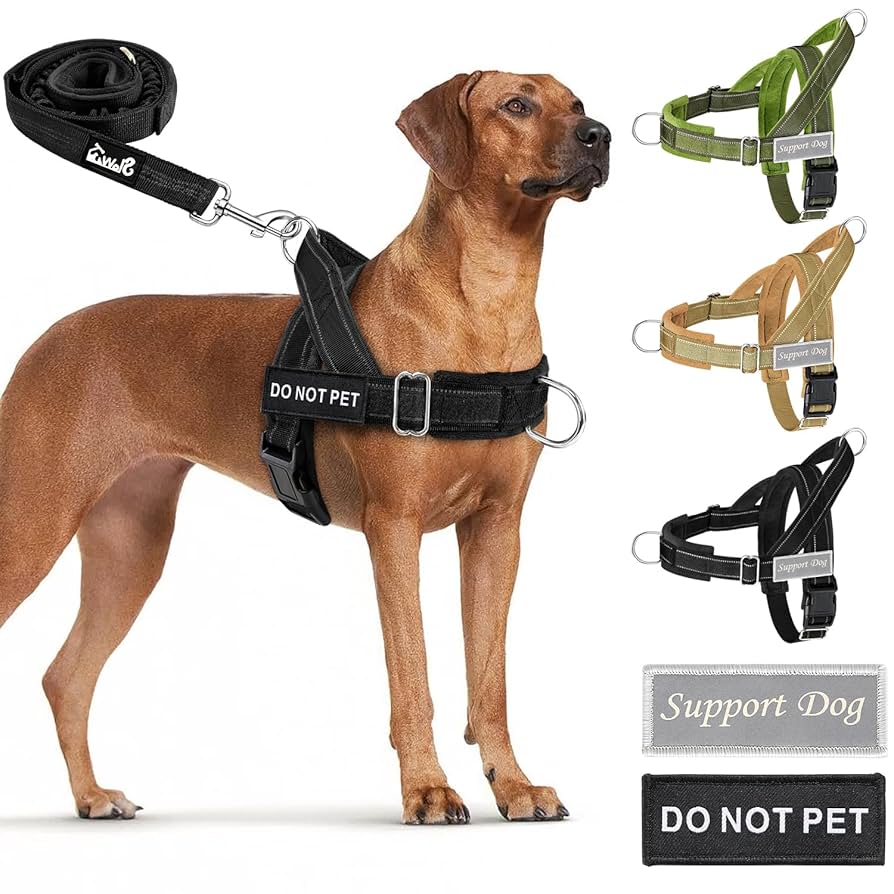
Finding the correct size is paramount. A harness that is too tight can cause discomfort, while one that is too loose might lead to escapes. Measure your dog’s chest and neck accurately and refer to the sizing chart provided by the manufacturer. Don’t hesitate to try several options. Just like shoes, not all harnesses fit the same. You might find the perfect fit in a brand you hadn’t considered initially.
Material And Durability
Durability is key when selecting a harness. Consider materials like nylon and polyester for a balance of strength and comfort. These materials withstand wear and tear from daily use. Reflective strips add visibility during night walks. Just imagine the peace of mind knowing your dog is visible to passing cars, even in dim conditions.
Ease Of Use
Think about how simple it is to put on and take off the harness. Some designs are more intuitive than others. Quick-release buckles can save you time, especially when your dog is excited to go outside. Do you find yourself struggling with complicated straps? Opt for a harness with fewer adjustments to streamline the process. Your dog will thank you for the speedy exit to playtime!
Training With Harnesses
Harnesses offer better control and comfort for dogs during walks. They distribute pressure evenly, reducing strain on the neck. This makes them a safer choice, especially for energetic or small breeds.
Training with harnesses can be a game-changer for both you and your furry friend. Unlike collars, harnesses provide more control and reduce strain on your dog’s neck. This can make training sessions more comfortable and effective, especially for dogs that pull or have respiratory issues. But how can you make the most of a harness during training?Harness Adjustment Tips
Ensuring a proper fit is crucial. A well-adjusted harness should be snug but not tight, allowing you to slip two fingers between the harness and your dog’s body. Pay attention to the adjustment points; most harnesses have multiple to accommodate different body shapes. Check the harness regularly as your dog may grow or lose weight. A poorly fitted harness can cause discomfort and hinder training progress.Training Techniques
Start by familiarizing your dog with the harness indoors. Let them sniff and explore it before putting it on. This helps reduce any initial anxiety. Use positive reinforcement. Reward your dog with treats or praise each time they respond well to commands while wearing the harness. This reinforces good behavior and makes training sessions enjoyable. Focus on short, consistent training sessions. Dogs often respond better to frequent, brief sessions rather than long, drawn-out ones. This keeps them engaged and eager to learn.Building Positive Associations
Create a positive association with the harness from the get-go. Consider using the harness only during walks or playtime initially, so your dog associates it with fun activities. Remember, patience is key. Some dogs take time to adjust to a harness, so be patient and give them time to get comfortable. Have you ever wondered how your dog perceives their harness? Observing their behavior can give you clues about their comfort level. Adjust your approach based on their reactions, and soon the harness will be a welcome part of your dog’s routine.Harnesses Vs. Collars: Health Implications
Choosing between harnesses and collars can impact a dog’s health. Harnesses distribute pressure evenly, reducing strain on the neck. Collars may pose risks for dogs with respiratory issues or delicate necks.
Choosing between a harness and a collar affects your dog’s health. Each option comes with its own set of benefits and drawbacks. Understanding these can help you make an informed decision for your furry friend.Impact On Joint Health
Harnesses distribute pressure evenly across a dog’s body. This reduces stress on neck and back joints. Collars, on the other hand, can strain the neck area. Especially in strong or pulling dogs, this can lead to joint issues. Dogs with pre-existing conditions might benefit more from harness use.Breathing And Circulation
Harnesses do not restrict a dog’s airways. This allows for free breathing and proper circulation. Collars can press on the throat, affecting airflow. Dogs with breathing problems, like pugs, may struggle with collars. A harness ensures their breathing stays unobstructed.Behavioral Effects
Harnesses can reduce pulling behavior in dogs. They give owners better control without discomfort. Collars may encourage pulling due to neck pressure. Some dogs become anxious with collars, feeling restrained. A harness might ease this anxiety, promoting a calmer walk.Harnesses For Different Dog Breeds
Choosing the right harness depends on your dog’s breed. Different breeds have different needs. A harness can provide comfort and control. Let’s explore harness options for various dog breeds.
Small Breeds
Small dogs like Chihuahuas need lightweight harnesses. A harness prevents neck strain. Look for padded options. Mesh materials ensure breathability. Adjustable straps help fit snugly. Choose a harness with a secure buckle. Safety is key for tiny dogs.
Large Breeds
Large dogs, such as Labradors, need sturdy harnesses. Strong materials handle their strength. A wide chest plate distributes pressure. Look for harnesses with reinforced stitching. Reflective strips add visibility at night. A handle on the back aids control. Ensure the harness is adjustable for comfort.
Active And Working Dogs
Active breeds like Border Collies need durable harnesses. Consider harnesses with extra padding. They should be built for long wear. Look for water-resistant materials. A front-clip option can offer better control. Harnesses with pockets can hold small items. This helps during long walks or hikes.
Harness Safety Tips
Choosing the right harness for your dog can greatly enhance their safety and comfort during walks. However, a harness only serves its purpose if used correctly. Understanding harness safety tips ensures that your dog stays secure and happy. Let’s dive into some essential practices to make your dog’s harness usage safer and more effective.
Regular Checks And Maintenance
Regularly inspect your dog’s harness for signs of wear and tear. Look for frayed straps or damaged buckles. A simple check before each walk can prevent a potential escape or accident. Also, remember to clean the harness periodically. Dirt buildup can irritate your dog’s skin and compromise the integrity of the material.
Avoiding Common Mistakes
Ensure the harness fits snugly but isn’t too tight. A common mistake is choosing a size that is too large or too small. You should be able to fit two fingers between the harness and your dog’s body. Adjust the straps to keep your dog comfortable and secure, avoiding any choking hazards. Always double-check that clips are securely fastened before heading out.
Safe Walking Practices
While walking, pay attention to your dog’s behavior. If they pull or resist, it might be a sign of discomfort with the harness. Train them to walk calmly and reward good behavior. Use short, controlled leash movements to guide your dog gently. Consider walking routes that minimize distractions and hazards, enhancing your dog’s focus and safety.
How often do you assess your dog’s walking gear? Investing a few minutes in harness safety can lead to a more enjoyable experience for both you and your furry friend. Take these tips to heart, and ensure every walk is a safe adventure!
Frequently Asked Questions
What Are The Benefits Of Dog Harnesses?
Dog harnesses offer better control and reduce strain on your dog’s neck. They are ideal for training and support dogs with respiratory issues. Harnesses also distribute pressure evenly, making them safer and more comfortable for walks.
Are Collars Harmful To Dogs?
Collars can be harmful if they exert too much pressure on a dog’s neck. This can lead to injuries or respiratory issues. Dogs prone to pulling might benefit more from a harness, which distributes force evenly across the body.
How Do Harnesses Improve Dog Safety?
Harnesses improve safety by preventing choking and neck injuries. They distribute pressure evenly, reducing the risk of harm during walks. For active dogs, harnesses provide better control and prevent escape, making outdoor activities safer and more enjoyable.
Can Harnesses Help With Dog Training?
Yes, harnesses can aid dog training by providing more control. They prevent pulling and allow for steering, making commands easier to teach. Harnesses help reinforce positive behaviors without straining the neck, improving training sessions effectively.
Conclusion
Choosing between a harness and a collar depends on your dog’s needs. Harnesses often offer better control and comfort. They distribute pressure evenly. Collars can be practical for quick outings. They are easy to put on. Dogs with breathing issues benefit more from harnesses.
A harness prevents strain on their necks. Always consider your dog’s behavior and health. Test both options to see what works best. Pay attention to how your dog reacts. Consult a vet if unsure. Every dog is unique and deserves the best care.

Similar Posts