How to Make a Muzzle for a Dog: Step-by-Step Guide
Senior Canine Nutritionist & Dog Behavior Specialist at Cozy Dog Go Wellness Lab
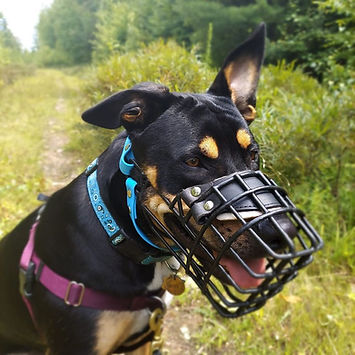
Imagine a world where walks with your dog are stress-free and safe. Sometimes, a simple tool like a muzzle can make all the difference.
You might wonder why your furry friend needs one or how to make it comfortable for them. Well, you’re in the right place! This guide will not only show you how to make a muzzle for your dog but also ensure it’s a positive experience for both of you.
Whether it’s for training, safety, or vet visits, creating the right muzzle is key. Ready to dive in and learn how to make a muzzle that fits perfectly and keeps your dog happy? Let’s get started!
Materials Needed
Gather a soft cloth or bandage, scissors, and a measuring tape. A pair of gloves might help. Duct tape or Velcro strips can secure the muzzle.
Creating a muzzle for your dog can be a straightforward process if you have the right materials on hand. Whether you’re crafting one for safety reasons or a temporary solution, gathering the appropriate supplies is crucial. Using everyday items, you can make a functional muzzle that’s gentle on your dog’s snout while ensuring they stay secure. Let’s dive into the materials you’ll need for this DIY project.Soft Fabric Or Old T-shirt
A soft fabric or an old t-shirt is ideal for creating a muzzle that won’t irritate your dog’s skin. Choose a material that’s both strong and comfortable. You want it to be breathable, yet durable enough to withstand some pulling or chewing.Measuring Tape
Measuring tape is essential to ensure the muzzle fits your dog snugly but comfortably. Accurate measurements help prevent the muzzle from being too tight, which could harm your dog, or too loose, which may render it ineffective.Scissors
Sharp scissors are necessary for cutting the fabric to the right size. Make sure they’re suitable for cutting through the thickness of your chosen material. Dull scissors might make the task more difficult and can result in jagged edges that could irritate your dog’s skin.Elastic Band Or Velcro
An elastic band or Velcro acts as a fastener to keep the muzzle securely in place. Velcro is adjustable and easy to remove, making it a convenient option. However, elastic bands can provide a more customized fit if your dog tends to wriggle out of Velcro.Thread And Needle
Using a thread and needle is necessary for sewing the muzzle together. Select a thread that’s durable and matches the color of your fabric for a neat finish. If you’re not confident in your sewing skills, consider using fabric glue as an alternative.Optional: Padding Material
Padding material can be added for extra comfort, especially if your dog needs to wear the muzzle for extended periods. This can be anything soft, like a piece of fleece or cotton. It helps cushion the snout area, preventing chafing and irritation. Gathering these materials is the first step in making a comfortable and effective muzzle for your dog. As you prepare, consider your dog’s comfort and the purpose of the muzzle. Have you ever crafted something for your pet that surprised you with its effectiveness?Safety Considerations
Ensure the muzzle fits snugly but not too tight to avoid discomfort. Use soft materials to prevent irritation or injury. Keep a close watch on your dog while wearing the muzzle for any signs of distress.
Creating a muzzle for your dog can be a practical solution for ensuring safety in various situations. Whether your dog gets anxious at the vet or is overly curious around strangers, a muzzle can help manage behavior. However, safety considerations are crucial to protect your dog’s well-being and ensure the effectiveness of the muzzle. It’s important to balance restraint with comfort, ensuring your furry friend is safe and secure without undue stress.Comfort And Fit
A muzzle should fit snugly but not too tightly. You want to avoid any restriction on your dog’s breathing or ability to pant, especially during warm weather. Ensure the muzzle is not pressing into their skin or causing discomfort. A personal experience taught me the importance of fit. I once used a muzzle that seemed perfect but was slightly too tight. My dog showed signs of distress, emphasizing the need for a proper fit. It should allow your dog to open its mouth slightly for panting and drinking water.Material And Durability
Choose a material that is sturdy yet comfortable for your dog. Materials like leather or rubber are commonly used. They provide durability and ease of cleaning. However, always check for any signs of wear and tear. A frayed or damaged muzzle can pose risks. Regular checks ensure that the muzzle remains safe and effective, preventing any unexpected breaks that might lead to accidents.Purpose And Duration Of Use
Consider why and how long your dog will wear the muzzle. A muzzle for short-term use, like a vet visit, requires different features than one for extended periods. Ensure the muzzle suits the intended purpose. It’s crucial to not overuse a muzzle. Prolonged restraint can lead to anxiety or distress in dogs. This can backfire, making the muzzle a negative experience rather than a helpful tool.Training And Acclimation
Introduce the muzzle gradually to your dog. Let them sniff and explore it before attempting to put it on. Positive reinforcement can aid in this process, turning it into a positive experience. Have you ever wondered why some dogs resist muzzles more than others? Often, it’s about the introduction process. A slow, patient approach helps your dog associate the muzzle with safety rather than restriction.Monitoring And Adjustments
Always monitor your dog while wearing a muzzle, especially if it’s new to them. Look for any signs of distress or discomfort. Make adjustments as needed. Your dog’s safety is paramount. Regular checks ensure the muzzle is functioning correctly and not causing any harm. Be proactive in assessing your dog’s comfort and make changes as necessary.Measuring Your Dog
Measure your dog’s snout carefully to create a comfortable muzzle. Use a soft tape measure for accuracy. Ensure the muzzle allows your dog to pant and drink easily.
Measuring your dog for a muzzle is a crucial step to ensure it fits comfortably and safely. A well-fitted muzzle can prevent discomfort and allow your dog to breathe and pant easily. But how do you get the perfect measurement? Let’s dive into the specifics.Measure The Snout Circumference
Wrap a soft measuring tape around the base of your dog’s snout, just beneath the eyes. Make sure it’s snug but not tight. If you don’t have a measuring tape, use a piece of string and then measure it against a ruler.Determine The Snout Length
Measure from the tip of your dog’s nose to the base, right where the snout meets the head. This length will help you select a muzzle that doesn’t obstruct breathing or cause irritation.Consider Additional Measurements
For some breeds, measuring the width of the snout can be helpful. Is your dog more comfortable in wide or narrow fit? Think about their nose shape and any unique features.Think About Your Dog’s Comfort
Have you ever worn shoes that were too tight? Imagine that discomfort for your dog. Always add a bit of extra space to your measurements to allow your dog to pant and move freely.Why Accurate Measurements Matter
An inaccurate measurement could lead to a muzzle that’s too tight or loose. This can cause stress or even injuries. Ensuring the right fit keeps your dog safe and comfortable. Have you noticed how your dog reacts to snug clothing or accessories? Consider that response when measuring for a muzzle. Taking precise measurements is not just about size; it’s about your dog’s well-being. A perfectly fitted muzzle can make all the difference in their comfort and safety. Are you ready to take on this task with confidence?Choosing The Right Design
Selecting the right design for a dog muzzle ensures comfort and safety. Consider size, material, and breathability to find the perfect fit. A well-designed muzzle should allow easy panting and drinking while preventing biting.
Choosing the right design for your dog’s muzzle is crucial. A well-fitting muzzle can make a world of difference in comfort and effectiveness. But with so many designs available, how do you decide which one is right for your furry friend?Understand The Purpose
Different muzzles serve different purposes. Some are designed for short-term use, like a vet visit, while others are for longer walks. Knowing the intended use will guide your choice. Are you looking for something to prevent barking or to ensure safety during grooming? This clarity will help you narrow down your options.Consider The Material
Materials can range from nylon to leather or even plastic. Each has its pros and cons. Nylon muzzles are lightweight and breathable, but might not be as durable as leather. Conversely, leather muzzles provide durability but might require more maintenance. Choose a material that aligns with your dog’s lifestyle and your convenience.Prioritize Comfort And Fit
A comfortable fit is non-negotiable. Measure your dog’s snout carefully and choose a design that offers adjustability. A loose muzzle can slip off, while a tight one might restrict breathing. Look for padded designs that prevent chafing and provide extra comfort.Test For Practicality
Once you’ve chosen a design, test it in a controlled environment. Does it stay on securely? Is your dog able to pant and drink? Use treats and positive reinforcement to get your dog accustomed to the muzzle. This step ensures that you both feel confident during its use.Seek Recommendations
Sometimes, a little advice goes a long way. Ask other dog owners or your vet for recommendations. Real-life experiences can provide insights that you won’t find on a product label. What worked for someone else might just be the perfect solution for you and your pet.Cutting Fabric
Cut fabric into a rectangular shape, ensuring it’s large enough to cover your dog’s snout comfortably. Make two slits for tying, securing the muzzle gently around the dog’s head.
Cutting fabric is a crucial step in making a dog muzzle. Choosing the right fabric ensures comfort and safety for your dog. You’ll want a material that’s both strong and breathable. This helps prevent irritation and keeps your dog cool.Choosing The Right Fabric
Pick a fabric that is sturdy yet soft. Cotton or nylon are good options. They provide durability and are gentle on your dog’s skin. Avoid any fabric that might cause allergies. Always test a small piece before proceeding.Measuring And Marking
Measure your dog’s snout carefully. Accurate measurements are essential for a proper fit. Use a measuring tape to get the right length and circumference. Mark these measurements on the fabric using a fabric chalk or pen. This helps in cutting precise pieces.Cutting The Fabric
Cut the fabric according to your measurements. Sharp scissors are crucial for clean cuts. Ensure you cut two identical pieces for the muzzle. Check the edges for frays and trim them if necessary. Smooth edges are safer for your dog.Safety Precautions
Always prioritize your dog’s safety. Keep sharp objects away from them. Double-check the fabric for loose threads. These can be harmful if swallowed. Make sure the fabric is free from any harsh chemicals. Clean the fabric thoroughly before use.Double-checking Measurements
Recheck your measurements before finalizing the cuts. An extra check avoids mistakes. Adjust as needed for a secure fit. A well-fitted muzzle ensures comfort and effectiveness. Keep your dog’s comfort at the forefront during this process.Credit: www.tiktok.com
Fitting The Muzzle
Crafting a muzzle for your dog ensures safety and comfort. Use soft materials like cloth or leather to avoid irritation. Proper fitting allows your dog to breathe and pant easily.
Fitting a muzzle on your dog requires care and attention. A proper fit ensures comfort and effectiveness. You want your furry friend to feel secure, not stressed. An ill-fitting muzzle can cause discomfort or even harm. Follow these steps to achieve the perfect fit for your dog’s muzzle.Measure Your Dog’s Snout
Use a flexible tape measure. Measure the length from the tip of the nose to the base. Next, measure the circumference around the widest part of the snout. These measurements will guide you in selecting the right size.Select The Right Muzzle Type
Choose a muzzle that suits your dog’s breed and size. Basket muzzles are great for longer use. Soft muzzles are more suitable for short durations. Ensure the muzzle allows your dog to pant and drink.Adjust The Straps
Place the muzzle on your dog’s snout gently. Adjust the straps for a snug fit. The muzzle should not be too tight. It should be secure but comfortable.Check For Comfort And Security
Ensure the muzzle does not rub against your dog’s skin. Your dog should be able to open its mouth slightly. Check that the muzzle stays in place when your dog moves. Make any necessary adjustments for a secure fit.Observe Your Dog’s Reaction
Watch how your dog responds to the muzzle. Look for signs of distress or discomfort. If your dog seems agitated, remove the muzzle and try again later. Gradual acclimation helps your dog get used to it. By following these steps, you can ensure a comfortable and secure fit for your dog’s muzzle.Training Your Dog To Wear A Muzzle
Crafting a comfortable muzzle for your dog can be straightforward. Use soft materials like fabric or leather for ease. Ensure it fits snugly, allowing the dog to breathe and pant freely.
Training your dog to wear a muzzle requires patience and understanding. A muzzle ensures safety during stressful situations. Dogs might resist initially, but with gentle training, they can adapt. Begin the process with positive reinforcement and consistency.Introduce The Muzzle Gradually
Introduce the muzzle as a friendly object. Place it near your dog’s toys or treats. Let them sniff and explore it without pressure. Reward them with treats for showing interest.Associate The Muzzle With Treats
Use treats to create a positive association. Hold a treat near the muzzle’s opening. Encourage your dog to reach through the muzzle for the treat. This builds a positive connection.Practice Short Sessions
Start with short training sessions. Place the muzzle on for a few seconds. Gradually increase the duration over several days. Always end sessions on a positive note with treats.Ensure A Comfortable Fit
Check the muzzle’s fit regularly. It should be snug but not tight. Your dog should pant and drink with ease. Adjust as needed for comfort and safety.Use Calm And Reassuring Behavior
Stay calm during training. Dogs sense your emotions. Use a gentle voice and reassuring touches. This helps build trust and reduces anxiety.Gradually Introduce Real-world Scenarios
Use the muzzle during normal activities. Start in familiar environments. Gradually introduce it during walks or vet visits. Ensure your dog feels comfortable and safe.Monitor Your Dog’s Reaction
Watch for signs of stress. This includes excessive panting or trying to remove the muzzle. If observed, shorten training and provide comfort. Patience is key for successful training.Maintenance And Care
Crafting a homemade dog muzzle involves using soft materials like fabric or a sock. Ensure it’s snug yet comfortable to prevent biting without causing distress. Regularly check for wear and replace if necessary.
Maintaining and caring for your dog’s muzzle is essential. A well-kept muzzle ensures your dog’s comfort and safety. Regular checks and cleaning can extend the muzzle’s lifespan and effectiveness. Below are some important aspects of muzzle maintenance.Cleaning The Muzzle
Clean your dog’s muzzle after each use. Use mild soap and warm water. Rinse thoroughly to remove all soap residue. Let it air dry completely. This prevents bacteria and odor buildup.Inspecting For Wear And Tear
Regularly inspect the muzzle for damage. Check for frayed straps or broken parts. Replace the muzzle if you find any damage. A damaged muzzle can be unsafe for your dog.Storing The Muzzle Properly
Store the muzzle in a dry place. Avoid direct sunlight or heat sources. This keeps the material from degrading. Proper storage keeps the muzzle in good condition.Ensuring Proper Fit
Check the fit regularly as your dog grows. Adjust the straps for a snug fit. A well-fitted muzzle is more comfortable for your dog. It also prevents slipping during use.Monitoring Your Dog’s Comfort
Watch your dog for signs of discomfort. Excessive scratching or pawing at the muzzle can indicate an issue. Adjust or replace the muzzle if needed. Your dog’s comfort is a priority.Troubleshooting Common Issues
Creating a dog muzzle at home can solve many behavioral problems. Use materials like cloth or gauze and ensure it’s snug but comfortable. Always prioritize safety for both the dog and handler.
Creating a muzzle for your dog can be a practical solution to ensure safety, but it’s not without challenges. It’s important to troubleshoot common issues to ensure your dog is comfortable and the muzzle is effective. Misfitting or poorly made muzzles can cause distress and defeat the purpose of using one. Here’s how you can address some of the typical problems you might face.Ensuring Proper Fit
A muzzle that doesn’t fit well can lead to discomfort or even injury. Measure your dog’s snout accurately before making the muzzle. Ensure that the muzzle is snug but not too tight, allowing your dog to pant and drink water.Adjusting To The Muzzle
Dogs might be resistant to wearing a muzzle at first. Gradually introduce the muzzle to your dog, starting with short sessions. Reward your dog with treats to create positive associations.Dealing With Chewing
Some dogs might try to chew through the muzzle. Use durable materials and supervise your dog initially. You might need to reinforce the muzzle with stronger fabrics or ensure it’s secured properly.Preventing Chafing And Irritation
Chafing can occur if the muzzle is too tight or made of rough material. Choose soft, breathable fabrics and check for any signs of irritation. Adjust the straps to ensure a comfortable fit.Handling Anxiety And Stress
If your dog shows signs of anxiety, take a step back. Incorporate familiar scents on the muzzle and use calming techniques. Patience is key; give your dog time to adjust and feel at ease.Ensuring Safety
Safety is paramount when using a muzzle. Regularly check the condition of the muzzle for wear and tear. Replace it if needed, and never leave your dog unattended while muzzled. What are some challenges you’ve faced with muzzles, and how did you overcome them? Sharing experiences can help fellow pet owners navigate these common issues.Credit: miasmuzzles.com
Frequently Asked Questions
How Can I Make A Dog Muzzle At Home?
Making a dog muzzle at home is simple. Use strong materials like nylon or leather strips. Ensure it fits snugly but comfortably around the dog’s snout. Secure it with adjustable straps. Always check for safety and comfort.
What Materials Are Best For A Dog Muzzle?
Nylon, leather, and soft plastic are ideal materials for dog muzzles. They provide durability and comfort. Ensure the material is breathable and easy to clean. Choose materials that are sturdy enough to withstand wear and tear.
Are Homemade Muzzles Safe For Dogs?
Yes, homemade muzzles can be safe if properly constructed. Ensure the muzzle fits well and is not too tight. Use durable materials and secure closures. Regularly check for wear and make adjustments as needed for safety.
How Should A Dog Muzzle Fit?
A dog muzzle should fit snugly without being too tight. It should allow the dog to pant and drink water. Ensure there are no sharp edges. Adjust straps for a secure fit that won’t slip off.
Conclusion
Crafting a dog muzzle is simple. It ensures your pet’s safety. Follow the easy steps outlined in this guide. Choose the right materials. Measure your dog’s snout carefully. Make sure it fits comfortably. Test it for safety and comfort. A homemade muzzle can be a practical solution.
It helps in stressful situations. Remember, your dog’s well-being comes first. Practice using the muzzle gently. This will help your dog feel at ease. Keep training sessions short and positive. With patience, your dog will adjust. Enjoy peace of mind with your homemade muzzle.
Happy crafting!

Similar Posts