Are Dog Muzzles Cruel? Debunking Myths and Facts
Senior Canine Nutritionist & Dog Behavior Specialist at Cozy Dog Go Wellness Lab

Have you ever walked your dog and noticed the curious looks when they wear a muzzle? You might wonder if people think it’s cruel or unnecessary.
You’re not alone. As a responsible dog owner, your top priority is ensuring the safety and well-being of your furry friend. But, the idea of using a muzzle can stir mixed emotions and opinions. Are dog muzzles really cruel, or are they misunderstood tools that can actually protect your dog and others?
This question isn’t just about the equipment; it’s about understanding the needs of your pet and the world around you. Dive into the nuances of dog muzzles, and discover why this tool might be more beneficial than you realize. Your dog’s comfort and safety are waiting for you to explore further.
Purpose Of Dog Muzzles
Dog muzzles are often misunderstood as cruel. They provide safety and prevent bites in stressful situations. Proper use ensures comfort and effectiveness.
The purpose of dog muzzles often raises questions about their necessity. Muzzles play a significant role in ensuring safety. They are not inherently cruel. Instead, they serve multiple beneficial purposes for dogs and their owners. Understanding these purposes can shed light on the positive uses of muzzles.Safety Measures
Dog muzzles are essential safety tools. They prevent accidents in stressful situations. At the vet or groomer, dogs may feel anxious. A muzzle can ensure safety for everyone. This protective gear also helps during public outings. It reassures other pet owners and passersby. Muzzles keep everyone comfortable and safe.Training Tools
Muzzles are effective training tools. They aid in behavior correction. Some dogs have tendencies to chew or bark excessively. A muzzle can help manage these behaviors. Trainers use muzzles to teach calmness. They help dogs focus on learning without distractions. This makes the training process smoother and more effective.Preventing Bites
Muzzles are crucial for preventing bites. Some dogs may react aggressively when scared. Muzzles provide a barrier, ensuring no one gets hurt. This is especially important in crowded places. Muzzles can prevent unexpected incidents. They protect both the dog and others around. This makes public interactions safer for everyone involved.Types Of Dog Muzzles
Exploring dog muzzles reveals their diverse types, such as basket and soft muzzles, tailored for specific needs. These tools ensure safety, not cruelty, when used properly, providing comfort and protection for both dogs and people.
Understanding the types of dog muzzles can transform your perspective on whether they are cruel or not. Muzzles are tools, just like leashes or collars, designed to ensure safety and comfort for both dogs and humans. Different types cater to varied needs and situations. Let’s dive into the popular options:Basket Muzzles
Basket muzzles are usually made of hard plastic or metal, featuring a cage-like design that covers the dog’s snout. They allow dogs to pant, drink, and even accept treats through the slots. This design is often favored for training and behavioral modification because it offers both safety and freedom of movement. If you worry about your dog nibbling on the leash during walks, a basket muzzle might be the solution. Plus, it offers peace of mind in crowded places where your dog might feel overwhelmed.Soft Muzzles
Soft muzzles are crafted from fabric materials like nylon or mesh. They fit snugly around the dog’s snout, limiting the ability to bite or bark but often restricting panting. These are typically used for short-term situations, such as vet visits or grooming sessions. Picture this: you’re at the groomer and your dog is uneasy with the clipper noise. A soft muzzle can prevent any reactionary nips. Remember, they should only be used for brief periods to avoid discomfort or overheating.Mesh Muzzles
Mesh muzzles combine the features of soft muzzles with added breathability. They are lightweight and allow for better airflow, making them suitable for warmer climates. You might find mesh muzzles particularly useful during summer strolls. While they offer less freedom for panting compared to basket muzzles, they provide a balance between security and comfort. Ever tried walking your dog on a hot day and worried about them overheating? A mesh muzzle could be your go-to choice. Choosing the right type of muzzle depends on your dog’s needs and the specific situations you face. Have you ever wondered how your dog perceives the world when wearing a muzzle? Understanding their comfort and safety can help you make informed decisions.Common Misconceptions
Dog muzzles are often misunderstood as cruel restraints. In reality, they can be essential for safety. Properly used, muzzles protect both the dog and those around them.
Common Misconceptions Dog muzzles often get a bad reputation, triggering debates among pet owners and animal lovers. Many people view them as instruments of cruelty, yet these beliefs are often based on misconceptions. Let’s demystify some common myths surrounding dog muzzles.Associations With Aggression
Many assume that a dog wearing a muzzle is aggressive or dangerous. This is not always the case. Muzzles can be used for various reasons, such as preventing dogs from eating harmful objects during walks or assisting in training. Think about how you wear a seatbelt for safety, not because you’re a reckless driver. Similarly, a muzzle can be a proactive safety measure. It’s not a sign of a bad dog but a responsible owner.Impact On Comfort
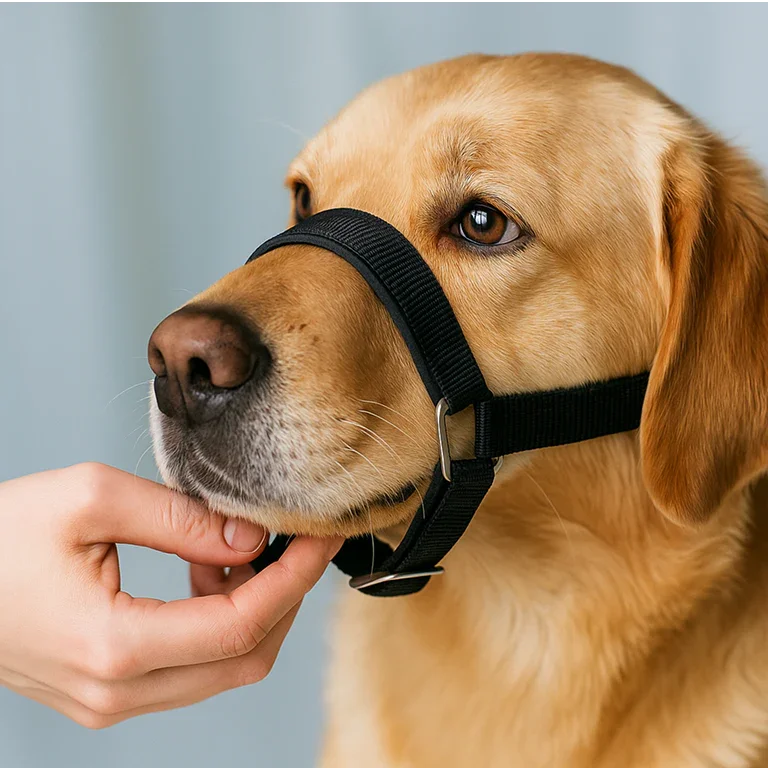
Another misconception is that muzzles are uncomfortable or painful for dogs. When fitted correctly, muzzles should allow your dog to pant, drink, and even accept treats. Consider a well-fitted pair of shoes; they provide comfort and support without causing harm. With the right muzzle, your dog can enjoy their routine activities without discomfort. Always ensure the muzzle is the right size and material for your pet’s needs.Restricting Breathing
Some worry that muzzles restrict a dog’s ability to breathe. This concern is valid but easily addressed with the correct choice of muzzle. Basket muzzles, for instance, are designed to allow for easy breathing and panting. It’s crucial to choose a muzzle that suits your dog’s breed and activity level. Inadequate choices can indeed cause distress, so proper selection is key. Have you ever tried running in a mask that doesn’t fit well? It can be uncomfortable and stifling. Just like you wouldn’t wear an ill-fitting mask, ensure your dog’s muzzle is appropriate for their comfort and safety. By understanding these misconceptions, you can make informed decisions about whether a muzzle is right for your dog. What are your thoughts on using muzzles?Credit: www.facebook.com
Benefits Of Using Muzzles
Using muzzles can ensure safety for both dogs and people during stressful situations. They prevent biting without causing harm. Properly fitted muzzles can help in training and managing aggressive behavior effectively.
The use of dog muzzles often sparks a heated debate. While some see them as restrictive, they can actually offer several benefits that contribute to a dog’s well-being and safety. Understanding these benefits can help you make an informed decision about using a muzzle for your furry friend.Enhancing Public Safety
Muzzles can significantly enhance public safety, especially in crowded areas. They prevent unexpected bites, which can occur even if your dog is usually friendly. A muzzle acts as a reassuring tool for others, allowing them to feel safe around your pet. If you’ve ever felt nervous taking your dog out in public, a muzzle can offer peace of mind. It’s a proactive measure that shows responsibility and consideration for others. By using a muzzle, you’re helping to create a safer environment for everyone.Reducing Anxiety In Dogs
Surprisingly, muzzles can reduce anxiety in dogs, especially those prone to fear-based aggression. They provide a sense of security by preventing negative interactions. This can be particularly helpful during stressful situations like thunderstorms or fireworks. Muzzles can also help in training by preventing your dog from engaging in unwanted behaviors. With consistent use, your dog may become more relaxed and confident. It’s all about creating positive associations with the muzzle.Facilitating Vet Visits
Vet visits can be stressful for both you and your dog. A muzzle can ease this tension by preventing your dog from reacting aggressively. This allows the vet to do their job more efficiently and safely. Using a muzzle can make the experience more pleasant for your dog. It ensures that medical procedures are completed without incident, which means quicker visits. This can lead to a more positive relationship between your dog and the vet clinic. Have you considered how a simple tool like a muzzle could transform your outings or vet visits? It might be worth a try.Choosing The Right Muzzle
Choosing the right muzzle ensures safety and comfort for your dog. Muzzles are not cruel if used properly. They prevent biting and allow socialization, making them a responsible choice for certain situations.
Choosing the right muzzle for your dog is crucial in ensuring their safety and comfort. While some might perceive muzzles as inherently cruel, when used correctly, they can be a beneficial tool. The key is to select a muzzle that suits your dog’s needs and fits them well, much like choosing the right pair of shoes for yourself.Material Considerations
The material of the muzzle is one of the first things to consider. Leather muzzles are durable and provide a secure fit, but they can be heavy and less breathable. Nylon muzzles are lightweight and affordable, but might not withstand strong bites. Basket muzzles made from rubber or plastic allow your dog to pant, drink, and even eat treats while wearing them. Think about your dog’s activity level and the climate in which you live. A breathable material is essential for active dogs or warmer environments.Size And Fit
A well-fitted muzzle is essential to avoid discomfort or injury. Measure your dog’s snout carefully, considering both length and circumference. A muzzle that’s too tight can cause chafing, while one that’s too loose may slip off. Try a few different sizes if you’re unsure. Many pet stores allow you to bring your dog in for a fitting. Remember, your dog should be able to pant and yawn comfortably while wearing the muzzle.Training For Acceptance
Introducing a muzzle to your dog requires patience and positive reinforcement. Let your dog sniff and explore the muzzle before putting it on. Reward them with treats for showing interest. Start by placing the muzzle on them for short periods, gradually increasing the duration. Make muzzle time fun by associating it with walks or playtime. This helps your dog see the muzzle as a positive part of their routine rather than a punishment. Choosing the right muzzle involves careful consideration and a little trial and error. What are your experiences with finding the perfect fit for your furry friend?Credit: www.facebook.com
Alternatives To Muzzles
Many pet owners worry about the use of dog muzzles and whether they are cruel. Fortunately, there are several alternatives that can help manage your dog’s behavior without resorting to muzzles. These alternatives focus on understanding and addressing the root causes of problematic behavior, ensuring your dog feels comfortable and secure.
Behavior Modification
Behavior modification is a proactive approach that can replace the need for muzzles. It involves consistent training to instill good habits in your dog. By using positive reinforcement techniques, you can encourage desired behaviors. Consider enrolling in a dog training class where both you and your dog can learn together. This not only strengthens your bond but also helps your dog understand commands and expectations.
Leash Control
Leash control is another effective alternative. A sturdy leash can help manage your dog in public spaces, reducing the chances of unwanted interactions. Practice walking your dog in different environments to familiarize them with various stimuli. You can use adjustable leashes to maintain better control and prevent pulling. Remember, patience is key; gradually expose your dog to crowded areas, and reward them for calm behavior.
Environmental Management
Environmental management focuses on creating a safe space for your dog. Assess your surroundings and remove potential stressors or hazards. For example, if your dog is anxious around strangers, consider walking them in less crowded parks. Use barriers or gates at home to define areas where your dog feels secure. Providing toys and engaging activities can also help distract and calm your dog, reducing the need for muzzles.
Have you considered these alternatives? They not only help manage your dog’s behavior but also enhance their overall well-being. Are you ready to give them a try and see the positive changes in your furry friend?
Credit: petsworthy.com.au
Frequently Asked Questions
Are Dog Muzzles Safe For Pets?
Dog muzzles can be safe when used correctly. They prevent biting and injury without harming the dog. Ensure the muzzle fits well and allows your dog to pant and drink. Use muzzles responsibly and avoid leaving them on for extended periods to maintain comfort and safety.
Do Muzzles Help With Aggressive Dogs?
Muzzles can help manage aggressive behavior temporarily. They prevent biting during training or stressful situations. However, they don’t address the root cause of aggression. Combine muzzles with professional training to modify behavior effectively and ensure your dog learns to respond calmly.
Can Muzzles Be Used For Training Purposes?
Yes, muzzles can assist in training. They prevent unwanted biting during sessions, ensuring safety. Use muzzles alongside positive reinforcement techniques. Ensure the dog associates the muzzle with positive experiences to avoid stress and anxiety during training sessions.
Are Muzzles Comfortable For Dogs?
When fitted correctly, muzzles should be comfortable. Choose a breathable, adjustable option that allows panting and drinking. Gradually introduce the muzzle to your dog, ensuring it feels secure and relaxed. Avoid using muzzles for extended periods to maintain comfort.
Conclusion
Dog muzzles are not inherently cruel. They can protect and prevent harm. It’s crucial to use them responsibly. Choose the right fit for comfort. Train your dog to adjust gradually. Understand your dog’s needs and behaviors. Sometimes, muzzles help in stressful situations.
They are tools, not solutions. Always prioritize your dog’s well-being. Consult a vet if unsure about usage. Consider alternatives and use muzzles wisely. Your dog’s safety and happiness come first.

Similar Posts