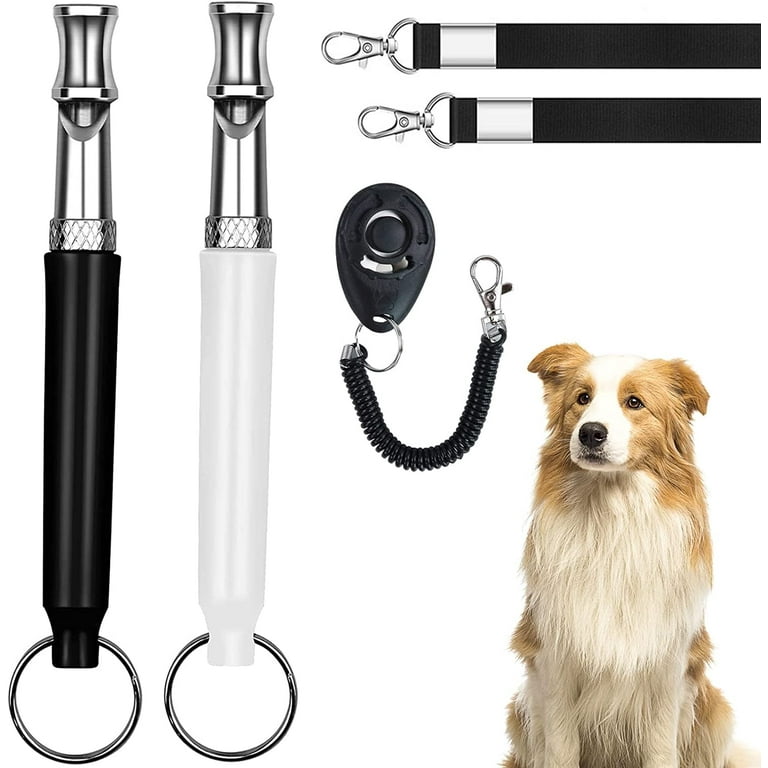
Can a Human Hear a Dog Whistle? Unveiling the Truth
Senior Canine Nutritionist & Dog Behavior Specialist at Cozy Dog Go Wellness Lab

Have you ever wondered if you can hear a dog whistle? You might have seen a dog trainer use one, or perhaps you’ve heard of its magical powers to summon dogs from afar.
But what about your own ears? Are they capable of picking up the sound that these whistles produce? This question might not just spark curiosity but could also reveal fascinating insights about human hearing and the unique ways we perceive sound.
You’ll uncover the science behind dog whistles, explore the limits of human hearing, and discover why these seemingly silent tools are so effective for our furry friends. As you read on, prepare to be amazed by the intricate dance of sound waves and frequencies that make this topic not only intriguing but also enlightening.
Credit: www.facebook.com
Human Hearing Range
A dog whistle produces sounds above 20,000 Hz, which is beyond the human hearing range. Dogs can hear these high-pitched frequencies, but humans cannot. This is why dog whistles are often inaudible to people.
The human hearing range is an intriguing subject. It defines the limits of sounds humans can perceive. Most adults can hear sounds between 20 Hz and 20,000 Hz. This range includes many everyday sounds, like music and speech. It also covers noises from nature, such as birds chirping or wind blowing. However, some sounds lie beyond this range. These are usually either too low or too high for humans to detect. High-pitched sounds, like those from a dog whistle, often go unheard by people.What Is The Human Hearing Range?
The human hearing range varies from person to person. Age and health can impact what sounds one hears. Young people tend to hear higher frequencies better than older individuals. As people age, their ability to hear high-pitched sounds often declines.Understanding Frequency In Hearing
Frequency measures how many sound waves pass a point in one second. It is expressed in Hertz (Hz). Lower frequencies sound deeper, like a bass drum. Higher frequencies sound sharper, like a whistle. Humans are most sensitive to frequencies between 2,000 Hz and 5,000 Hz. This range is crucial for understanding speech.Can A Human Hear A Dog Whistle?
Dog whistles produce sounds above the human hearing range. These whistles typically emit sounds around 25,000 Hz. Such frequencies are beyond what most humans can hear. Dogs, however, can detect these high-pitched noises. Their hearing range extends from 40 Hz to 60,000 Hz. This ability helps them respond to commands from dog whistles.Factors Affecting Human Hearing Ability
Several factors influence hearing abilities. Environmental noise can mask sounds, making them harder to hear. Prolonged exposure to loud noises can damage hearing. Genetics also play a role in determining how well one hears. Regular hearing checks can help maintain good hearing health. Understanding the human hearing range can explain why dog whistles go unnoticed. It highlights the differences in hearing abilities between humans and animals.Dog Whistle Frequency
Dog whistles produce sounds at high frequencies. Typically, humans can’t hear these sounds. But some people might detect faint noises.
Dog whistles are designed to emit sounds at a frequency higher than what humans can hear. These frequencies are usually between 16,000 Hz and 22,000 Hz. While dogs can easily perceive these sounds, they are typically inaudible to humans. This design helps trainers communicate with dogs without distracting people nearby.Understanding Sound Frequencies
Sound waves travel through air and are measured in Hertz (Hz). The frequency determines how high or low a sound is. Humans generally hear sounds ranging from 20 Hz to 20,000 Hz. Sounds above 20,000 Hz are ultrasonic and imperceptible to human ears.Why Dogs Hear Higher Frequencies
Dogs have a more sensitive hearing range compared to humans. This ability allows them to detect higher frequencies, which helps them identify sounds from far distances. Their evolutionary traits aid them in hunting and communicating with others of their species.Common Uses Of Dog Whistles
Dog whistles are often used in training and behavior modification. They provide a way to capture a dog’s attention without disturbing others. Trainers use various commands with whistles to reinforce positive behavior in dogs.Comparison Of Human And Dog Hearing
Dogs have remarkable hearing, picking up high-frequency sounds beyond human capability. Dog whistles, emitting sounds above human hearing range, remain inaudible to us. Our hearing is limited compared to dogs, who can detect sounds in a different frequency spectrum.
Understanding the differences between human and dog hearing can be quite fascinating. While both species rely heavily on their auditory senses, the range and sensitivity of their hearing vary significantly. This difference raises intriguing questions about the limits of human perception, particularly when it comes to high-frequency sounds like those produced by a dog whistle.Frequency Range
Humans typically hear frequencies from 20 Hz to 20,000 Hz. This range covers most of the sounds you encounter daily, like music and conversation. In contrast, dogs hear from 40 Hz to around 60,000 Hz, giving them the ability to perceive sounds that are inaudible to humans.Sensitivity To Sound
Dogs have an extraordinary ability to detect softer sounds. Their ears are designed to pick up on faint noises, making them excellent at hearing things like the subtle rustle of a mouse in the grass. This heightened sensitivity is one reason dogs are exceptional at tasks like search and rescue.Ear Structure
The physical structure of a dog’s ear contributes to its superior hearing. Dogs have a large ear canal and more muscles in their ears, allowing them to move and tilt their ears to better capture sounds. This adaptability helps them pinpoint the direction of noises more accurately than humans can.Applications In Real Life
Dog whistles are a practical application of the difference in hearing abilities. While you might not hear the whistle, your dog hears it loud and clear, making it an effective tool for training. It’s a simple way to communicate with your pet in a frequency range that doesn’t disturb the human ear.Why It Matters
Understanding these differences can deepen your appreciation for your pet’s unique abilities. It can also make you more mindful of the sounds in your environment that may be affecting your dog. Are you curious about how this knowledge can improve your interactions with your dog? Give it some thought the next time you use a dog whistle.Science Behind Dog Whistles
Dog whistles produce sounds at frequencies often beyond human hearing, typically above 20,000 Hz. While some people might hear faint noise, most cannot detect these high-pitched sounds. Dogs, with their advanced hearing capabilities, can easily pick up these frequencies, making dog whistles effective training tools.
The science behind dog whistles is fascinating and taps into the unique auditory capabilities of both humans and dogs. Dogs have an incredible range of hearing, far surpassing humans in their ability to detect high-pitched frequencies. While you might struggle to hear a dog whistle, your furry friend perceives it loud and clear. Understanding why and how this happens can deepen your appreciation for your dog’s sensory world and might even inspire you to try using a dog whistle in your training routine.How Dog Whistles Work
Dog whistles emit sound at a frequency higher than the human hearing range, typically between 16,000 to 22,000 Hz. Our auditory range caps at about 20,000 Hz, while dogs can hear up to 45,000 Hz. This difference explains why your dog reacts energetically to a noise that you can’t perceive. These whistles are designed to capture a dog’s attention without disturbing humans. Ever tried calling your dog with a regular whistle, only to be met with blank stares? A dog whistle can cut through distractions with a sharp, focused sound.Frequency Range Of Human Hearing
Humans generally hear between 20 Hz and 20,000 Hz, with sensitivity peaking around 1,000 to 5,000 Hz. As we age, our ability to hear high frequencies diminishes. If you’ve ever wondered why the TV volume seems lower than it used to, it’s likely due to this gradual hearing loss. Dog whistles take advantage of this decline, operating above your hearing threshold, remaining virtually undetectable to your ears. Have you ever felt a buzzing sensation without hearing any noise? It might be the whistle, subtly impacting your environment.Benefits Of Using Dog Whistles
Using a dog whistle can streamline training and communication. It offers a consistent sound that your dog can learn to recognize and respond to quickly. This can be particularly useful for recall training, ensuring your dog returns to you even in a noisy park. Dog whistles are also discreet. You can call your dog without disturbing others, maintaining peace in shared spaces. They’re ideal for early morning walks when you want to keep the neighborhood quiet.Potential Drawbacks
While dog whistles are effective, not all dogs respond equally. Some might be indifferent to the sound, requiring alternative stimuli for training. Consider your dog’s personality and previous training experiences when introducing a whistle. Misuse of a dog whistle can cause confusion or anxiety in some dogs. It’s crucial to use it consistently and positively, ensuring your dog associates the sound with good outcomes. Have you noticed your dog shying away from certain sounds? It’s a reminder to be mindful of their auditory comfort.Testing Human Hearing Abilities
Dog whistles produce sounds beyond human hearing range. These high-pitched frequencies are typically inaudible to us. While dogs can hear them clearly, humans often cannot detect these sounds.
Testing the boundaries of human hearing can be both fascinating and surprising. While dogs can easily hear high-frequency sounds like those from a dog whistle, the human ear has its limits. Have you ever wondered just how far your hearing can reach?Understanding Frequency Ranges
Human hearing typically ranges from 20 Hz to 20,000 Hz. Dog whistles usually operate at frequencies above this range, which is why we can’t hear them. But some people can hear slightly above the average range. Have you ever tried to test how high you can hear?Simple Home Tests
Testing your hearing range can be quite straightforward. Use an online tone generator and see how high you can hear. Be sure to lower the volume to protect your ears. Did you reach your limit sooner than expected?Comparing With Canine Hearing
Dogs can hear frequencies up to 65,000 Hz. This allows them to detect sounds imperceptible to us, like the high-pitched whistle. It’s like having a secret communication channel between you and your dog. Have you tried using a dog whistle to see how your pet reacts?Impact Of Age On Hearing
As we age, our ability to hear high frequencies often diminishes. This is a natural part of the aging process. If you’re curious about your current hearing ability, consider getting a professional hearing test. How does your hearing compare to when you were younger?Practical Implications
Understanding your hearing range can help you better appreciate the world of sound around you. It can also guide you in protecting your hearing health. Regular checks can ensure you catch any changes early. Have you considered how these insights might change the way you think about sound?Credit: www.facebook.com
Frequently Asked Questions
Can Humans Hear Dog Whistles?
Humans typically cannot hear dog whistles. These whistles emit sounds in the ultrasonic range, above 20,000 Hz. Most human ears cannot detect these high-frequency sounds. Dogs, however, can hear them, which is why dog whistles are used for training purposes.
This ability varies among individuals but is rare in people.
Why Are Dog Whistles Inaudible To Humans?
Dog whistles produce ultrasonic sounds that exceed human hearing capabilities. The human hearing range is approximately 20 Hz to 20,000 Hz. Dog whistles operate above 20,000 Hz, making them inaudible to most humans. Dogs have a broader hearing range, allowing them to perceive these high-pitched sounds effectively.
Do Dog Whistles Affect Human Hearing?
Dog whistles generally do not affect human hearing. Since the sound frequency is beyond human perception, it poses no threat to hearing health. However, prolonged exposure to any loud noise, including dog whistles, can potentially cause discomfort or harm. It’s essential to use them responsibly around humans and animals.
How Do Dog Whistles Work For Training?
Dog whistles emit a high-frequency sound that dogs can hear, capturing their attention. These sounds are consistent and carry over long distances, making them effective for training and recall commands. The sound is less distracting for humans, allowing trainers to communicate with dogs without causing noise disturbances.
Conclusion
Humans and dogs hear differently. Dog whistles produce high-frequency sounds. Most humans can’t hear them. Dogs, with keen hearing, respond well to these whistles. This makes dog whistles effective training tools. Understanding frequency ranges helps explain this phenomenon. Humans hear up to 20,000 Hz.
Dogs can hear up to 65,000 Hz. So, dog whistles fall within their range. For humans, it’s often silent. Always remember, each dog’s hearing varies. Some respond better than others. Consider this when training your dog. Test and observe your dog’s reactions.
Respect their sensitive ears. Happy training!

Similar Posts