Can Dogs Have Human Probiotics: Safe or Risky?
Imagine boosting your dog’s health with something you already trust for yourself—probiotics. You’ve seen the benefits of these tiny, gut-friendly warriors in your own life, but can they work the same wonders for your furry friend?
You’re not alone in wondering if human probiotics are safe for dogs. As a pet owner, you want nothing but the best for your loyal companion, and understanding the world of probiotics could be a game-changer in their health journey.
Stick around to discover whether these microscopic heroes can join your dog’s wellness routine, transforming their gut health and enhancing their vitality.
Human Probiotics For Dogs
Dogs can have human probiotics, but it’s essential to choose the right type. Not all probiotics for humans suit dogs. Consulting a vet ensures safe and effective use.
Introducing human probiotics into your dog’s diet might sound unconventional, but it’s a topic gaining attention among pet owners. As you explore options to improve your dog’s gut health, you might wonder if the probiotics in your fridge could benefit them too. Let’s dive into what makes human probiotics unique and whether they’re suitable for your furry friend.Understanding Probiotics
Probiotics are live bacteria and yeasts that support a healthy digestive system. They are often referred to as “good” or “helpful” bacteria because they help keep your gut healthy. In humans, probiotics can be found in foods like yogurt, sauerkraut, and supplements. Dogs can also benefit from probiotics, which help balance their gut flora, improve digestion, and boost immunity. A healthy gut can lead to better nutrient absorption and fewer digestive issues. But how do you know which probiotics are best for your dog?Differences Between Human And Canine Probiotics
Human and canine probiotics differ mainly in the types and strains of bacteria they contain. Human probiotics are tailored to the human digestive system, which differs from a dog’s. Dogs have a shorter digestive tract, which processes food and absorbs nutrients differently. While some strains may overlap, canine probiotics are specifically formulated to meet dogs’ unique digestive needs. They often contain strains like Bifidobacterium animalis, which are beneficial for dogs but not typically found in human probiotics. Using the wrong type could lead to ineffective results or even upset your dog’s stomach. Always consult your vet before introducing any supplements. They can guide you on the best probiotics for your dog’s specific health needs. Could giving your dog human probiotics be a mistake? Or is it a beneficial shortcut to better health? Understanding the differences is crucial for making informed choices.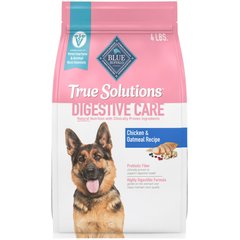
Credit: www.petmd.com
Benefits Of Probiotics For Dogs
Probiotics are beneficial bacteria that play a crucial role in maintaining health. They offer several advantages for dogs, ranging from improved digestion to enhanced behavior. Understanding these benefits can help pet owners make informed decisions about incorporating probiotics into their dogs’ diets.
Digestive Health
Probiotics aid in balancing the gut flora. They help reduce digestive issues like diarrhea and constipation. These beneficial bacteria promote nutrient absorption, ensuring your dog gets the most out of their meals. A healthy gut means a happy dog.
Immune System Support
A strong immune system is essential for overall health. Probiotics boost immune functions by stimulating the production of antibodies. This helps protect your dog against infections and diseases. Regular probiotic intake can lead to fewer vet visits.
Behavioral Improvements
The gut-brain connection is significant in influencing behavior. Probiotics can help reduce anxiety and stress in dogs. A balanced gut may lead to improved mood and behavior. Dogs often become more sociable and relaxed.
Potential Risks Of Human Probiotics
While the idea of sharing your probiotics with your furry friend might sound convenient, it’s essential to consider the potential risks involved. Dogs have different digestive systems compared to humans, and what works for us might not be suitable for them. Understanding these risks can help you make informed decisions about your dog’s health.
Allergic Reactions
Just like humans, dogs can have allergic reactions to certain substances. When you give your dog human probiotics, you expose them to ingredients they might not tolerate well. Symptoms like itching, swelling, or difficulty breathing could indicate an allergy.
Always monitor your dog closely after introducing any new supplement, including probiotics. If you notice any adverse reactions, contact your veterinarian immediately for advice.
Digestive Issues
Human probiotics are designed to cater to the human gut, which differs significantly from a dog’s digestive system. Introducing these probiotics to your dog could lead to digestive issues such as diarrhea or an upset stomach. These are signs that their body might be struggling to process the new bacteria.
Consider the possibility of starting with probiotics formulated specifically for dogs. These products are tailored to meet canine digestive needs, reducing the chance of causing discomfort.
Imbalance In Gut Flora
A balanced gut flora is crucial for your dog’s overall health. Human probiotics might disrupt this balance, potentially leading to more harm than good. An imbalance can weaken their immune system, making them more susceptible to illnesses.
Have you ever wondered if using the wrong probiotics could do more harm than good? It’s crucial to consult your vet before making any changes to your dog’s diet, ensuring you’re supporting their health rather than compromising it.
Consulting A Veterinarian
As more dog owners become aware of the potential benefits of probiotics for their pets, questions about using human probiotics for dogs arise. While it might seem convenient to share your probiotic supplement with your furry friend, it’s crucial to consult a veterinarian before making any decisions. Professional guidance ensures the safety and well-being of your pet, providing tailored advice that caters specifically to their health needs.
Importance Of Professional Guidance
Your veterinarian is a valuable resource when it comes to your dog’s health. They have the knowledge and experience to determine whether probiotics are suitable for your pet and, if so, which type. A vet can also help you understand the differences between human and canine probiotics, ensuring you make an informed choice.
Skipping this step could lead to unintended consequences, as not all probiotics are created equal. You might be tempted to guess or experiment, but this could cause more harm than good. Why risk your pet’s health when expert advice is just a call away?
Tailored Recommendations
Every dog is unique, with distinct health requirements and dietary needs. A veterinarian can provide personalized recommendations based on your dog’s age, breed, and medical history. This tailored approach ensures that your pet receives the most appropriate probiotics, enhancing their gut health without compromising safety.
For instance, a probiotic that works wonders for your neighbor’s Labrador might not be suitable for your Chihuahua. A vet can suggest specific strains and dosages that align with your pet’s individual needs. By consulting a professional, you ensure that your furry companion gets the best care possible, setting them up for a healthier future.
Alternatives To Human Probiotics
Dogs can have specific probiotics tailored to their needs. Human probiotics might not suit canine digestive systems. Consulting a vet is crucial to find safe alternatives for your furry friend.
Exploring alternatives to human probiotics for dogs is crucial. Dogs have different digestive systems. What works for humans may not suit them. Fortunately, there are several options tailored to canine needs. These alternatives help maintain your dog’s gut health.Canine-specific Probiotic Products
Canine-specific probiotic products are designed for dogs. They cater to their unique digestive systems. These products are available in various forms. You can find powders, capsules, and treats. Most contain strains like Lactobacillus and Bifidobacterium. These strains support healthy gut flora in dogs. Some brands add prebiotics to enhance effectiveness. Prebiotics feed the probiotics, boosting their benefits. Always choose products from reputable brands. Check for quality and safety certifications.Natural Food Sources
Natural food sources can offer probiotics for dogs. Yogurt is a popular choice. It contains live cultures that aid digestion. Ensure the yogurt is plain and unsweetened. Sweeteners can harm dogs. Kefir is another excellent option. It’s a fermented milk drink rich in probiotics. Introduce it slowly to your dog’s diet. Small amounts can prevent digestive upset. Some dogs also benefit from fermented vegetables. These include sauerkraut and kimchi, but ensure they’re low in salt. Always consult your vet before adding new foods. They can provide guidance on safe portions.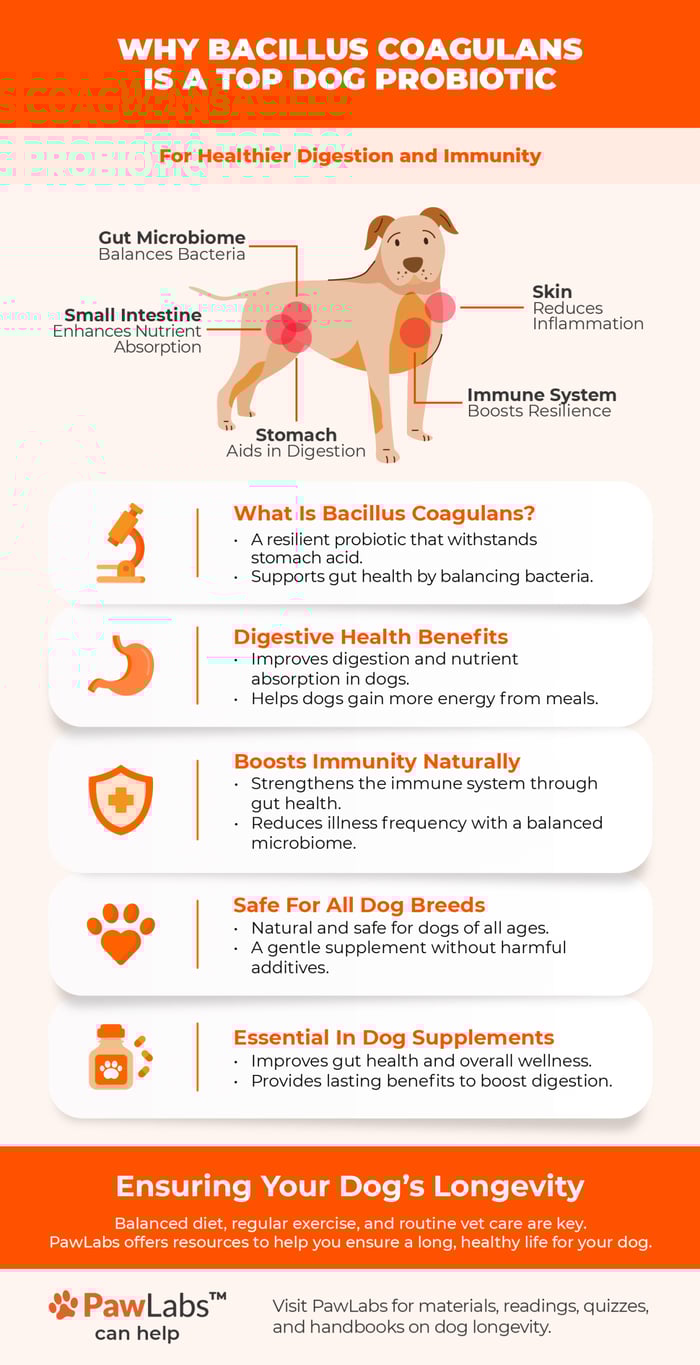
Credit: pawlabs.co
Making An Informed Decision
Deciding if your dog can have human probiotics requires careful thought. Each dog’s health needs are unique. Consider the benefits and risks before making a choice. Understanding how probiotics affect your pet is essential. A well-informed decision can lead to better health for your dog.
Evaluating Benefits Vs. Risks
Weighing the benefits against the risks is crucial. Human probiotics can help dogs with digestive issues. They might improve gut health and boost the immune system. But risks exist too. Not all human probiotics suit dogs. Some strains might cause harm. Side effects like diarrhea or discomfort are possible. Always seek advice from a vet. Their guidance ensures the best choice for your pet.
Monitoring Your Dog’s Health
Observe your dog’s health after giving probiotics. Look for changes in energy levels or digestion. Watch for signs of discomfort or unusual behavior. Regular vet check-ups help track their health progress. Keep a journal of any changes. This record aids in understanding the impact of probiotics. Adjust the probiotic dosage if needed. Always prioritize your dog’s well-being.

Credit: www.instagram.com
Frequently Asked Questions
Can Dogs Safely Consume Human Probiotics?
Dogs can consume human probiotics, but it’s important to consult a vet first. Human probiotics may not address specific canine needs. Some strains might not be effective or safe for dogs. A vet can recommend the best probiotic option tailored for your pet’s health requirements.
What Are The Benefits Of Probiotics For Dogs?
Probiotics can support your dog’s digestive health by balancing gut bacteria. They can aid in better nutrient absorption and enhance the immune system. Additionally, probiotics may help reduce symptoms of diarrhea and improve overall gut health. Always consult a vet for the best advice.
Are There Side Effects Of Giving Dogs Human Probiotics?
Yes, there can be side effects like gas, bloating, or diarrhea. Human probiotics might not suit all dogs due to differences in gut flora. Always start with a small amount and monitor your dog closely. Consulting with a vet ensures the safety and effectiveness of probiotics for your pet.
How Do Probiotics Help Dogs With Digestive Issues?
Probiotics introduce beneficial bacteria into your dog’s gut, aiding digestion. They help maintain a healthy balance of gut flora. This can reduce digestive issues like diarrhea or constipation. Probiotics can also promote overall gut health and improve your dog’s nutrient absorption and immune function.
Conclusion
Dogs can benefit from probiotics. Not all human probiotics suit dogs. Choose wisely. Consider your dog’s needs and health status first. Consult your vet before introducing new supplements. They can guide the best options for your pet. Proper care ensures your dog’s health and happiness.
Always monitor any changes in behavior or digestion. Adjust the diet as needed. Your dog’s well-being is the priority. Keep them active and loved. A balanced gut contributes to a joyful life. Embrace healthy habits for your furry friend. Make informed decisions to support their digestive health.