Do Probiotics Help Dogs With Allergies: A Natural Solution
Senior Canine Nutritionist & Dog Behavior Specialist at Cozy Dog Go Wellness Lab

Imagine seeing your beloved dog scratching endlessly, feeling uncomfortable, and not knowing how to help. If you’re like most dog owners, you’ll do anything to alleviate your furry friend’s discomfort.
Allergies in dogs can be a tricky beast to tackle, and finding the right solution might seem overwhelming. But what if there was a simple addition to their diet that could make a world of difference? You may have heard about probiotics and their benefits for humans, but could they also hold the key to easing your dog’s allergies?
We’ll explore how probiotics might help your dog find relief, boosting their gut health and potentially easing those frustrating allergy symptoms. You’re about to discover an approach that could transform your pup’s life and yours, making playtime enjoyable again and reducing stress. So, if you’re ready to learn how probiotics might be the missing piece in your dog’s allergy puzzle, read on. You won’t want to miss this chance to improve your dog’s health and happiness.

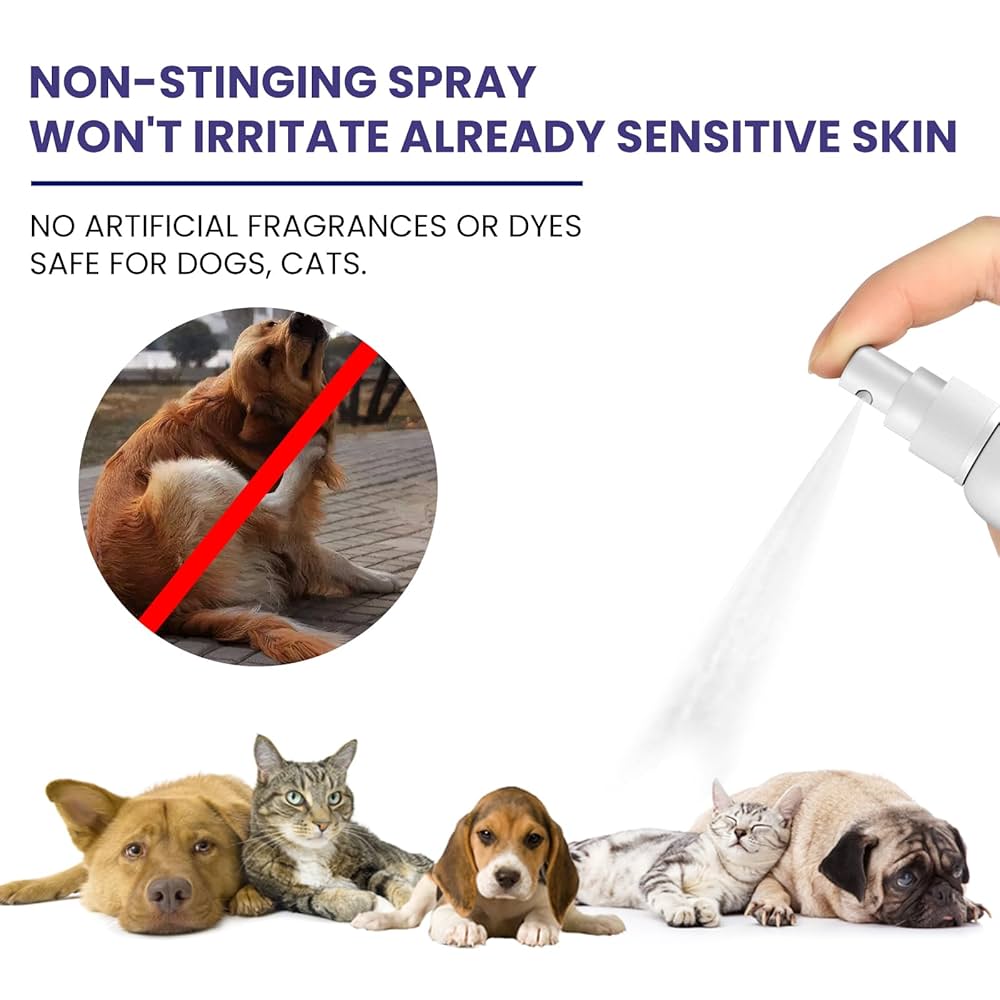
Credit: www.amazon.com
Probiotics And Canine Health
Probiotics have gained popularity among pet owners eager to improve their dogs’ overall health. You might wonder if these beneficial bacteria can also help with your dog’s allergies. The answer lies in understanding how probiotics support canine health, particularly in the digestive system and immune response. By exploring these areas, you can make informed decisions about incorporating probiotics into your dog’s diet.
Role Of Probiotics In Digestive Health
Probiotics play a crucial role in maintaining a healthy gut in dogs. They help balance the good and bad bacteria, promoting smooth digestion and nutrient absorption. This balance can lead to fewer digestive issues like diarrhea or constipation, which are common in dogs with allergies.
Imagine your dog’s stomach as a garden. Just like plants need the right soil, your dog needs a balanced gut to thrive. Probiotics act as the gardener, ensuring that the environment is just right for good bacteria to flourish. This balance can lead to a happier, healthier dog with improved digestion.
Impact On Immune System
The immune system is another area where probiotics can make a difference. A healthy gut is closely linked to a strong immune response, which can help reduce allergy symptoms. When your dog’s gut flora is balanced, their body can better fend off allergens and other threats.
Consider this: a robust immune system is like a well-trained guard dog, ready to protect your pet from harmful invaders. Probiotics help train this guard dog, ensuring that it responds appropriately to allergens. By boosting your dog’s immune system, probiotics can potentially lessen the severity of allergic reactions.
So, have you noticed your dog scratching more than usual? It might be time to think about adding probiotics to their routine. By supporting their digestive and immune health, probiotics could be the key to providing your furry friend with the relief they need.
Common Allergies In Dogs
Dogs, like humans, can be plagued by allergies that affect their health and happiness. Understanding these common allergies can help you better care for your furry friend, ensuring they live a comfortable life. You might be surprised to learn just how many dogs suffer from allergies, whether caused by their environment or the food they eat.
Environmental Allergies
Environmental allergies are quite common in dogs and can be triggered by a variety of factors such as pollen, dust mites, and mold. Imagine your dog itching constantly or having watery eyes every time they go outside. These symptoms can be distressing, but identifying the allergen can help alleviate their discomfort.
Have you noticed your dog sneezing more often or scratching excessively? It might be worth investigating if certain seasons or locations exacerbate these symptoms. Keeping an allergy diary for your dog can be a useful tool. This simple practice helps pinpoint the environmental triggers, allowing you to make adjustments such as changing walking routes or cleaning routines.
Food Allergies
Food allergies in dogs are another common concern, often leading to gastrointestinal issues or skin problems. Your dog might exhibit symptoms like vomiting or diarrhea after meals, indicating a potential food allergy. This is where the detective work begins: trying different foods to see what works best for them.
Switching to hypoallergenic dog food might seem daunting, but it’s a step worth taking. Start by checking ingredient labels and consulting your vet for recommendations. Have you ever considered a homemade diet for your dog? Preparing their meals ensures you know exactly what they’re consuming, potentially reducing allergic reactions.
Symptoms Of Allergies In Dogs
Dogs can suffer from allergies just like humans. Allergies in dogs can cause discomfort and affect their well-being. Understanding the symptoms can help pet owners provide better care. Here are common symptoms of allergies in dogs that every owner should know.
Skin Irritation
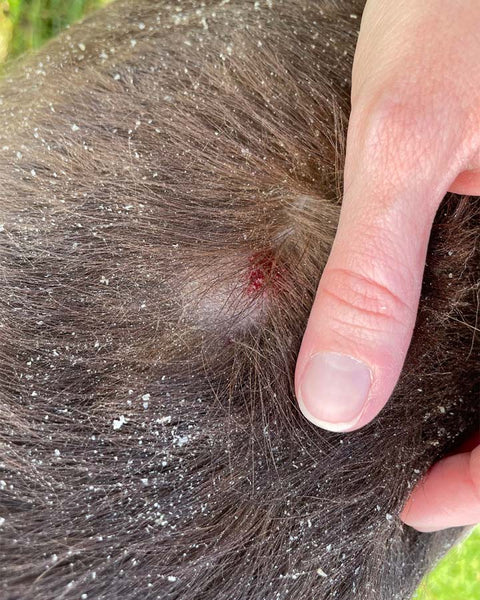
One of the most visible symptoms is skin irritation. Dogs may scratch excessively, causing redness and swelling. Some may develop rashes or hot spots. Hair loss in certain areas is also common. These symptoms often indicate an allergic reaction.
Digestive Issues
Allergies can upset a dog’s stomach. You may notice vomiting or diarrhea. Some dogs experience gas or bloating. Changes in appetite may also occur. These symptoms suggest a digestive reaction to an allergen.
Respiratory Problems
Respiratory issues are less common but still significant. Dogs may sneeze frequently or have a runny nose. Coughing and wheezing can also be signs. These symptoms point to allergies affecting the respiratory system.
How Probiotics Work
Understanding how probiotics work can be a game-changer for your furry friend’s health, especially if they’re grappling with allergies. These beneficial bacteria offer more than just digestive support; they can be pivotal in boosting your dog’s overall well-being. Let’s delve into their fascinating mechanics.
Balancing Gut Flora
Probiotics primarily work by balancing the gut flora, a crucial aspect of your dog’s health. The gut is home to millions of bacteria, both good and bad. When the balance tips towards more harmful bacteria, it can lead to various health issues, including allergies. By introducing probiotics, you help populate the gut with beneficial bacteria, creating a healthier environment.
Have you noticed your dog’s mood change after a meal? This could be linked to their gut health. A balanced gut flora can positively influence their behavior and energy levels, making them feel more vibrant and happy.
Enhancing Immune Response
Another significant way probiotics work is by enhancing your dog’s immune response. A strong immune system is crucial in fighting off allergens that cause discomfort. Probiotics stimulate the production of antibodies, which are essential for combating foreign invaders.
Imagine your dog encountering a pollen-filled park. With a fortified immune system, thanks to probiotics, they are better equipped to handle such allergens without the usual sneezing and itching. Isn’t it fascinating how small bacteria can play such a vital role in your dog’s health?
Considering these insights, have you thought about how you can further support your dog’s health journey? Probiotics might be the missing puzzle piece in their allergy management plan.
Benefits Of Probiotics For Allergic Dogs
Probiotics are beneficial for dogs with allergies. They help maintain a balanced gut. This balance is crucial for improving overall health. Allergic reactions in dogs can be reduced with probiotics. These helpful bacteria offer several benefits for allergic dogs.
Reduction In Allergy Symptoms
Probiotics can lessen allergy symptoms in dogs. They support a healthy immune system. A stronger immune system fights off allergens better. Dogs may experience fewer sneezes and less itching. Probiotics can help minimize inflammation linked to allergies.
Improved Skin Condition
Many allergic dogs have skin issues. Probiotics help improve skin health. They enhance the production of healthy oils. This leads to softer, less irritated skin. Dogs may have fewer rashes and dry patches. Healthy skin reduces discomfort and promotes healing.
Better Digestive Health
Probiotics aid in digestion. They promote a healthy gut flora. This improves nutrient absorption in dogs. A well-functioning gut helps filter out allergens. Dogs with better digestion have more energy. Probiotics can reduce digestive problems linked to allergies.

Credit: pawious.com
Selecting The Right Probiotic
Choosing the right probiotic can help dogs manage allergy symptoms effectively. Probiotics boost the immune system and improve digestion, which may reduce allergic reactions. Opt for a high-quality product tailored to your dog’s needs for optimal results.
Selecting the right probiotic for your dog can seem daunting. Each dog has unique needs, especially those with allergies. Probiotics can support gut health and potentially alleviate allergy symptoms. Choosing the best probiotic involves understanding different types and assessing their quality and efficacy.Types Of Probiotics For Dogs
Probiotics come in various strains and forms. Some common strains include Lactobacillus and Bifidobacterium. These strains help improve digestion and boost immunity. Probiotics are available in powders, capsules, and chews. Each form has its benefits. Powders can be mixed with food easily. Capsules are convenient for precise dosing. Chews are palatable and easy to give.Quality And Efficacy Considerations
Quality matters when selecting probiotics for dogs. Look for products with high CFU counts. CFU stands for Colony Forming Units, indicating the number of live microorganisms. Check for third-party testing and certifications. This ensures the product’s safety and potency. Read reviews from other pet owners. This provides insights into effectiveness and any possible side effects. Avoid probiotics with unnecessary fillers or artificial ingredients. These can harm your dog’s health rather than help.Incorporating Probiotics In Diet
Probiotics may help dogs with allergies by improving gut health and supporting the immune system. Introducing these beneficial bacteria into a dog’s diet can potentially reduce allergic reactions. For many pet owners, this natural approach provides a simple way to enhance their dog’s overall well-being.
Probiotics can be a game-changer for dogs dealing with allergies. Adding these beneficial bacteria to your furry friend’s diet might help improve their immune response and alleviate allergy symptoms. But how exactly can you introduce probiotics into your dog’s meals? Let’s explore some effective ways to do just that.Supplement Options
When thinking about probiotic supplements, you’ll find plenty of choices available. Some come in the form of chewable tablets, while others are powders that you can easily mix into your dog’s food. Choose a supplement that fits your dog’s taste preference and dietary needs. You might want to consult your vet before starting any new supplement. This helps ensure you pick a product that’s both safe and effective for your pet.Homemade Probiotic Recipes
Creating homemade probiotic recipes can be a fun and rewarding way to help your dog. One simple recipe involves adding plain, unsweetened yogurt to their meals. Yogurt contains natural probiotics and can be a tasty treat for many dogs. Another idea is to ferment some vegetables. You can make a small batch of sauerkraut by fermenting cabbage. Just be sure to use a dog-safe recipe without any added salt or seasonings. As you experiment with these recipes, observe how your dog responds. Do they seem to have more energy or fewer allergy symptoms? Your observations can guide you in tailoring their diet further. Incorporating probiotics is not just about health benefits; it’s also an opportunity to bond with your pet and explore new dietary options. Are you ready to try these tips and see the difference in your dog’s life?Potential Side Effects
When considering probiotics for your furry friend, it’s crucial to be aware of the potential side effects. While probiotics can offer numerous benefits, such as helping manage allergies, they can sometimes cause issues. Understanding these possible side effects will help you make a more informed decision for your dog’s well-being.
Digestive Upset
Dogs may experience digestive upset as their system adjusts to probiotics. This can manifest as diarrhea, gas, or bloating. If you notice these symptoms, it might be wise to adjust the dosage or consult your vet.
In my experience, my dog initially had mild diarrhea when starting on probiotics. However, after a few days and a slight adjustment in the dosage, his digestion improved significantly. Pay close attention to your dog’s reactions and don’t hesitate to seek professional advice if symptoms persist.
Allergic Reactions
Ironically, while probiotics help with allergies, they can also trigger allergic reactions in some dogs. Symptoms might include itching, swelling, or respiratory issues. It’s essential to monitor your dog closely, especially if introducing a new product.
Have you ever thought about how different each dog’s system can be? One of my friends found out her dog was allergic to a specific strain of bacteria found in a probiotic. This highlights the importance of being observant and maybe even doing a small test dose initially.
Ultimately, knowing the potential side effects helps you weigh the risks and benefits. Would you be prepared to adjust or stop the probiotic if necessary? Being proactive ensures your dog gets the best care possible.
Consulting With A Veterinarian
When considering probiotics for your dog’s allergies, consulting a veterinarian is crucial. Their expertise ensures your pet receives the best care tailored to their needs. Veterinarians can offer insights into how probiotics might interact with other treatments. They also help determine the most suitable probiotic strains for your dog. This guidance helps avoid potential adverse effects and ensures a holistic approach to your pet’s health.
Importance Of Professional Advice
Veterinarians understand the complexities of canine allergies. Their knowledge helps identify underlying issues that probiotics can address. Probiotic benefits vary, and professional advice ensures effective application. They assess allergy symptoms and recommend complementary treatments. This personalized approach boosts the chances of improving your dog’s health.
Monitoring Dog’s Health
Regular check-ups are essential when using probiotics for allergies. Veterinarians monitor progress and adjust treatments as needed. Observing any changes in your dog’s condition ensures timely interventions. This monitoring helps detect any negative reactions early. It also provides valuable information to enhance your dog’s allergy management plan.

Credit: www.amazon.com
Frequently Asked Questions
What Are Probiotics For Dogs?
Probiotics are beneficial bacteria that support gut health in dogs. They aid digestion and enhance the immune system. These microorganisms help balance the gut flora, promoting better nutrient absorption. They can be found in supplements or certain foods, helping dogs maintain overall wellness.
Can Probiotics Reduce Dog Allergies?
Probiotics may help reduce dog allergies by improving gut health. A balanced gut can influence immune responses. This can reduce allergic reactions. They strengthen the intestinal barrier and potentially decrease inflammation, offering relief from allergy symptoms in some dogs.
How Do Probiotics Improve Dog Skin Health?
Probiotics enhance skin health by balancing gut bacteria, reducing inflammation. A healthy gut can prevent skin issues linked to allergies. These beneficial bacteria may reduce itchiness and irritation, promoting healthier skin and coat. Regular use can lead to noticeable improvements.
Are Probiotics Safe For All Dogs?
Probiotics are generally safe for most dogs, but consult your vet first. Each dog has unique health needs. Some may have sensitivities or conditions requiring specific probiotic strains. Veterinarian guidance ensures safe and effective use, tailored to individual requirements.
Conclusion
Probiotics can support dogs with allergies. They help boost the immune system. A healthy gut may ease allergy symptoms. Not all probiotics work the same. Consult your vet before starting any supplement. Consider your dog’s specific needs. Every dog is different.
Some might see significant changes. Others might not. Consistency is key for any treatment. Monitor your dog’s progress closely. Adjust as necessary with professional guidance. Probiotics are not a cure-all. Yet, they can be a helpful addition. A step towards better health and comfort for your dog.

Similar Posts