How to Brush a Dog’s Teeth: A Step-by-Step Guide
Senior Canine Nutritionist & Dog Behavior Specialist at Cozy Dog Go Wellness Lab
Imagine your dog flashing a big, healthy smile, free from plaque and bad breath. That’s not just a dream.
It’s achievable with the right care. Brushing your dog’s teeth might seem daunting, but it’s crucial for their well-being. You want your furry friend to live a long, happy life, and dental health plays a huge part in that. Just like humans, dogs can suffer from gum disease and tooth decay.
By brushing their teeth, you’re doing more than just fighting bad breath; you’re preventing serious health issues. Curious about how to make this a stress-free routine? You’ve come to the right place. Let’s dive in and discover how you can master the art of brushing your dog’s teeth, ensuring their smile stays bright and their health stays top-notch.
Credit: dogtime.com
Benefits Of Brushing A Dog’s Teeth
How to Brush a Dog’s Teeth Regular brushing keeps a dog’s teeth healthy and reduces the risk of gum disease. It also prevents bad breath and tartar buildup, ensuring a happier, healthier pet.
Brushing your dog’s teeth may not be the most glamorous task on your pet care checklist, but its benefits are immense. Just like humans, dogs need regular dental care to maintain overall health. Neglecting their dental hygiene can lead to a host of problems, from bad breath to serious health issues.Improved Oral Health
Regular brushing helps prevent the buildup of plaque and tartar. This not only keeps your dog’s teeth clean but also significantly reduces the risk of oral diseases. Healthy gums and teeth mean your dog is less likely to suffer from painful tooth decay or infections.Fresher Breath
Bad breath in dogs is often a sign of poor dental hygiene. By brushing your dog’s teeth, you can combat this issue effectively. Your pup’s breath will be noticeably fresher, making those close moments much more pleasant.Prevention Of Serious Health Problems
Did you know that poor dental health can lead to more serious health issues in dogs? Bacteria from periodontal disease can enter the bloodstream and affect vital organs like the heart and kidneys. Regular brushing acts as a preventive measure against these potential risks.Cost Savings On Veterinary Bills
Preventive care is always cheaper than treatment. By maintaining your dog’s dental health, you reduce the likelihood of needing costly veterinary procedures. Investing a few minutes regularly can save you significant expenses in the long run.Longer, Happier Life
Dental hygiene directly impacts your dog’s overall well-being and longevity. A healthy mouth often leads to a healthier life, allowing your furry friend to enjoy more active years. Isn’t that what every pet owner wants? Have you ever noticed how much your dog’s mood improves after a good brushing session? It’s not just about clean teeth; it’s about enhancing their quality of life. So, why wait? Make tooth brushing a regular routine for your beloved pet.Choosing The Right Tools
Brushing your dog’s teeth is crucial for their overall health, but choosing the right tools can make all the difference. The correct brush and toothpaste not only ensure effective cleaning but also make the experience more pleasant for your furry friend. Let’s dive into how you can make the best choices for your dog’s dental care.
Selecting A Dog Toothbrush
Not all toothbrushes are created equal, especially for dogs. Look for a brush specifically designed for canine mouths. They often have softer bristles and an angled head to reach those tricky spots.
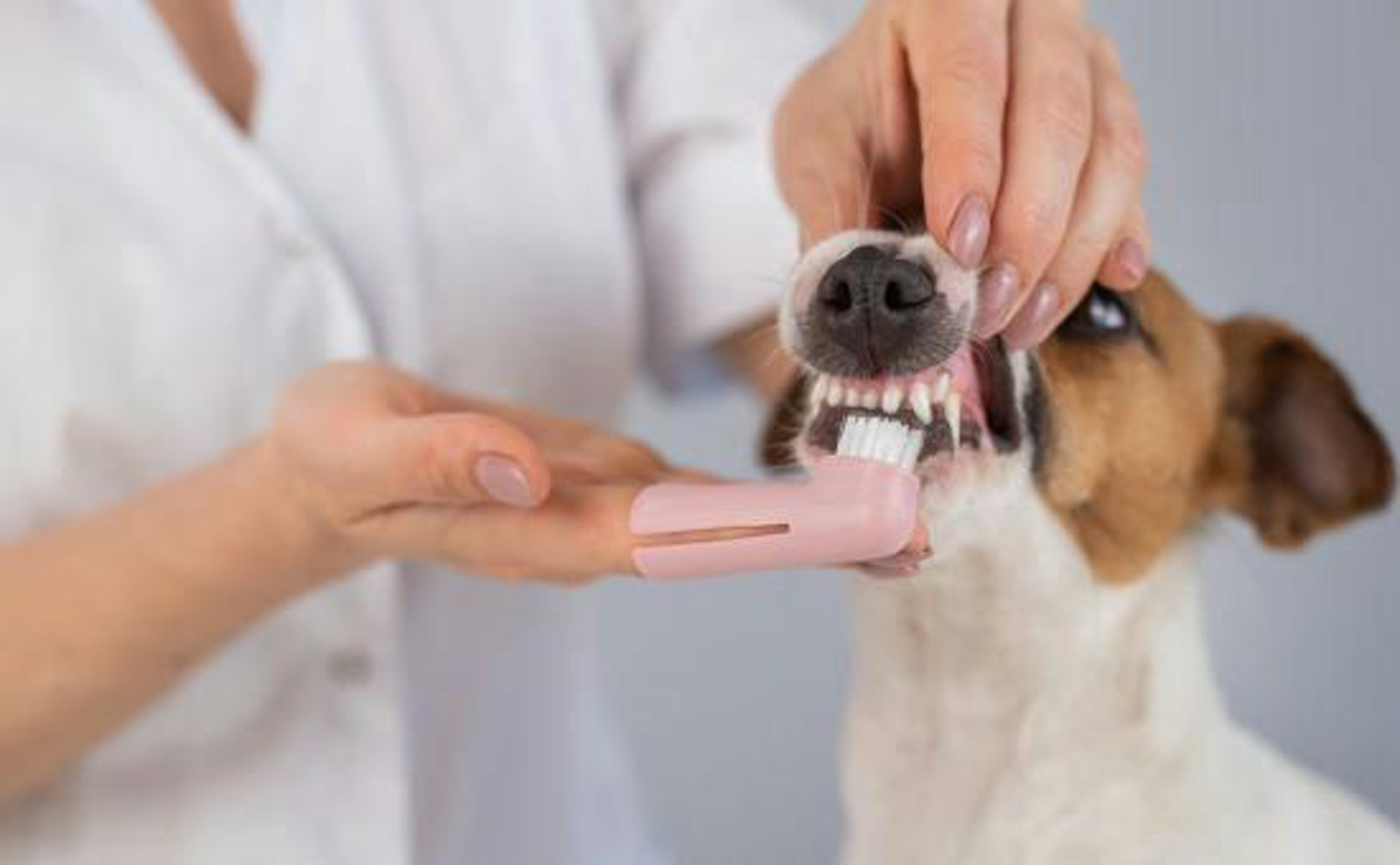
If your dog is small or has a sensitive mouth, consider a finger brush. It fits over your finger, giving you more control and a gentle touch. For larger dogs, a longer handle might be more effective.
Take your dog’s size and temperament into account. A brush that’s too big or too small can make the process uncomfortable for both of you. Have you ever tried brushing with the wrong size? It’s not fun!
Picking Dog-friendly Toothpaste
Human toothpaste is a no-go for dogs. It contains ingredients that can be harmful if swallowed. Instead, opt for dog-friendly toothpaste, which is safe and often flavored to entice your pup.
Flavors like chicken or beef can make tooth brushing feel like a treat rather than a chore. Have you ever noticed how your dog perks up at the smell of their favorite snack? The right toothpaste can have a similar effect.
Check the label for enzymatic formulas, which help break down plaque and tartar. This ensures you’re not just freshening breath but also maintaining oral health. Your dog’s dental routine shouldn’t be stressful—choose tools that make it easy and enjoyable.
Preparing Your Dog
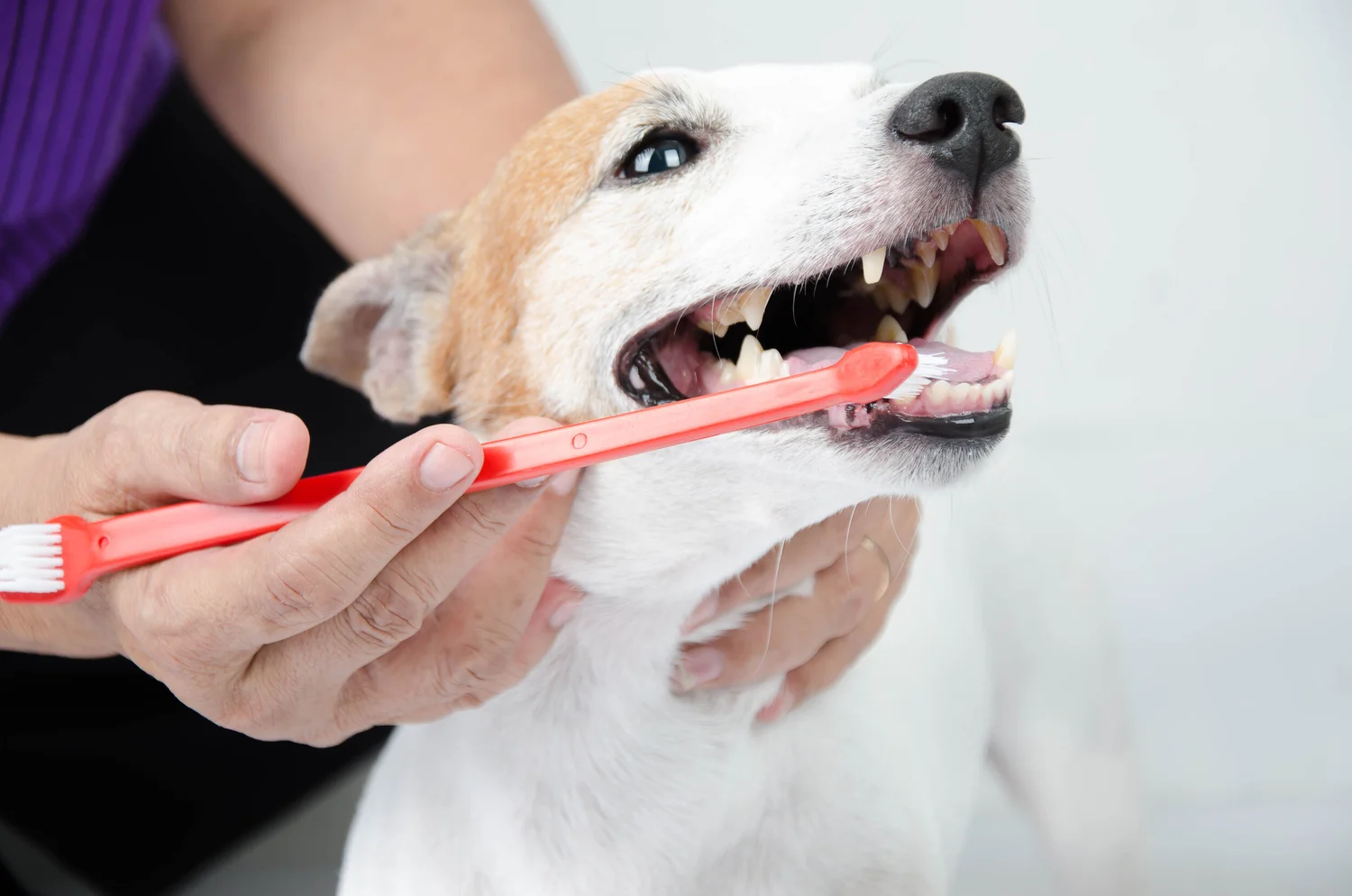
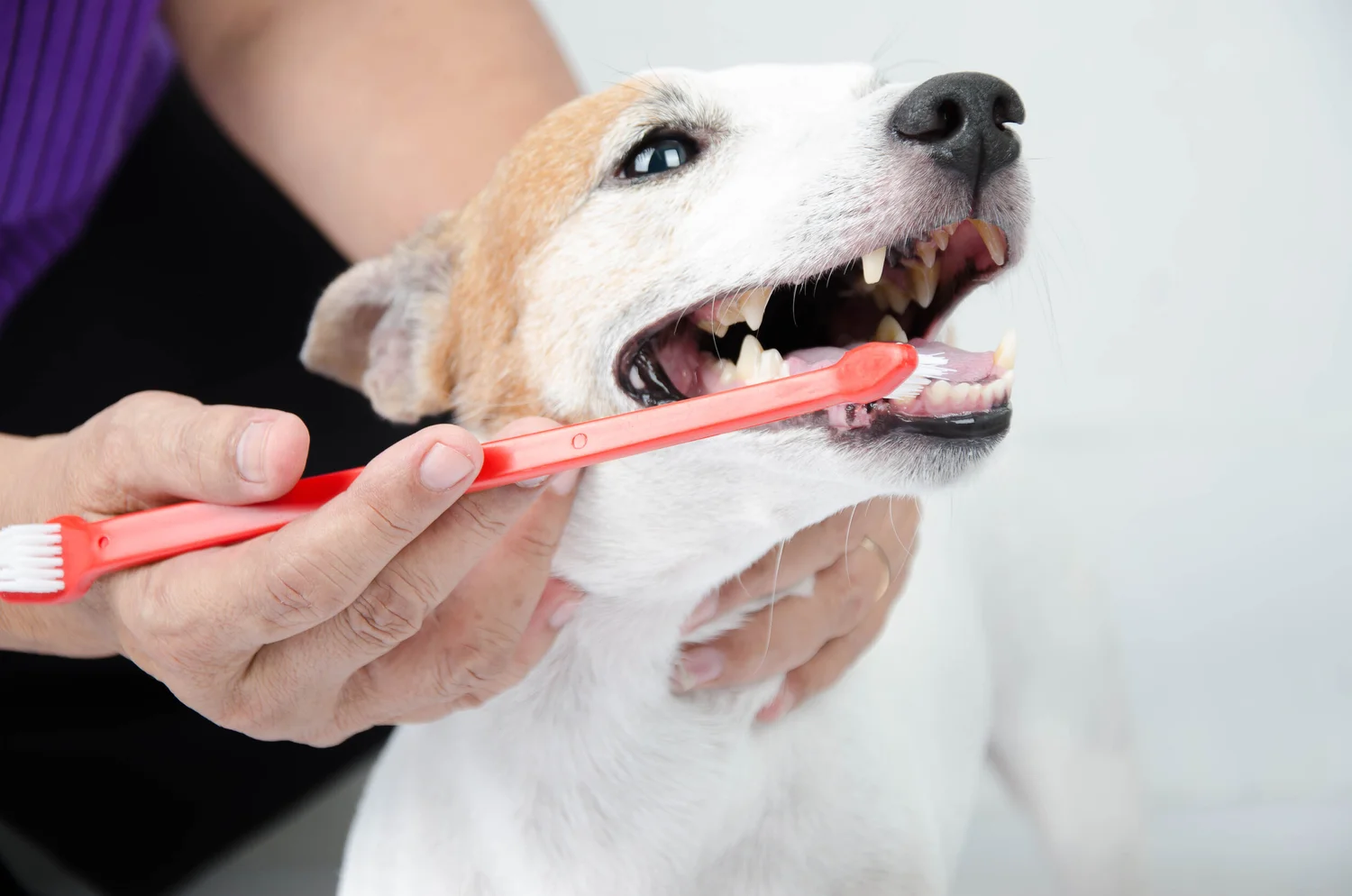
Getting your dog comfortable with tooth brushing is vital for their dental health. Begin by using a dog-friendly toothbrush and toothpaste. Gently lift their lips and brush in small circles to clean their teeth effectively.
Preparing Your Dog Brushing your dog’s teeth might seem daunting at first. But with a little preparation, it can become a bonding activity that benefits both you and your furry friend. A calm and positive start will pave the way for smoother brushing sessions.Getting Your Dog Comfortable
Begin by familiarizing your dog with the toothbrush and toothpaste. Let them sniff and taste the toothpaste, which often comes in flavors like chicken or peanut butter. This makes the experience more enjoyable for your pet. Next, gently touch their muzzle and lips with your fingers. Gradually introduce the toothbrush by lightly brushing their teeth without any paste. This helps your dog get used to the sensation before the full brushing routine. Have you ever noticed how dogs respond to a calm voice? Speak softly and offer praise, reinforcing that this is a positive experience. Patience is key; rushing the process can lead to resistance.Establishing A Routine
Choose a time when your dog is relaxed, such as after a walk or playtime. Consistency will help your dog know what to expect. Aim for a routine that fits your lifestyle. Whether it’s daily or a few times a week, the key is to maintain regularity. Make the routine enjoyable. Incorporate treats or a play session afterward as a reward. This positive reinforcement will have your dog looking forward to their dental care. Consistency and patience will turn tooth brushing into a simple part of your dog’s life. How will you make this a fun and rewarding experience for your pet?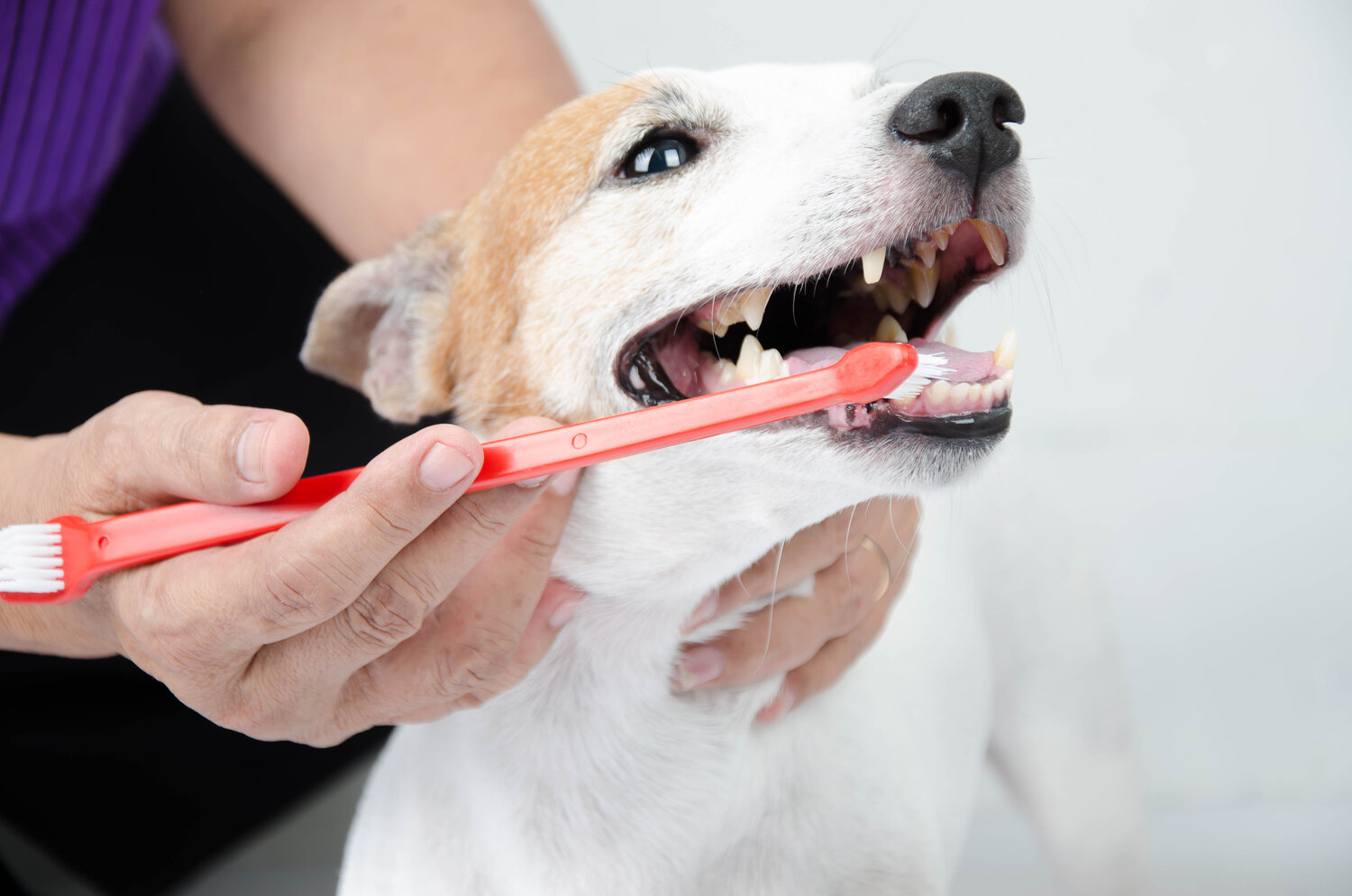
Credit: www.woofpurnayvet.com.au
Step-by-step Brushing Process
Brushing your dog’s teeth is crucial for their oral health. Regular cleaning prevents plaque buildup and gum disease. Follow this step-by-step process to ensure your dog’s teeth stay clean and healthy.
Starting With Small Sessions
Begin by introducing the toothbrush gradually. Let your dog sniff and lick the brush. Use dog-friendly toothpaste for taste and safety. Start with short sessions to build comfort and trust. Aim for just a few seconds at first. Reward them with treats or praise after each session.
Proper Brushing Technique
Hold the brush at a 45-degree angle. Gently brush in circular motions. Focus on the gum line where plaque accumulates. Brush a few teeth at a time, gradually covering all areas. Use gentle strokes to avoid discomfort. Consistency is key, so aim for daily brushing.
Paying Attention To Gums
Healthy gums are pink and firm. Be gentle around the gum area. Check for redness or swelling, which could indicate gum disease. Use the brush to massage the gums lightly. This stimulates blood flow and promotes health. If your dog shows signs of pain, consult a vet.
Dealing With Resistance
Introducing a toothbrush gradually helps the dog feel comfortable. Use gentle movements to avoid stress. Reward with treats and praise to reinforce positive behavior.
Dealing with resistance while brushing your dog’s teeth can be challenging. Dogs often dislike having their mouths handled. This can make dental care a struggle. But with patience, you can make the process easier. Understanding your dog’s behavior is key. This section will guide you through calming techniques and reward strategies.Calming Your Dog
Start by creating a relaxed environment. Choose a quiet space without distractions. Speak softly to your dog. Use a gentle tone to reassure them. Pet them calmly to build trust. Take breaks if your dog shows stress. Give them time to adjust to the routine.Using Treats And Rewards
Offer treats as positive reinforcement. Give a treat before starting the brushing. This creates a positive association. Use their favorite treats for extra motivation. Reward them after each successful brushing session. Praise them with words or gentle petting. Celebrate their cooperation with extra playtime. Keep the experience fun and rewarding.
Credit: dogtrotting.net
Frequency And Maintenance
Brush your dog’s teeth at least two to three times a week. Use a dog-friendly toothbrush and toothpaste to ensure effective cleaning. Regular brushing helps prevent plaque buildup and keeps your pet’s mouth healthy.
Brushing a dog’s teeth regularly is essential for their health. Proper frequency and maintenance can prevent dental issues. Learn how often you should brush and monitor your dog’s dental health.How Often To Brush
Brush your dog’s teeth at least three times a week. This keeps plaque buildup minimal. Daily brushing is even better for their oral health. Make it a routine so your dog gets used to it. Use a dog-specific toothbrush and toothpaste. Human toothpaste can be harmful to dogs.Monitoring Dental Health
Check your dog’s mouth weekly for any signs of trouble. Look for red gums or bad breath. These can be signs of dental issues. Regular vet check-ups are crucial for their dental health. Your vet can spot problems early. Early detection can save your dog from pain and costly treatments. Consistent care ensures your dog’s teeth stay healthy. Keep brushing and monitoring.Frequently Asked Questions
How Often Should I Brush My Dog’s Teeth?
Brushing your dog’s teeth daily is ideal for maintaining oral health. At a minimum, aim for three times a week. Regular brushing helps prevent plaque buildup and gum disease. Always use dog-specific toothpaste to ensure safety and effectiveness.
What Tools Do I Need To Brush My Dog’s Teeth?
You’ll need a dog toothbrush and dog-specific toothpaste. Dog toothbrushes have soft bristles and angled heads for easy access. Never use human toothpaste, as it’s harmful to dogs. Dental wipes or finger brushes can be alternatives for dogs resistant to toothbrushes.
How Do I Make My Dog Comfortable With Brushing?
Start slowly by letting your dog sniff and taste the toothpaste. Gradually introduce the toothbrush by gently rubbing their gums. Praise and reward your dog with treats after each session. Consistency and patience are key to making brushing a positive experience.
Can I Use Human Toothpaste On My Dog?
No, human toothpaste can be toxic to dogs due to fluoride and other ingredients. Always use toothpaste designed specifically for dogs. These are safe and come in pet-friendly flavors like chicken or beef. This ensures your dog’s safety and makes brushing more appealing.
Conclusion
Brushing your dog’s teeth keeps them healthy and happy. Regular brushing prevents plaque and bad breath. Use a dog-friendly toothbrush and toothpaste. Start slowly. Reward your dog with treats after brushing. Consistency is key. Brush their teeth at least three times a week.
A clean mouth means a healthier dog. Plus, it saves on vet bills. Make it a part of your routine. Your dog will thank you. Remember, healthy teeth lead to a happy life for your furry friend. So, keep those tails wagging and smiles bright!

Similar Posts