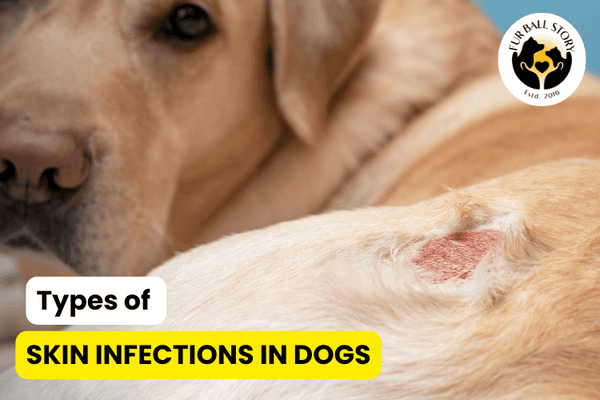
How to Help Dry Itchy Skin on Dog: Effective Remedies
Senior Canine Nutritionist & Dog Behavior Specialist at Cozy Dog Go Wellness Lab
Your furry friend is more than just a pet; they’re part of your family. Seeing them uncomfortable with dry, itchy skin can be distressing.
You want to help, but where do you start? Understanding the causes and finding the right solutions can make a world of difference for your dog’s comfort and happiness. Imagine the relief you’ll feel when your dog is no longer scratching or biting their skin, able to enjoy their day without irritation.
This guide will walk you through practical steps to soothe your dog’s skin and prevent future discomfort. Are you ready to bring back your dog’s wagging tail and joyful spirit? Let’s dive in and discover how you can make life better for your beloved companion.
Causes Of Dry Itchy Skin In Dogs
Dry, itchy skin in dogs can be a real discomfort for your furry friend and a puzzle for you. It’s essential to understand the root causes to effectively address this issue. Several factors contribute to dry skin, and pinpointing them can help you provide the right care for your dog. Let’s delve into these causes to better understand how you can help your pet.
Environmental Factors
Changes in weather or humidity can wreak havoc on your dog’s skin. Just like humans, dogs can experience dry skin during cold winter months or in heated indoor environments. If you’ve recently moved or the seasons have changed, consider how these environmental shifts could be affecting your dog’s skin.
Think about the surfaces your dog walks on; rough surfaces can contribute to skin irritation. Have you noticed your dog’s skin condition changing after walks in a particular area?
Dietary Influences
Your dog’s diet plays a crucial role in skin health. Lack of essential fatty acids like omega-3 and omega-6 can lead to dryness. Ensure your dog’s food is balanced and includes nutrients that support healthy skin.
Have you recently changed your dog’s food? Sometimes, an abrupt switch can lead to a skin reaction. Monitor dietary changes closely and consider consulting a vet for advice on the best diet for skin health.
Parasites And Allergens
Parasites such as fleas and mites can be a major cause of itchy skin. Regular checks and preventative treatments are key. If your dog is scratching excessively, inspect their fur for signs of infestations.
Allergens from pollen, dust, or even certain cleaning products can lead to skin irritation. Have you introduced new household items or noticed seasonal allergies? These could be impacting your dog’s skin.
Medical Conditions
Underlying medical conditions like hypothyroidism or skin infections can cause dry skin. If you’ve ruled out environmental and dietary factors, it’s important to consult a vet. They can perform tests to diagnose any medical issues.
Has your dog been experiencing other symptoms alongside dry skin? These could be clues to a deeper health concern that needs addressing.
By understanding these causes, you’re better equipped to tackle your dog’s dry skin effectively. Always consider a combination of factors and consult professionals when necessary to ensure your furry friend stays happy and healthy.
Credit: www.skoutshonor.com
Signs Of Dry Itchy Skin
Dogs can suffer from dry, itchy skin just like humans. Recognizing the signs early can help alleviate discomfort. Knowing what to look for can make a big difference in your dog’s health and happiness.
Visible Symptoms
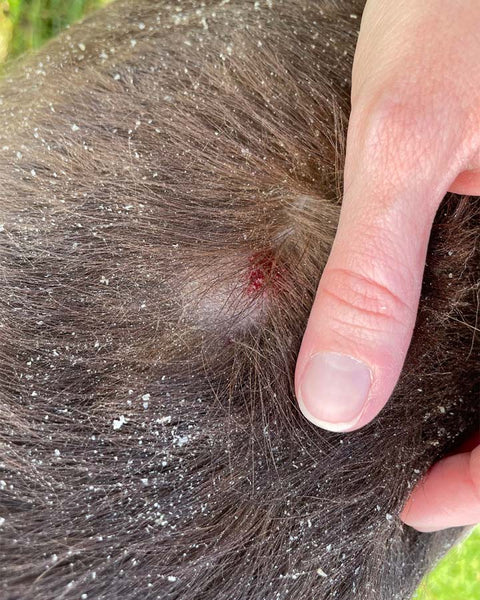
Dry skin often shows clear signs. You might notice redness or flakiness. Look for dandruff-like flakes on your dog’s fur. These are common indicators of skin issues. Another visible sign is hair loss. Patches of fur may be missing or thin.
Check for inflamed skin areas. These can appear sore or swollen. Scratching can lead to scabs or open wounds. Keep an eye out for these physical changes. They signal your dog’s skin might be irritated.
Behavioral Changes
Dry itchy skin affects behavior. Excessive scratching is a key sign. Your dog may scratch constantly or more than usual. This is often a reaction to discomfort. Licking or biting skin is another clue. Dogs often do this to relieve itchiness.
Pay attention to your dog’s mood. They may seem restless or agitated. A dog with itchy skin might rub against furniture or carpet. These behavioral changes signal your dog is trying to soothe their skin.
Natural Remedies For Relief
Alleviate your dog’s dry, itchy skin with natural remedies like oatmeal baths and coconut oil. Regularly brushing their coat helps, too. These methods soothe irritation and hydrate skin, offering relief.
Natural remedies can offer soothing relief for your dog’s dry, itchy skin. These options are not only effective but also gentle on your pet. Let’s explore some simple, natural methods to bring comfort and healing to your furry friend.Oatmeal Baths
Oatmeal baths calm irritated skin. Start by grinding plain oatmeal into a fine powder. Mix it with warm water in your dog’s bath. Let your dog soak for 10 to 15 minutes. Oatmeal reduces inflammation and itchiness. It acts as a natural cleanser and moisturizer.Aloe Vera Application
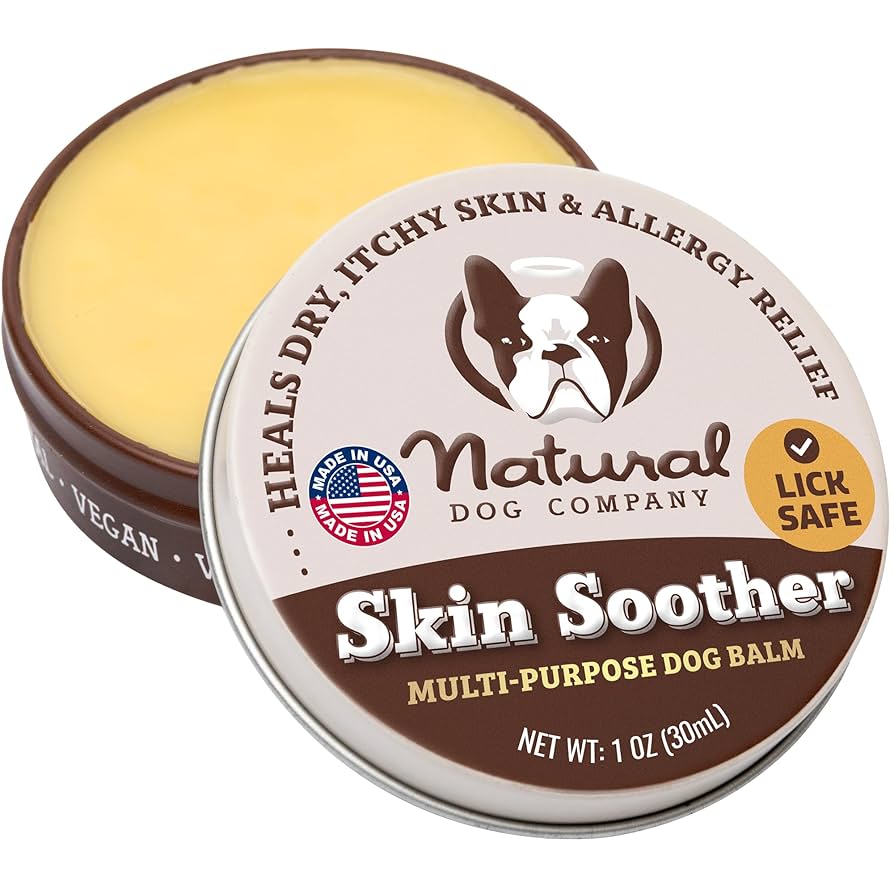
Aloe vera heals and soothes dry patches. Use pure aloe vera gel, free from additives. Apply a thin layer to the affected areas on your dog’s skin. Aloe vera reduces redness and irritation. It also provides a cooling effect that your dog will appreciate.Coconut Oil Treatment
Coconut oil moisturizes and nourishes the skin. Take a small amount of organic coconut oil. Gently massage it into your dog’s itchy spots. This oil is rich in healthy fats that hydrate the skin. It also has antibacterial properties to prevent infections.
Credit: www.pawparentacademy.com
Dietary Changes For Skin Health
Dietary Changes for Skin Health Switching your dog’s diet can improve dry, itchy skin. Add omega-3 fatty acids and vitamin E to reduce inflammation. Ensure they get enough water to stay hydrated, promoting healthier skin.
Dietary changes can greatly improve your dog’s skin health. A balanced diet not only supports overall wellness but also helps alleviate dry, itchy skin. Including essential nutrients can make a noticeable difference in your dog’s skin condition. Let’s explore some vital dietary components.Omega-3 Fatty Acids
Incorporate omega-3 fatty acids into your dog’s diet. These healthy fats help reduce inflammation. They promote softer skin and a shinier coat. Fish oil supplements are a good source. They can be easily mixed with your dog’s food. Regular intake leads to visible improvements in skin texture.Hydration Importance
Proper hydration is crucial for skin health. Ensure your dog has access to fresh water. Hydrated skin is less prone to dryness and irritation. Wet food can also boost hydration levels. Consider adding broth to meals. This keeps skin supple and reduces itchiness.Balanced Nutrition
A balanced diet supports overall health. It should include proteins, carbohydrates, vitamins, and minerals. Quality dog food provides essential nutrients. Check labels for a balanced composition. Avoid fillers and artificial additives. These can worsen skin issues. A nutritious diet enhances skin resilience and vitality.Over-the-counter Solutions
Over-the-counter shampoos and moisturizers can soothe dry, itchy skin in dogs. Opt for products with oatmeal or aloe vera. Regular application ensures hydration and relief for your furry friend.
If your furry friend is constantly scratching and you’re worried about their dry, itchy skin, know that you’re not alone. Many dog owners face this challenge, and fortunately, there are effective over-the-counter solutions to bring your pet some much-needed relief. From medicated shampoos to topical creams, these products can ease your dog’s discomfort and improve their skin health. Let’s dive into some of the most popular and accessible options available.Medicated Shampoos
Medicated shampoos are often the first line of defense against dry, itchy skin in dogs. These shampoos contain ingredients specifically formulated to soothe irritation and moisturize the skin. Look for shampoos with oatmeal, aloe vera, or hydrocortisone, which are known for their soothing properties. Using medicated shampoo is simple: just follow the instructions on the label. Typically, you’ll want to lather your dog thoroughly, let it sit for a few minutes, and then rinse well. Regular use can significantly reduce itching and promote healthier skin. Have you noticed any improvement after switching to a medicated shampoo? If so, consider keeping a journal to track changes and find the most effective product for your pup.Topical Creams
Topical creams are another excellent way to address localized areas of irritation. These creams often contain anti-inflammatory and moisturizing agents that provide immediate relief. They’re perfect for those persistent itchy spots that your dog just can’t seem to leave alone. When applying a topical cream, ensure the affected area is clean and dry. Gently rub the cream into the skin and distract your dog for a few minutes to allow the product to absorb. Some creams may require reapplication, so follow the packaging instructions closely. Think about how often your dog scratches specific areas. Could a topical cream help target those spots directly? Observing your dog’s habits can guide you in choosing the right product. By exploring these over-the-counter solutions, you can take practical steps to alleviate your dog’s discomfort. Which option do you think will work best for your furry friend?When To Consult A Veterinarian
Consult a veterinarian if your dog’s dry, itchy skin worsens or persists despite home remedies. Persistent scratching, redness, or sores need professional attention to avoid infections. Regular check-ups can ensure your pet’s skin health and comfort.
Helping your furry friend with dry, itchy skin can feel like a never-ending battle. You’ve tried different shampoos, changed their diet, and even added supplements. But sometimes, despite your best efforts, nothing seems to work. That’s when it’s crucial to know when to consult a veterinarian. A professional can offer insights and solutions that you might not have considered.Persistent Symptoms
If your dog’s dry, itchy skin persists for more than a couple of weeks, it’s time to consult a vet. Constant scratching, licking, or biting at their skin can lead to infections or open sores. A veterinarian can determine if there’s an underlying issue that requires medical intervention. Pay attention to any changes in your dog’s behavior or energy levels. Are they less playful or eating less than usual? These could be signs that their skin issues are more than just a surface problem.Underlying Health Issues
Sometimes, dry, itchy skin is a symptom of a deeper health issue. Conditions like allergies, hormonal imbalances, or infections can manifest as skin problems. A vet can run diagnostic tests to pinpoint the exact cause. Consider any recent changes in your dog’s environment or diet. Have you introduced new cleaning products or foods? Sharing this information with your vet can help them identify potential triggers or allergens. Keeping an eye out for these signs and acting promptly can make all the difference in your dog’s comfort and health. Your vet is your partner in ensuring your pet’s well-being, offering expertise that goes beyond home remedies.Preventive Measures For Skin Health
Dry, itchy skin in dogs can be a persistent issue that affects their overall well-being. By taking preventive measures, you can significantly enhance your dog’s skin health, ensuring their comfort and happiness. Let’s explore some practical strategies that can make a difference.
Regular Grooming
Grooming isn’t just about keeping your dog looking good; it’s essential for their skin health. Regular brushing helps remove loose fur and dirt, which can irritate the skin. It also stimulates natural oils that keep the skin moisturized.
Imagine the joy of bonding with your pet during grooming sessions, while simultaneously improving their health. Using a quality brush suited to your dog’s coat type can make grooming a pleasurable experience for both of you.
Consider scheduling regular grooming sessions. This habit can prevent matting and promote healthy skin circulation. After all, a well-groomed dog is a happy dog!
Environmental Control
Your dog’s environment plays a crucial role in their skin health. Dry air, especially during winter months, can exacerbate skin issues. Investing in a humidifier can help maintain moisture levels in your home.
Think about where your dog spends most of their time. Is the bedding clean? Are they exposed to harsh cleaning chemicals? Keeping these factors in check can minimize skin irritations.
Also, make note of any plants or allergens your dog might be sensitive to. A small change in their environment could mean a big improvement in their skin condition.
Routine Vet Check-ups
Regular visits to the vet are not just for vaccinations. These check-ups can help identify skin problems before they become serious. A vet can provide insights on the best nutrition and care practices for your dog’s skin type.
Have you ever noticed a minor issue that escalated quickly? Routine vet visits can prevent this. Your vet can recommend supplements or topical treatments tailored to your dog’s needs.
Engage your vet in conversations about your dog’s skin health. Ask questions and share observations. This proactive approach can lead to effective prevention strategies.
By implementing these preventive measures, you can take a proactive role in ensuring your dog’s skin remains healthy and itch-free. What steps will you take today to enhance your furry friend’s comfort?

Credit: www.amazon.com
Frequently Asked Questions
How Can I Soothe My Dog’s Dry Skin?
To soothe your dog’s dry skin, use a moisturizing dog shampoo. Consider adding omega-3 fatty acids to their diet. Regular grooming helps distribute natural oils, improving skin health. Ensure your dog stays hydrated, as water is vital for skin moisture.
What Home Remedy Can Relieve Dog’s Itchy Skin?
Oatmeal baths can relieve your dog’s itchy skin. Simply grind oatmeal and mix it with warm water. Let your dog soak for 10 minutes. This natural remedy soothes and hydrates dry, irritated skin, providing relief.
Why Is My Dog’s Skin Dry And Flaky?
Dry and flaky skin in dogs can result from allergies, poor diet, or dehydration. Environmental factors like cold weather can also contribute. It’s essential to consult a vet for a proper diagnosis and treatment plan.
Can Diet Affect My Dog’s Skin Health?
Yes, diet significantly impacts your dog’s skin health. A balanced diet with essential fatty acids supports healthy skin. Ensure your dog receives adequate vitamins and minerals. Quality dog food can prevent skin issues like dryness and itchiness.
Conclusion
Caring for a dog’s dry, itchy skin is essential. Simple steps help a lot. Regular baths and grooming soothe irritation. Use gentle, dog-friendly products. Check for allergies, adjusting diet if needed. Keep your pet hydrated. Moisturizers can offer relief. Consult a vet for persistent issues.
They provide expert advice. A healthy skin means a happy dog. Your furry friend deserves comfort. Small changes make a big difference. Stay attentive to their needs.

Similar Posts