When the winter months roll in and snowflakes begin to blanket the ground, you might find yourself wondering, “Do dogs need boots in snow?” It’s a question that tugs at the heartstrings of every dog owner.
After all, your furry friend’s comfort and safety are top priorities. You wouldn’t want to step outside into the freezing cold without your warm boots, right? So, should your pup be any different? This article dives into the science and sentiment behind protecting those adorable paws during winter walks.
You’ll discover whether canine boots are a necessity or just a fashion statement. Stay with us as we explore how you can ensure your pet stays happy and healthy, no matter how frosty it gets outside. Your dog’s paws will thank you!
Credit: www.miamiherald.com
Benefits Of Dog Boots In Winter
Dog boots protect paws from cold snow and ice. They prevent injuries from sharp objects hidden under snow. Comfortable boots keep paws warm, reducing frostbite risk.
The winter months can be harsh on our furry friends. Dog boots can offer significant benefits during this chilly season. They provide more than just a fashion statement. Let’s explore why dog boots are essential in winter.Protection From Cold
Dog boots keep paws warm and dry. Cold surfaces can cause discomfort. Boots act as a barrier against frostbite. They also help in keeping the paws dry from snow. Wet paws can lead to colds and other issues. With boots, your dog enjoys longer playtime in the snow.Preventing Injuries
Snow can hide sharp objects. Boots protect against cuts and scratches. Salt used on roads can irritate paws. Boots shield paws from harmful chemicals. They also provide better grip on slippery surfaces. This reduces the risk of falls and injuries.
Credit: www.thedogwalksme.com
Types Of Dog Boots
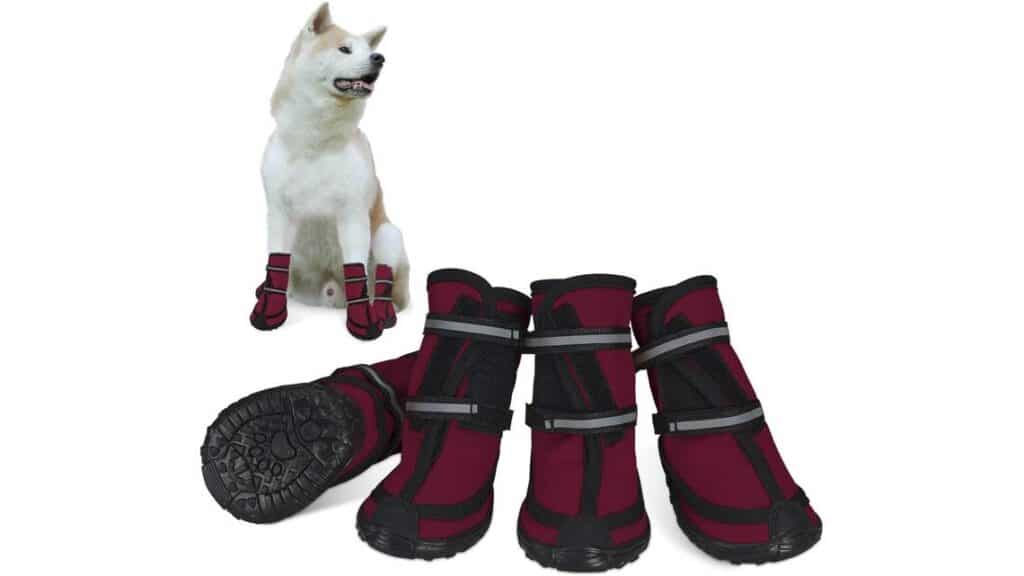
Dog boots protect paws from cold, ice, and salt in snowy conditions. Different types include waterproof, insulated, and rubber-soled boots. They offer warmth, traction, and protection against harsh elements.
Dog boots are essential when it comes to protecting your furry friend’s paws from the harsh elements of snow. But with so many options available, how do you know which type is best for your dog? Understanding the different types of dog boots can help you make a more informed decision. Let’s dive into the various types of dog boots that cater specifically to snowy conditions.Waterproof Boots
Waterproof boots are a must-have for snowy adventures. They keep your dog’s paws dry, preventing discomfort and cold-related injuries. Imagine taking your dog for a walk after a fresh snowfall. You want them to enjoy it, but without soaking their paws. Waterproof boots act as a barrier against moisture, ensuring your dog stays warm and happy. Consider your dog’s breed and size when choosing waterproof boots. Some breeds might need extra coverage, while others might be fine with basic waterproofing.Insulated Boots
Insulated boots are perfect for dogs who get cold easily or are out in the snow for extended periods. These boots offer an extra layer of warmth, keeping the chill at bay. They are particularly beneficial for smaller breeds or dogs with shorter fur. Have you ever noticed your dog shivering during a snowy walk? Insulated boots can help prevent this, allowing for a more enjoyable outdoor experience.Non-slip Soles
Non-slip soles are crucial for maintaining your dog’s balance on icy surfaces. Snow can be slippery, and your dog might struggle to keep their footing. Boots with non-slip soles provide traction, reducing the risk of falls and injuries. Think of it like your own winter boots; you’d want a good grip to avoid slipping. Your dog needs the same, especially if they love to run and play in the snow. Choosing the right type of dog boots can significantly enhance your dog’s comfort and safety during snowy outings. Which type do you think your dog would benefit most from?Choosing The Right Boots
The joy of watching your dog play in the snow is unparalleled. But when it comes to ensuring their comfort and safety, choosing the right boots becomes essential. Just like finding the perfect pair of shoes for yourself, dog boots need to be selected with care. Here are some key factors to keep in mind while picking boots for your furry friend.
Size And Fit
Size matters when it comes to dog boots. A snug fit is crucial to prevent slipping and discomfort. Measure your dog’s paws accurately and consult the size chart provided by the manufacturer. Think about how uncomfortable it is to walk in shoes that are too tight or too loose—your dog feels the same way!
Remember, dogs come in various shapes and sizes, and their paws are no exception. Be patient with trial and error until you find the perfect fit. Have you ever tried walking in oversized boots? It’s not fun, and your dog would agree.
Material Considerations
The material of the boot plays a significant role in its effectiveness. Opt for waterproof materials to keep your dog’s paws dry. Look for breathable fabric to prevent overheating. You don’t want your dog to end up with sweaty paws—it’s uncomfortable and can lead to skin issues.
Durability is another factor. Snow can be harsh, so sturdy materials like rubber or nylon are ideal. Reflect on how you choose your own winter gear; your dog deserves the same thoughtfulness.
Ease Of Use
Ease of use is often overlooked but is incredibly important. Boots should be easy to put on and take off. Check for adjustable straps or zippers that make the process less of a hassle. You know how frustrating it is to wrestle with tricky footwear—spare your dog the struggle.
Consider how many times you’ll need to put these boots on and take them off during the winter months. Would you enjoy a daily wrestling match with your dog? Probably not, so prioritize simplicity.
Training Dogs To Wear Boots
Training dogs to wear boots can protect their paws in snowy conditions. Snow and ice can cause discomfort and even injury. Boots provide warmth and prevent slipping, ensuring safe winter walks.
Training dogs to wear boots can feel like a daunting task, but with patience and the right approach, your furry friend will soon be strutting comfortably in their new footwear. Dogs are creatures of habit, and anything unfamiliar can cause hesitation. However, by following a structured method, you can ease them into this new experience.Gradual Introduction
Start by letting your dog sniff and explore the boots. Place them where your dog spends most of their time. This allows them to get used to the presence of the boots without pressure. Next, try putting the boots on for short periods inside the house. Observe your dog’s behavior. They might lift their paws high or walk awkwardly initially. This is normal and will subside as they acclimate. Consider using a soft, comfortable pair of socks initially, transitioning to boots as they become more comfortable.Positive Reinforcement
Reward your dog generously when they wear the boots without fuss. Treats and verbal praise work wonders in encouraging them. Make boot-wearing a game. Play their favorite activities once they have the boots on, associating the boots with fun times. Always remain calm and patient. If your dog resists, pause and try again later. Consistency is key, and your patience will pay off. Training your dog to wear boots requires a thoughtful approach, but once they are comfortable, snowy walks become a joy for both of you. Have you tried any creative methods to get your dog accustomed to boots?Alternatives To Dog Boots
Dogs can benefit from paw wax or socks in snowy conditions. These alternatives provide warmth and protect paws from ice and chemicals. Consider using dog-friendly balms for extra care during winter walks.
Alternatives to Dog Boots Dog boots in snow offer paw protection. But not all dogs like them. Some find boots uncomfortable or refuse to wear them. Luckily, there are alternatives to keep your dog’s paws safe. These options are easy to apply and effective.Paw Balm
Paw balm provides a soothing barrier for your dog’s paws. It moisturizes and protects against harsh elements. Simply rub a small amount on each paw before heading out. Paw balm can prevent cracks and dryness. It also helps heal existing wounds. Most balms are safe if licked by your pet.Paw Wax
Paw wax creates a protective layer on your dog’s paws. It shields against snow, ice, and salt. Apply a thin layer to each paw before outdoor activities. Paw wax offers grip on slippery surfaces. It is easy to apply and doesn’t require much time. Most paw waxes are non-toxic and pet-friendly.Common Concerns About Dog Boots
When winter arrives, many dog owners find themselves wondering if their furry friends need boots to brave the snow. While it might seem like a simple decision, there are several common concerns about dog boots that can make this choice a bit more complicated. Understanding these concerns can help ensure that your dog stays comfortable and safe during those chilly winter walks.
Comfort Issues
One of the main worries is whether boots are comfortable for dogs. You might have seen a dog awkwardly lifting its paws, trying to shake off boots. This often happens because the boots don’t fit properly. It’s crucial to measure your dog’s paws accurately to find the right size. Some dogs may need time to adjust, so start with short periods indoors to help them get used to the sensation. Do you remember the first time you wore a new pair of shoes? Your dog might need a similar adjustment period.
Durability Questions
Another common concern is about how long the boots will last. Snow, ice, and rough terrain can be tough on dog boots. Not all boots are created equal, and some might wear out faster than others. Look for boots with durable soles and reinforced stitching. It’s like investing in a sturdy pair of hiking boots for yourself. You wouldn’t want them falling apart halfway through a trek, right? Check reviews and ask other pet owners for recommendations to find reliable brands.
Tips For Winter Dog Care
Winter brings unique challenges for dog care. Cold weather can affect your furry friend’s health. It’s important to ensure their comfort and safety. Knowing how to care for your dog in snow is essential. This guide offers helpful tips for winter dog care.
Monitoring For Frostbite
Frostbite can occur on paws, ears, and tail. Check these areas after walks. Look for pale or discolored skin. Swelling or redness might be signs of frostbite. If you suspect frostbite, warm the area gently. Avoid rubbing, as it can damage the skin. Contact a vet for advice.
Hydration And Nutrition
Dogs need plenty of water, even in winter. Snow is not a substitute for fresh water. Cold weather can increase calorie needs. Provide a balanced diet with sufficient nutrients. Adjust food portions if your dog seems hungrier. Consult your vet for dietary adjustments.

Credit: www.miamiherald.com
Frequently Asked Questions
Do Dogs Need Boots In Snow?
Dogs can benefit from boots in snow as they protect paws from cold and ice. Boots also provide traction and prevent injuries from sharp objects hidden in snow. However, not all dogs need them. Consider your dog’s breed, size, and tolerance to cold when deciding.
Can Snow Damage A Dog’s Paws?
Yes, snow can damage a dog’s paws. Ice and salt can cause irritation and cracks. Prolonged exposure to cold can lead to frostbite. Regularly check your dog’s paws during winter walks. Using paw balm or dog boots can help protect them.
How To Choose The Right Dog Boots?
Choose dog boots based on size, material, and fit. Ensure they are snug but not tight. Look for water-resistant materials and non-slip soles for traction. Test them indoors first to check comfort. Consider your dog’s activity level and the terrain you’ll encounter.
Are All Dog Breeds Comfortable With Boots?
Not all dog breeds are comfortable with boots. Some may resist wearing them due to unfamiliarity. Gradually introduce boots indoors and offer treats for positive reinforcement. Breeds with thicker fur and larger paws may adapt easier. Observe your dog’s behavior and adjust accordingly.
Conclusion
Dogs might not always need boots in the snow. Some dogs have tough paws. Other dogs feel more comfortable with boots. Consider your dog’s breed and size. Think about snow depth and temperature. Boots can prevent paw injuries. They offer protection from cold and chemicals.
Watch your dog’s behavior. Do they seem cold or uncomfortable? Boots might be a good idea then. Always prioritize your dog’s safety and comfort. Try boots, see if your dog likes them. Every dog is unique. Tailor solutions to your dog’s needs.
Make winter walks enjoyable and safe for them.