Do Dogs Need Boots in Winter: Essential Paw Protection
Senior Canine Nutritionist & Dog Behavior Specialist at Cozy Dog Go Wellness Lab
Winter is upon us, and as you cozy up with a warm drink, your furry friend may be gearing up for their next snowy adventure. But as you pull on your thick boots, you might wonder: do dogs need boots in winter too?
This question isn’t just about fashion; it’s about your pet’s comfort and safety. Just imagine your pup frolicking in the snow, their paws protected from ice, salt, and freezing temperatures. By the time you finish reading, you’ll know whether dog boots are a must-have for your winter walks.
So, let’s dive into what your dog really needs to enjoy those chilly days at your side.
The Importance Of Paw Protection
Winter can be tough on dogs’ paws, especially with cold and icy surfaces. Boots provide protection against frostbite and sharp objects. Keeping their paws warm and safe ensures a happier and healthier dog during the chilly months.
The Importance of Paw Protection Winter is not just about cozy sweaters and hot cocoa. For our furry friends, it can present a harsh environment that demands extra care. Protecting your dog’s paws during this season is crucial to their well-being.Harsh Winter Conditions
Winter landscapes may look enchanting, but they can be punishing for dogs. Snow, ice, and salt can cause painful cracks and cuts on their sensitive paw pads. Moreover, sidewalks treated with de-icing chemicals can be harmful if ingested during grooming. Have you ever noticed your dog limping after a walk? It might be the icy ground that’s causing discomfort.Risks Of Cold Weather
Cold weather poses several risks to dogs’ paws. Just like humans, dogs can suffer from frostbite, particularly in their extremities. Extreme cold can reduce blood flow to their paws, leading to tissue damage. Imagine taking a brisk walk barefoot on ice—sounds unpleasant, right? In addition, wet paws can become colder faster, increasing the risk of frostbite. Protecting your dog’s paws with boots can prevent these issues, keeping them safe and happy during winter outings. Are you ready to make those winter walks enjoyable for both you and your pup? Consider investing in a pair of dog boots to shield their paws from the elements.Benefits Of Dog Boots
Dog boots in winter are more than just a fashion statement for your furry friend. They offer practical benefits that can significantly improve your dog’s winter experience. Whether you’re strolling through snow-laden parks or navigating icy sidewalks, dog boots can be a game-changer. Let’s explore why investing in a pair of boots for your dog might be the best decision you make this winter.
Preventing Injuries
Winter brings with it hidden dangers like sharp ice shards and rock salt, which can cut or irritate your dog’s paws. Boots act as a protective barrier, minimizing the risk of injuries. Imagine your dog running freely without constantly worrying about what’s underfoot. A simple pair of boots can prevent those painful paw cuts and save you from unexpected vet visits.
Maintaining Warmth
Just like humans, dogs can suffer from cold and frostbite. A good pair of boots keeps your dog’s paws warm and insulated, allowing them to enjoy the outdoors without discomfort. Have you noticed your dog lifting their paws or walking gingerly on icy surfaces? Boots can help maintain warmth, ensuring your dog’s winter outings are more enjoyable and less stressful.
Enhancing Grip
Slippery surfaces are a common challenge in winter. Dog boots with anti-slip soles provide the necessary traction, helping your dog maintain balance and stability. This is particularly useful for older dogs or breeds prone to joint issues. With better grip, your dog can run, jump, and play with confidence, even on icy paths. Wouldn’t you want your dog to feel secure and happy during their winter adventures?
Choosing The Right Boots
Dogs can benefit from boots in winter to protect their paws from cold surfaces and harsh salt. Ensure they fit snugly but comfortably, allowing natural movement. Consider waterproof and insulated options for maximum warmth and protection.
Choosing the right boots for your dog in winter can be a game changer. Boots not only protect your dog’s paws from ice and snow, but they also shield against harmful chemicals like road salt. But how do you pick the perfect pair? Let’s dive into some key considerations that will help you choose wisely and ensure your furry friend is comfortable and safe.Materials And Design
When selecting boots for your dog, the materials and design are crucial. Look for boots made from waterproof materials that keep moisture out. Rubber soles provide excellent grip on icy surfaces, reducing the risk of slipping. Design also matters. Velcro straps or zippers can make it easier to put the boots on, especially if your dog is a bit fidgety. Reflective strips are a great addition for visibility during evening walks.Size And Fit
Ensuring the right size and fit is essential for your dog’s comfort. Measure your dog’s paws carefully to avoid boots that are too tight or too loose. Most brands offer sizing charts to guide you. Consider trying the boots on your dog before purchasing, if possible. This allows you to see how they walk in them and whether adjustments are needed.Durability Considerations
Durability is another key factor. You want boots that can withstand daily wear and tear throughout the winter season. Check for reinforced stitching and durable materials that won’t easily rip or tear. Consider your dog’s activity level. If your dog loves long hikes, opt for boots designed for rugged terrain. This ensures they last longer and provide adequate protection. Are you ready to find the perfect winter boots for your dog? Keep these tips in mind and make the winter season more enjoyable for both you and your furry companion.
Credit: thepetlabco.com
Alternatives To Boots
Winter can be tough on your dog’s paws. Many pet owners wonder if boots are necessary for protection. While boots are popular, there are effective alternatives. These options can keep your dog’s paws safe and comfortable. Let’s explore them.
Paw Balms And Waxes
Paw balms and waxes are ideal for moisturizing and protecting. They form a barrier against ice, salt, and cold. These products are easy to apply. Just rub them on your dog’s paws before walks. They soothe and heal cracked paws, making them a great boot alternative.
Protective Socks
Protective socks offer a lightweight solution for paw care. They provide warmth and grip without the bulk of boots. Socks are easy to put on and take off. They allow natural movement while shielding paws from cold surfaces. Many dogs find them more comfortable than boots.
Paw Cleaning Practices
Cleaning your dog’s paws after walks helps prevent irritation. Use a damp cloth to wipe away salt and debris. Regular cleaning keeps paws healthy and free from harmful chemicals. This practice reduces the need for boots and ensures your dog’s comfort.
Training Your Dog To Wear Boots
Dog boots can protect paws from cold, ice, and chemicals. Training them to wear boots ensures comfort. Gradually introducing boots during winter walks helps dogs adapt.
Training your dog to wear boots can be a helpful skill. Boots protect paws from cold, ice, and harsh chemicals. Many dogs resist wearing boots at first. With patience, your dog can learn to wear them comfortably.Gradual Introduction
Start slowly with short sessions. Let your dog sniff and investigate the boots. Try putting one boot on for a few seconds. Gradually increase the time as your dog gets used to the feeling. Repeat this daily, adding more boots as they become more comfortable.Positive Reinforcement
Reward your dog with treats and praise. This helps associate boots with positive experiences. Offer a treat each time they wear the boots. Encourage them with cheerful words and gentle pats. Consistent rewards make the process enjoyable for them.Common Challenges
Some dogs resist boots due to discomfort or fear. Watch for signs of stress or anxiety. Adjust the fit to ensure comfort. Check if the boots are too tight or loose. Be patient and keep sessions short to reduce stress.
Credit: www.miamiherald.com
Signs Your Dog Needs Boots
As the winter chill sets in, dog owners often wonder about paw protection. Some dogs can handle the cold, while others show signs they need extra care. Recognizing these signs ensures your furry friend’s comfort and safety during winter walks.
Behavioral Indicators
Dogs may change their behavior when their paws feel too cold. Look for hesitation during walks, as this may indicate discomfort. Frequent paw lifting is another sign. Your dog may try to avoid the cold ground. Watch for licking or biting their paws after being outside. This behavior suggests irritation or pain.
Physical Symptoms
Check your dog’s paws for physical symptoms of cold-related issues. Redness between the toes or on the pads can signal irritation. Cracked pads indicate dryness from exposure to cold surfaces. Ice buildup between the toes is a clear sign of discomfort. Ensure to regularly inspect your dog’s paws for these symptoms.
Expert Opinions On Paw Protection
Veterinarians often suggest boots for dogs in winter to protect paws from cold, ice, and salt. Boots can prevent injuries and discomfort caused by harsh weather conditions. Dogs with sensitive skin may especially benefit from wearing paw protection.
Expert opinions on paw protection have sparked much discussion among dog owners. Many experts suggest that dogs need paw protection during winter. Harsh weather conditions can harm their sensitive paws. Snow, ice, and salt can cause discomfort and injury. Let’s explore what experts say about this topic.Veterinary Insights
Veterinarians often recommend boots for dogs in winter. Ice and snow can lead to frostbite and cracking. Salt used on roads can irritate and burn their paws. Some dogs have thicker fur, providing natural insulation. But, not all breeds have this advantage. Vets advise checking paws regularly. Look for signs of redness, cracking, or bleeding. Using boots can prevent these issues. Boots offer a layer of protection against cold and chemicals. They can keep your dog’s feet warm and safe.Pet Owner Experiences
Many pet owners share stories about using boots. Some find their dogs adapt quickly to wearing them. Others report initial resistance, but persistence pays off. One owner said their dog refused to walk without boots in the snow. Another mentioned their dog’s paws healed faster with boot use. Boots can also provide better grip on slippery surfaces. Owners notice fewer slips and falls during walks. Dog boots come in various styles and sizes. Finding the right fit is important for comfort and effectiveness.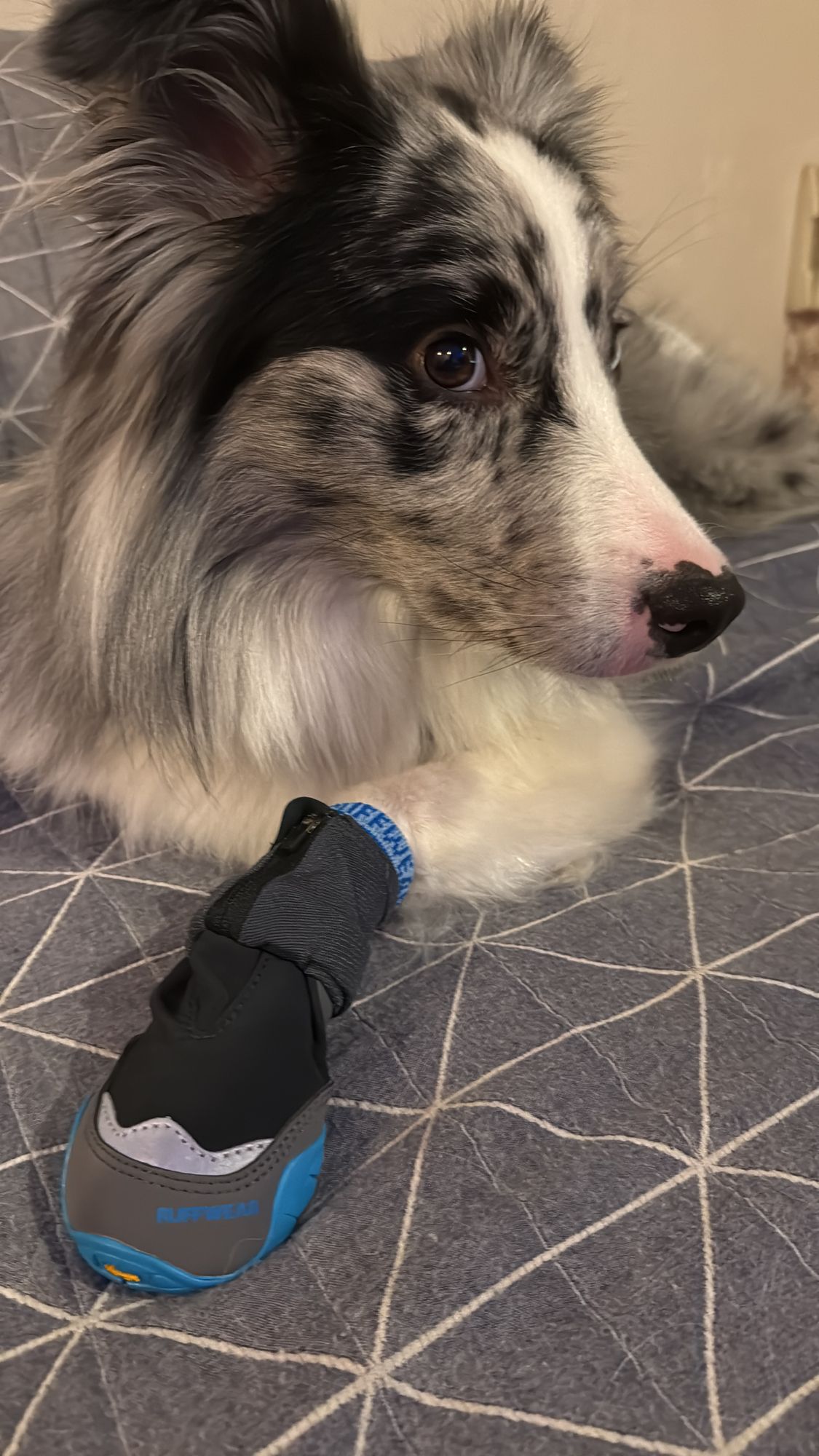
Credit: ruffwear.com
Frequently Asked Questions
Do Dogs Really Need Boots In Winter?
Dogs may need boots in winter to protect their paws. Cold temperatures, ice, and salt can harm their feet. Boots provide warmth and prevent injuries from sharp objects hidden under the snow.
What Are The Benefits Of Dog Boots?
Dog boots offer protection against cold, ice, and harmful substances. They prevent frostbite and cuts from sharp objects. Additionally, boots improve traction on slippery surfaces, ensuring your dog’s safety during winter walks.
How Do I Choose The Right Dog Boots?
Choose boots that fit snugly but comfortably on your dog’s paws. Consider the material, durability, and ease of use. Make sure the boots have good traction and water-resistant features to keep your dog’s paws dry and safe.
Can Dog Boots Prevent Paw Injuries?
Yes, dog boots can prevent paw injuries by providing a protective barrier. They shield paws from sharp objects, ice, and harmful chemicals. Boots also offer support and traction, reducing the risk of slips and falls during winter activities.
Conclusion
Dog boots can protect paws from cold and harsh surfaces. They offer warmth and shield against snow and ice. Boots also prevent injuries from sharp objects. Some dogs may not like wearing them. Training and patience can help them adjust.
Consider your dog’s needs and the weather. Not all dogs require boots, but many benefit from them. Comfort and protection are key. Always choose boots that fit well. Your dog’s paws deserve care in winter. Keep them safe and warm.
Enjoy winter walks together. Stay aware, stay prepared.
Similar Posts