What Dog Breeds Look Like Wolves: Unveiling Wild Twins
Are you captivated by the wild, majestic look of wolves but prefer the companionship of a domestic dog? You’re not alone.
Many dog enthusiasts are drawn to breeds that mirror the striking appearance of their wild ancestors. Imagine having a loyal friend by your side who turns heads with their wolf-like features while still offering the warmth and affection only a dog can provide.
We’ll explore dog breeds that look like wolves, unraveling the unique characteristics that make them so intriguing. Whether you’re curious about their origins or considering one as your next furry companion, you’re in the right place. Keep reading to discover which breeds have that enchanting, wolfish allure and might just steal your heart.

Credit: www.petfinder.com
Wolfish Appearance In Dogs
Have you ever glanced at a dog and thought it looked a bit like a wolf? You’re not alone. Many dog breeds have a striking wolfish appearance that can turn heads and spark curiosity. These breeds not only share physical traits with their wild cousins but often carry a touch of their spirit too.
Characteristics Of Wolf-like Dogs
Wolf-like dogs often have a dense double coat that mimics the thick fur of a wolf. This coat helps them withstand cold weather, much like wolves in the wild. Their almond-shaped eyes, erect ears, and bushy tails also add to their wolfish charm.
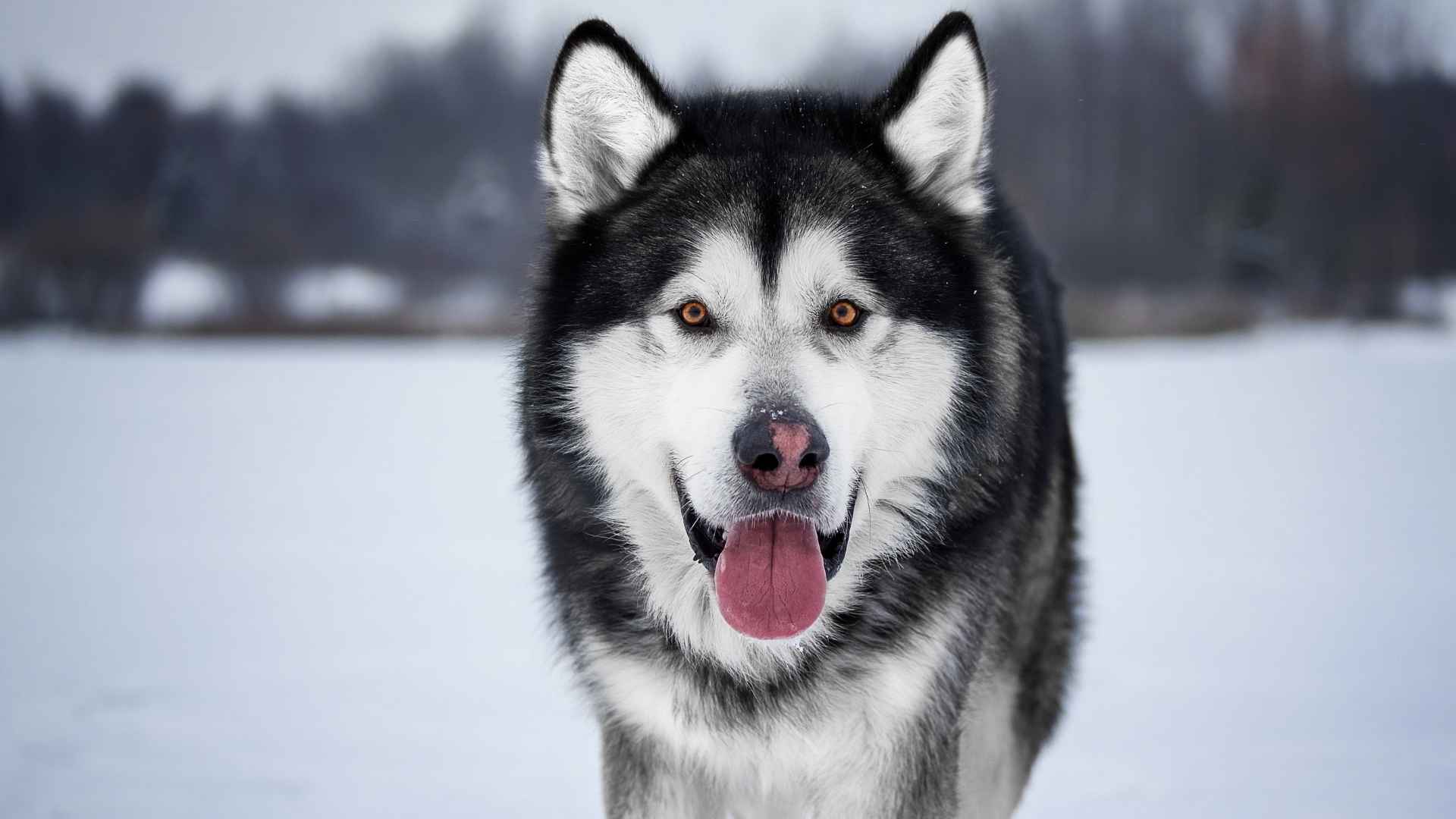
Consider the Siberian Husky or the Alaskan Malamute. Both possess a powerful build and a majestic stance, reminiscent of wolves. Their agile movements and keen alertness can make you feel like you’re seeing a wolf in the flesh.
But it’s not just about looks. These dogs also exhibit behaviors that remind us of wolves, like howling instead of barking. Have you ever heard a Husky howl? It’s both eerie and fascinating.
Genetic Traits Shared With Wolves
Some dog breeds share genetic traits with wolves, which explains their similar looks. DNA studies reveal that breeds like the German Shepherd and the Czechoslovakian Wolfdog have closer genetic links to wolves.
These breeds often have a natural pack mentality, a trait inherited from their wolf ancestors. This can make them loyal and protective companions, but it also means they thrive with a clear pack leader—you.
It’s intriguing to think about how these genetic ties shape a dog’s behavior and appearance. Why do some dogs exhibit more wolf-like traits than others? The answer lies in the unique blend of their genetic history and selective breeding practices.
Next time you see a dog with a wolfish appearance, take a moment to appreciate the ancient connection they share with wolves. It might even inspire you to explore more about these fascinating breeds and their histories.
Siberian Husky: Arctic Doppelgänger
When you think of a dog that resembles a wolf, the Siberian Husky often comes to mind. This breed, known for its striking appearance and energetic personality, is a true Arctic doppelgänger. The Husky’s close resemblance to wolves isn’t just about looks; it extends to their behaviors and traits, making them fascinating companions. But what makes the Siberian Husky so wolf-like? Let’s explore their physical traits and behavioral similarities.
Physical Traits
The Siberian Husky’s physical traits are what first catch your eye. Their thick double coat, designed to withstand harsh winter conditions, resembles the fur of a wild wolf. This coat comes in a variety of colors, often with striking facial markings that add to their wolf-like allure.
Another distinctive feature is their piercing blue or multi-colored eyes, which can be quite mesmerizing. Their eyes, combined with a strong, athletic build, give them a commanding presence similar to wolves.
Ever notice the husky’s erect ears and bushy tail? These features are reminiscent of their wild cousins, adding to the breed’s rugged appeal. So, when you see a Siberian Husky, you might just feel like you’re glimpsing a piece of the Arctic wilderness.
Behavioral Similarities
Siberian Huskies share behavioral similarities with wolves, especially in their social nature. Huskies are pack animals, showing a strong need for companionship and social interaction. This trait makes them wonderful family pets but also means they can become anxious if left alone for long periods.
They are known for their vocalizations, often mimicking the howls of wolves. If you’ve ever heard a Husky “talk,” you know it’s not quite barking—it’s more of a melodic, wolf-like howl. This is part of what makes living with a Husky such a unique experience.
Huskies also exhibit an independent streak, similar to wolves. While they’re highly intelligent, they can be stubborn, requiring patient and consistent training. But this independence is part of their charm, challenging you to engage them in activities and games that stimulate their minds.
Do you think your Husky has wolf-like traits? Perhaps their captivating gaze or social behaviors remind you of their wild ancestors. Embrace these characteristics as part of the Siberian Husky’s unique charm.
Alaskan Malamute: The Giant Twin
Alaskan Malamutes are often mistaken for wolves due to their striking resemblance. Their wolf-like appearance is both majestic and intimidating, making them a fascinating breed for those intrigued by the wild. If you’ve ever crossed paths with an Alaskan Malamute, their presence is unforgettable, akin to encountering a giant wolf right in your backyard.
Size And Build
Alaskan Malamutes are one of the largest domesticated dog breeds. Their robust build and muscular body make them stand out. Male Malamutes can weigh up to 85 pounds, with females slightly lighter, yet still massive.
Have you ever watched an Alaskan Malamute trot around? Their gait is powerful, each step a testament to their strength. This breed exudes the essence of a wolf, both in size and stature.
Historical Background
The Alaskan Malamute has a rich history that dates back thousands of years. Originally bred by the Mahlemut tribe in Alaska, they were essential for survival in harsh Arctic conditions.
These dogs were used for pulling heavy sleds, showcasing their incredible stamina and strength. Their wolf-like appearance isn’t just skin-deep; it’s a reflection of their heritage as resilient and hardworking animals.
Imagine living in the freezing Alaskan wilderness—wouldn’t you want a loyal and powerful companion like the Malamute by your side?
Czechoslovakian Wolfdog: A Modern Hybrid
Czechoslovakian Wolfdogs capture the wild essence of wolves in their appearance. With striking features, they resemble wolves, yet maintain a friendly demeanor. Their unique wolf-like look makes them a fascinating breed for dog enthusiasts.
The Czechoslovakian Wolfdog is an intriguing blend of wild and domestic, capturing the essence of a wolf’s majestic appearance while maintaining the loyalty of man’s best friend. This breed is a modern hybrid, created with the intention to embody the robust characteristics of wolves while still being trainable and suitable for companionship. If you’re drawn to the allure of wolves but want a pet that fits into a family setting, this breed might be your perfect match.Origins And Development
The Czechoslovakian Wolfdog owes its existence to a unique experiment conducted in the mid-20th century. In 1955, scientists in Czechoslovakia crossed Carpathian wolves with German Shepherds. The goal was to create a breed that combined the best traits of both species: the stamina and resilience of wolves with the trainability and work ethic of German Shepherds. The result was a dog that not only looks strikingly similar to a wolf but also possesses a balanced blend of wild and domestic traits.Temperament And Training
The temperament of the Czechoslovakian Wolfdog is as captivating as its appearance. These dogs are known for their intelligence, loyalty, and independence. Training them requires patience and consistency, as they often exhibit a strong-willed nature. However, with the right approach, they can become well-behaved companions. Consider this: Would you prefer a pet that challenges your training skills but rewards you with unwavering loyalty? If so, this breed could be ideal for you. Remember, socialization from an early age is crucial for them to adapt well to various environments and people.Tamaskan Dog: The Mysterious Replica
The Tamaskan Dog is an intriguing breed that captivates onlookers with its uncanny resemblance to wolves. Known as the “Mysterious Replica,” this dog is not only visually striking but also enveloped in a captivating history and distinctive features that set it apart. If you’ve ever wondered how close you can get to owning a wolf without actually bringing one home, the Tamaskan Dog might just be the answer.
Breed History
The Tamaskan Dog’s history is as mysterious as its appearance. Originating from Finland, this breed was developed in the 1980s with the goal of creating a domestic dog that looks like a wolf. Breeders carefully selected sled-type dogs, including Siberian Huskies and Alaskan Malamutes, to craft the Tamaskan’s wolf-like appearance while ensuring a gentle temperament.
Despite its relatively recent origin, the Tamaskan has rapidly gained popularity among dog enthusiasts who admire its wild aesthetic combined with a family-friendly nature. Have you ever considered what it takes to create a breed that balances the primal allure of wolves with the approachable demeanor of domestic dogs?
Distinctive Features
What makes the Tamaskan Dog stand out? Its striking features include a dense double coat, bushy tail, and piercing eyes that can range from amber to brown, mimicking those of a wolf. The breed’s muscular build and agile movement further enhance its wolf-like presence.
Unlike wolves, Tamaskan Dogs are known for their sociable and obedient nature. They excel in training and are eager to please, making them suitable companions for active families. The Tamaskan’s wolf-like howl is not just for show—it’s an expression of its communication skills. Imagine having a dog that not only looks the part but also sounds like a wolf!
Northern Inuit Dog: The Movie Star
Northern Inuit Dogs resemble wolves with their striking appearance. This breed gained fame as a movie star in the popular series “Game of Thrones”. Their wolf-like features make them a favorite for roles requiring a majestic and wild look.
The Northern Inuit Dog is often mistaken for a wild wolf. Its striking resemblance has earned it a spot in the limelight. This breed gained fame through its role in “Game of Thrones.” Known for its wolf-like appearance, it captured the hearts of viewers. Its natural allure and charisma make it a perfect fit for the screen.Role In Pop Culture
The Northern Inuit Dog played a starring role in “Game of Thrones.” Cast as the Direwolves, these dogs became fan favorites. Their majestic look and fierce loyalty stole the show. This role catapulted the breed into the spotlight. Fans loved their wild yet gentle presence on screen. They became symbols of strength and companionship.Appearance And Traits
Northern Inuit Dogs have a striking wolf-like appearance. They possess a thick, double-layered coat. This coat comes in various colors, often gray or white. Their eyes are almond-shaped, often piercing blue. They have large, erect ears that add to their wolfish look. These dogs are sturdy and well-built, exuding strength. In terms of personality, they are friendly and gentle. They enjoy being around people and other dogs. They are intelligent and eager to learn, making them easy to train. Their loyalty is unmatched, making them wonderful companions. Despite their wild looks, they are calm and loving.Utonagan: The Enigmatic Wolf Clone
The Utonagan is a fascinating breed. It resembles a wolf in appearance. This breed captivates dog lovers with its striking features. The Utonagan’s mysterious allure and gentle nature make it special.
Breed Creation
The Utonagan was developed in the UK. Breeders aimed to create a dog that looks like a wolf. They used Alaskan Malamutes, Siberian Huskies, and German Shepherds. The result is a dog with a wild appearance but domestic traits.
These breeds were chosen for their wolf-like qualities. Over time, the Utonagan emerged as a stunning breed. It combines beauty with a friendly temperament.
Personality Traits
The Utonagan is known for being friendly and social. It enjoys the company of people and other animals. This breed is intelligent and eager to please. It responds well to training and loves activities.
Despite its wolf-like look, the Utonagan is gentle. It makes a great family pet due to its affectionate nature. This breed is also loyal and forms strong bonds with its family.
Credit: worldanimalfoundation.org
Training And Care For Wolf-like Breeds
Dogs that resemble wolves include breeds like the Alaskan Malamute, Siberian Husky, and German Shepherd. These breeds need special training and care due to their energetic nature and pack instincts. Proper socialization ensures they thrive in family environments.
Training and caring for dog breeds that resemble wolves can be a rewarding experience, but it requires a specific approach. These majestic animals often exhibit traits that harken back to their wild ancestors. Understanding their unique needs is crucial to ensuring they thrive in a domestic environment. Whether you’re a seasoned dog owner or new to wolf-like breeds, it’s vital to tailor your training and care strategies to suit these striking dogs.Exercise Needs
Wolf-like breeds are known for their high energy levels and need plenty of physical activity. Daily walks are essential, but they often require more than just a stroll around the block. Consider activities that engage their natural instincts. Hiking, running, and interactive play can be excellent ways to burn off energy. A tired dog is a happy dog. Regular exercise can prevent behavioral issues and keep your pet healthy.Socialization Techniques
Socializing wolf-like breeds from an early age is crucial. These dogs can be reserved or wary of strangers, so introducing them to different people and environments can help. Organize playdates with other dogs to enhance their social skills. Dog parks are great places for them to meet new friends. Always supervise interactions and use positive reinforcement to encourage friendly behavior. This can build confidence and trust in your wolf-like companion. Training and caring for these breeds might seem daunting, but the bond you’ll create is worth the effort. Are you ready to embark on this unique journey with your wolf-like companion?Choosing The Right Wolf-like Companion
Choosing a wolf-like dog breed can be exciting. Some breeds like the Siberian Husky and Alaskan Malamute resemble wolves. Consider size, temperament, and care needs when selecting your companion.
Choosing the Right Wolf-like Companion Bringing a wolf-like dog breed into your home is exciting. These majestic creatures resemble their wild ancestors. But they come with unique needs. Choosing the right companion involves careful consideration.Assessing Lifestyle Compatibility
Consider your daily routine. Wolf-like breeds need regular exercise. They thrive in active households. Ensure you have time for walks and play. Evaluate your living space. A large yard is ideal. Apartments might feel cramped for these dogs. Consider family dynamics. Wolf-like breeds are pack animals. They do well with families. Socialization is key. They need early training to interact with others.Long-term Commitments
Owning a dog is a long-term responsibility. These breeds live many years. Be ready for a lasting relationship. Veterinary care is essential. Regular check-ups and vaccinations keep them healthy. Consider financial commitments. Food, grooming, and medical costs add up. Plan for these expenses. Be prepared for challenges. Training can take time and patience. But with love and consistency, these companions thrive.
Credit: rockykanaka.com
Frequently Asked Questions
What Dogs Resemble Wolves The Most?
Dogs like the Alaskan Malamute, Siberian Husky, and Czechoslovakian Vlcak closely resemble wolves. These breeds share physical traits such as a bushy tail, thick coat, and sharp features. Their striking resemblance to wolves is due to their genetic heritage and ancient lineage, making them popular for wolf enthusiasts.
Are Wolf-like Dogs Good Family Pets?
Yes, many wolf-like dogs make great family pets. Breeds such as the Siberian Husky and Alaskan Malamute are known for their friendly nature. They are often good with children and other pets. However, they require proper training, socialization, and regular exercise to maintain their temperament and energy levels.
How Do Wolf-like Dogs Differ From Wolves?
Wolf-like dogs are domesticated and have different temperaments than wild wolves. They are bred for companionship and have been socialized to live with humans. Wolves, on the other hand, are wild animals and exhibit more instinctual behaviors. This includes hunting and territoriality.
Wolf-like dogs tend to be more adaptable to human environments.
Why Do Some Dogs Look Like Wolves?
Some dogs look like wolves due to selective breeding practices. Breeders aim to retain certain wolf-like physical traits in domestic dogs. This includes a thick double coat, upright ears, and a bushy tail. These traits can be aesthetically pleasing and also serve functional purposes, such as protection against harsh climates.
Conclusion
Curious about dogs that resemble wolves? These breeds offer fascinating insights. From the elegant Siberian Husky to the majestic Alaskan Malamute, their wolf-like features captivate many. Each breed brings unique traits and personalities. Some are independent, while others crave human companionship.
Their striking appearances often surprise those unfamiliar with them. These dogs share a mysterious charm with their wild ancestors. Whether you seek a loyal friend or simply appreciate their beauty, wolf-like dogs are intriguing. Dive deeper into their world, and you might find your perfect furry companion.
Their allure is undeniable, making them unforgettable in the canine world.