
Have you ever wondered if different dog breeds are actually different species? You’re not alone.
This question might have crossed your mind as you watched a towering Great Dane play with a tiny Chihuahua. How can such vastly different dogs belong to the same species? This intriguing topic not only sparks curiosity but also challenges what we think we know about our beloved canine companions.
You’ll uncover the fascinating science behind dog breeds and species. You’ll discover surprising insights that could change the way you see dogs forever. Curious to find out how these differences came to be and what it means for your furry friend? Keep reading to explore the captivating world of canine genetics and evolution.
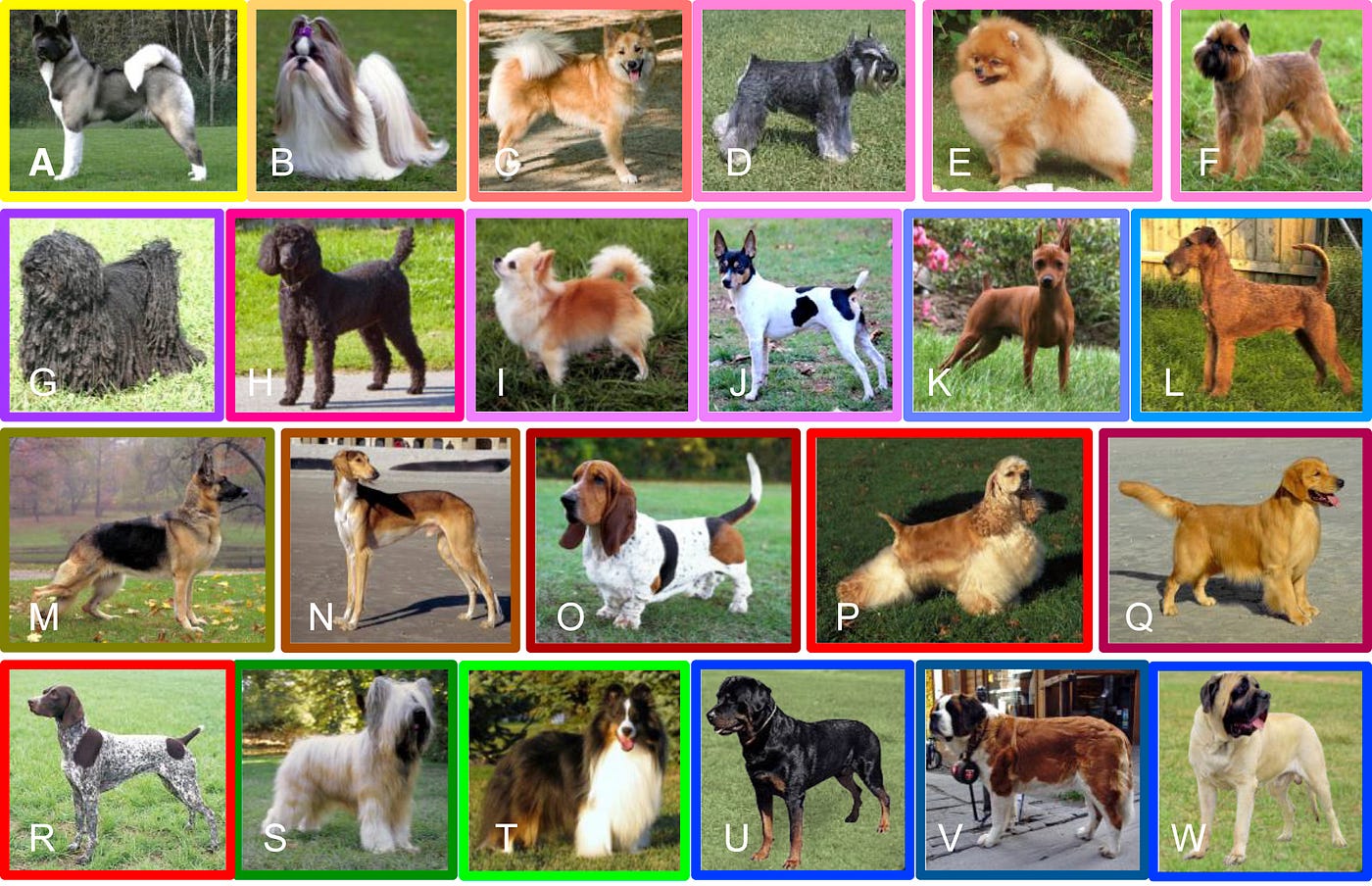
Credit: namnguyenwrite.medium.com
Dog Breeds Vs. Species
Many people confuse dog breeds with species. They often wonder if different breeds are different species. Understanding the distinction is crucial. It helps in grasping how dogs evolved and diversified. This section explores the differences between dog breeds and species.
What Defines A Species?
A species is a group of living organisms. They can interbreed and produce fertile offspring. This concept is central to biological classification. For example, all domestic dogs belong to one species, Canis lupus familiaris.
Understanding Dog Breeds
Dog breeds are variations within the same species. They result from selective breeding. This process enhances specific traits. For instance, breeds like Labradors and Poodles have distinct features. But they remain part of the same species.
Breeding And Evolution
Selective breeding shapes dog breeds over generations. It targets size, color, and behavior. Evolution, on the other hand, occurs naturally. It involves changes over thousands of years. Both processes influence how dogs look and behave today.
Can Different Breeds Interbreed?
Yes, different dog breeds can interbreed. They produce mixed-breed puppies. This interbreeding is possible because they belong to the same species. Mixed breeds often inherit traits from both parents.
The Role Of Genetics In Breeds
Genetics plays a crucial role in breed characteristics. It determines coat type, size, and temperament. Breeders use genetic knowledge to maintain breed standards. This ensures each breed retains its unique qualities.
Genetic Variations In Dogs
Dogs are fascinating creatures with a remarkable range of genetic variations that set them apart from one another. These differences are so pronounced that it sometimes raises the question: are different dog breeds different species? Understanding the genetic variations in dogs can shed light on this topic and help us appreciate the unique traits each breed carries.
Dna And Breed Characteristics
Each dog breed comes with its own set of DNA that defines its physical and behavioral traits. The DNA holds the blueprint for characteristics like size, coat type, and temperament. Have you ever wondered why a Chihuahua is so tiny while a Great Dane towers over most humans? It’s all written in their DNA.
Interestingly, despite these differences, all dog breeds share a common ancestor—the gray wolf. This shared lineage means that no matter how different they look or behave, all breeds are part of the same species: Canis lupus familiaris. This genetic connection emphasizes the incredible diversity within a single species.
Role Of Selective Breeding
Selective breeding plays a pivotal role in creating the distinct characteristics we see in various dog breeds today. Breeders have carefully chosen traits to enhance certain qualities, whether it’s the speed of a Greyhound or the herding skills of a Border Collie.
Have you ever considered why some dogs are perfect for cuddling, while others are ideal for guarding? Selective breeding is the answer. By choosing specific traits over generations, breeders have crafted dogs that fit particular needs and lifestyles.
While this process has given us the beloved breeds we adore, it also poses a question: does selective breeding affect the dog’s health and well-being? It’s worth pondering how the pursuit of ideal traits might impact the overall welfare of these animals.
Evolutionary History Of Dogs
The evolutionary history of dogs is a fascinating journey that traces back thousands of years. While you might think of your furry friend as just a loyal companion, their ancestry tells a story of adaptation and transformation. Understanding this history can deepen your appreciation for the unique traits of different dog breeds.
From Wolves To Domestic Dogs
Dogs share a common ancestor with wolves, yet their paths diverged due to selective pressures. Early humans played a pivotal role in this transformation. By taming wolves, they laid the foundation for the diverse breeds we know today.
Imagine the first interactions between wolves and humans. Wolves that were less aggressive and more curious probably had better chances of survival near human settlements. Over generations, these traits became more pronounced, leading to the first domesticated dogs.
Consider how this evolutionary partnership benefited both species. Dogs provided protection and assistance in hunting, while humans offered food and shelter. This mutual relationship has shaped the course of domestication, leading to the varied breeds we cherish.
Impact Of Human Intervention
Human intervention is a major force in the evolution of dog breeds. Selective breeding has intensified specific characteristics, from size to temperament. Your beloved Chihuahua or Great Dane owes its existence to human preferences and needs.
Think about how different lifestyles influenced breeding choices. In rural areas, larger dogs were favored for guarding livestock, while smaller dogs thrived in urban settings. These decisions have led to the incredible diversity among dog breeds.
Reflect on the ethical considerations of breeding practices. While we enjoy the benefits of various breeds, it’s essential to prioritize their health and well-being. How do you ensure that your choices support the welfare of these loyal companions?

Credit: www.facebook.com
Biological Classification Of Dogs
When you gaze into the eyes of your beloved dog, you’re looking at a creature with a unique place in the scientific world. Dogs, despite their diverse breeds, all belong to the same species. The biological classification of dogs is a fascinating topic that unveils why your Chihuahua and your friend’s Great Dane are surprisingly close relatives in the grand scheme of nature.
Understanding Species And Subspecies
Species is a term often used to describe groups of animals that can breed and produce fertile offspring. In this sense, all dogs, from the tiniest teacup Poodle to the grandest Mastiff, are part of the same species: Canis lupus familiaris.
Subspecies, on the other hand, refers to variations within a species. You might wonder if different breeds could be considered subspecies, but scientifically, they are not. Breeds are developed through selective breeding, focusing on specific traits like size, behavior, or coat type.
Have you ever thought about how these breeding choices reflect human preferences rather than natural selection? It’s a curious thought, highlighting how intertwined humans are with their canine companions.
Where Dogs Fit In Taxonomy
In taxonomy, dogs fall under the family Canidae, which includes animals like wolves, foxes, and coyotes. This family is part of the order Carnivora, a group that encompasses meat-eating animals with sharp teeth and claws.
Dogs have been domesticated from wolves, and while they share many characteristics, their behavior and appearance are vastly different due to thousands of years of selective breeding. This evolution underscores the deep bond and history between humans and dogs.
Ever noticed how your dog sometimes exhibits wolf-like behaviors, such as digging or howling? These traits are remnants of their wild ancestors, demonstrating the complex tapestry of evolution and domestication.
So, what does this mean for you and your furry friend? Understanding their biological classification can deepen your appreciation for the rich, shared history you have with your pet, and the incredible diversity found within a single species.
Scientific Perspectives On Breeds
When discussing dog breeds, it’s easy to wonder whether the vast differences between a Chihuahua and a Great Dane imply separate species. Scientifically, they are all part of the same species—Canis lupus familiaris. Yet, the nuances of genetics and selective breeding reveal fascinating insights into their diversity.
Studies On Genetic Diversity
Dog breeds showcase a remarkable range of genetic diversity. Studies reveal that selective breeding has led to distinct genetic markers among breeds. For instance, a Border Collie is genetically wired for herding, while a Golden Retriever naturally excels at retrieving.
Genetic diversity among dog breeds can be compared to the variability in humans. Just as people have different traits and appearances, dog breeds have been cultivated to emphasize particular features. This diversity is a testament to human influence on genetics.
Crossbreeding And Speciation
Crossbreeding is a popular method to blend traits of different breeds. But does this lead to new species? Scientifically, no. Crossbreeding combines existing genetic traits without creating a new species.
Consider the Labradoodle, a mix of Labrador Retriever and Poodle. It’s a new breed, but not a separate species. Crossbreeding shows how diverse traits can enhance a breed’s characteristics, like hypoallergenic coats or increased intelligence.
Does this mean every breed is a candidate for crossbreeding? While it’s tempting to mix breeds for desired traits, ethical breeding practices ensure the health and well-being of the animals. The focus should remain on maintaining genetic diversity without compromising the breed’s integrity.
Cultural And Social Views
Different dog breeds belong to the same species, Canis lupus familiaris. They share genetic similarities despite their diverse appearances and behaviors. Understanding these differences can enhance appreciation for each breed’s unique traits.
Cultural and social views surrounding dog breeds can be as varied as the breeds themselves. While all dogs are the same species, the way society perceives different breeds can influence everything from their popularity to their treatment. Some breeds are celebrated, while others are misunderstood or stigmatized.Dog Breeds In Society
Dog breeds often hold a special place in society, each with its own reputation and image. Think about how Dalmatians are seen as firehouse mascots or how German Shepherds are linked to police work. These cultural associations can affect how breeds are perceived and treated. Public events, like dog shows, showcase the diversity and unique traits of different breeds. They can raise awareness about the characteristics of lesser-known breeds. However, they can also reinforce stereotypes about certain dogs. Social media platforms have also played a role in popularizing specific breeds. You might notice a surge in interest for a breed after it becomes an online sensation. This trend can lead to increased demand, sometimes overshadowing the needs of local shelters filled with mixed breeds.Perceptions Of Breed Differences
Perceptions about breed differences often go beyond just physical characteristics. You may have heard someone claim that certain breeds are more aggressive or intelligent. These perceptions can be deeply rooted in anecdotes rather than scientific evidence. Consider the Pit Bull, often labeled as dangerous. This stereotype overlooks the many Pit Bulls that are gentle and loving companions. It’s crucial to recognize that individual behavior is shaped more by environment and training than breed alone. Does your perception of a breed influence your choice of a pet? Many people choose dogs based on perceived traits, which may not align with reality. Understanding that each dog is unique can help foster a more inclusive view of all breeds. Educating yourself and others about the realities of breed differences can be a powerful step. This knowledge can help dismantle myths and promote responsible pet ownership.Implications For Conservation
Exploring whether different dog breeds are different species can impact conservation strategies. Understanding genetic differences aids in preserving canine diversity. This knowledge helps protect rare breeds and maintain ecological balance.
The conversation around whether different dog breeds are different species has significant implications for conservation efforts. Understanding the genetic diversity within dog breeds is vital. It not only influences breeding practices but also impacts broader conservation strategies. This knowledge can inform how we preserve breeds and ensure their longevity while maintaining ethical standards.Preserving Genetic Diversity
Preserving genetic diversity is crucial for the health and resilience of dog breeds. When a breed has a wide gene pool, it is less likely to experience genetic disorders. You might wonder, how does this impact conservation? A diverse gene pool ensures that breeds can adapt to changes in their environment. It also reduces the risk of hereditary diseases. If you own a dog, consider how diversity might affect its health and vitality.Ethical Breeding Practices
Ethical breeding practices are essential for maintaining genetic diversity. Breeders have the responsibility to prioritize the health of the breed over aesthetics. This means avoiding inbreeding, which can lead to genetic disorders. Do you know if your dog’s breeder emphasized health in their practices? Responsible breeders will aim to improve the breed rather than just replicate it. They focus on the dog’s well-being and longevity, ensuring a healthier future for the breed. When discussing conservation, ethical breeding practices play a pivotal role. They ensure that breeds remain healthy and sustainable. As a dog lover, supporting breeders who prioritize ethics can make a difference.
Credit: www.prwe.com
Frequently Asked Questions
Are Dog Breeds Considered Separate Species?
No, dog breeds are not separate species. All dog breeds belong to one species: Canis lupus familiaris. They have the same genetic makeup but vary in appearance. Breeds are selectively bred for specific traits, resulting in the diversity we see.
Despite differences, they can interbreed, maintaining the species unity.
How Do Dog Breeds Differ Genetically?
Dog breeds differ genetically through selective breeding practices. Breeders emphasize traits like size, coat, and temperament. This creates distinct genetic variations among breeds. However, all breeds share a common ancestral lineage, ensuring they remain part of the same species. Genetic differences are primarily superficial rather than fundamental.
Can Different Breeds Interbreed?
Yes, different dog breeds can interbreed. Despite variations in size and appearance, they share the same species, allowing for successful breeding. Interbreeding can produce mixed-breed dogs that combine traits from both parent breeds. This ability highlights their genetic compatibility, reinforcing the notion that breeds are not separate species.
Why Are Dog Breeds Not Separate Species?
Dog breeds are not separate species due to genetic compatibility. They share a common evolutionary ancestor, Canis lupus familiaris. This allows for successful interbreeding across breeds. Species differentiation requires significant genetic divergence, which dog breeds lack, maintaining their classification within one species despite physical differences.
Conclusion
Dogs are not different species, but unique breeds. Each breed has distinct traits. These variations come from selective breeding. This practice shapes their size, color, and behavior. Understanding these differences enriches our connection with dogs. We see their diversity and charm.
Breeds offer variety in companionship. They cater to different lifestyles and needs. Choosing the right breed is important. It matches your personality and living conditions. Always research before adopting a dog. This ensures a happy home for both. Dogs are diverse but unified as one species.
They remain our loyal friends through time.


