Does a Service Dog Need to Wear a Vest: Essential Insights
Senior Canine Nutritionist & Dog Behavior Specialist at Cozy Dog Go Wellness Lab
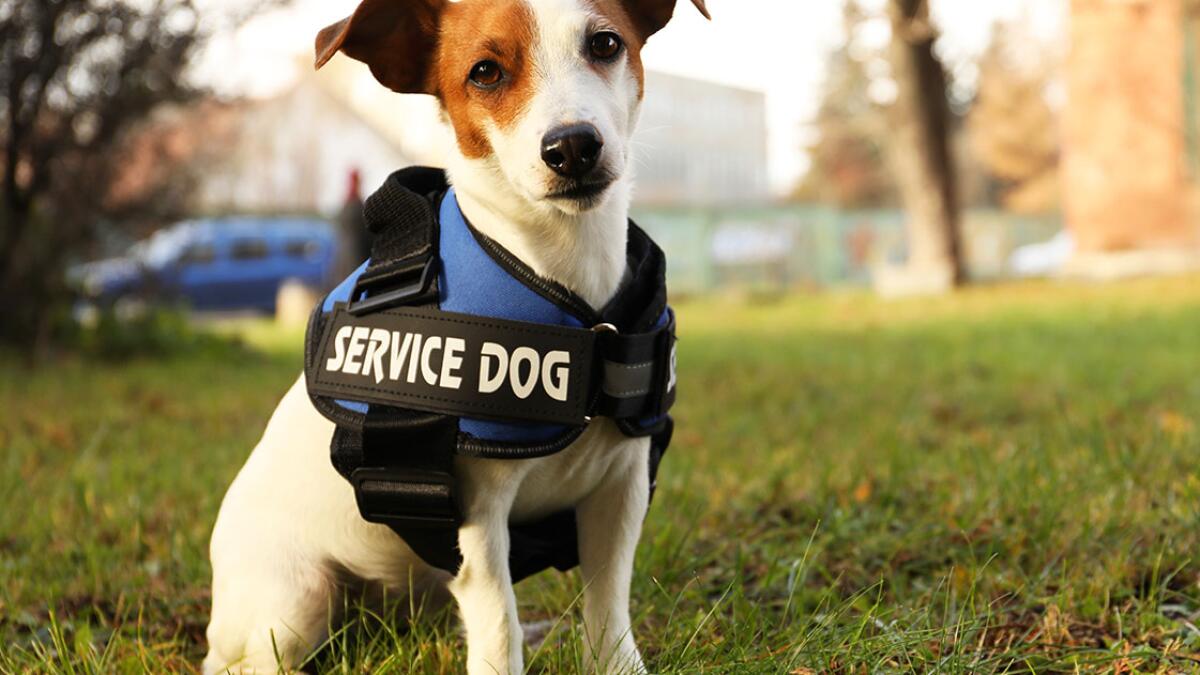
Are you curious about whether your service dog needs to wear a vest? You’re not alone.
Many people wonder about the rules and benefits surrounding these loyal companions. Imagine the freedom of walking confidently with your service dog, knowing everyone recognizes the important role they play in your life. A vest is more than just a piece of clothing; it can be a powerful tool for communication and understanding.
We’ll unravel the facts, dispel myths, and empower you with the knowledge you need. Discover how a simple vest could enhance your daily interactions and make your life easier. Keep reading to find out more!
Legal Requirements For Service Dog Identification
When identifying service dogs, understanding legal requirements is crucial. Service dogs help individuals with disabilities. They perform essential tasks. But, do they need to wear a vest?
Service Dog Identification Laws In The Us
No federal law demands a service dog to wear a vest. The Americans with Disabilities Act (ADA) does not require specific identification. A vest or tag is not mandatory. This means service dogs can work without visible identification.
State-specific Regulations
Some states have their own rules. Check local laws for any additional requirements. Some states might require identification tags or registration. Always verify with local authorities to ensure compliance.
Business And Public Spaces Policies
Businesses cannot require a vest for entry. They can ask two questions: Is the dog a service animal? What tasks does it perform? These questions help confirm the dog’s role without needing a vest.
Benefits Of Using A Service Dog Vest
Vests can help the public recognize service dogs. They prevent misunderstandings. A vest signals the dog is working. This can reduce unnecessary interactions. Many handlers choose vests for convenience.

Credit: laughinglizards.com
Understanding Service Dog Vests
Service dogs do not legally need to wear a vest, but it can help in public spaces. A vest identifies them, making access easier and avoiding misunderstandings.
Understanding service dog vests is important for both handlers and the public. These vests are more than just colorful accessories. They serve specific purposes and help in various situations.Purpose Of The Vest
The vest identifies a dog as a working service animal. It helps distinguish service dogs from pets or emotional support animals. Vests often carry patches or labels. These labels inform others about the dog’s role and duties. They also signal that the dog is not just a regular pet. Vests can also have pockets for carrying essential items. This feature is practical for handlers with mobility challenges.Common Misconceptions
Many believe that all service dogs must wear vests. This is not true. The law does not require service dogs to wear one. Some think a vest guarantees the dog is well-trained. This is another misconception. The vest is not a certification of the dog’s skills or behavior. People often assume a dog without a vest is not a service dog. This is misleading and incorrect. The absence of a vest does not diminish a dog’s training or legitimacy.Benefits Of Wearing A Vest
Wearing a vest helps identify a service dog, ensuring public awareness and access rights. It provides a sense of security and authority for the handler, promoting smoother interactions in various environments.
Service dogs perform vital roles in the lives of their handlers. Wearing a vest can enhance their efficiency in public spaces. The vest serves as a visual cue and provides several advantages for both the service dog and the handler.Public Awareness
A vest signals to the public that the dog is on duty. It helps prevent unnecessary distractions or interactions. People are less likely to pet or play with a vested service dog. This awareness allows the service dog to focus on its tasks. It also helps the handler navigate public places with fewer interruptions.Ease Of Access
A vest can streamline access to public areas. Service dogs with vests are more readily accepted in stores and restaurants. Employees and security personnel recognize the vest as a sign of a working animal. This can reduce misunderstandings or challenges about the dog’s presence. It makes moving through public spaces smoother for both dog and handler.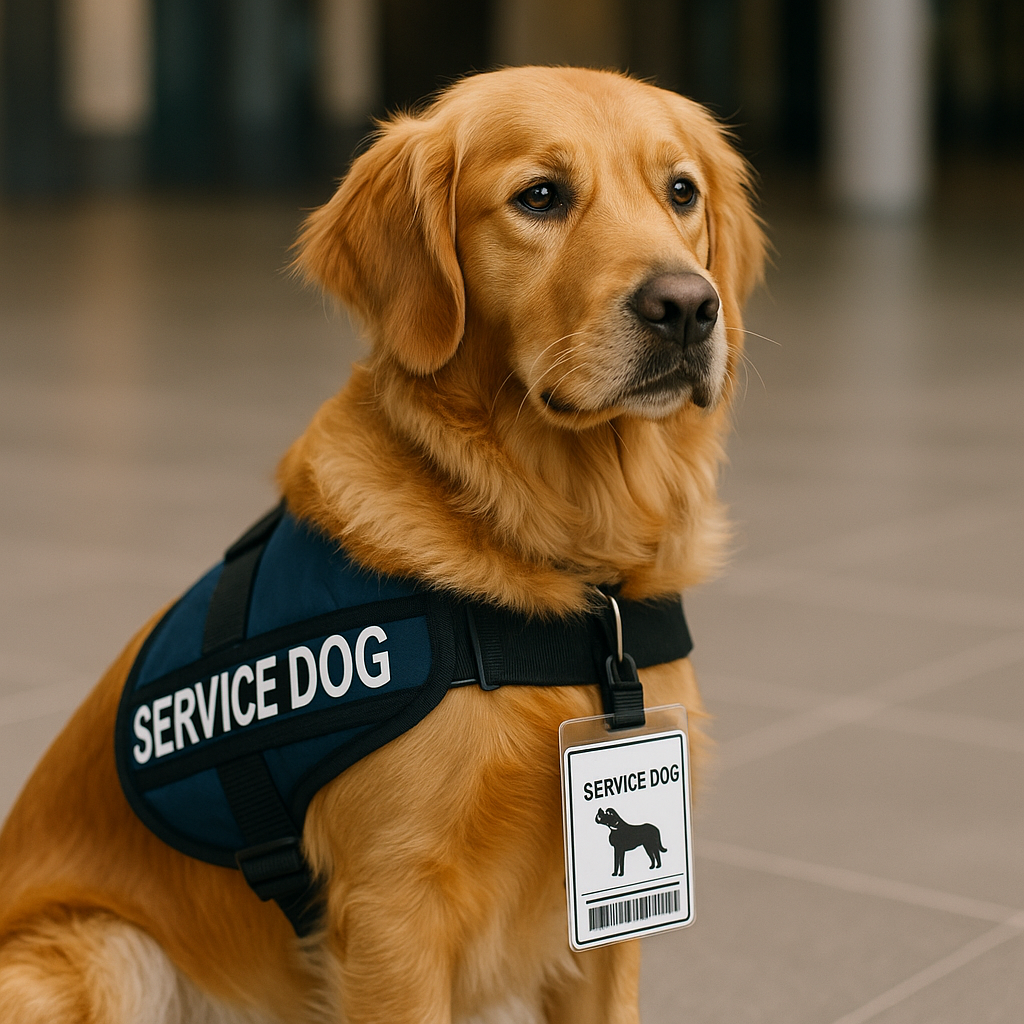
Credit: www.nsarco.com
Challenges Of Not Wearing A Vest
Service dogs play a vital role in assisting individuals with disabilities. Their presence offers invaluable support and companionship. Wearing a vest helps identify them in public spaces. Yet, not every service dog wears a vest. This choice can present several challenges.
Potential Conflicts
Without a vest, service dogs may face issues in public places. Staff might question the dog’s presence, unaware of its role. This can lead to uncomfortable confrontations. For the handler, this adds stress and disrupts daily routines.
Vests act as a visual cue for people around. They help reduce misunderstandings. Without it, assumptions about the dog’s purpose arise. This creates potential conflicts between handlers and the public.
Misinterpretation
A dog without a vest might seem like a regular pet. People may misinterpret its presence in restricted areas. This can result in awkward situations for the handler. Explaining the dog’s role repeatedly becomes tiresome.
Misinterpretation can lead to denied access to essential services. The handler might face delays or refusals. A vest clearly communicates the dog’s purpose, avoiding such issues. It helps ensure smoother interactions in public spaces.
Alternatives To Vests
While vests are commonly associated with service dogs, they are not the only way to indicate a dog’s important role. Many handlers opt for alternatives that can be just as effective in signaling their dog’s status without the need for a vest. These alternatives can be practical, comfortable, and just as reliable for both the dog and the handler.
Identification Cards
Identification cards can be a straightforward and effective way to convey the role of your service dog. These cards typically include essential details such as the handler’s name, the dog’s name, and the certification details. They can be easily carried in a wallet or a purse, making them accessible whenever needed.
Some handlers find identification cards useful for situations where a vest might be too cumbersome or impractical. They can be presented to curious individuals or officials who may inquire about your dog’s role. This simple method can be a quick way to address questions without needing to rely on visible gear.
Leashes And Harnesses
Leashes and harnesses can serve as alternatives to vests, offering another way to identify your service dog. Many handlers choose to use specialized leashes or harnesses that include labels or patches indicating the dog’s service status. These can be particularly useful in environments where vests might be less comfortable for the dog.
Consider a brightly colored leash or harness with clear labeling. This not only ensures visibility but also provides comfort and control, especially in crowded or busy settings. When selecting these items, prioritize materials that are durable and easy to clean, ensuring they remain functional and presentable.
Have you ever wondered how your service dog perceives the alternative gear? It’s essential to ensure that whatever method you choose, it aligns with both your needs and your dog’s comfort. Reflect on what suits your lifestyle best while maintaining the integrity of your service dog’s role.

Credit: laughinglizards.com
Choosing The Right Vest
Choosing the right vest for your service dog is not just about compliance; it’s about ensuring their comfort and effectiveness. The vest plays a crucial role in identifying your dog as a working animal, which can help avoid unnecessary distractions. But how do you pick the perfect vest?
Material And Comfort
The material of the vest can make a significant difference in your dog’s comfort. Opt for breathable fabrics that prevent overheating, especially during warmer months. Nylon and mesh materials are popular choices due to their durability and lightweight nature.
Comfort is key for your service dog’s performance. Consider adjustable straps to accommodate your dog’s unique shape and size. A well-fitting vest can prevent chafing and ensure your dog can move freely.
Visibility And Design
Visibility is essential for a service dog vest. Bright colors or reflective strips can enhance visibility, especially in low-light conditions. This not only ensures your dog’s safety but also helps others identify them as a service animal.
Design matters, too. Look for vests with clear, bold lettering that states “Service Dog.” Some vests even have pockets for storing essentials, making them functional and practical.
Have you ever thought about how design affects perception? A well-designed vest can communicate professionalism and purpose, helping your dog do their job without unnecessary interruptions.
- Breathable fabric options
- Adjustable straps for comfort
- Reflective materials for visibility
- Functional design with pockets
Training And Adaptation
Training and adaptation are crucial for service dogs. Wearing a vest is part of this journey. It helps dogs recognize their role and responsibilities. Many service dogs require time to adjust to wearing a vest. This adjustment period varies depending on the dog’s temperament and previous experiences. Patience and consistent training are key to successful adaptation.
Familiarizing Dogs With Vests
Start by introducing the vest gently. Let the dog sniff and explore it. This initial step builds comfort and familiarity. Gradually, place the vest on the dog’s back without fastening it. Praise the dog and give treats for positive reinforcement. Repeat this process several times. Over time, the dog will associate the vest with positive experiences.
Overcoming Resistance
Some dogs resist wearing a vest. They may feel restricted or uncomfortable. To overcome this, make the experience enjoyable. Use treats and praise consistently. Encourage short wearing sessions initially. Gradually increase the duration as the dog becomes more comfortable. Persistence and patience are essential. Remember, each dog adapts at its own pace.
Public Perception And Education
Public perception often assumes service dogs must wear vests, yet no law requires this. Education can help clarify misunderstandings about service dog identification, emphasizing their vital role beyond visual cues.
Public perception plays a pivotal role in understanding the necessity of a service dog wearing a vest. Many people assume that a vest is mandatory for a service dog to be recognized in public. However, this is more about education and awareness than regulation. By engaging in dialogues and sharing knowledge, you can help reshape how society views service dogs and their roles.Raising Awareness
Awareness is the first step towards changing public perception. Sharing accurate information about service dogs and their rights can make a big difference. You can discuss these topics with friends, family, or even strangers who approach you with questions. Consider community events or social media platforms as avenues to spread awareness. A simple post explaining that a service dog does not legally require a vest can educate many. Encouraging conversations around the topic helps people understand the true purpose and rights of service dogs.Addressing Stereotypes
Stereotypes often arise from misinformation. Some people believe a service dog is only legitimate if wearing a vest. When you encounter such assumptions, gently correcting them can dispel myths. Offer examples of service dogs that don’t wear vests but perform crucial tasks for their handlers. Highlight stories where the absence of a vest led to unnecessary challenges or discrimination. This can open eyes to the realities faced by many service dog handlers. By actively participating in reshaping these perceptions, you contribute to a more inclusive environment for those who rely on service dogs. How can you take the next step in educating those around you?Frequently Asked Questions
Does A Service Dog Legally Need A Vest?
No, a service dog is not legally required to wear a vest. Laws like the ADA do not mandate vests. However, vests can help identify service dogs, making public interactions smoother. They can also prevent unnecessary questions and ensure the dog is recognized as a working animal.
Why Do Some Service Dogs Wear Vests?
Service dogs often wear vests for easy identification. Vests signal to the public that the dog is working. This can reduce distractions and interactions from strangers. Additionally, vests often display information like handler contact details and the service dog’s role.
Can Any Vest Be Used For Service Dogs?
Not every vest is suitable for service dogs. Vests should be comfortable and fit the dog well. They should also display necessary information clearly. Specialized vests often have features like handles and patches, which can be beneficial for the handler and dog.
Are Service Dog Vests Required In All States?
No, service dog vests are not required in any state. Laws like the ADA apply nationwide and don’t mandate vests. However, individual establishments might have their own policies. It’s always good to check local regulations and specific venue requirements beforehand.
Conclusion
Service dog vests are helpful but not always needed. A vest can signal the dog’s role. It helps people recognize a working dog. Rules vary by region and situation. Know your local laws and guidelines. A vest can make public outings smoother.
Respect and understanding are key. Service dogs have important jobs. Their work supports those with disabilities. Always show kindness and patience to service dogs. They are more than pets; they are trained professionals. Respect their space and duties. Their presence makes a positive impact.

Similar Posts