How to Put a Muzzle on a Dog: Easy Guide
Senior Canine Nutritionist & Dog Behavior Specialist at Cozy Dog Go Wellness Lab
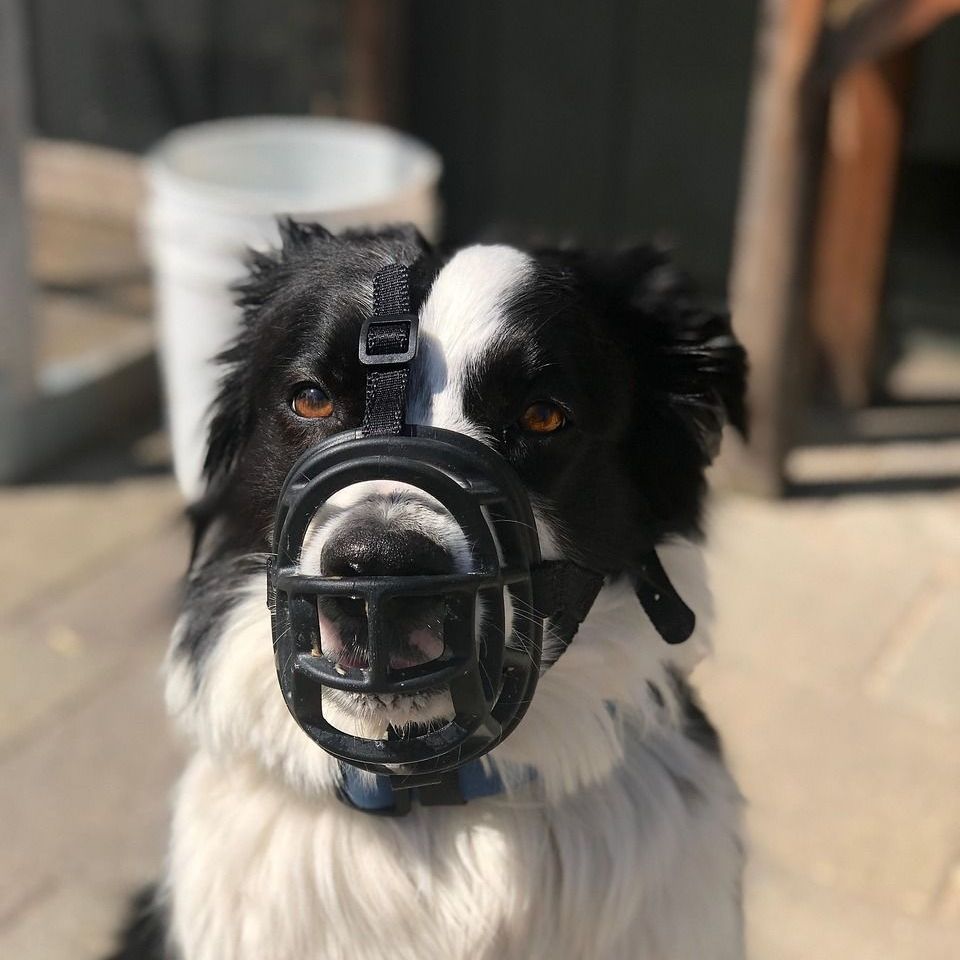
Are you wondering how to safely and effectively put a muzzle on your dog? This simple yet crucial task can be daunting for many pet owners.
Whether you’re preparing for a vet visit, a grooming session, or ensuring everyone’s safety during a walk, knowing how to muzzle your dog properly is essential. You might worry about your dog’s comfort or feel unsure about choosing the right type of muzzle.
This guide is designed to ease those concerns. By the end of this article, you’ll feel confident and equipped with practical tips to make the process smooth and stress-free for both you and your furry friend. Discover how a little preparation can lead to a big difference in your dog’s behavior and safety.
Choosing The Right Muzzle
Choosing the right muzzle is crucial for your dog’s comfort and safety. A well-fitted muzzle helps manage behavior issues and ensures public safety. Different muzzles serve different purposes, so understanding your dog’s needs is key. Let’s explore the types of muzzles, materials, and how to ensure the right fit.
Types Of Muzzles
There are various types of muzzles available for different situations.
- Baskerville Muzzle:Allows panting and drinking. Best for longer wear.
- Soft Muzzle:Made of fabric. Suitable for short-term use.
- Basket Muzzle:Provides space for panting and treats. Ideal for training.
- Plastic Muzzle:Lightweight but less durable. Good for occasional use.
- Leather Muzzle:Durable and secure. Offers comfort for the dog.
Material Considerations
The material of the muzzle affects comfort and durability. Choose wisely.
- Leather:Soft and comfortable but requires regular maintenance.
- Nylon:Lightweight and affordable. Good for short-term use.
- Plastic:Easy to clean but may not last long.
- Metal:Very durable but can be heavy. Good for strong dogs.
Sizing And Fit
A proper fit is essential for effectiveness and comfort.
- Measure your dog’s snout length and width accurately.
- Ensure the muzzle allows panting and drinking.
- Check for adjustable straps for a snug fit.
- Look for padding to prevent chafing and discomfort.
Credit: www.facebook.com
Alternatives To Muzzling
Gentle handling and positive reinforcement can help in calming a dog without a muzzle. Training sessions focused on behavior modification and desensitization may also be effective alternatives.
Sometimes, putting a muzzle on your dog may feel like the only way to ensure safety. However, there are alternatives that can address the root causes of your dog’s behavior, fostering a happier and more harmonious relationship. Let’s explore some practical options that can help you manage and modify your dog’s behavior without resorting to a muzzle.Behavioral Training
Behavioral training is a powerful tool that can transform how your dog responds to various situations. By investing time in training, you can teach your dog to react calmly and positively, even in stressful environments. Start with basic commands like sit, stay, and leave it. These simple commands can prevent unwanted behaviors and give you greater control over your dog’s actions. Consider enrolling your dog in a professional training class. This not only provides structured learning but also socializes your dog with others, reducing anxiety and aggression.Dog-friendly Equipment
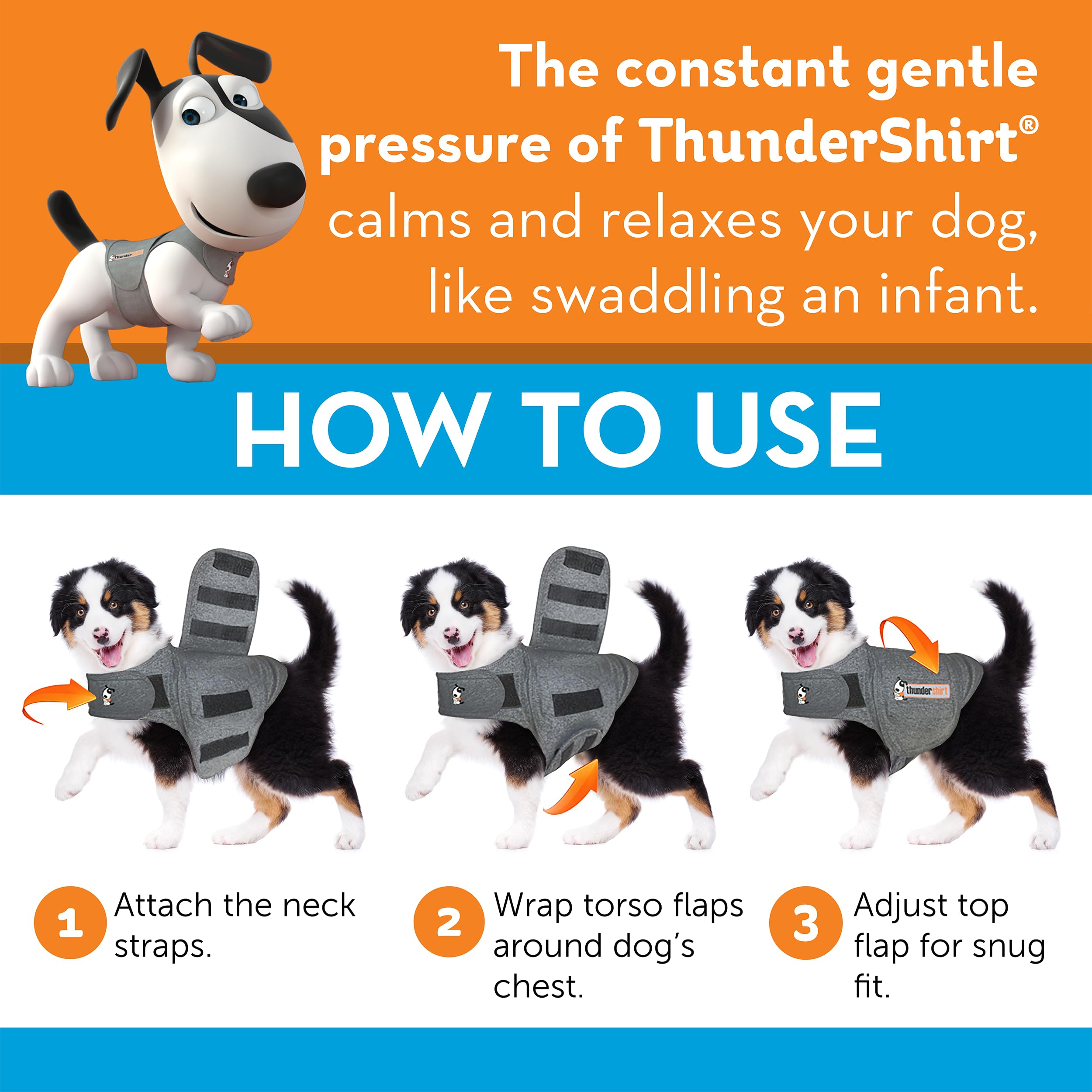
Dog-friendly equipment can offer an effective alternative to muzzles, allowing you to manage your dog’s behavior without restricting their ability to pant or bark. A head halter, for instance, gently guides your dog’s head, helping you redirect their focus and control pulling during walks. Another great option is a no-pull harness, which discourages pulling by redistributing pressure evenly across your dog’s body. This is particularly useful for large or strong dogs that are difficult to control. Have you tried a calming vest? These snug-fitting garments apply gentle pressure, which can soothe anxious dogs and reduce stress-related behaviors.Professional Guidance
When you’re facing persistent behavioral challenges, seeking professional guidance can make a significant difference. A certified dog behaviorist can offer personalized strategies tailored to your dog’s specific needs. Working with a professional can provide insights into the underlying causes of your dog’s behavior, allowing for more targeted interventions. They can guide you through behavior modification techniques that are both effective and humane. Remember, you’re not alone in this journey. Consulting with a professional can offer peace of mind and pave the way for a more enjoyable life with your furry friend. By considering these alternatives, you can foster a deeper connection with your dog, leading to a more fulfilling companionship. What’s your next step towards a muzzle-free life?Frequently Asked Questions
How To Choose The Right Muzzle For My Dog?
Selecting the right muzzle ensures comfort and safety. Consider your dog’s breed, size, and temperament. Measure your dog’s snout length and circumference. Choose a muzzle that allows panting and drinking. Opt for soft materials for sensitive dogs. Always supervise your dog while wearing a muzzle.
Can My Dog Breathe With A Muzzle On?
Yes, dogs can breathe while wearing a properly fitted muzzle. Ensure the muzzle allows for adequate airflow. Basket muzzles are ideal as they provide space for panting and drinking. Always monitor your dog to ensure they are comfortable and breathing normally.
How Long Can A Dog Wear A Muzzle?
Dogs should wear muzzles for short periods only. Typically, no longer than 30 minutes at a time. Ensure your dog is comfortable and not stressed. Regularly check for signs of discomfort. Always supervise your dog and remove the muzzle if needed.
Is It Safe To Muzzle A Dog For Training?
Muzzling during training can be safe if done correctly. Use it as a temporary tool, not a solution. Introduce the muzzle gradually and positively. Ensure your dog associates it with rewards. Always focus on training your dog calmly and humanely.
Conclusion
Putting a muzzle on a dog can be simple. Start slow. Let your dog get used to the muzzle. Use treats for encouragement. Always be patient and calm. A muzzle keeps everyone safe when needed. It’s not a punishment. It’s a tool for safety.
Choose the right muzzle for comfort. Make it a positive experience. With practice, your dog will feel comfortable. Safety matters for both you and your dog. Remember, patience is key. Proper use ensures peace of mind. A muzzle helps manage tricky situations.
Your dog can still enjoy life.

Similar Posts