How Does Harness Go on Dog: A Step-by-Step Guide
Senior Canine Nutritionist & Dog Behavior Specialist at Cozy Dog Go Wellness Lab
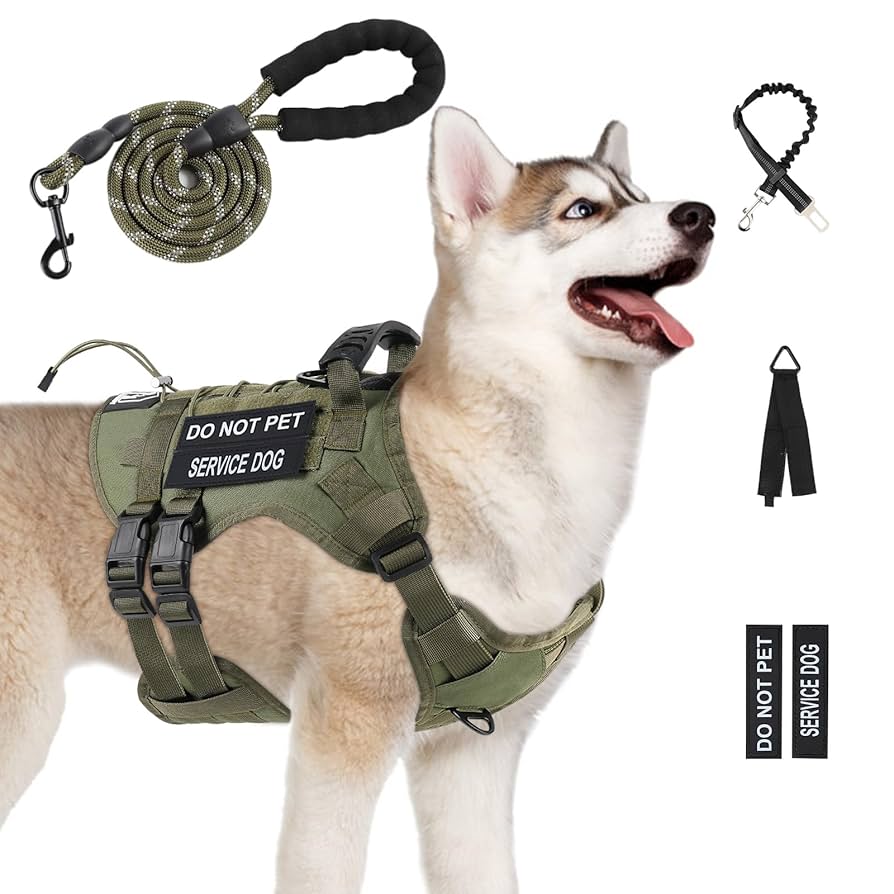
Are you puzzled about how to put a harness on your dog? You’re not alone.
Many pet owners find themselves tangled up, both literally and figuratively, when it comes to getting their furry friend ready for a walk. But mastering this task is crucial for both your dog’s comfort and safety. Imagine the joy and peace of mind you’ll feel when your dog’s harness fits perfectly, and walks become a breeze.
This guide will unravel the mystery and transform your harness struggles into a simple, seamless routine. Keep reading to discover the steps to harness success and become the confident dog owner you aspire to be.
Choosing The Right Harness
Choosing the right harness for your dog is crucial for their comfort and safety. A well-fitted harness can make walks more enjoyable and prevent unnecessary strain on their body. But with so many options available, how do you decide which one is best for your furry friend?
Types Of Dog Harnesses
There are several types of harnesses, each designed for specific needs and preferences. A back-clip harnessis popular for small to medium-sized dogs and easy to put on. It’s ideal for dogs that don’t pull much on the leash.
If your dog tends to pull, a front-clip harnessmight be more suitable. It provides better control and discourages pulling by steering your dog towards you. For adventurous dogs who love hiking, a dual-clip harnessoffers flexibility with both front and back leash attachments.
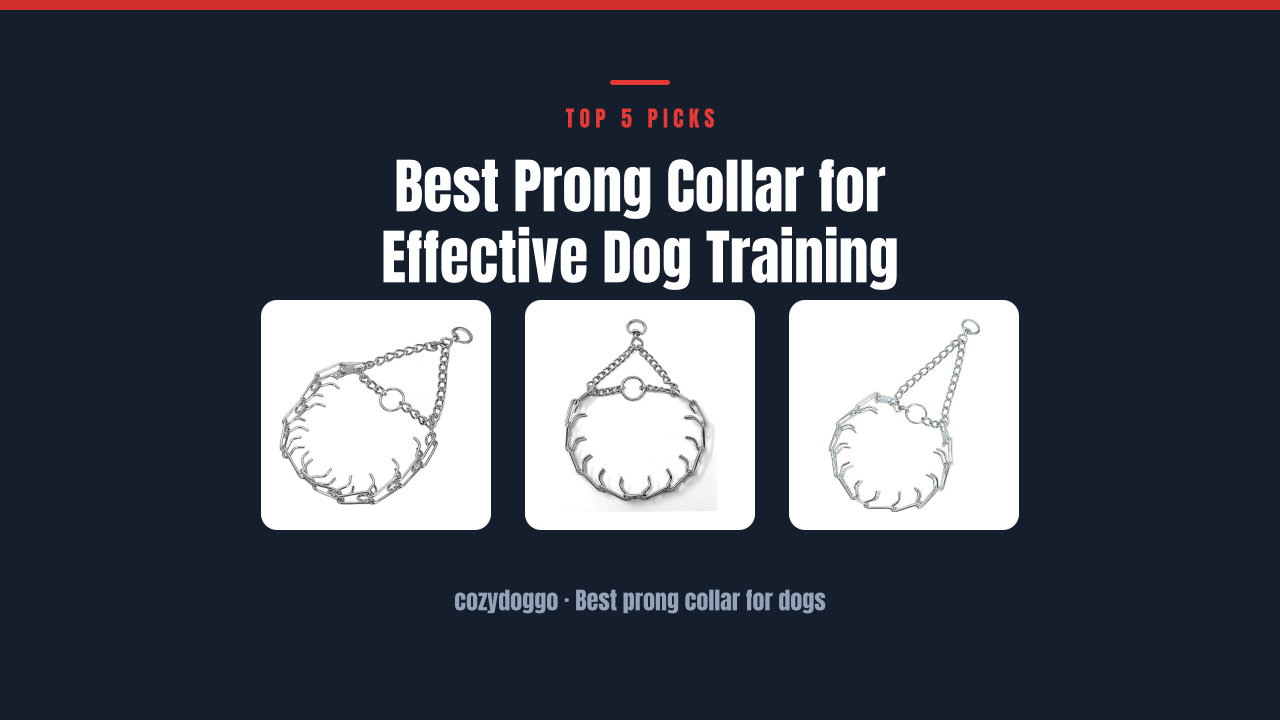
For those with specific training needs, a head haltercan provide additional control by guiding the dog’s head and, consequently, their direction. Always consider your dog’s size, temperament, and activity level when choosing the type of harness.
Measuring Your Dog
Ensuring the right fit is key to your dog’s comfort. To measure your dog, use a flexible tape measure around the widest part of their chest, just behind the front legs. Note the measurement in inches or centimeters.
Next, measure the lower neck where the collar usually sits. This will ensure the harness sits comfortably without causing any choking. If you’re unsure, check the size chart provided by the harness manufacturer.
Remember, a properly fitted harness should be snug but not too tight. You should be able to fit two fingers between the harness and your dog’s body. Have you ever noticed your dog slipping out of a loose harness? A secure fit prevents such mishaps and keeps your dog safe during outings.
- Back-clip harness: Suitable for small to medium-sized dogs
- Front-clip harness: Best for dogs that pull
- Dual-clip harness: Ideal for hiking and flexibility
- Head halter: Provides additional control for training
Choosing the right harness can make a significant difference in your walks. What type of harness do you think would best suit your dog’s personality and activity level? Explore options and measure accurately to ensure a perfect fit for both comfort and safety.
Credit: www.businessinsider.com
Preparing The Harness
Ensure the harness is untangled and ready. Slip the loop over the dog’s head, adjusting straps for comfort and fit. Secure the chest and belly straps, checking for snugness without tightness.
Preparing a dog harness is a crucial step for safe walks. It’s essential to ensure the harness fits comfortably. Begin by laying out the harness. Make sure all parts are visible. This helps avoid confusion later.Adjusting Straps
Start with the straps. They should be loose at first. This allows easy adjustments. Place the harness over your dog’s back. Adjust the straps for a snug fit. The harness should not be too tight or too loose. You should fit two fingers between the harness and your dog’s body. This ensures comfort and safety.Checking For Defects
Inspect the harness carefully. Look for any frayed edges. Check the buckles and clasps. They should work smoothly. Ensure there are no signs of wear. A defective harness can be dangerous. Replace any harness with visible damage. Safety is the priority.Fitting The Harness
Fitting a dog harness correctly is crucial for your pet’s comfort and safety during walks. A well-fitted harness ensures your dog can move freely without chafing or discomfort. The process might seem daunting at first, but breaking it down into simple steps can make it straightforward and hassle-free.
Positioning The Harness
Start by laying the harness flat on the ground and let your dog sniff it. This familiarizes them with the new item and reduces anxiety. Encourage your dog to step into the harness with treats or gentle coaxing.
Once your dog is positioned correctly, slide the harness over their head. Ensure the front strap sits snugly above the shoulders, and the back strap lies comfortably across the chest. Avoid positioning it too low, as it can impede movement.
Securing The Buckles
After positioning the harness, fasten the buckles securely. Always check that the straps are not too tight; you should be able to fit two fingers between the harness and your dog’s body.
Adjust the straps gradually, ensuring each buckle clicks into place. This prevents accidental unfastening during walks. Remember, the fit may require minor adjustments depending on your dog’s movements.
As you secure the harness, observe your dog’s reaction. Are they comfortable? Do they seem restricted? Making these observations can help you refine the fit and ensure a pleasant experience for your furry friend.
Have you ever noticed how your dog reacts differently depending on the fit of the harness? Taking time to get it right can transform your daily walks from a chore into a joy. What adjustments have made the most difference for your dog?

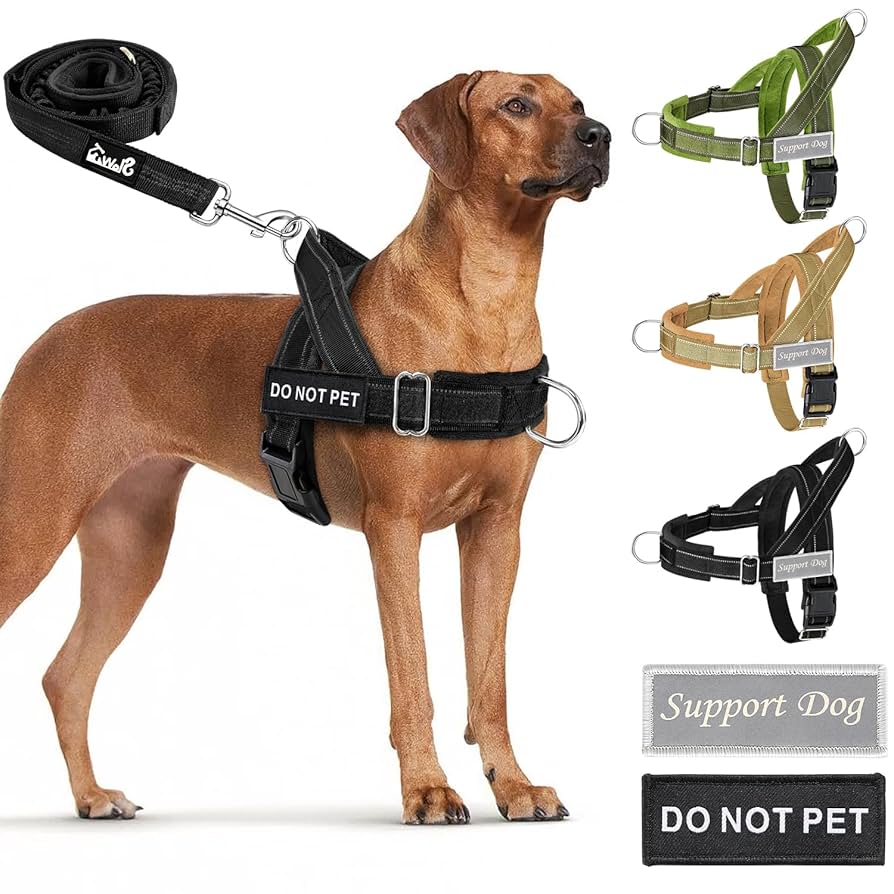
Credit: www.amazon.com
Ensuring Comfort And Safety
Placing a harness on your dog ensures both comfort and safety. Slide the harness over the head, adjusting straps snugly. Fasten buckles securely, allowing two fingers’ space for movement.
Ensuring your dog’s comfort and safety when using a harness is crucial. A well-fitted harness not only prevents injuries but also enhances your dog’s walking experience. It’s important to pay attention to how the harness fits and how your dog moves while wearing it.Checking For Proper Fit
When you put a harness on your dog, ensure it fits snugly without being too tight. You should be able to slide two fingers comfortably between the harness and your dog’s skin. A loose harness can lead to chafing or allow your dog to slip out, while one that’s too tight can restrict movement and cause discomfort. Take a moment to adjust the straps and check for any signs of pinching or pressure marks.Observing Your Dog’s Movement
Watch how your dog walks and moves with the harness on. Is their gait natural, or do they seem restricted or uncomfortable? If your dog shows signs of discomfort or reluctance to move, it might be a sign that the harness is not fitting correctly. Consider trying different styles or sizes until you find the one that allows freedom of movement while still being secure. Remember, your dog’s comfort should be a top priority. A comfortable dog is a happy dog, and a happy dog makes every walk a joy. Have you noticed any changes in your dog’s behavior with their harness on? It’s worth paying attention to these subtle cues.Troubleshooting Common Issues
Fitting a harness on a dog can be tricky. Ensure the harness is the right size, adjusting straps for comfort. Check the harness is not too tight or loose, allowing two fingers to fit between the harness and the dog’s body.
Troubleshooting common issues with dog harnesses can sometimes feel like a perplexing task. Every dog is unique, and what works for one may not work for another. Understanding how to troubleshoot can make the experience much smoother for both you and your furry friend.Dealing With Resistance
If your dog is resisting the harness, it’s important to address their concerns. Start by introducing the harness in a calm environment, allowing your dog to sniff and explore it. Reward them with treats and praise to create a positive association. Patience is key. Gradually increase the time your dog wears the harness each day. If resistance continues, consider if the material is causing discomfort or if there might be unfamiliar scents deterring them.Adjusting For Slip Or Tightness
A harness that slips can be as problematic as one that’s too tight. To check for proper fit, ensure you can fit two fingers comfortably between the harness and your dog’s body. If the harness slips, adjust the straps to ensure a snug fit without constricting movement. Conversely, if it’s too tight, loosen the straps to prevent chafing or discomfort. Observing your dog’s behavior can provide clues. Are they constantly scratching or showing signs of discomfort? Adjusting the fit might be the simple solution you need.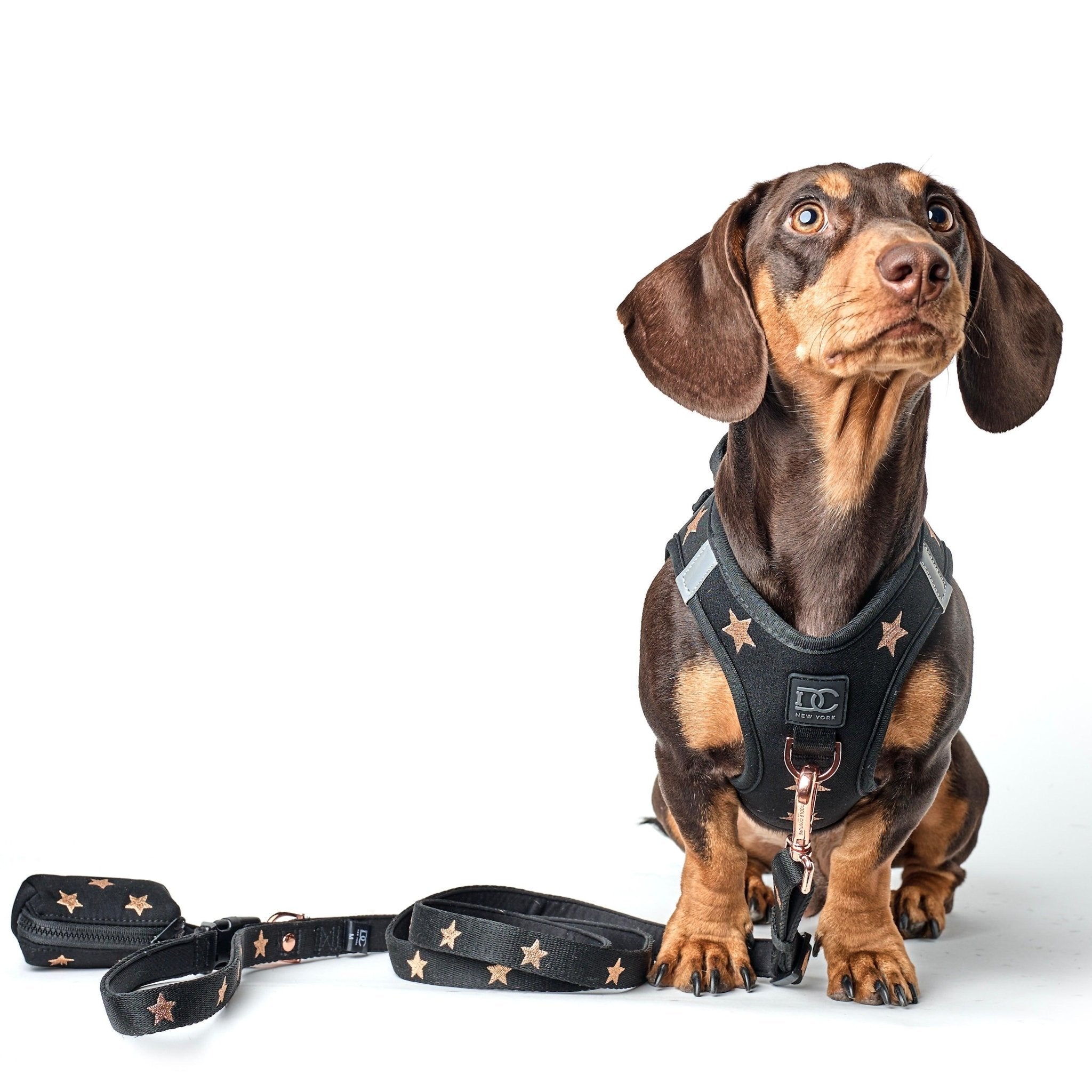
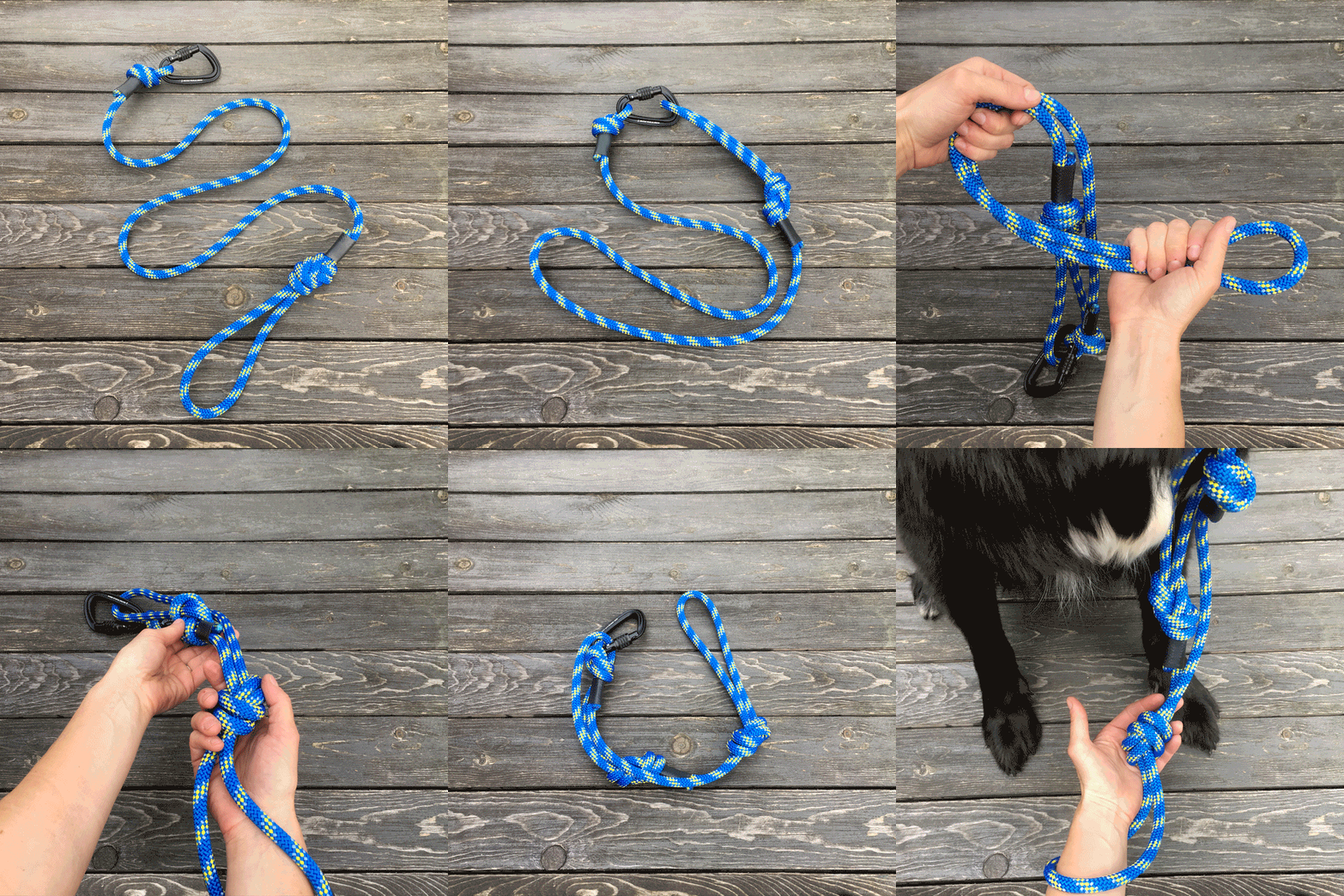
Credit: dogistry.com
Tips For Training With A Harness
Ensure the harness is right-side up, with the D-ring on the dog’s back. Slip it over the dog’s head, securing the chest and belly straps snugly. Adjust for a comfortable fit, allowing two fingers between harness and fur.
Training your dog with a harness can make walks enjoyable for both of you. A harness offers more control and comfort than a collar. Here are some tips to ensure a smooth transition for your furry friend.Introducing The Harness Gradually
Start by showing the harness to your dog. Let them sniff and explore it. This helps them feel safe. Place the harness on the floor during playtime. This creates a positive association. Once they are comfortable, gently put the harness on their back. Let them wear it for short periods indoors. Gradually increase the time. Ensure the harness is snug but not tight. Adjust as necessary. Watch for signs of discomfort.Rewarding Positive Behavior
Rewards motivate dogs. Give treats when your dog shows calmness with the harness. Use positive words like “good job.” Praise builds trust. Every small success deserves recognition. Be consistent with rewards. This helps them understand the new routine. Use treats they love. Keep them small and healthy. Avoid overfeeding. Always end training on a happy note. Your encouragement matters. With patience and understanding, your dog will soon be ready for walks with a harness.Frequently Asked Questions
How To Put A Harness On A Dog?
To put a harness on a dog, first, ensure it’s the correct size. Slip the harness over the dog’s head, and secure the chest strap. Adjust the straps so they fit snugly but comfortably. Ensure the harness is not too tight.
Check that two fingers can fit between the harness and your dog’s skin.
Why Choose A Harness Over A Collar?
Harnesses distribute pressure evenly across a dog’s chest, reducing strain on the neck. This is particularly beneficial for dogs that pull or have respiratory issues. They offer more control during walks and can prevent injuries. For puppies and small breeds, harnesses are safer than collars, which can cause tracheal damage.
Can A Harness Help With Pulling?
Yes, a harness can help reduce pulling behavior in dogs. A no-pull harness redirects the dog’s forward motion, discouraging pulling. It offers better control and helps train the dog to walk calmly. Consistent training and positive reinforcement can further enhance the effectiveness of using a harness.
What Type Of Harness Is Best For My Dog?
The best harness depends on your dog’s size, breed, and behavior. Front-clip harnesses are ideal for dogs that pull, while back-clip ones are better for trained dogs. Step-in harnesses suit small breeds, and padded harnesses offer comfort for long walks.
Always choose a harness that fits well and is made of durable materials.
Conclusion
Getting a harness on your dog can be simple. Follow the steps closely. Ensure the harness fits snugly but comfortably. Check for any signs of discomfort. Adjust straps as necessary. Practice with your dog to get used to it. Praise them for calm behavior.
A well-fitted harness keeps your dog safe and happy. Remember, patience is key. Each dog is unique, so find what works best. With practice, harnessing your dog becomes routine. Enjoy your walks together with peace of mind.

Similar Posts