How Long to Feed Dog Bland Diet After Diarrhea: Expert Tips
Senior Canine Nutritionist & Dog Behavior Specialist at Cozy Dog Go Wellness Lab
Have you ever found yourself worrying over your dog’s sudden bout of diarrhea? You’re not alone.
Many dog owners face this stressful situation, unsure of how to help their furry friend recover quickly and comfortably. One common solution is the bland diet, a temporary change in your dog’s food to soothe their upset stomach. But how long should you stick with this diet after diarrhea strikes?
You’ll discover the precise timing for feeding your dog a bland diet, ensuring a speedy recovery while avoiding further digestive issues. You’ll also learn why this diet works, what foods to include, and how to transition back to regular meals. By understanding these key aspects, you can confidently care for your dog, bringing peace of mind to both you and your four-legged companion. Keep reading to unlock these insights and ensure your dog’s health is back on track.
Purpose Of A Bland Diet
Feeding a dog a bland diet after diarrhea helps soothe their stomach and restore normal digestion. Typically, continue the diet for two to three days after symptoms improve, then gradually reintroduce regular food.
The purpose of a bland diet is to provide your dog with easily digestible food that doesn’t irritate their stomach further. When your furry friend experiences diarrhea, their digestive system needs a break from rich, complex foods. A bland diet helps soothe their stomach and intestines, allowing them to recover more quickly.
What Is A Bland Diet?
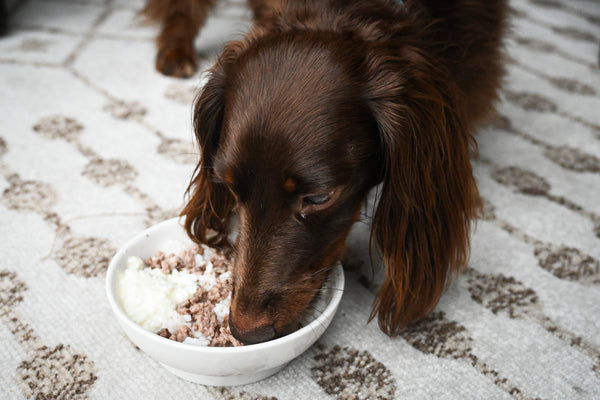
A bland diet typically consists of plain, boiled chicken or turkey and white rice. These ingredients are gentle on your dog’s stomach and easy to digest. You might be surprised to learn that this simple combination can have a big impact on their recovery.
Benefits Of A Bland Diet
Feeding your dog a bland diet can help reduce inflammation in their digestive tract. It also helps solidify their stools, which is crucial when managing diarrhea. Moreover, it’s a practical way to ensure they continue receiving essential nutrients without causing further distress.
How Long Should You Feed A Bland Diet?
The duration of a bland diet varies depending on your dog’s condition. Generally, you should continue the diet until your dog’s stool returns to normal consistency. Monitor their progress closely and consult your vet if you’re unsure about extending or transitioning back to regular food.
When To Transition Back To Regular Food?
Once your dog’s stool is back to normal, you can gradually reintroduce their regular diet. Start by mixing a small amount of their usual food with the bland diet. Over several days, increase the regular food portion while decreasing the bland diet, ensuring a smooth transition.
Personal Experience And Tips
Having had a dog with a sensitive stomach, I learned firsthand the importance of a bland diet. My dog, Max, responded well to boiled chicken and rice, and within a couple of days, his stools improved significantly. It’s essential to keep an eye on your dog’s behavior and consult a vet if you notice persistent issues. Have you ever tried a bland diet for your pet? How did it work for you?
Common Causes Of Diarrhea In Dogs
Feeding a bland diet after dog diarrhea helps restore digestive health. Continue this diet for three to four days. This aids in easing your pet back to normal food gradually.
Diarrhea in dogs can be distressing for both you and your furry friend. Understanding the root causes can help you manage this common problem effectively. Let’s explore some typical reasons why your dog might be experiencing digestive troubles.
Dietary Indiscretion
Dogs are curious creatures, often exploring the world with their mouths. Eating spoiled food, garbage, or non-food items can upset their stomachs. Has your dog ever stolen food off the counter or rummaged through the trash? These behaviors often lead to dietary indiscretion, resulting in diarrhea.
Sudden Diet Changes
Switching your dog’s food abruptly can lead to digestive issues. Dogs thrive on consistency, so introducing a new brand or type of food should be a gradual process. Have you recently changed your pet’s diet? This could be the culprit behind their upset stomach.
Food Allergies Or Intolerance
Just like humans, dogs can develop allergies or intolerance to certain ingredients. Common allergens include beef, dairy, and wheat. Is your dog scratching more or showing discomfort after meals? It might be worth investigating potential food allergies.
Parasites
Intestinal parasites such as worms can cause diarrhea in dogs. Regular vet check-ups and preventive treatments can help keep these pesky invaders at bay. Have you noticed any unusual signs in your dog lately? It might be time for a vet visit to rule out parasites.
Stress And Anxiety
Changes in environment, routine, or even separation anxiety can trigger digestive issues. Dogs are sensitive to their surroundings, and stress can manifest in various ways, including diarrhea. Have you moved recently or changed your routine? Consider how these changes might affect your pet’s gut health.
Infections
Bacterial, viral, or fungal infections can upset your dog’s stomach. Ensuring your dog is up-to-date with vaccinations and maintaining good hygiene can help prevent infections. If your dog seems lethargic or has a fever alongside diarrhea, consult your vet immediately. Understanding these common causes can help you provide the best care for your dog. Have you considered what might be triggering your dog’s diarrhea? Taking a closer look at their lifestyle and habits can be the key to resolving their digestive troubles.
Ingredients For A Bland Diet
When dogs experience diarrhea, a bland diet can help stabilize their digestive system. This diet is gentle and helps reduce inflammation in the gut. Selecting the right ingredients is crucial for recovery. Here are some effective options that can ease your dog’s discomfort.
Boiled Chicken And Rice
Boiled chicken is a great protein source, easy on the stomach. It should be skinless and without seasoning. Rice complements chicken by providing carbohydrates. It helps firm up stools and provides energy. Cook the rice well to make it digestible.
Pumpkin And Sweet Potato Alternatives
Pumpkin is rich in fiber and aids digestion. It helps regulate bowel movements. Ensure it’s plain canned pumpkin, not pie mix. Sweet potatoes are another option. They’re full of vitamins and minerals. Cook them thoroughly for better digestion.
Credit: www.instagram.com
Frequently Asked Questions
How Long Should Dogs Eat Bland Diet?
Dogs should eat a bland diet for 3 to 7 days after diarrhea. This helps their digestive system recover. Monitor your dog’s condition. Gradually reintroduce regular food once stools are firm and consistent.
Can Bland Diet Fix Dog Diarrhea Quickly?
A bland diet can help resolve mild diarrhea within a few days. It soothes the digestive tract. Ensure your dog stays hydrated. If symptoms persist, consult a veterinarian.
What Foods Are In A Dog’s Bland Diet?
A bland diet for dogs includes boiled chicken and rice. You can also use plain turkey or pumpkin. These foods are gentle on the stomach. Avoid seasoning and fats.
When To Switch From Bland Diet To Regular Food?
Switch from bland diet to regular food once your dog’s stools firm up. Gradually introduce regular food over a few days. Observe your dog for any signs of discomfort.
Conclusion
Feeding your dog a bland diet helps recovery from diarrhea. Stick to this diet for a few days. Watch for any signs of improvement. Gradually reintroduce their regular food. Keep portions small and manageable. Monitor your dog’s reaction closely. Always consult your vet for specific advice.
They can guide you on diet duration. Every dog is unique, so be patient. Your care and attention make a big difference. Ensuring your pet’s health is rewarding. A healthy dog is a happy companion.

Similar Posts